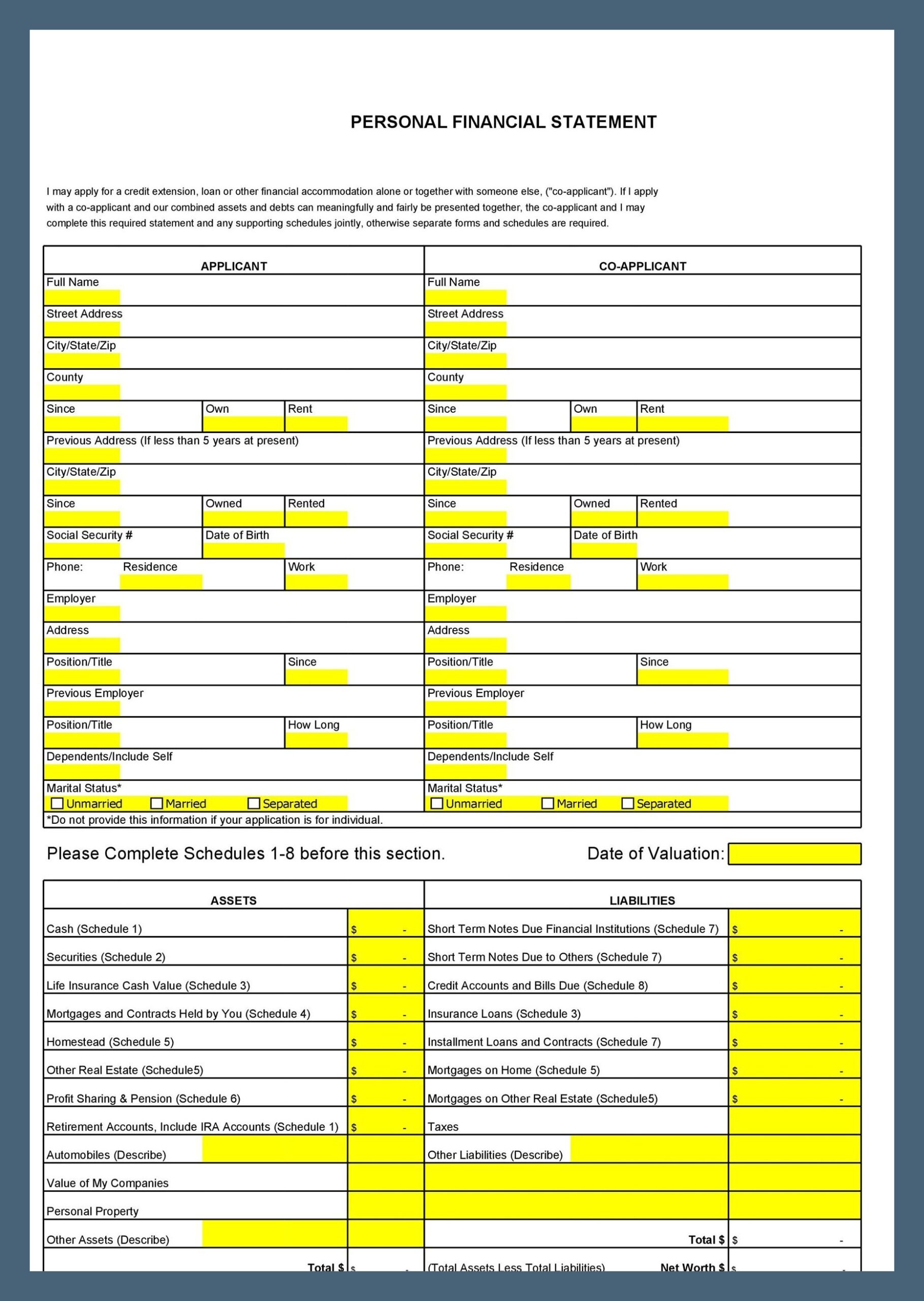
Managing your finances can be overwhelming, especially when you have multiple income sources, investments, debts, and expenses to keep track of. This is where a personal financial statement comes in handy. A personal financial statement is a document that provides a snapshot of your financial health by detailing your assets, liabilities, and net worth. In this comprehensive guide, we will delve into the what, why, key elements, how to create, and tips for successful personal financial statements.
What is a Personal Financial Statement?
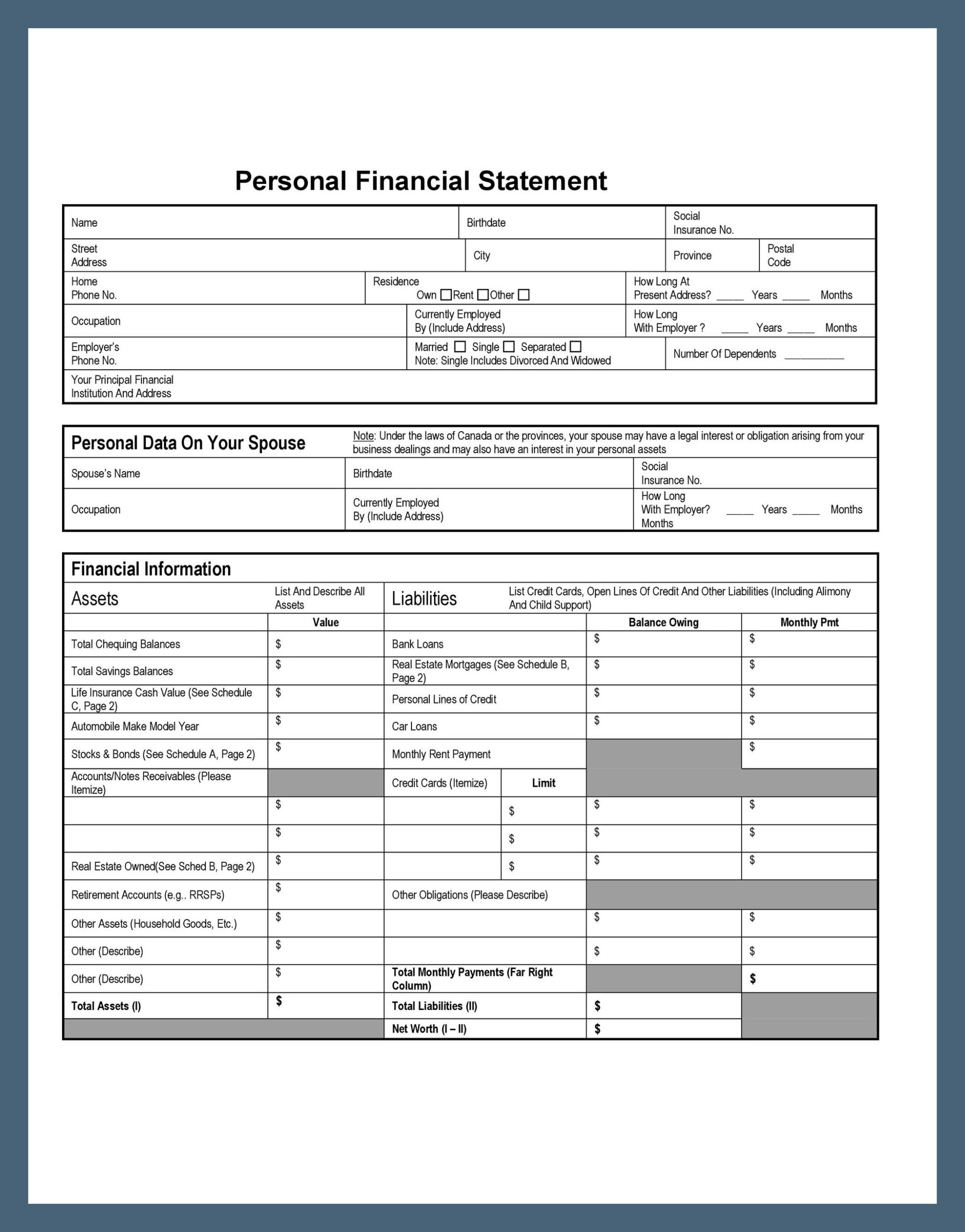
A personal financial statement is a document that outlines an individual’s financial position at a specific point in time. It provides a summary of your assets, liabilities, and net worth, giving you a clear picture of your financial health. By creating a personal financial statement, you can track your progress towards your financial goals, identify areas for improvement, and make informed decisions about your finances.
Why Create a Personal Financial Statement?
There are several reasons why creating a personal financial statement is important:
- Financial Planning: A personal financial statement helps you create a roadmap for achieving your financial goals.
- Budgeting: By knowing your assets and liabilities, you can create a realistic budget to manage your expenses.
- Investment Decisions: Understanding your financial position can help you make informed investment decisions.
- Debt Management: A personal financial statement can help you track your debts and create a plan to pay them off.
- Net Worth Calculation: Calculating your net worth can give you a sense of your overall financial health.
Key Elements of a Personal Financial Statement
A personal financial statement typically includes the following key elements:
- Assets: These are items of value that you own, such as cash, investments, real estate, and personal property.
- Liabilities: These are your debts and financial obligations, such as loans, credit card balances, and mortgages.
- Net Worth: Your net worth is calculated by subtracting your total liabilities from your total assets. It represents your overall financial position.
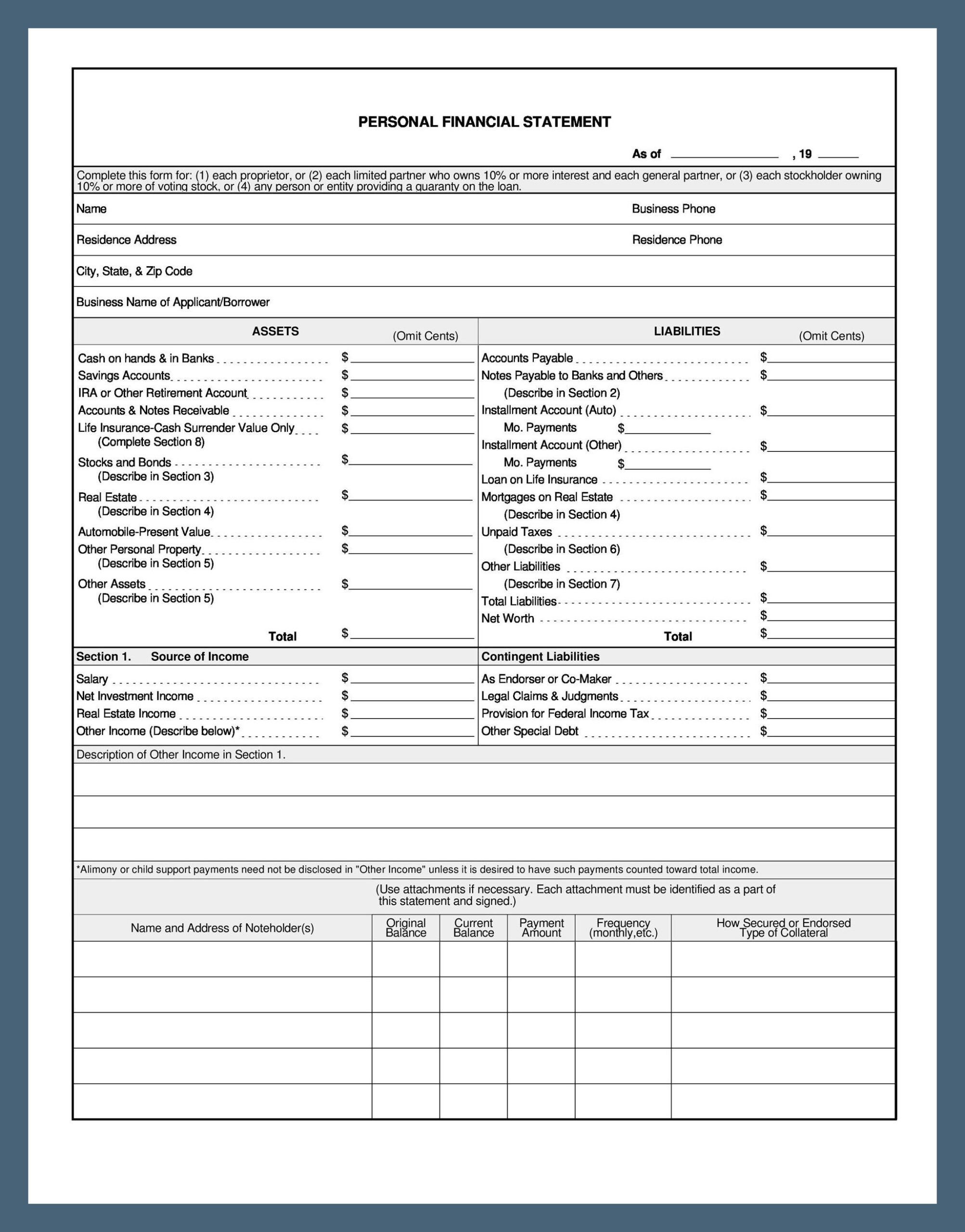
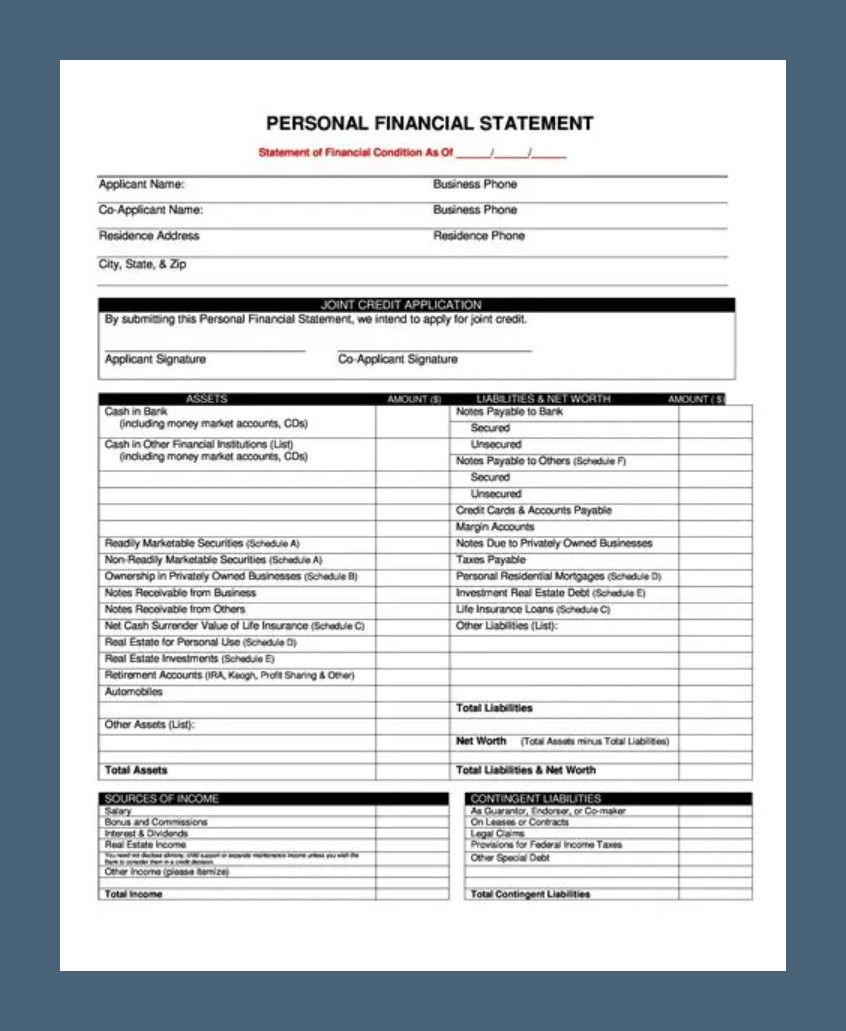
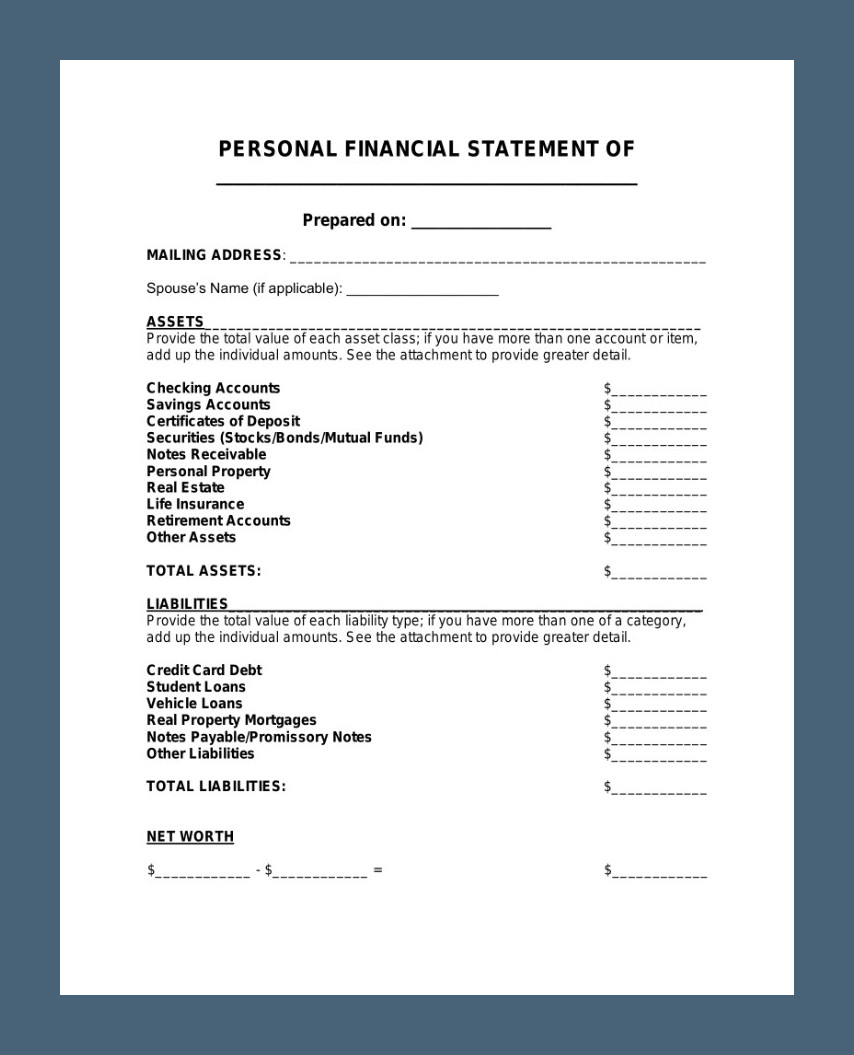
Examples
How to Create a Personal Financial Statement
Creating a personal financial statement may seem daunting, but it can be broken down into simple steps:
1. Gather Your Financial Information
Collect all relevant financial documents, such as bank statements, investment account statements, loan statements, and credit card statements.
2. List Your Assets
Compile a list of all your assets, including cash, investments, real estate, vehicles, and personal belongings.
3. Identify Your Liabilities
List all your liabilities, such as loans, credit card balances, mortgages, and other debts.
4. Calculate Your Net Worth
Subtract your total liabilities from your total assets to calculate your net worth.
5. Update Regularly
Review and update your personal financial statement regularly to track your financial progress.
Tips for Successful Personal Financial Statements
Here are some tips to ensure your personal financial statement is accurate and effective:
- Be Thorough: Include all your assets and liabilities to get a complete picture of your financial health.
- Update Regularly: Review and update your personal financial statement at least annually or whenever there are significant changes in your finances.
- Use Online Tools: Consider using online financial tools or apps to streamline the process of creating and maintaining your personal financial statement.
- Seek Professional Help: If you are unsure about creating a personal financial statement, consider seeking the help of a financial advisor or accountant.
- Set Financial Goals: Use your personal financial statement to set realistic financial goals and track your progress towards achieving them.
By creating and regularly updating a personal financial statement, you can gain a better understanding of your financial situation, make informed decisions about your finances, and work towards achieving your financial goals. Start by gathering your financial information and following the steps outlined in this guide to create a comprehensive personal financial statement that will help you take control of your finances.
