In the realm of renting a property, a house lease agreement is a crucial document that lays down the terms and conditions between a landlord and a tenant. This legally binding contract not only protects the rights of both parties but also ensures a smooth rental process. Whether you are a landlord looking to lease out your property or a tenant seeking a place to call home, understanding the ins and outs of a house lease agreement is essential.
Let’s delve deeper into the intricacies of this vital document.
What is a House Lease Agreement?
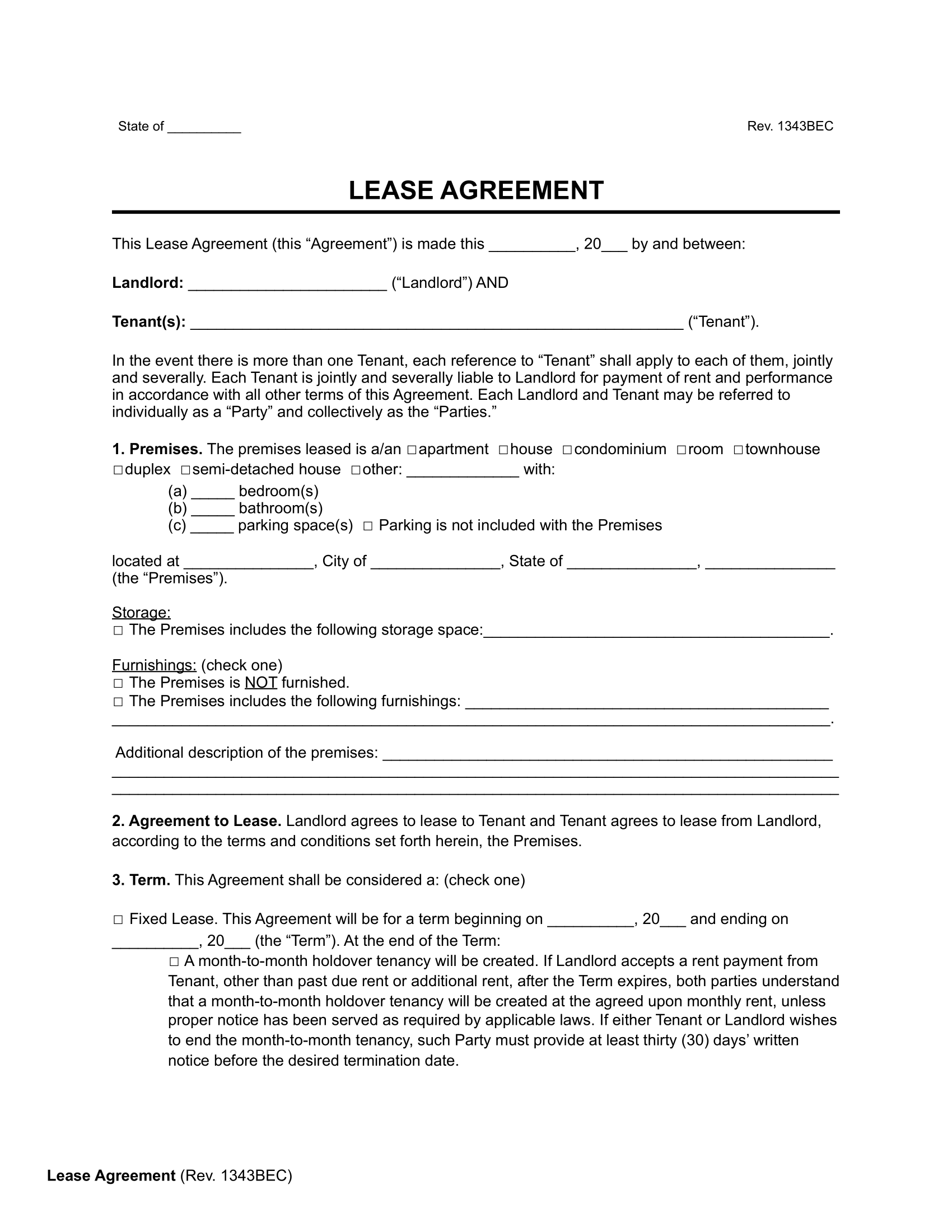
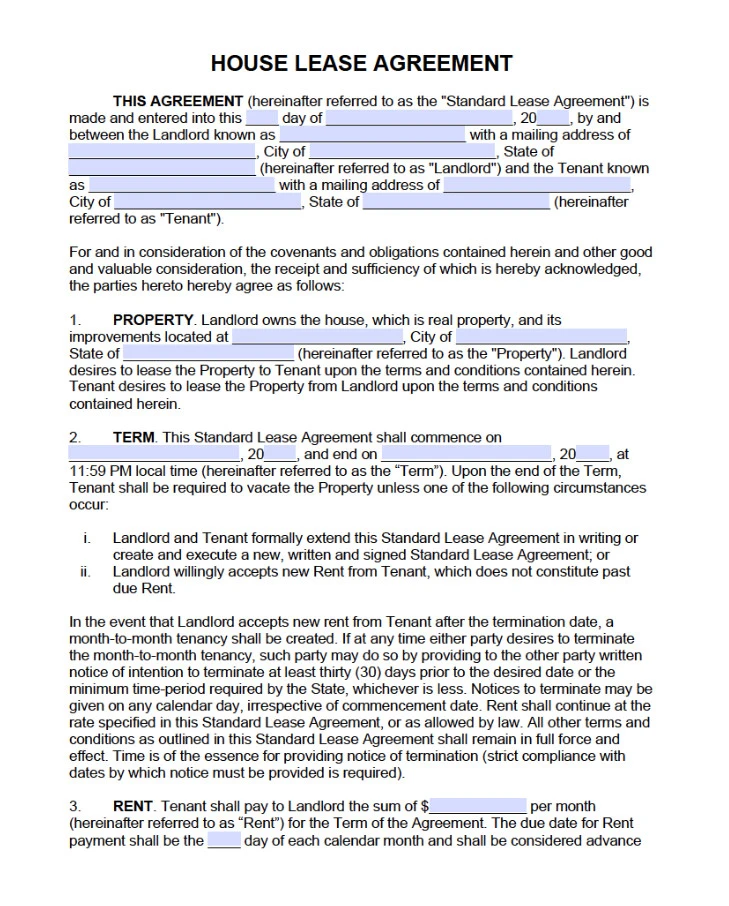
A house lease agreement, also known as a rental agreement or lease contract, is a written document that outlines the terms and conditions of renting a property. It serves as a legal contract between the landlord (the property owner) and the tenant (the individual or group renting the property).
This document specifies important details such as the duration of the lease, the monthly rent amount, security deposit requirements, pet policies, maintenance responsibilities, and any other rules or regulations that both parties must adhere to during the tenancy.
When drafting a house lease agreement, it is crucial to include all pertinent information to avoid any misunderstandings or disputes down the line. Clear and concise language should be used to ensure that both the landlord and tenant fully understand their rights and obligations throughout the rental period.
Why is a House Lease Agreement Important?
A house lease agreement serves as a legal protection for both landlords and tenants, providing a written record of the terms and conditions agreed upon at the beginning of the tenancy. Without a lease agreement in place, disputes or misunderstandings may arise, leading to potential legal complications.
By having a comprehensive lease agreement, both parties have a clear understanding of their rights and responsibilities, thus minimizing the risk of conflicts during the rental period.
What to Include in a House Lease Agreement
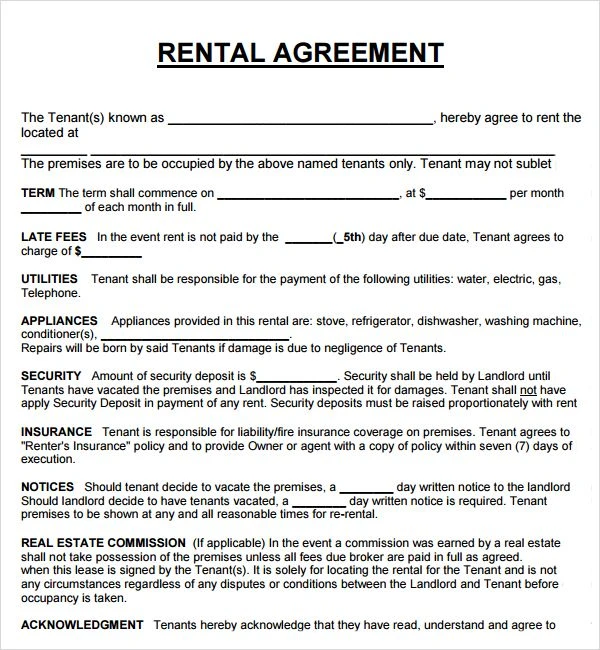
When creating a house lease agreement, several key components should be included to ensure a thorough document. Here are some essential elements to consider:
- Names of Parties: Include the full legal names of the landlord and tenant.
- Property Details: Provide a detailed description of the rental property, including the address and any specific amenities or features.
- Term of Lease: Specify the duration of the lease, whether it is a month-to-month agreement or a fixed-term lease.
- Rent Amount: Clearly state the monthly rent amount and the due date for payment.
- Security Deposit: Outline the amount of the security deposit required and the conditions for its refund at the end of the tenancy.
- Utilities and Maintenance: Clarify which utilities are included in the rent and who is responsible for maintenance and repairs.
- Rules and Regulations: Include any specific rules or regulations regarding pets, smoking, noise levels, or other restrictions.
- Termination Clause: Define the process for terminating the lease early and any penalties or fees involved.
- Signatures: Both the landlord and tenant should sign and date the agreement to indicate their acceptance of the terms.
How to Create a House Lease Agreement
Creating a house lease agreement can be a straightforward process if you follow these steps:
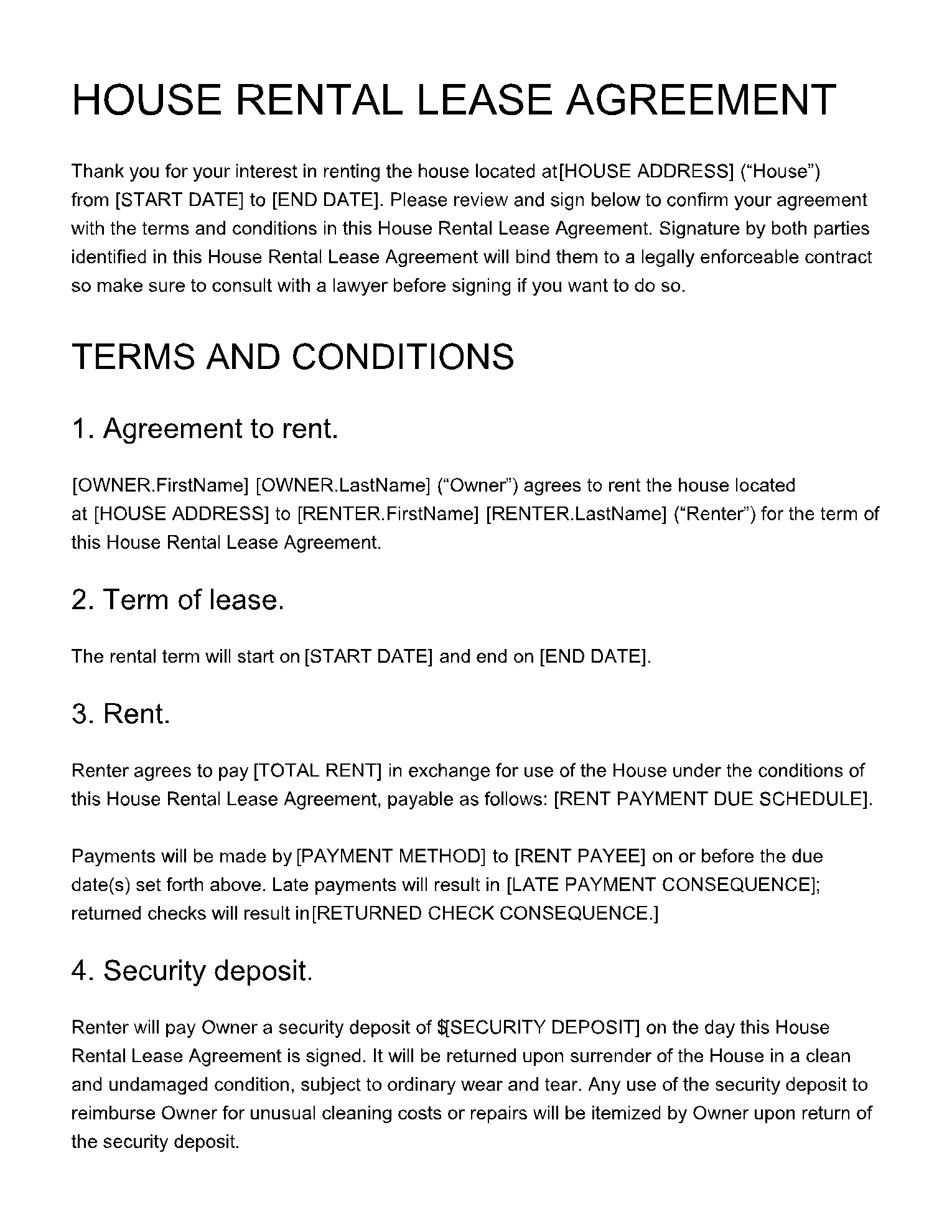
1. Begin by using a template or seeking legal advice to ensure that your lease agreement complies with local laws and regulations.
2. Customize the template with the specific details of your rental property, including the rent amount, security deposit, and any rules or regulations.
3. Review the lease agreement with the tenant to ensure that both parties understand and agree to the terms.
4. Sign the agreement and provide copies to both the landlord and tenant for their records.
Tips for a Successful House Lease Agreement
To ensure a successful rental experience, consider the following tips when drafting a house lease agreement:
- Be specific: Clearly outline all terms and conditions to avoid any confusion or misinterpretation.
- Seek legal advice: Consult with a legal professional to ensure that your lease agreement complies with local laws and regulations.
- Communicate effectively: Keep an open line of communication with your tenant to address any issues or concerns promptly.
- Document everything: Keep detailed records of all communication and transactions related to the rental property.
- Regularly review and update: Periodically review and update the lease agreement to reflect any changes in rental terms or regulations.
In conclusion, a house lease agreement is a vital document that sets the foundation for a successful landlord-tenant relationship. By including all necessary details and adhering to legal guidelines, both parties can enjoy a smooth and stress-free rental experience. Remember to communicate openly, address any issues promptly, and maintain a good relationship with your tenant to ensure a positive renting experience for all involved.
House Lease Agreement Template – Word
