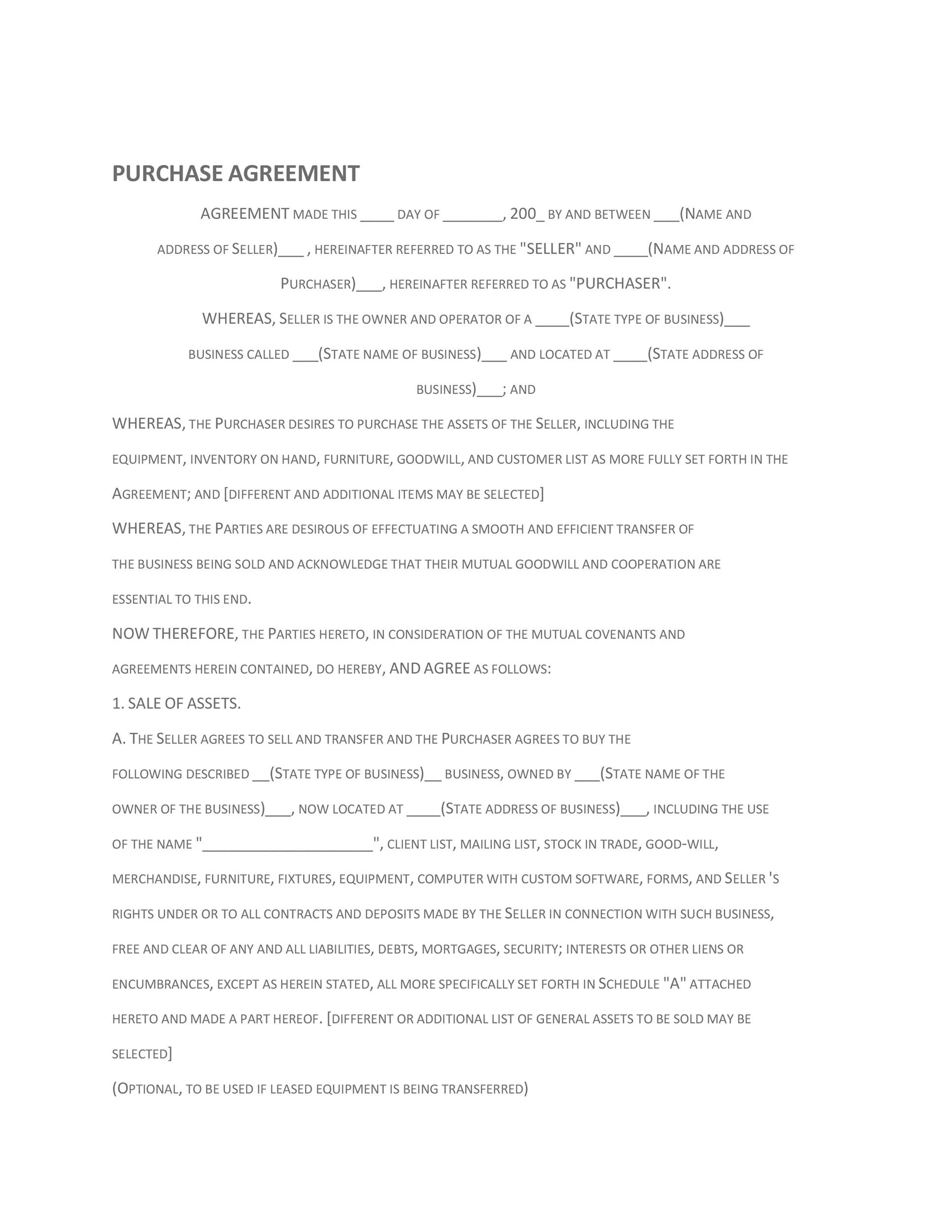
Buying a new home is an exciting milestone in anyone’s life. However, it can also be a complex process with various legal aspects to consider. One of the most crucial components of purchasing a house is the house purchase agreement. This legal document outlines the terms and conditions of the sale, protecting both the buyer and the seller.
In this comprehensive guide, we will delve into everything you need to know about house purchase agreements, from what they entail to tips for navigating the process seamlessly.
What is a House Purchase Agreement?
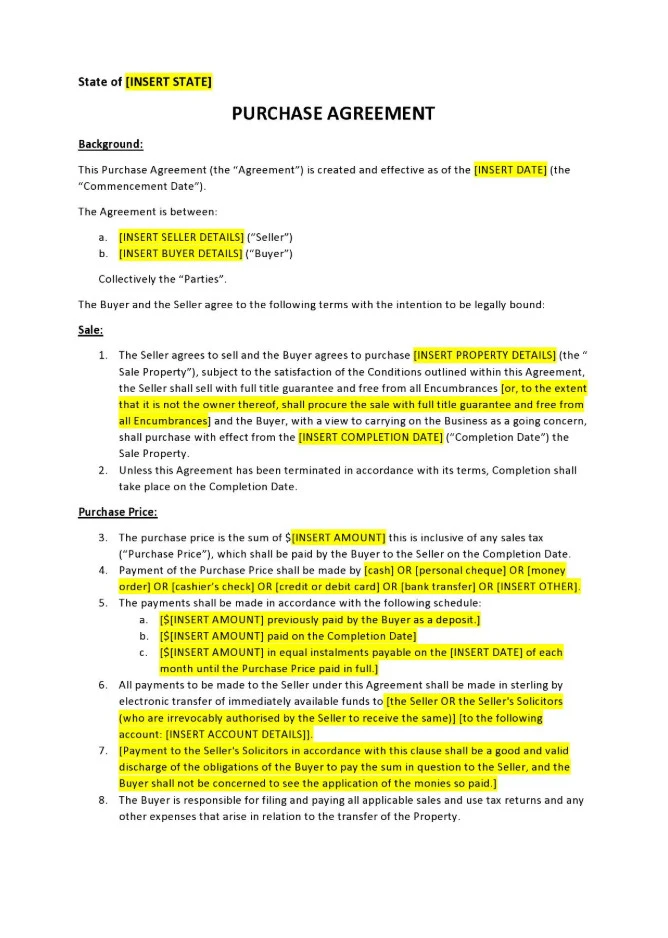
A house purchase agreement, also known as a purchase agreement or sales contract, is a legally binding document that outlines the terms and conditions of a real estate transaction. This agreement is typically drafted by the seller’s real estate agent or attorney and includes important details such as the purchase price, closing date, contingencies, and any special terms or conditions agreed upon by the buyer and seller.
House purchase agreements serve as a roadmap for the entire home-buying process, ensuring that both parties are on the same page and protecting their respective interests. By signing the purchase agreement, the buyer commits to purchasing the property under the specified terms, while the seller agrees to sell the property under those same terms.
Why is a House Purchase Agreement Important?
A house purchase agreement is a crucial document in any real estate transaction for several reasons:
- Legally Binding: The purchase agreement is a legally binding contract that outlines the rights and obligations of both the buyer and the seller.
- Protection: It offers protection to both parties by clearly stating the terms of the sale and any contingencies that must be met.
- Clarity: The agreement ensures that all terms and conditions of the sale are clearly defined, reducing the likelihood of misunderstandings or disputes.
- Guidance: It serves as a guide for the entire home buying process, outlining important deadlines and milestones that must be met.
Overall, a house purchase agreement provides a level of certainty and security to both the buyer and the seller, making the entire transaction smoother and more transparent.
What to Include in a House Purchase Agreement
When drafting a house purchase agreement, several key elements should be included to ensure that all aspects of the sale are covered:
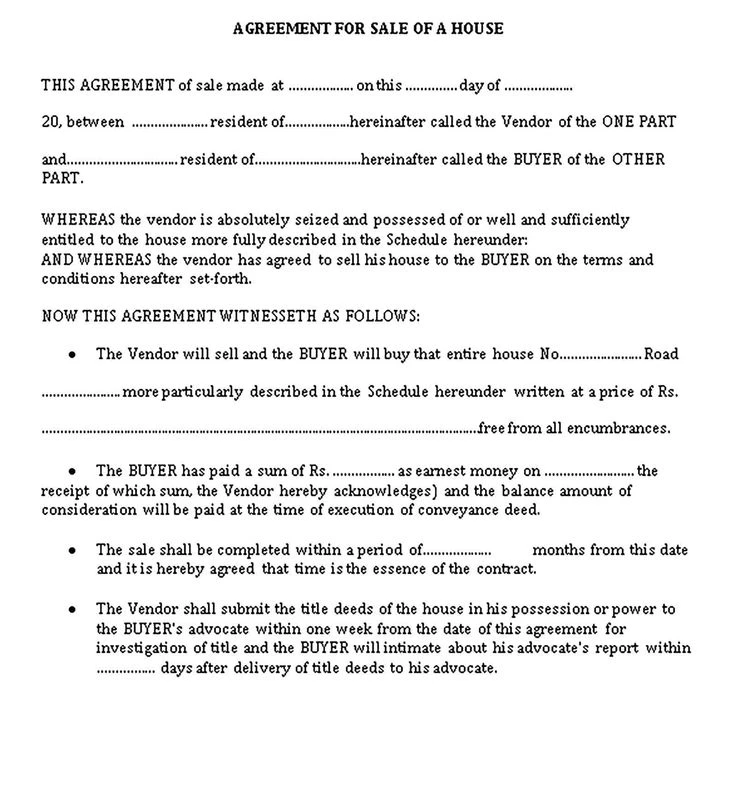
- Property Details: The agreement should include a detailed description of the property being sold, including the address, legal description, and any fixtures or appliances included in the sale.
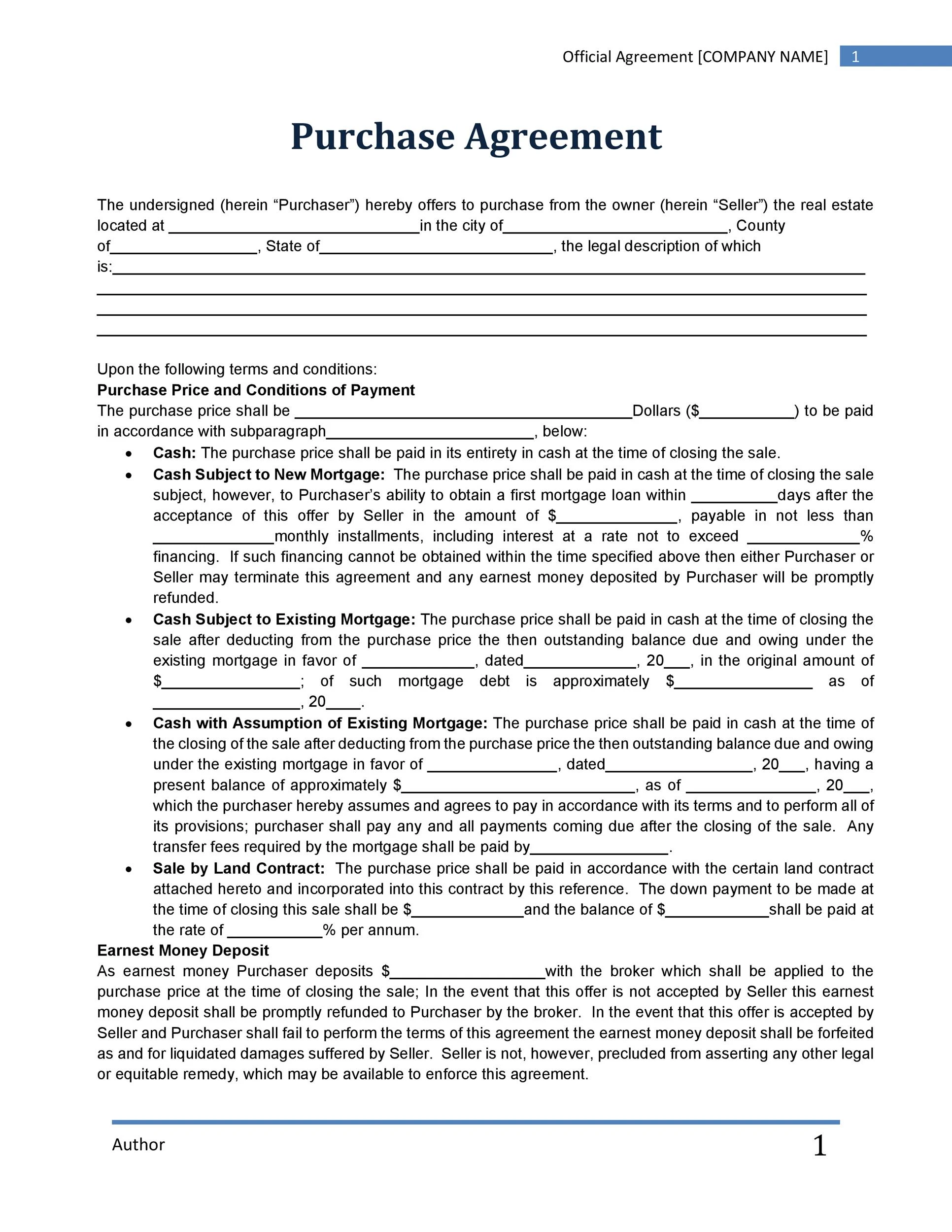
- Purchase Price: The agreed-upon purchase price should be clearly stated in the agreement, along with any earnest money deposit required.
- Contingencies: Any contingencies or conditions that must be met for the sale to proceed, such as a satisfactory home inspection or securing financing, should be clearly outlined.
- Closing Date: The date of closing, when the sale will be finalized, should be specified in the agreement.
- Special Terms: Any special terms or conditions agreed upon by the buyer and seller, such as repairs to be completed before closing, should be included in the agreement.
By including these key elements in the house purchase agreement, both parties can ensure that all aspects of the sale are addressed and that there are no misunderstandings along the way.
How to Navigate the House Purchase Agreement Process
Navigating the house purchase agreement process can be daunting, especially for first-time homebuyers. Here are some tips to help you navigate this important legal document:
- Review Carefully: Carefully review the entire agreement, paying close attention to the terms and conditions, contingencies, and deadlines.
- Seek Legal Advice: Consider hiring a real estate attorney to review the agreement and ensure that your interests are protected.
- Communicate Clearly: Communicate openly with the seller and your real estate agent to address any concerns or questions you may have about the agreement.
- Meet Deadlines: Make sure to meet all deadlines specified in the agreement to avoid any potential issues or delays in the closing process.
By following these tips and staying proactive throughout the house purchase agreement process, you can ensure a smooth and successful home buying experience.
House Purchase Agreement Template – Word
