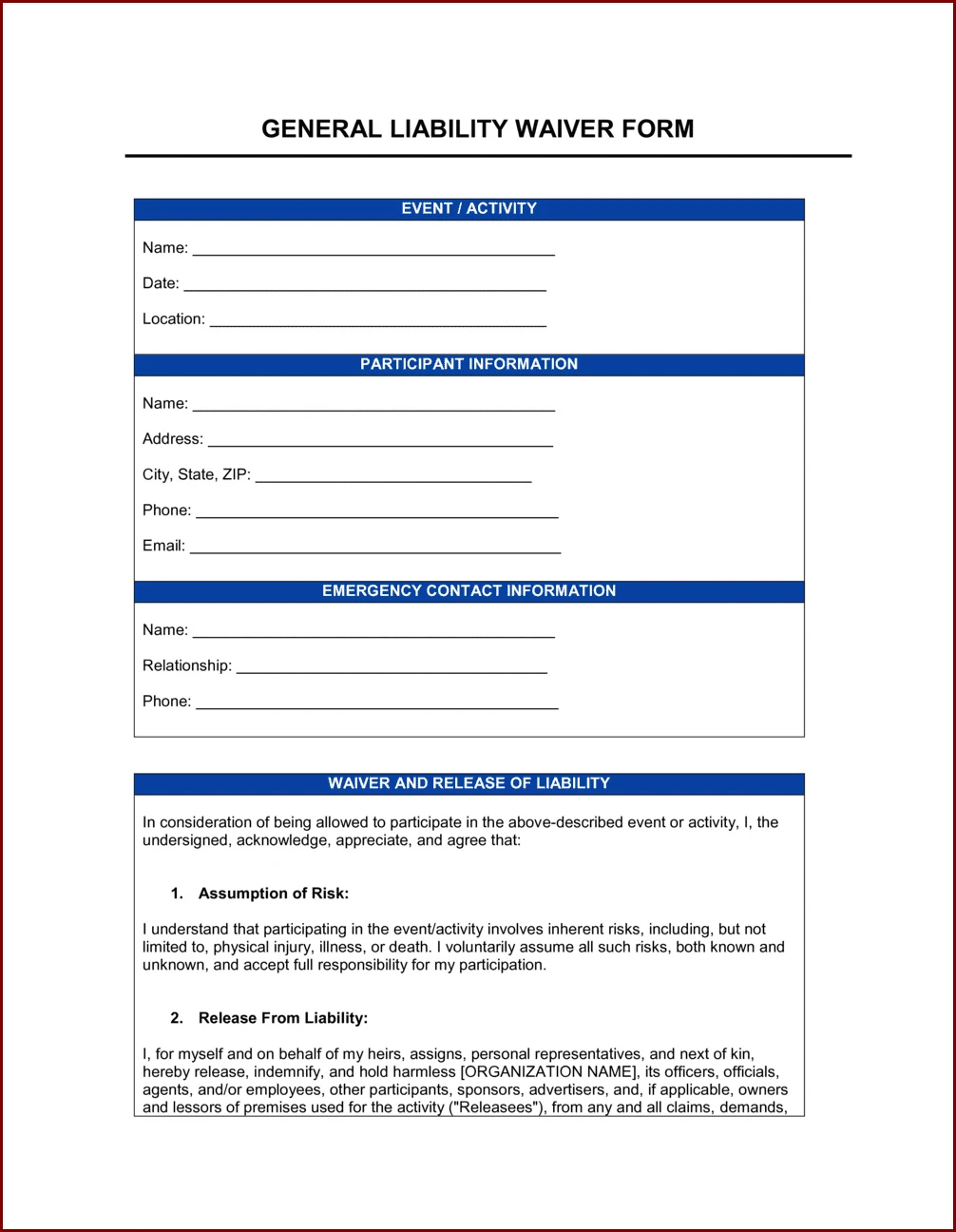
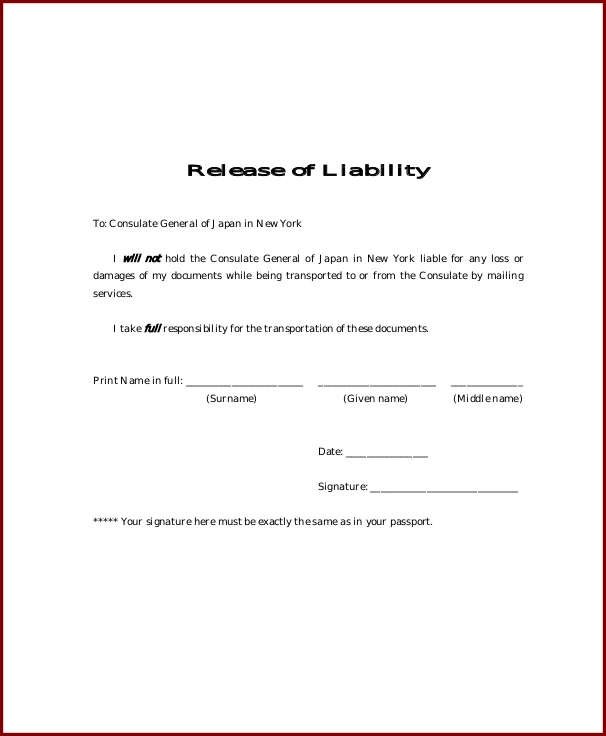
When it comes to protecting yourself or your business from potential legal liabilities, having a general release of liability form in place is crucial. This legal document is designed to release one party from any future claims or lawsuits that may arise from a specific activity or event.
In this comprehensive guide, we will delve into what general release of liability forms are, why they are essential, what to include in them, how to draft one, and provide some tips for using them effectively.
What is a General Release of Liability Form?
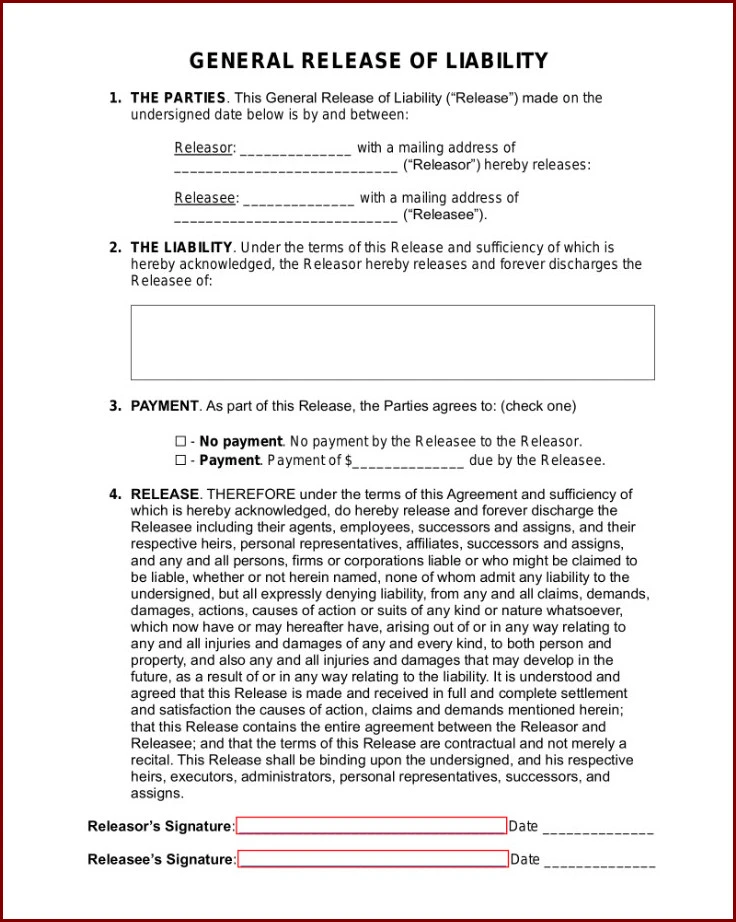
A general release of liability form is a legal document that is used to protect one party (the releasor) from any future claims or lawsuits that may arise from a specific activity or event involving another party (the releasee). By signing this form, the releasor agrees to release the releasee from any liability for injuries, damages, or losses that may occur during the activity or event.
These forms are commonly used in situations such as sports activities, recreational events, volunteer work, and other high-risk activities where there is a potential for accidents or injuries. By signing a general release of liability form, the releasor acknowledges the risks involved in the activity and agrees not to hold the releasee responsible for any harm that may occur.
Why are General Release of Liability Forms Essential?
General release of liability forms are essential for several reasons. Firstly, they help protect businesses and individuals from potential lawsuits that may arise from accidents or injuries during activities or events. By having releasors sign these forms, the releasees can minimize their legal liabilities and avoid costly legal battles.
Secondly, general release of liability forms provide clarity and transparency regarding the risks involved in an activity or event. By outlining the potential dangers and requiring releasors to acknowledge them, these forms help set realistic expectations and prevent misunderstandings or disputes in the future.
What to Include in a General Release of Liability Form
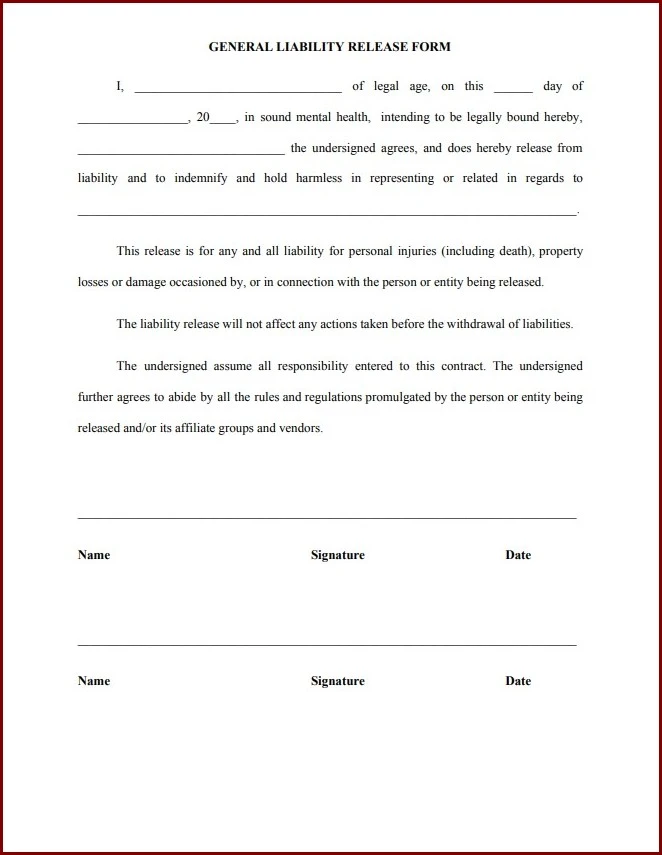
When drafting a general release of liability form, it is essential to include the following key elements:
- Parties involved: Clearly identify the releasor and releasee by their full legal names.
- Activity or event: Specify the activity or event for which the release is being signed.
- Risks and acknowledgments: Outline the potential risks involved in the activity and require the releasor to acknowledge them.
- Release of liability: Clearly state that the releasor is releasing the releasee from any future claims or lawsuits arising from the activity.
- Signature and date: Provide space for the releasor to sign and date the form.
- Witness signature: Optionally, include space for a witness to sign and date the form for added legal protection.
How to Draft a General Release of Liability Form
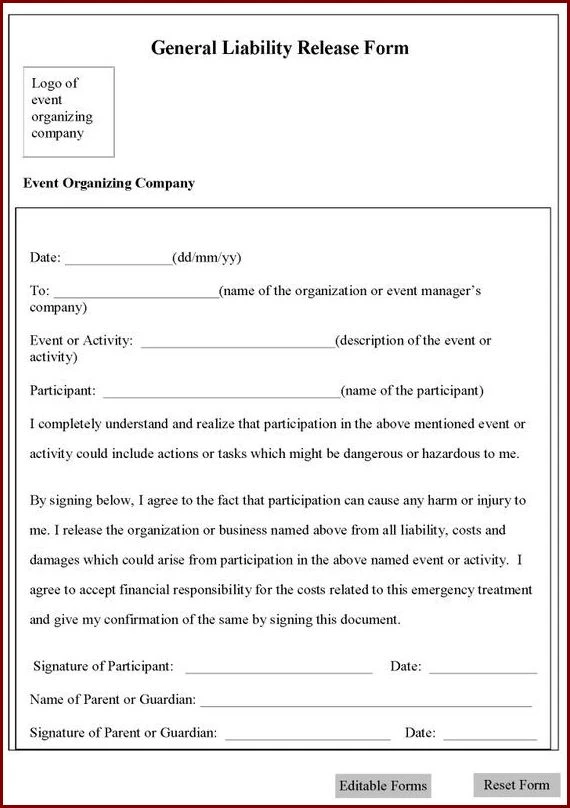
Drafting a general release of liability form can be a straightforward process if you follow these steps:
- Identify the parties: Clearly identify the releasor and releasee by their full legal names and addresses.
- Describe the activity: Provide a detailed description of the activity or event for which the release is being signed.
- Outline the risks: Clearly outline the potential risks and dangers involved in the activity.
- Release of liability language: Include language that clearly states the releasor is releasing the releasee from any future claims or lawsuits.
- Signature and date: Provide space for the releasor to sign and date the form in the presence of a witness if desired.
Tips for Using General Release of Liability Forms Effectively
Here are some tips for using general release of liability forms effectively:
- Be specific: Clearly outline the risks and potential liabilities involved in the activity or event.
- Use plain language: Avoid legal jargon and use simple language that is easy for releasors to understand.
- Consult a lawyer: If you are unsure about the legal implications of a general release of liability form, seek advice from a qualified attorney.
- Keep records: Make sure to keep copies of all signed release forms for your records in case they are needed in the future.
- Update regularly: Review and update your general release of liability forms periodically to ensure they are current and reflect any changes in your activities or events.
General Release of Liability Form – Download
