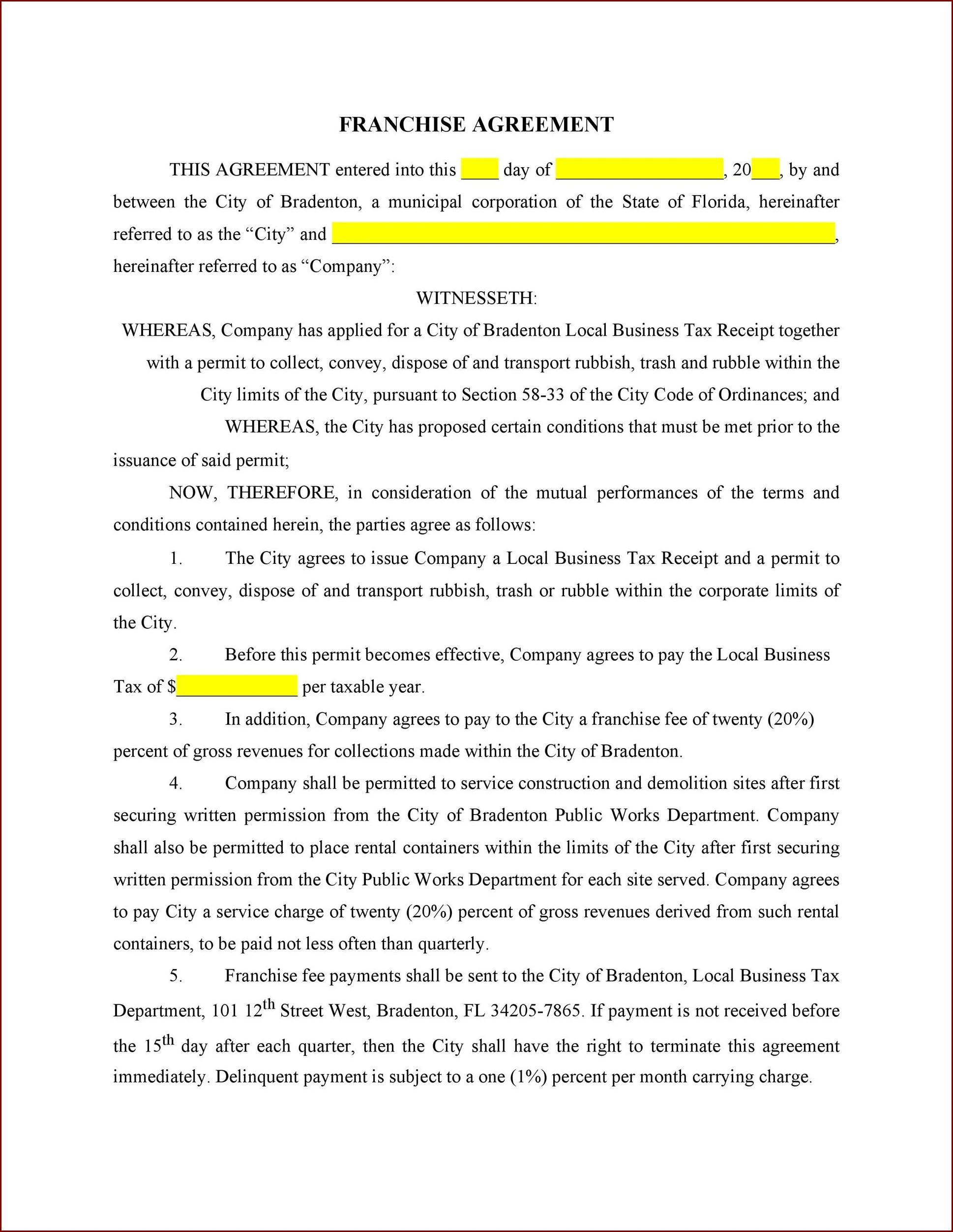
Franchise agreements are legally binding contracts that govern the relationship between a franchisor and a franchisee. These agreements outline the rights and responsibilities of both parties and provide a framework for operating a franchise business. Whether you are thinking about buying a franchise or are already a franchise owner, understanding the key elements of a franchise agreement is essential.
In this comprehensive guide, we will cover everything you need to know about franchise agreements, from what they are to how to negotiate the terms effectively.
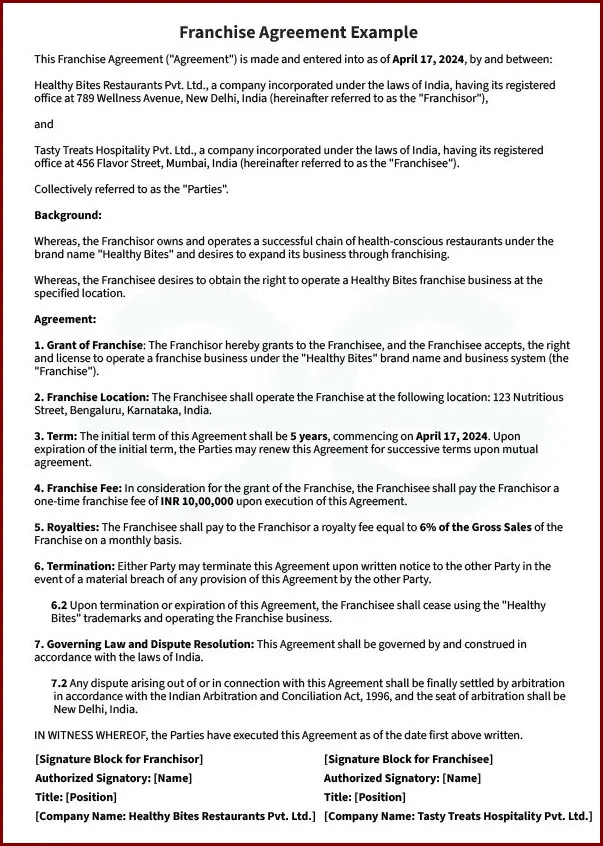
What is a Franchise Agreement?
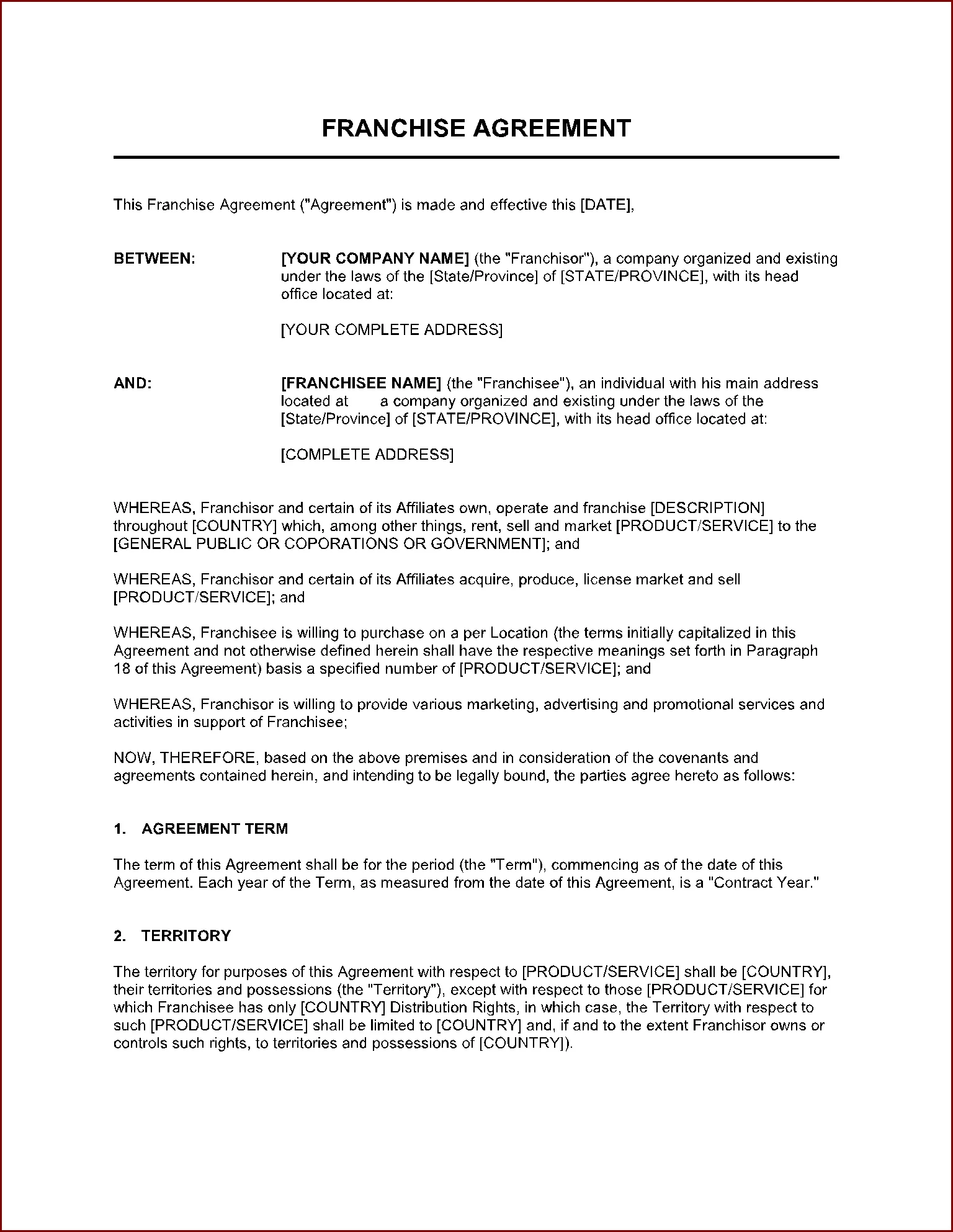
A franchise agreement is a legal document that governs the relationship between a franchisor and a franchisee. It outlines the terms and conditions under which the franchisee is allowed to operate a franchise business using the franchisor’s brand, products, and services. The agreement typically covers key aspects such as the franchise fee, royalties, territorial rights, marketing obligations, training requirements, and dispute-resolution procedures.
Franchise agreements are designed to protect the interests of both parties and ensure that the franchise operates smoothly and according to the franchisor’s standards. The franchisor’s legal team usually drafts these agreements and may vary in length and complexity depending on the nature of the franchise business.
Why are Franchise Agreements Important?
Franchise agreements are essential for establishing a clear understanding between the franchisor and the franchisee. By outlining the rights and responsibilities of both parties, these agreements help prevent misunderstandings and conflicts that could arise during the course of the franchise relationship. A well-drafted franchise agreement can provide guidance on how the franchise business should be operated, how disputes should be resolved, and how the franchisor’s intellectual property should be protected.
For franchisees, signing a franchise agreement means committing to abide by the terms set forth by the franchisor. It also provides them with the opportunity to benefit from the franchisor’s brand recognition, proven business model, and ongoing support. On the other hand, franchisors use franchise agreements to maintain control over their brand and ensure that franchisees adhere to their standards of quality and service.
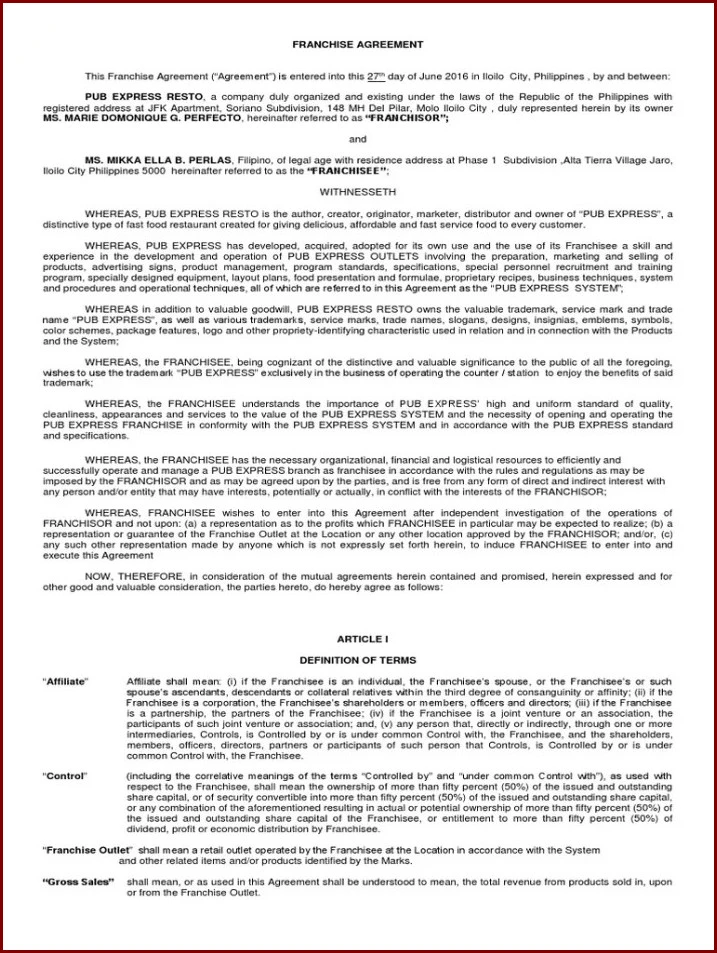
What to Include in a Franchise Agreement
When drafting a franchise agreement, both the franchisor and the franchisee should pay close attention to the following key elements:
- Franchise Fee: The initial fee that the franchisee must pay to the franchisor to acquire the rights to operate a franchise business.
- Royalties: The ongoing fees that the franchisee must pay to the franchisor based on a percentage of sales or profits.
- Territorial Rights: The geographic area in which the franchisee is allowed to operate the franchise business.
- Training and Support: The type and extent of training and support that the franchisor will provide to the franchisee.
- Marketing Obligations: The marketing and advertising requirements that the franchisee must fulfill to promote the franchise business.
- Intellectual Property: The rights and restrictions related to the use of the franchisor’s trademarks, logos, and proprietary information.
- Renewal and Termination: The conditions under which the franchise agreement can be renewed, terminated, or transferred.
How to Negotiate Franchise Agreement Terms Effectively
Negotiating the terms of a franchise agreement can be a complex process that requires careful consideration and preparation. Here are some tips for franchisees on how to negotiate effectively:
- Do Your Homework: Research the franchise industry, the franchisor’s reputation, and the terms of other franchise agreements before entering negotiations.
- Seek Legal Advice: Consult with a franchise attorney who can review the agreement, explain the terms, and identify any potential risks or pitfalls.
- Focus on Mutually Beneficial Terms: Look for ways to create a win-win situation by proposing terms that benefit both parties and foster a positive working relationship.
- Be Open to Compromise: Be willing to negotiate on certain terms while prioritizing those that are most important to you, such as territorial rights or marketing support.
- Get Everything in Writing: Ensure that all agreed-upon terms are clearly outlined in the franchise agreement to avoid misunderstandings or disputes later on.
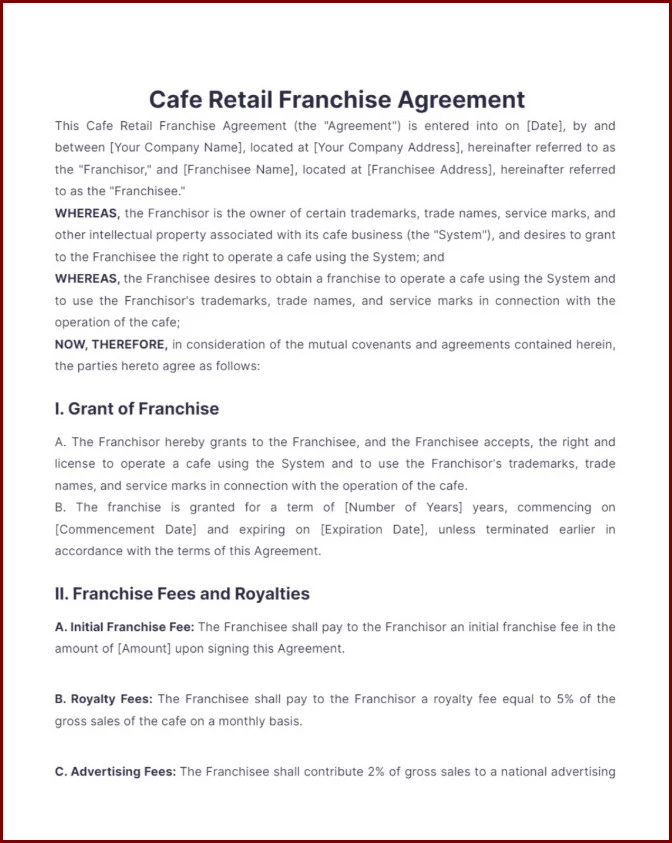
Tips for Franchisees: How to Protect Your Interests
As a franchisee, it is crucial to protect your interests and ensure that the franchise agreement is fair and equitable. Here are some tips to help you safeguard your rights:
- Understand the Terms: Review the franchise agreement carefully and seek clarification on any provisions that you do not understand.
- Seek Professional Advice: Obtain legal and financial advice from experts who specialize in franchise law to help you navigate the agreement effectively.
- Negotiate Wisely: Be prepared to negotiate the terms of the agreement to secure favorable conditions that align with your business goals and expectations.
- Comply with Obligations: Fulfill your obligations under the franchise agreement to maintain a good relationship with the franchisor and ensure the success of your franchise business.
- Stay Informed: Stay informed about changes in the franchise industry, market trends, and regulatory requirements that may impact your franchise business.
Conclusion
In conclusion, franchise agreements play a crucial role in defining the rights and responsibilities of both franchisors and franchisees. By understanding the key elements of a franchise agreement and negotiating the terms effectively, both parties can establish a strong foundation for a successful and mutually beneficial partnership. Whether you are considering buying a franchise or already own one, being well-informed about franchise agreements is essential for ensuring the long-term success of your franchise business.
