Financial reports are essential documents that provide a detailed overview of a company’s financial performance. These reports are crucial for stakeholders, investors, and management to evaluate the financial health and performance of a business. Understanding how to read and analyze financial reports is key to making informed decisions.
In this guide, we will dive into the world of financial reports, exploring what they are, why they are important, what to include, how to interpret them, and tips for effective analysis.
What is a Financial Report?
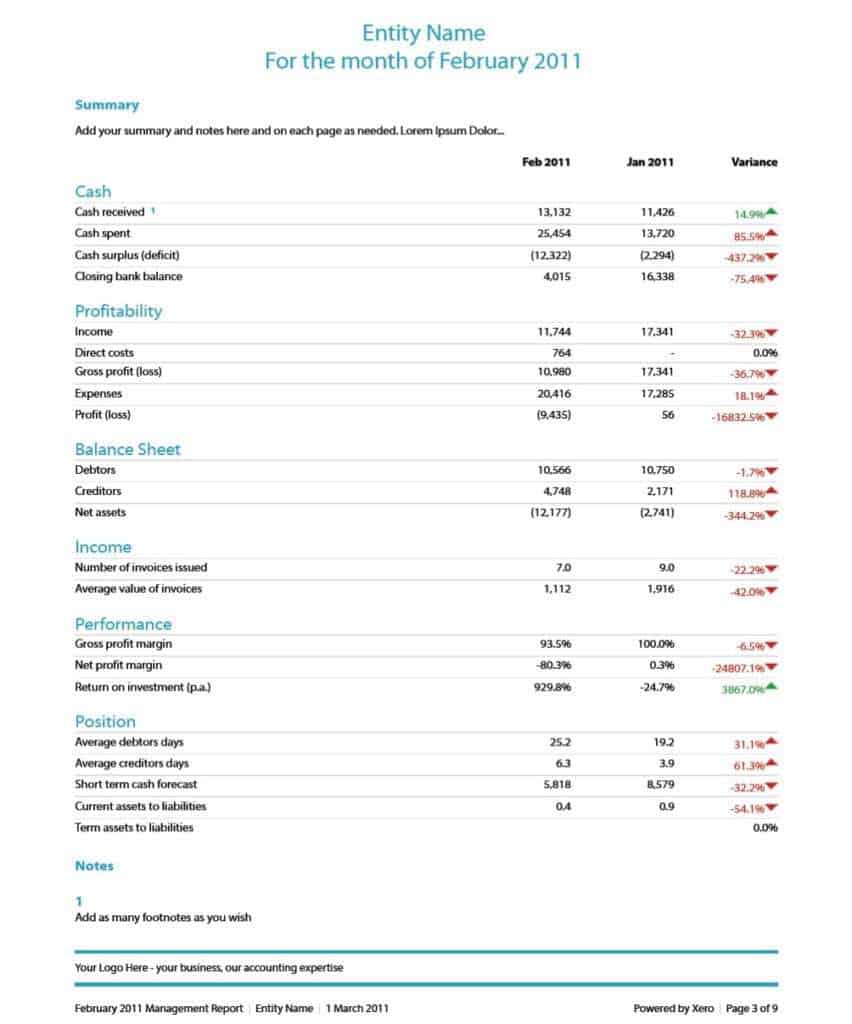
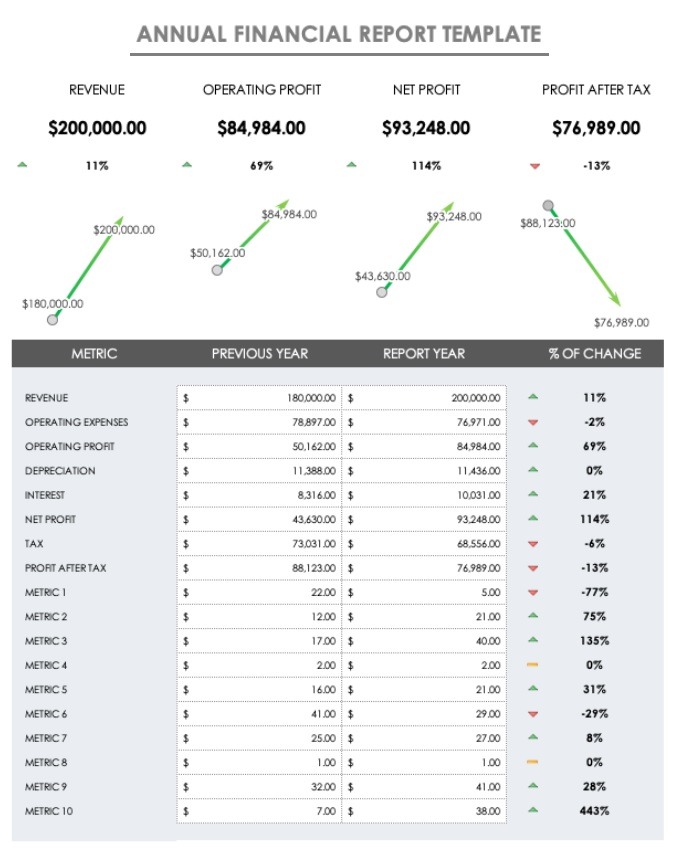
A financial report is a formal record of the financial activities and position of a business, organization, or individual. These reports typically include a balance sheet, income statement, cash flow statement, and statement of changes in equity. The main purpose of a financial report is to provide relevant financial information to external stakeholders, such as investors, creditors, and regulators, to help them make informed decisions.
Financial reports are prepared according to generally accepted accounting principles (GAAP) or international financial reporting standards (IFRS) to ensure consistency and comparability across different organizations. These reports are usually published on a quarterly or annual basis and are subject to audit by external auditors to verify their accuracy and compliance with accounting standards.
Why are Financial Reports Important?
Financial reports play a crucial role in the decision-making process of stakeholders and investors. By analyzing these reports, investors can assess the financial health, performance, and growth potential of a company, which helps them make informed investment decisions. Creditors use financial reports to evaluate the creditworthiness of a business and determine whether to extend credit or loan facilities.
For management, financial reports provide valuable insights into the financial performance of the company, helping them identify areas of improvement, make strategic decisions, and set future goals. Regulators and government agencies also rely on financial reports to ensure compliance with accounting standards and regulations.
What to Include in a Financial Report
A typical financial report consists of several key components that provide a comprehensive overview of a company’s financial position and performance. The main components include:
- Balance Sheet: A snapshot of a company’s assets, liabilities, and equity at a specific point in time.
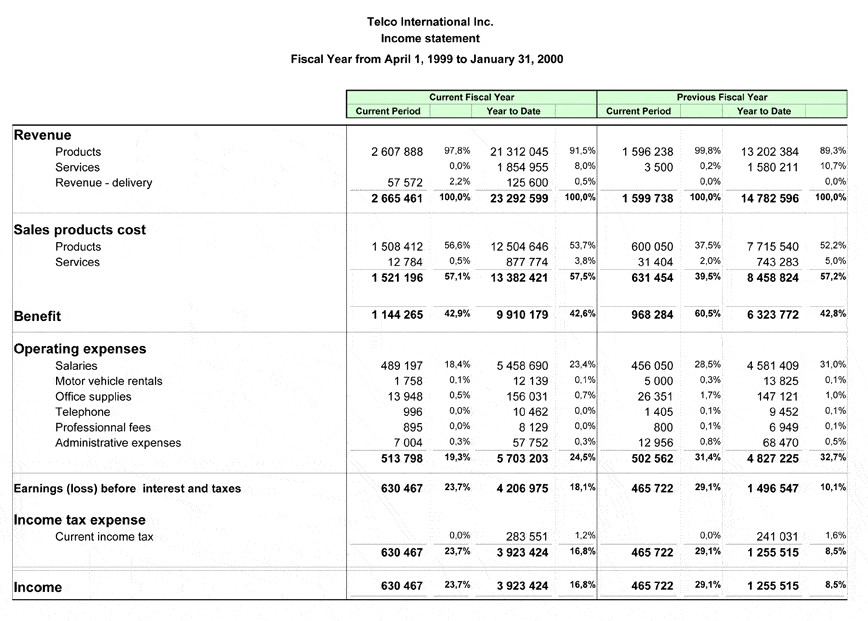
- Income Statement: A summary of a company’s revenues, expenses, and profits over a specific period.
- Cash Flow Statement: A report on the cash inflows and outflows of a company during a specific period.
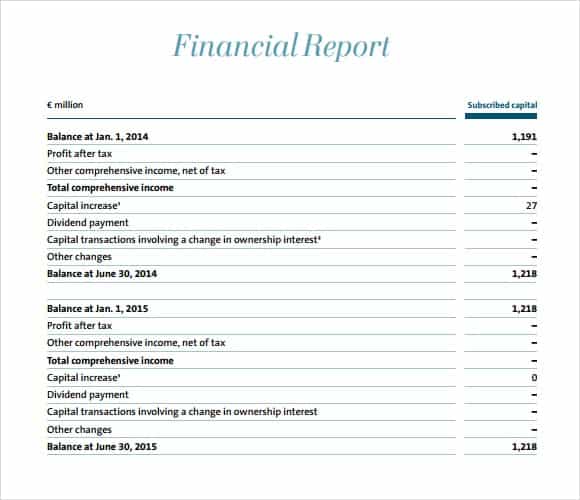
- Statement of Changes in Equity: A summary of the changes in the equity of a company during a specific period.
These components provide a comprehensive view of a company’s financial performance, liquidity, and solvency, enabling stakeholders to make informed decisions.
Examples
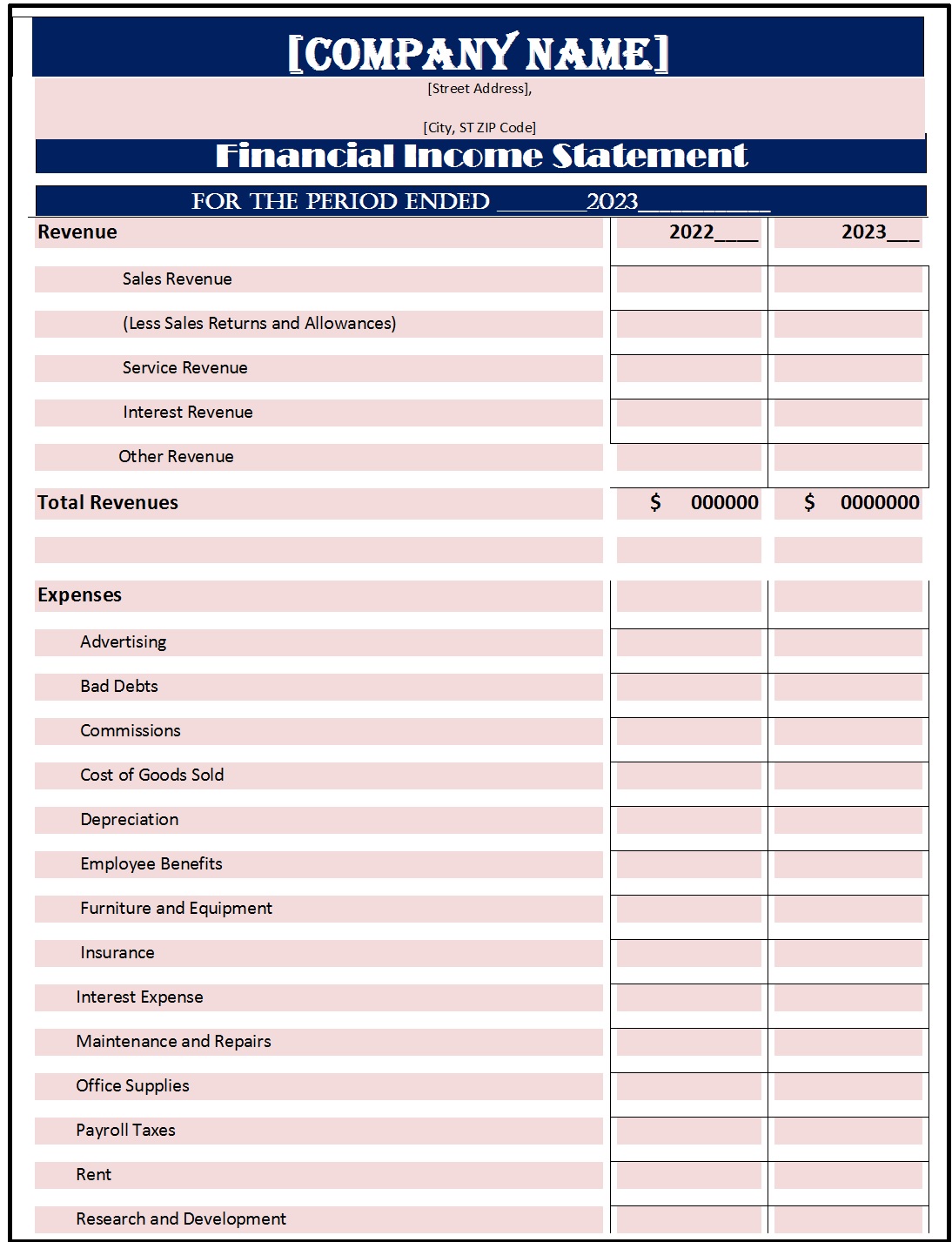
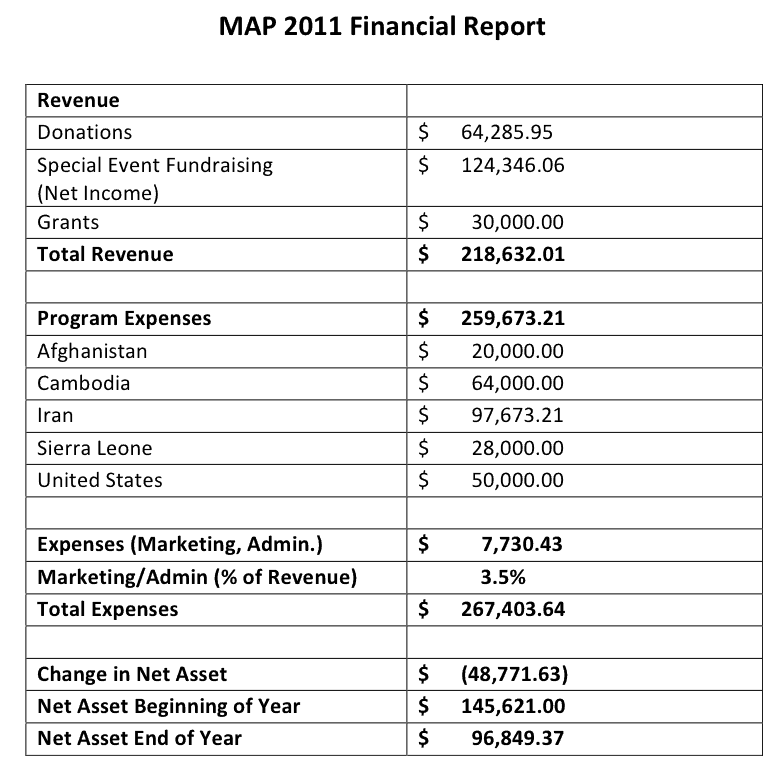
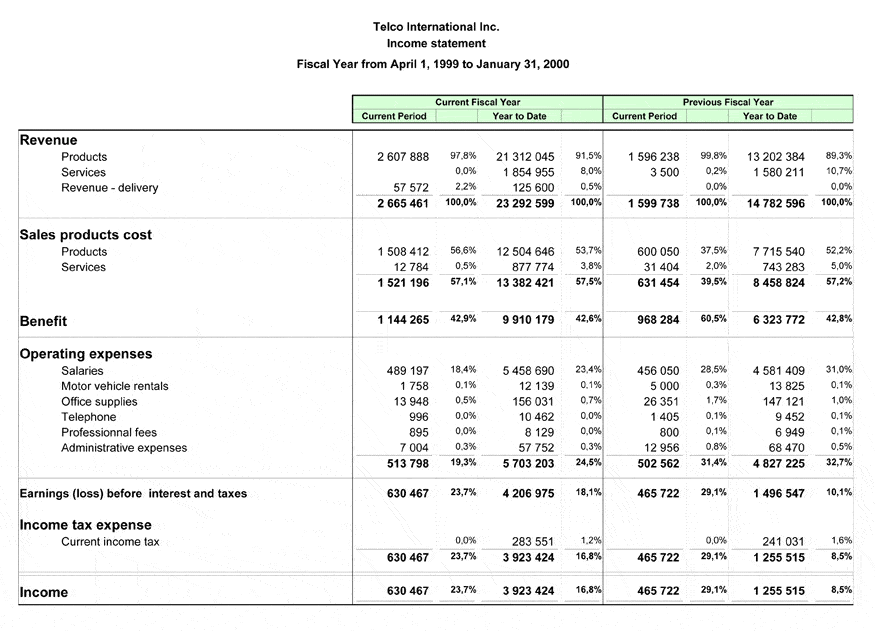
How to Interpret Financial Reports
Interpreting financial reports requires a basic understanding of accounting principles and financial analysis techniques. Here are some key steps to help you interpret financial reports effectively:
1. Review the balance sheet to assess the company’s assets, liabilities, and equity.
2. Analyze the income statement to evaluate the company’s revenue, expenses, and profitability.
3. Examine the cash flow statement to understand the company’s cash flow position and liquidity.
4. Compare the financial performance of the company with industry peers and benchmarks.
5. Look for trends and patterns in the financial data to identify potential risks and opportunities.
6. Consider the quality of earnings and the sustainability of the company’s financial performance.
7. Evaluate the company’s leverage, liquidity, and solvency ratios to assess its financial health.
8. Consider the impact of non-financial factors, such as market conditions and regulatory changes, on the company’s financial performance.
9. Seek professional advice from financial analysts or consultants for a more in-depth analysis of the financial reports.
10. Use financial modeling and forecasting techniques to predict the future financial performance of the company.
Tips for Effective Financial Analysis
Analyzing financial reports can be a complex and time-consuming process, but with the right approach and tools, you can make better-informed decisions. Here are some tips for effective financial analysis:
- Understand the Business: Get to know the industry, market dynamics, and competitive landscape of the company you are analyzing.
- Focus on Key Metrics: Identify the key financial ratios and indicators that are most relevant to the company’s performance and industry benchmarks.
- Use Financial Analysis Tools: Utilize financial analysis software and tools to streamline the analysis process and generate accurate reports.
- Seek Expert Advice: Consult with financial experts, analysts, or advisors to gain valuable insights and perspectives on the financial reports.
- Stay Updated: Keep abreast of the latest accounting standards, regulatory changes, and market trends to ensure your analysis is accurate and up-to-date.
- Consider the Big Picture: Look beyond the numbers and consider the broader economic, political, and social factors that may impact the company’s financial performance.
- Be Objective: Approach financial analysis with an open mind and avoid bias or preconceived notions that may skew your interpretation of the reports.
- Continuous Learning: Stay curious and keep learning about new financial analysis techniques, tools, and best practices to enhance your skills and knowledge.
In conclusion, financial reports are invaluable tools for stakeholders, investors, and management to assess the financial performance and health of a company. By understanding how to read and analyze financial reports effectively, you can make informed decisions and navigate the complex world of finance with confidence.
