Family tree charts are powerful tools that help individuals trace their ancestral roots and understand the intricate connections within their family. These visual representations provide a clear overview of relationships, lineage, and generations, making it easier to uncover hidden stories and shared histories. Whether you are a genealogy enthusiast or simply curious about your heritage, creating a family tree chart can be a rewarding and enlightening experience.
In this article, we will delve into the world of family tree charts, exploring their significance, types, and how to create one effectively.
What are Family Tree Charts?
Family tree charts, also known as pedigree charts or ancestry charts, are diagrams that display the relationships among individuals in a family. These charts typically include names, birth dates, marriage dates, and death dates of family members, organized in a hierarchical structure to show parent-child relationships across multiple generations. Family tree charts can vary in complexity, from simple designs with direct lines of descent to intricate layouts with multiple branches and extended relatives.
Family tree charts serve as visual aids in genealogical research, allowing individuals to organize and analyze information about their ancestors in a systematic manner. By mapping out familial connections and documenting vital details, these charts help individuals piece together their family history and gain a deeper understanding of their heritage.
Why Create a Family Tree Chart?
Family tree charts offer a host of benefits for those interested in exploring their roots and preserving family history. Here are some compelling reasons to create a family tree chart:
1. Preserving Heritage: Family tree charts provide a tangible record of your family’s legacy, ensuring that valuable information about ancestors and relatives is not lost over time.
2. Discovering Connections: By visually representing familial relationships, family tree charts reveal connections between generations and branches of the family tree, shedding light on shared traits, traditions, and stories.
3. Researching Ancestry: Family tree charts serve as a roadmap for genealogical research, guiding individuals in uncovering new information about their ancestors, including migration patterns, occupations, and historical events.
4. Building Identity: Understanding one’s family history and cultural background through a family tree chart can foster a sense of identity, belonging, and pride in one’s heritage.
5. Sharing Stories: Family tree charts facilitate the sharing of family stories, traditions, and memories across generations, fostering connections and strengthening familial ties.
6. Honoring Ancestors: Creating a family tree chart is a meaningful way to honor the legacy of ancestors, preserving their stories and contributions for future generations to appreciate.
What to Include in a Family Tree Chart
When creating a family tree chart, it is essential to include key information that will help you accurately document and visualize your family history. Here are some essential elements to include in your family tree chart:
- Names: Include the full names of family members, including maiden names for women.
- Dates: Record birth dates, marriage dates, and death dates for each individual, if known.
- Locations: Note the birthplaces, marriage locations, and death locations of family members.
- Relationships: Clearly indicate parent-child relationships, marriages, and other connections between family members.
- Photos: Incorporate photographs of family members to personalize your family tree chart and bring ancestors to life.
Examples
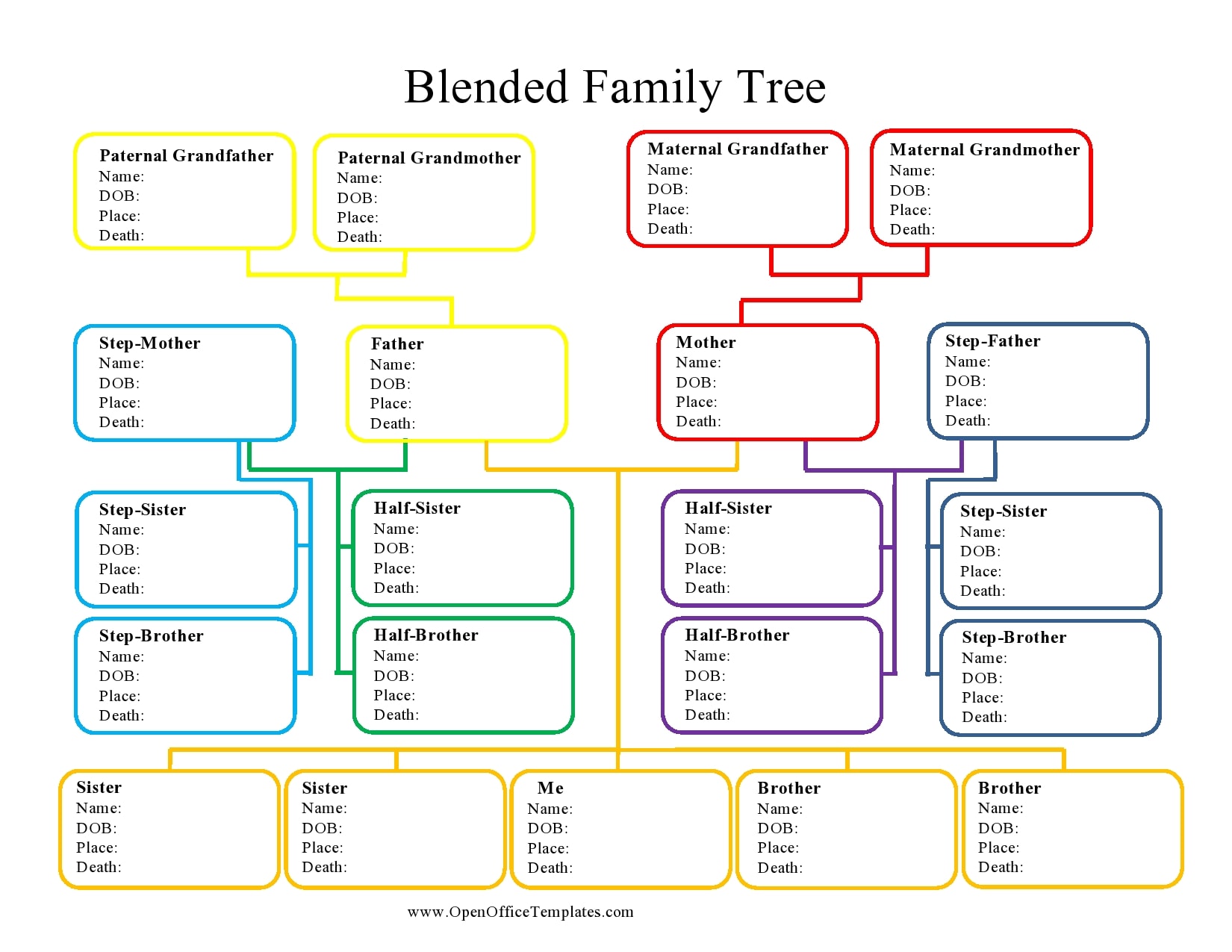
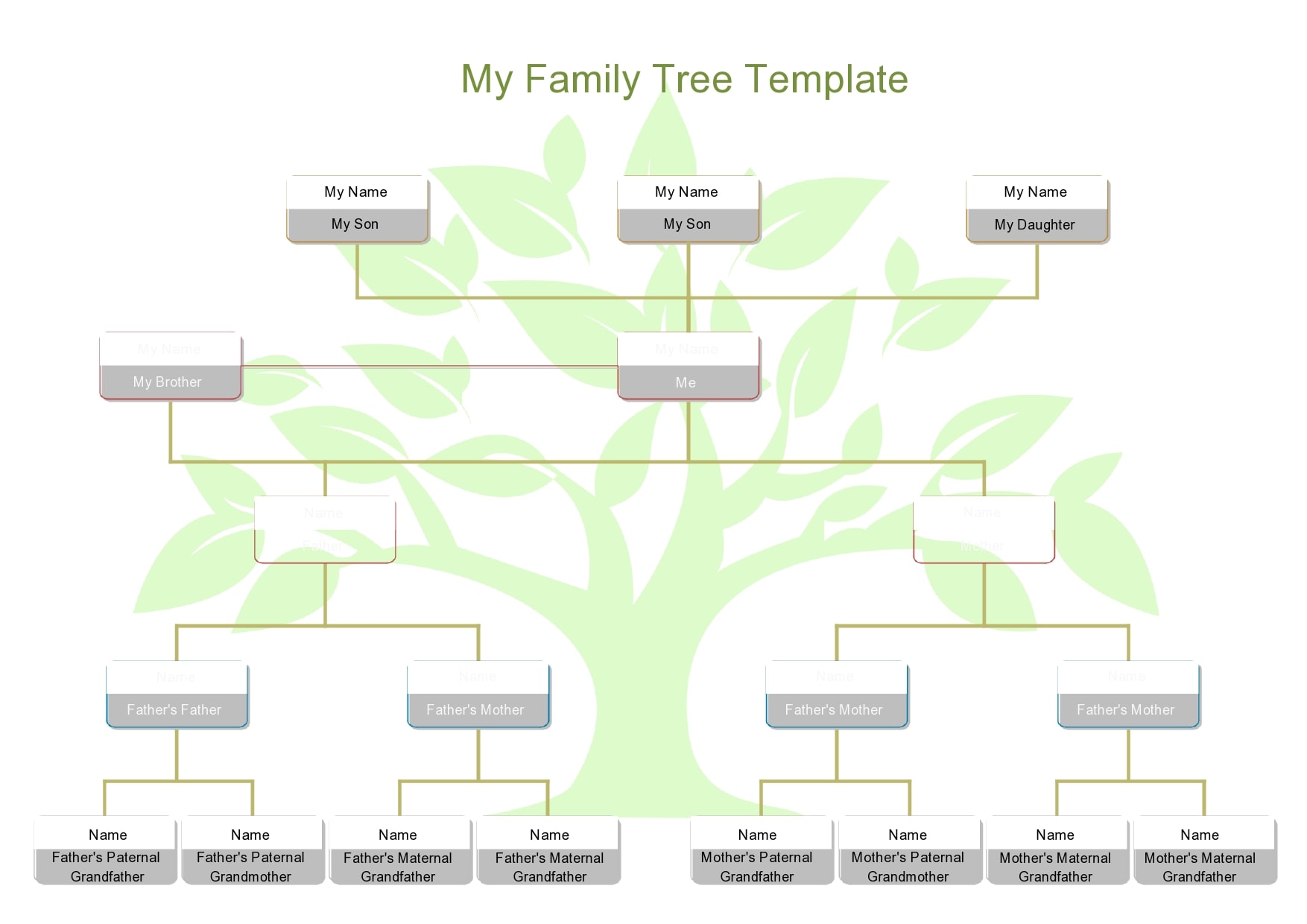
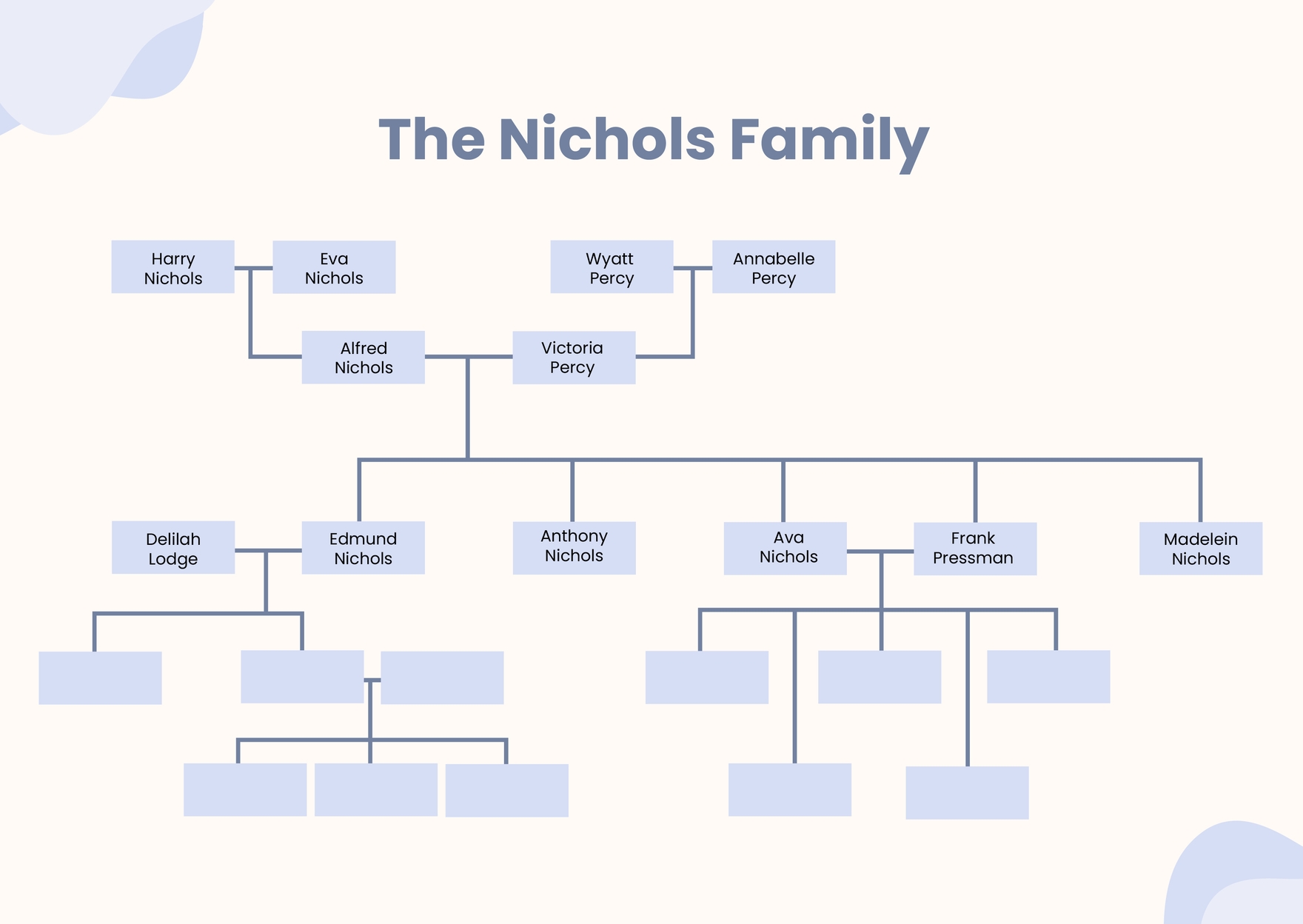
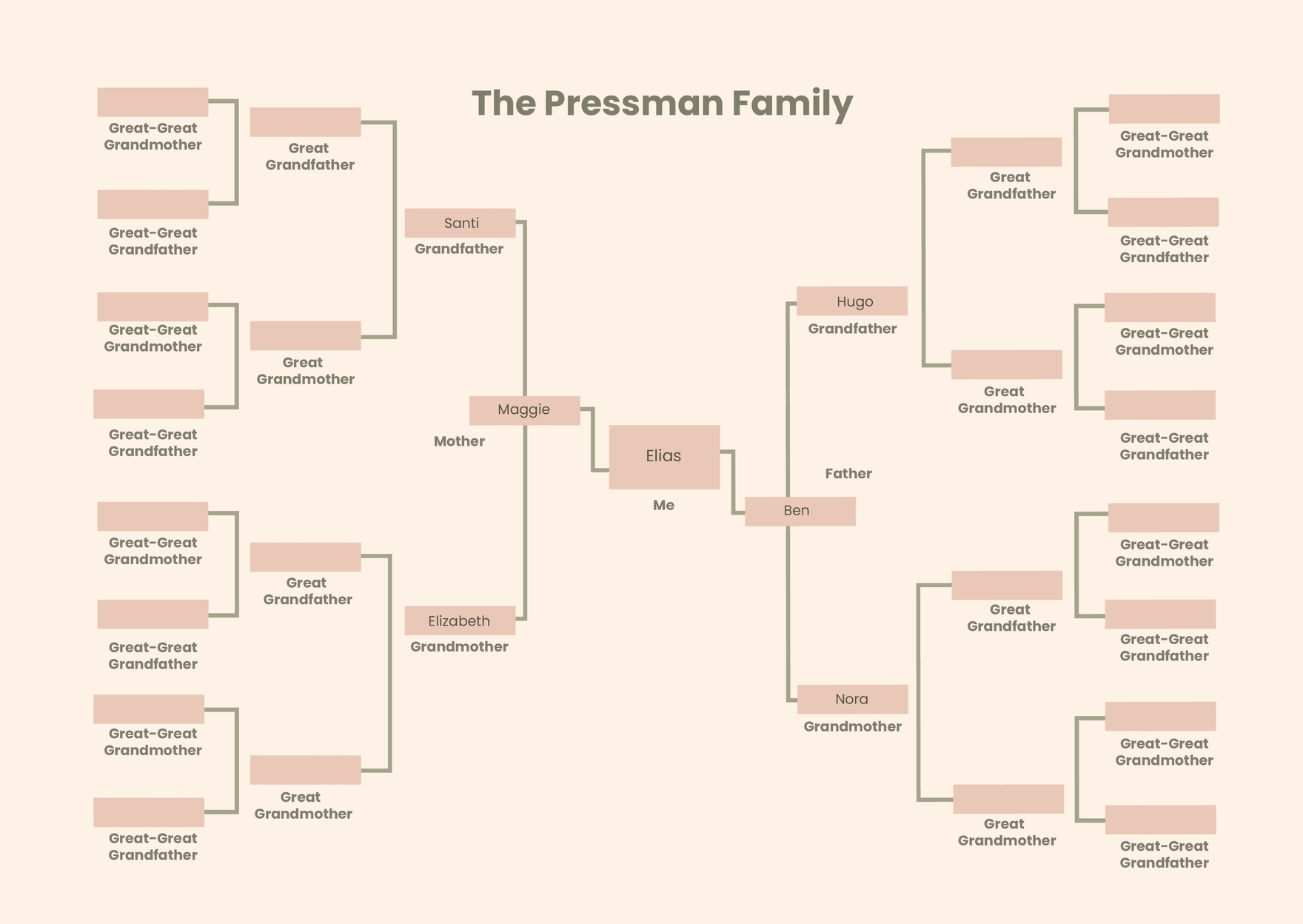
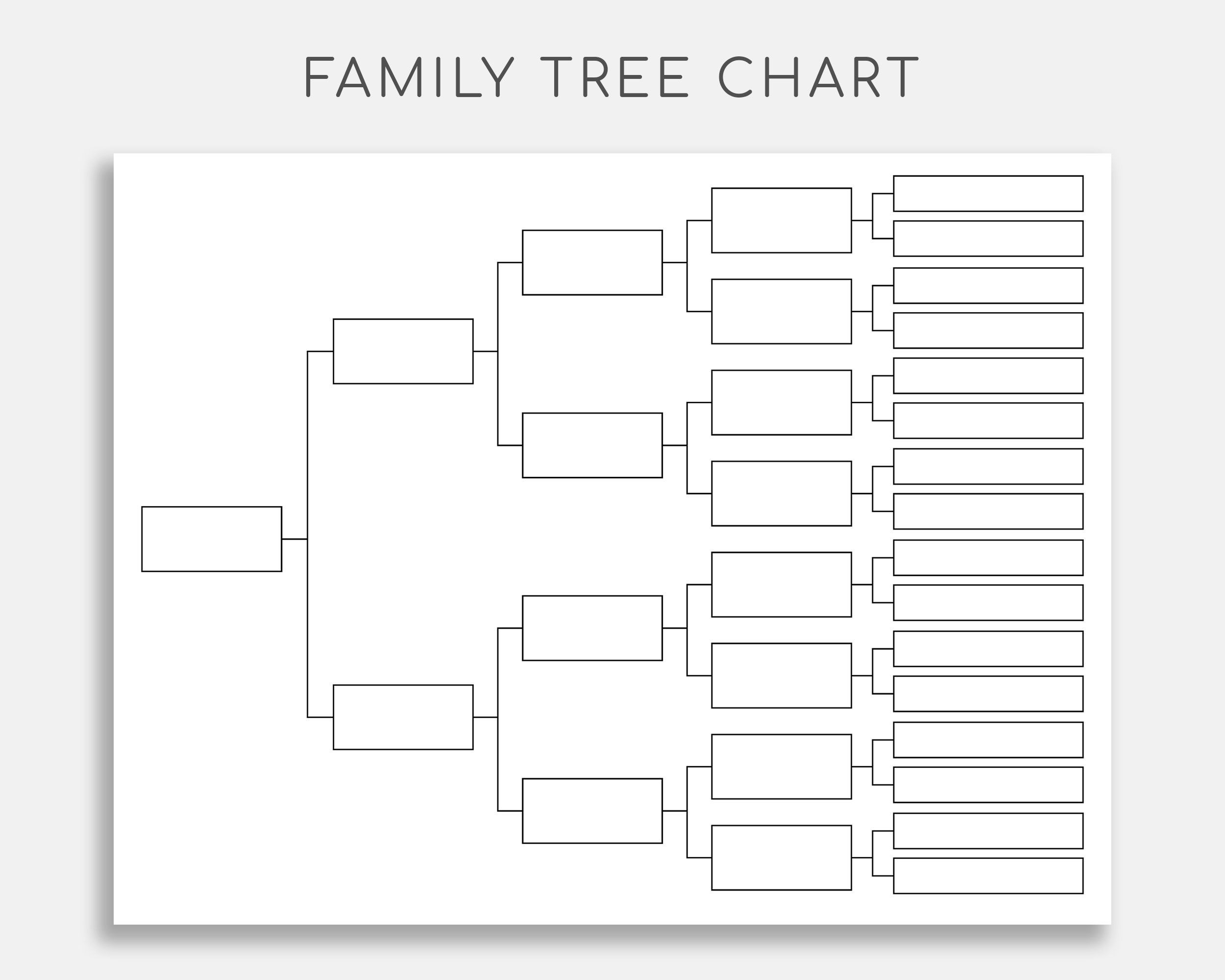
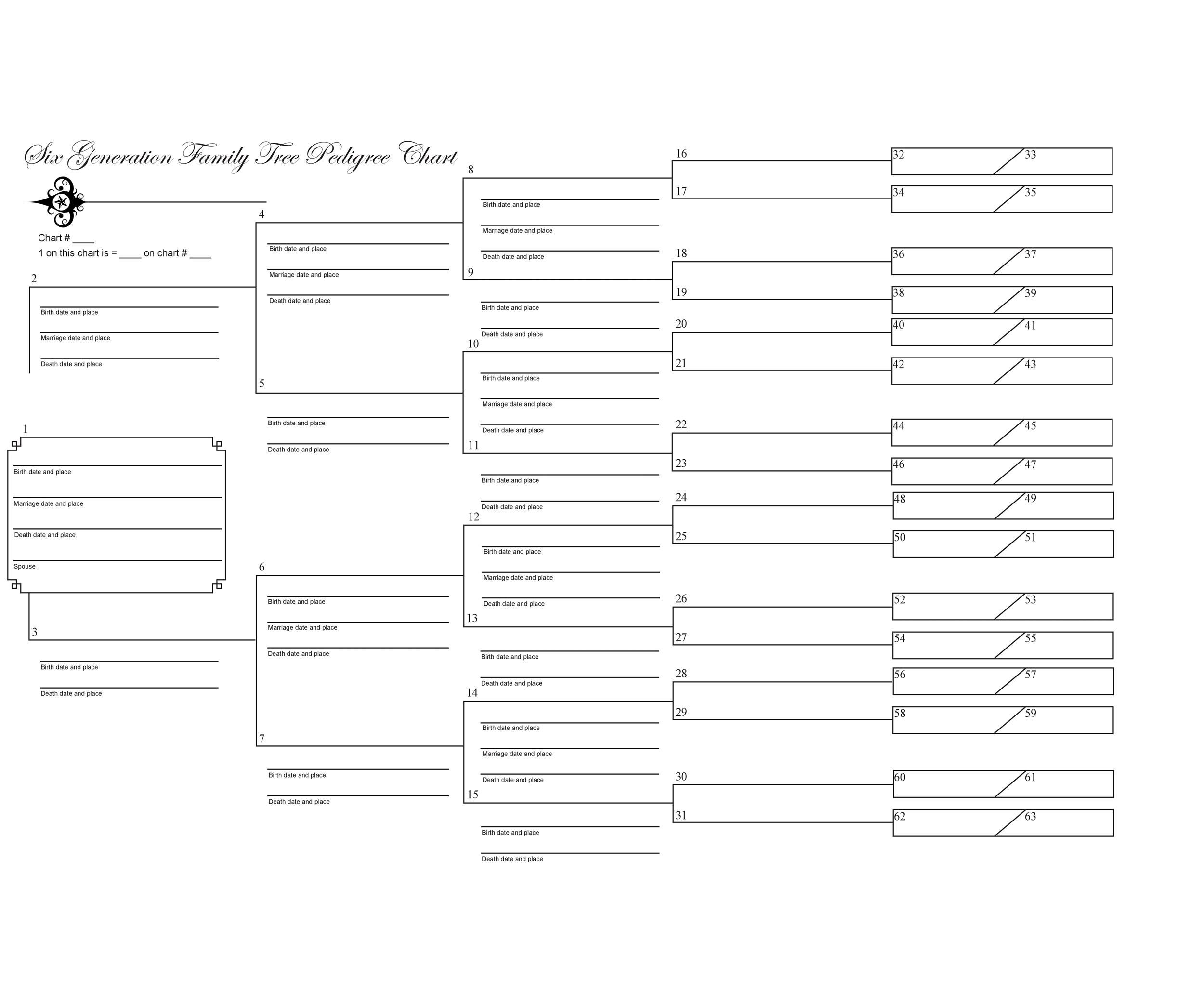
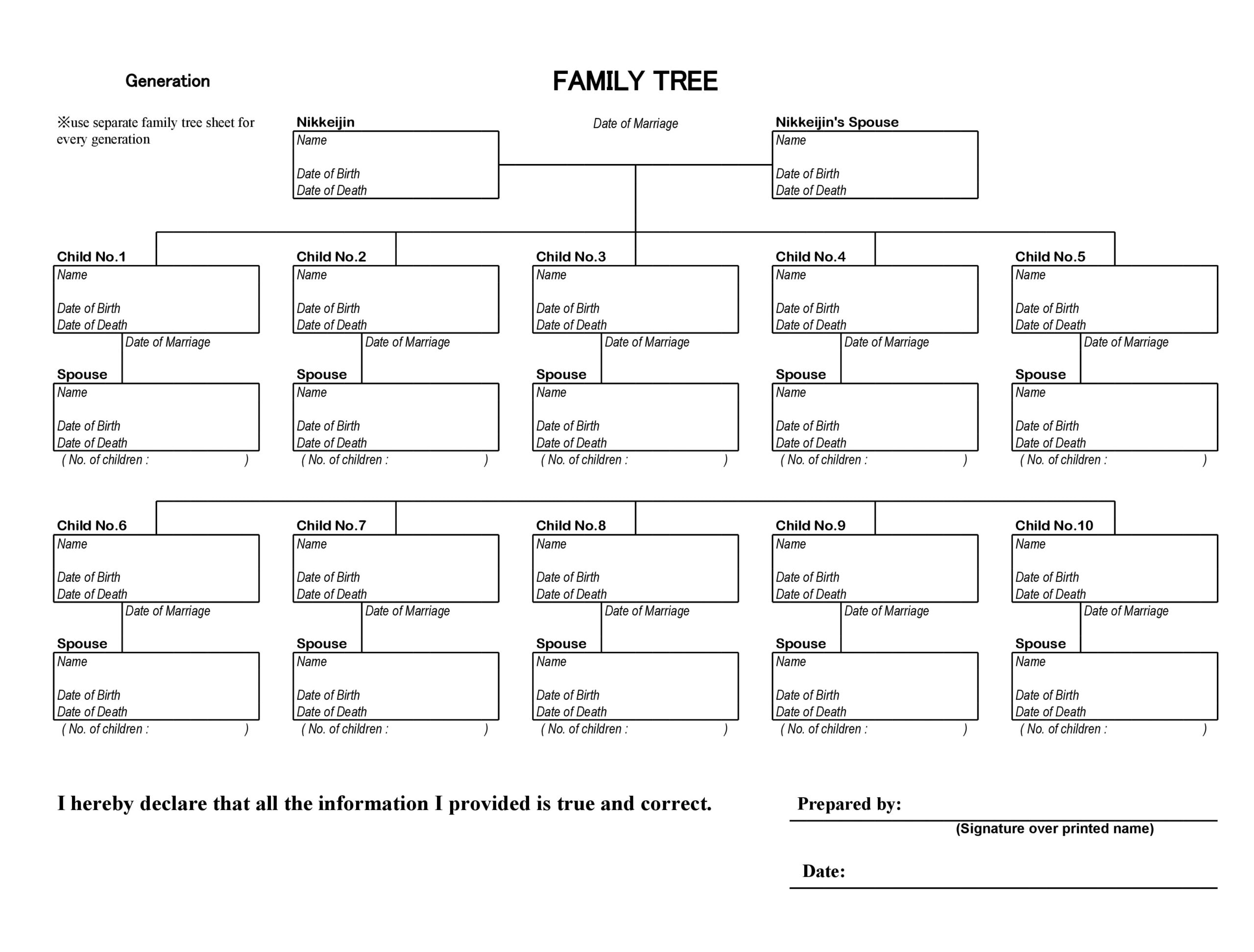
How to Create a Family Tree Chart
Creating a family tree chart can be a fulfilling and creative process that allows you to explore your heritage and connect with your ancestors. Here are some steps to help you create a family tree chart:
1. Start with Yourself: Begin by documenting your own vital information, such as your full name, birth date, and place of birth.
2. Gather Family Information: Reach out to relatives to collect details about ancestors, such as names, dates, and locations. Utilize family records, photos, and documents for additional information.
3. Choose a Format: Select a format for your family tree chart, whether it’s a traditional pedigree chart, a fan chart, or a digital interactive chart.
4. Organize Information: Arrange family members in a logical hierarchy, starting with yourself at the base and expanding upwards to parents, grandparents, and beyond.
5. Add Details: Include key information about each family member, such as birth dates, marriage dates, and significant events or anecdotes.
6. Customize Your Chart: Personalize your family tree chart with design elements, colors, and symbols that reflect your family’s heritage and personality.
7. Review and Update: Regularly review and update your family tree chart as you uncover new information or make connections with distant relatives.
Tips for Creating a Stunning Family Tree Chart
To create a visually appealing and informative family tree chart, consider the following tips:
- Keep It Simple: Opt for a clean and easy-to-read design that highlights the relationships and connections between family members.
- Use Color Coding: Assign different colors to branches of the family tree to distinguish between paternal and maternal lineages or generations.
- Add Context: Include brief biographical information or historical context for key ancestors to provide a deeper understanding of their lives.
- Embrace Technology: Explore online family tree tools and software to create interactive and shareable family tree charts with dynamic features.
- Engage Family Members: Involve relatives in the process of creating the family tree chart, encouraging them to share stories, photos, and memories to enrich the chart.
- Preserve and Share: Make digital and physical copies of your family tree chart to preserve your research and share it with future generations.
Conclusion
In conclusion, family tree charts are invaluable resources for exploring family history, preserving heritage, and connecting with ancestors. By creating a family tree chart, you can unravel the threads of your past, uncover hidden stories, and celebrate the rich tapestry of your lineage. Whether you are embarking on a genealogical journey or simply curious about your roots, a family tree chart can be a meaningful and enlightening project that deepens your understanding of who you are and where you come from. Start your family tree chart today and embark on a fascinating exploration of your family’s past.
