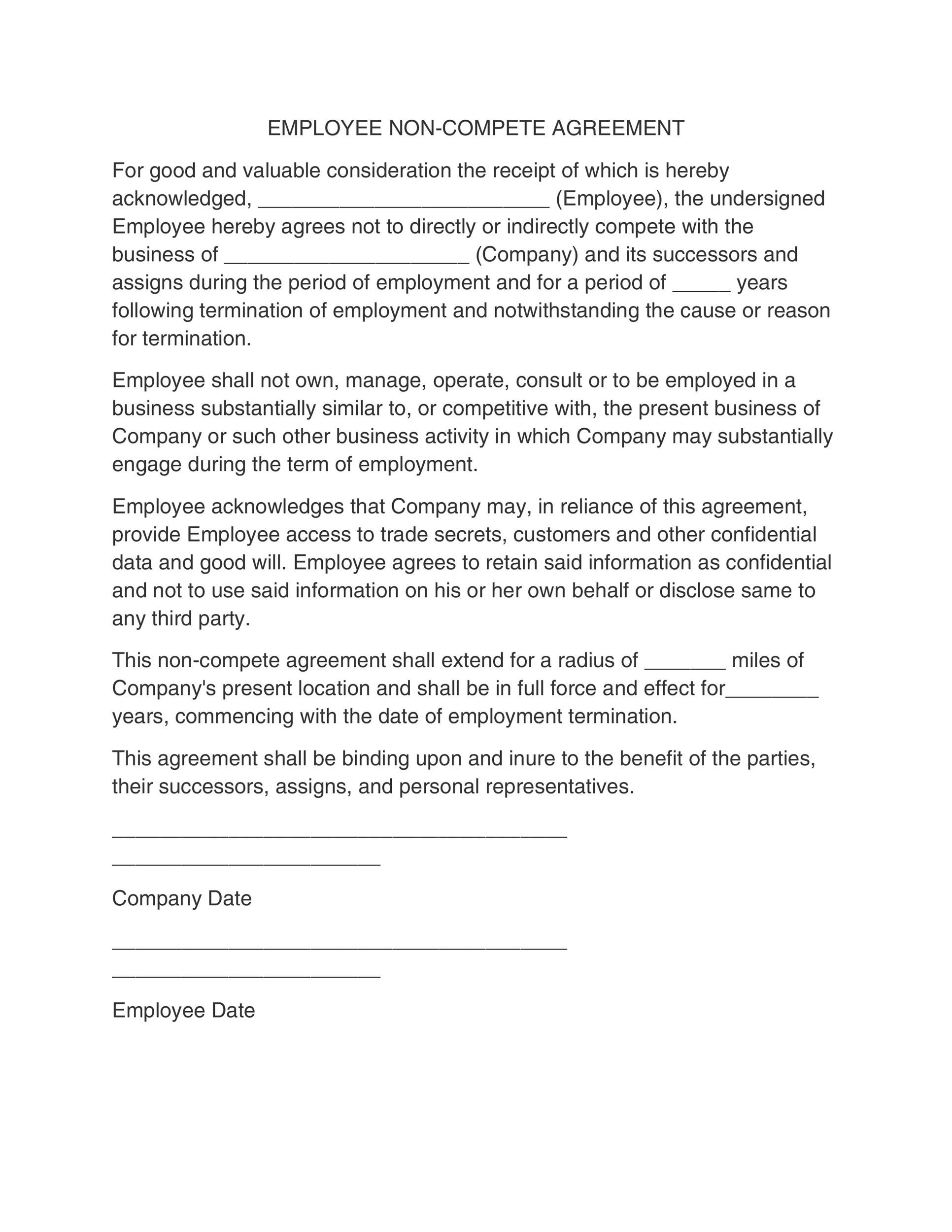
Non-compete agreements have become a common practice in today’s competitive job market. Employers often require employees to sign these agreements to protect their business interests. But what exactly is a non-compete agreement and how does it work? In this article, we will delve into the details of non-compete agreements, why they are used, what to include in these agreements, how to navigate them, and some tips for successfully handling them.
What Is a Non-Compete Agreement?
A non-compete agreement, also known as a covenant not to compete, is a contract between an employer and an employee in which the employee agrees not to enter into competition with the employer during or after their employment. These agreements typically specify a certain period of time and geographic location in which the employee is prohibited from working for a competitor or starting a competing business.
Non-compete agreements are designed to protect the employer’s business interests, such as trade secrets, client lists, and specialized knowledge. They prevent employees from taking valuable information and using it to benefit a competitor or start their own competing venture.
- Protection of trade secrets: Non-compete agreements help employers protect confidential information and trade secrets from being shared with competitors.
- Retention of clients: By preventing employees from working for competitors, employers can retain their client base and prevent them from being poached.
- Preservation of specialized knowledge: Employers can safeguard their specialized knowledge and expertise by restricting employees from using it for a competing business.
Why Are Non-Compete Agreements Used?
Non-compete agreements are used by employers to safeguard their business interests and maintain a competitive edge in the market. These agreements are especially common in industries where proprietary information and client relationships are crucial to the success of the business, such as technology, healthcare, and finance.
Employers invest time and resources in training and developing their employees, and non-compete agreements help ensure that this investment is protected. By restricting employees from working for competitors, employers can prevent them from taking advantage of the knowledge and skills acquired during their employment.
What to Include in a Non-Compete Agreement
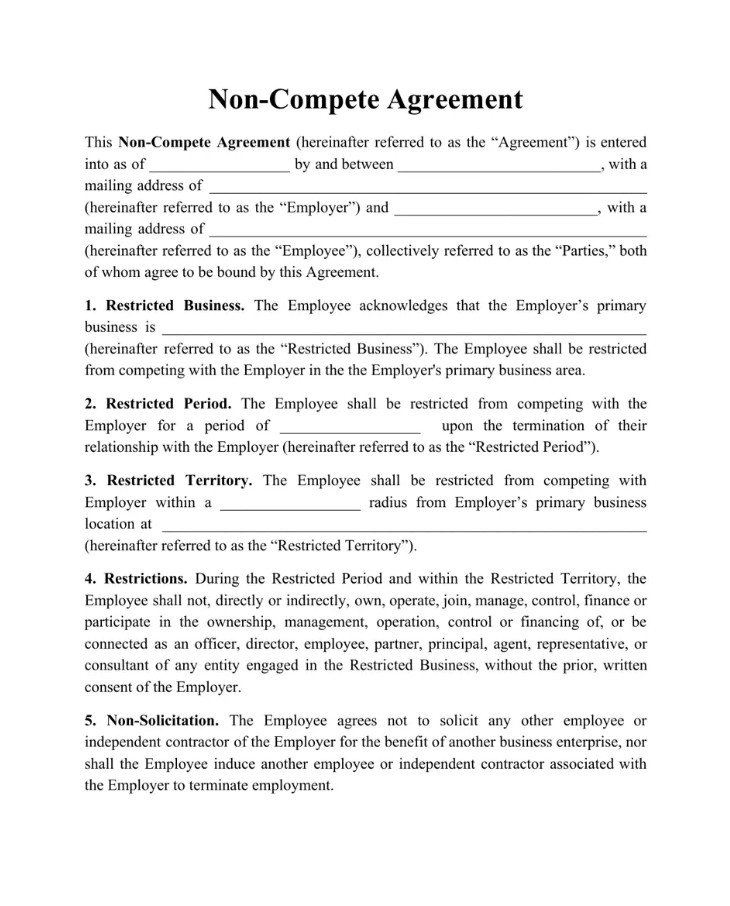
When drafting a non-compete agreement, it is important to include specific details to make the agreement enforceable and effective. Here are some key elements to consider including in a non-compete agreement:
- Duration: Specify the period of time during which the employee is restricted from competing with the employer.
- Geographic scope: Define the geographic area within which the employee is prohibited from engaging in competitive activities.
- Scope of activities: Clearly outline the type of activities that are considered competitive and prohibited under the agreement.
- Consideration: Provide some form of consideration, such as compensation or benefits, in exchange for the employee’s agreement to the restrictions.
How to Navigate Non-Compete Agreements
Navigating non-compete agreements can be tricky, especially for employees who are looking to change jobs or start their own business. It is important to carefully review the terms of the agreement before signing it and seek legal advice if needed. Here are some tips for successfully navigating non-compete agreements:
- Read the agreement carefully: Review the terms of the agreement and understand the restrictions imposed on you as an employee.
- Consult with a lawyer: If you have any questions or concerns about the agreement, seek advice from a legal professional who specializes in employment law.
- Negotiate the terms: If you feel that the restrictions are too broad or unreasonable, try to negotiate with your employer to modify the terms of the agreement.
Tips for Successful Handling of Non-Compete Agreements
Successfully handling non-compete agreements requires careful planning and consideration. Here are some tips to help you navigate non-compete agreements effectively:
1. Understand the terms:
It is important to fully understand the terms of the non-compete agreement before signing it. Make sure you are aware of the restrictions and how they may impact your future career opportunities.
2. Seek legal advice:
If you are unsure about the terms of the agreement or need clarification on any points, consult with a lawyer who can provide guidance and advice on how to proceed.
3. Plan ahead:
If you are considering changing jobs or starting your own business, take into account the restrictions imposed by the non-compete agreement and plan accordingly.
4. Keep copies of documents:
Keep copies of all documents related to the non-compete agreement, including the signed agreement, any correspondence with your employer, and legal advice received.
5. Comply with the terms:
Once you have signed a non-compete agreement, make sure to comply with the terms and restrictions outlined in the agreement to avoid any legal implications.
6. Stay informed:
Stay informed about the laws and regulations governing non-compete agreements in your jurisdiction to ensure that your rights are protected and upheld.
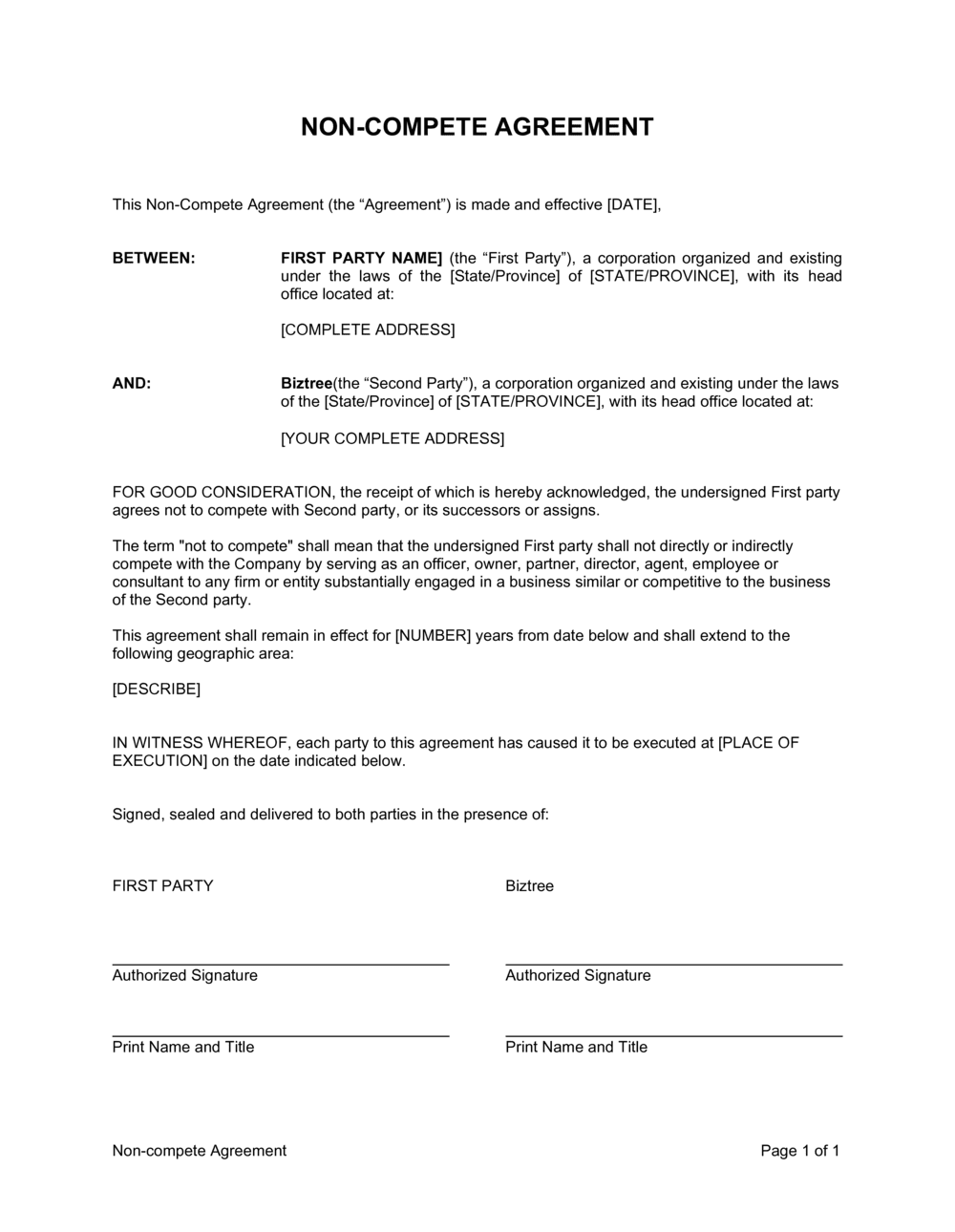
In conclusion, non-compete agreements play a vital role in protecting the interests of employers and maintaining a competitive business environment. By understanding the purpose of these agreements, knowing what to include in them, and following the tips for successful handling, employees can navigate non-compete agreements effectively and ensure compliance with the terms.
Non-Compete Agreement Template
