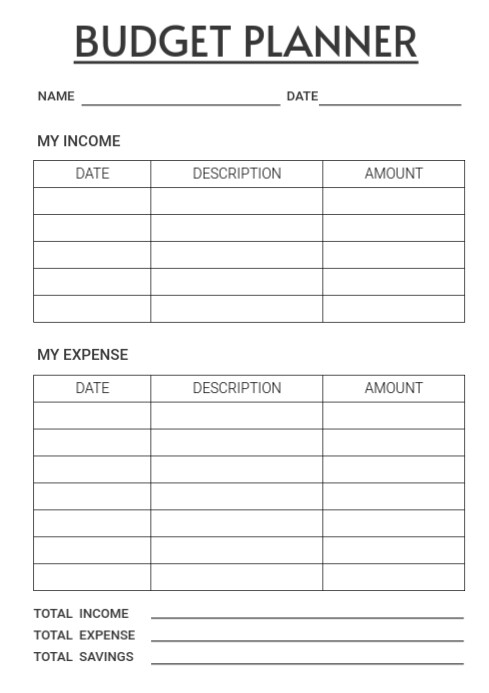
Money management is a crucial aspect of personal finances that often gets overlooked. Keeping track of your income, expenses, savings, and investments can be a daunting task, but with the help of a money management worksheet, you can organize your financial life and make better decisions with your money. In this article, we’ll explore what money management worksheets are, why they are important, what to include in them, how to use them effectively, and tips for successful money management.
What is a Money Management Worksheet?
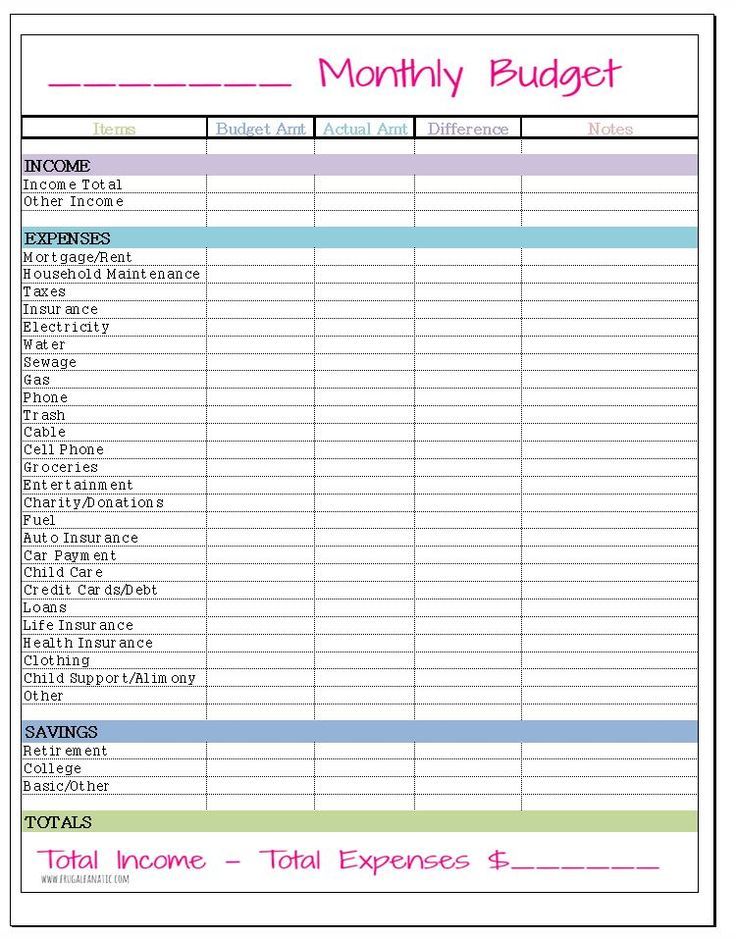
A money management worksheet is a tool used to track and manage your finances. It typically includes sections for your income, expenses, savings, investments, debt, and financial goals. By filling out a money management worksheet regularly, you can get a better understanding of where your money is going, identify areas where you can cut back on spending, set financial goals, and track your progress towards achieving them.
Why Use a Money Management Worksheet?
Money management worksheets are essential for anyone looking to take control of their finances. By keeping track of your income and expenses, you can create a budget that works for you, identify any financial leaks, and make informed decisions about your spending. In addition, money management worksheets can help you save for future goals, such as buying a house, going on vacation, or retiring comfortably.
What to Include in a Money Management Worksheet
When creating a money management worksheet, it’s important to include the following sections:
- Income: List all sources of income, including wages, bonuses, investments, and any other money coming in.
- Expenses: Track all your expenses, including fixed costs like rent and utilities, as well as variable costs like groceries and entertainment.
- Savings: Set aside a portion of your income for savings, emergency funds, and long-term goals.
- Debt: Keep track of any outstanding debts, such as credit card balances, student loans, and car payments.
- Financial Goals: Define your short-term and long-term financial goals, such as buying a house, starting a business, or saving for retirement.
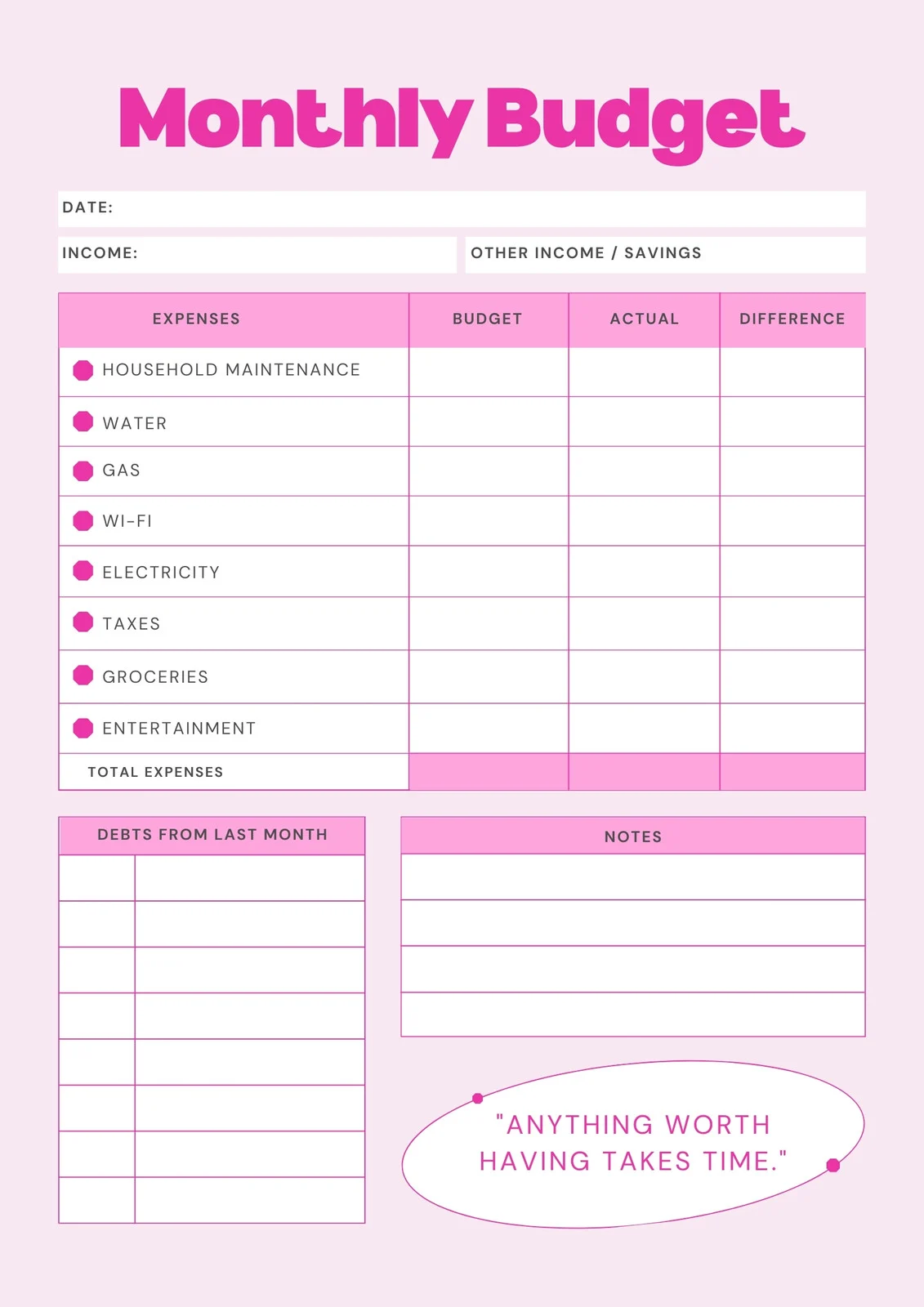
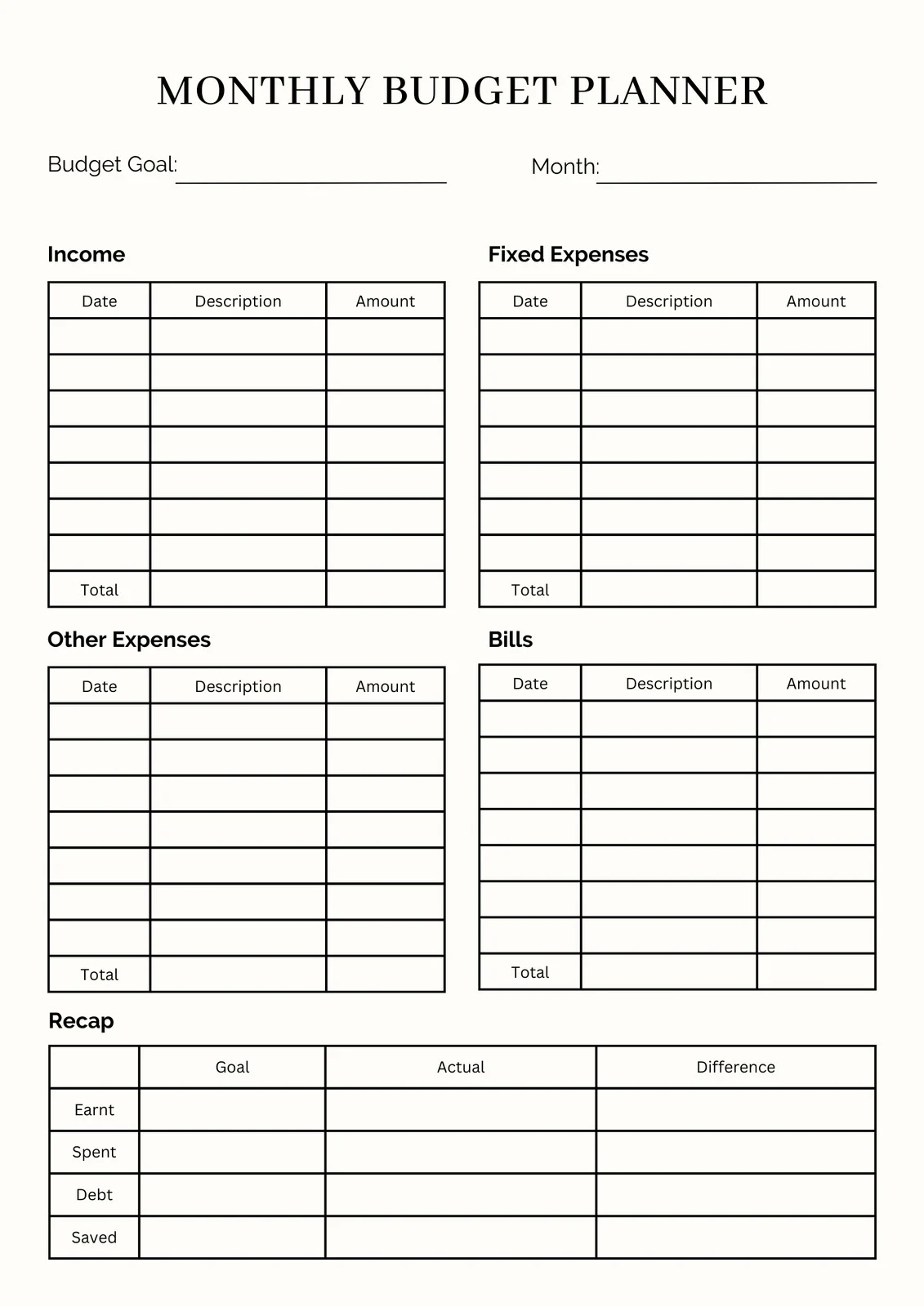
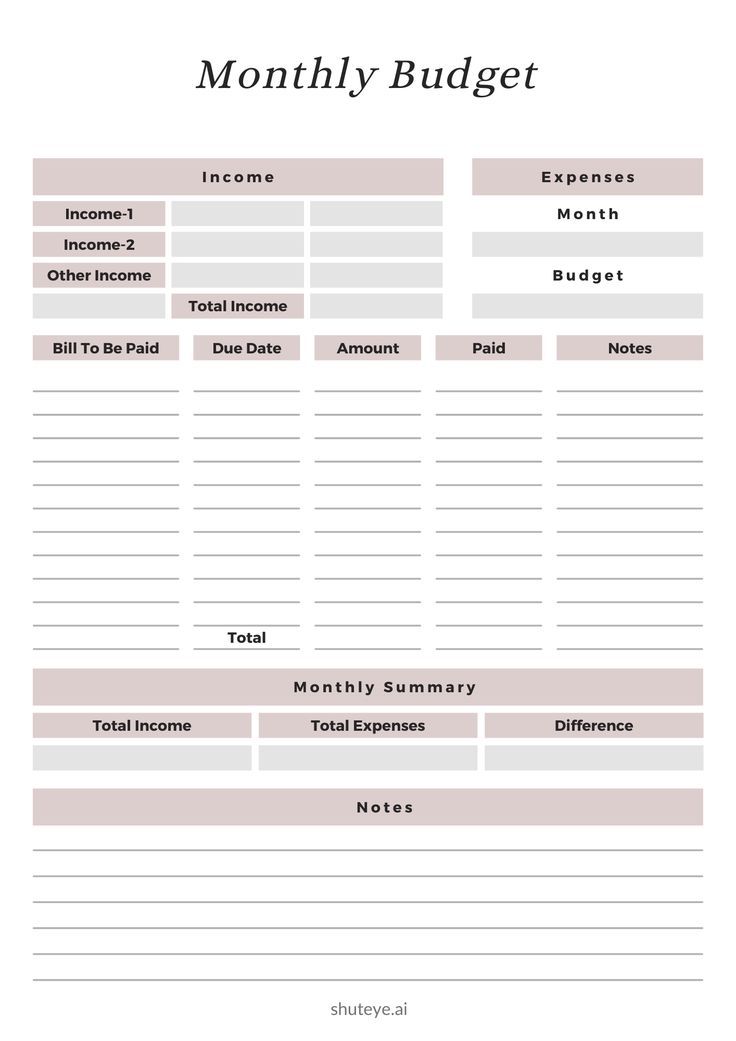
How to Use a Money Management Worksheet
To effectively use a money management worksheet, follow these steps:
1. Start by gathering all your financial information, including pay stubs, bank statements, and bills.
2. Fill out the income section with your monthly earnings.
3. List all your expenses, categorizing them into fixed and variable costs.
4. Allocate a portion of your income for savings and investments.
5. Keep track of your debt and make regular payments to reduce it.
6. Review your financial goals regularly and adjust your budget accordingly.
Tips for Successful Money Management
To make the most of your money management worksheet, consider the following tips:
1. Be realistic about your income and expenses.
2. Regularly update your worksheet to reflect any changes in your financial situation.
3. Use budgeting tools and apps to streamline the process.
4. Set specific financial goals and track your progress towards achieving them.
5. Seek professional financial advice if needed.
6. Celebrate your financial milestones and stay motivated to reach your goals.
By using a money management worksheet and following these tips, you can take control of your finances, build wealth, and achieve financial freedom. Start today and see the difference it can make in your financial life.
Money Management Worksheet Template
