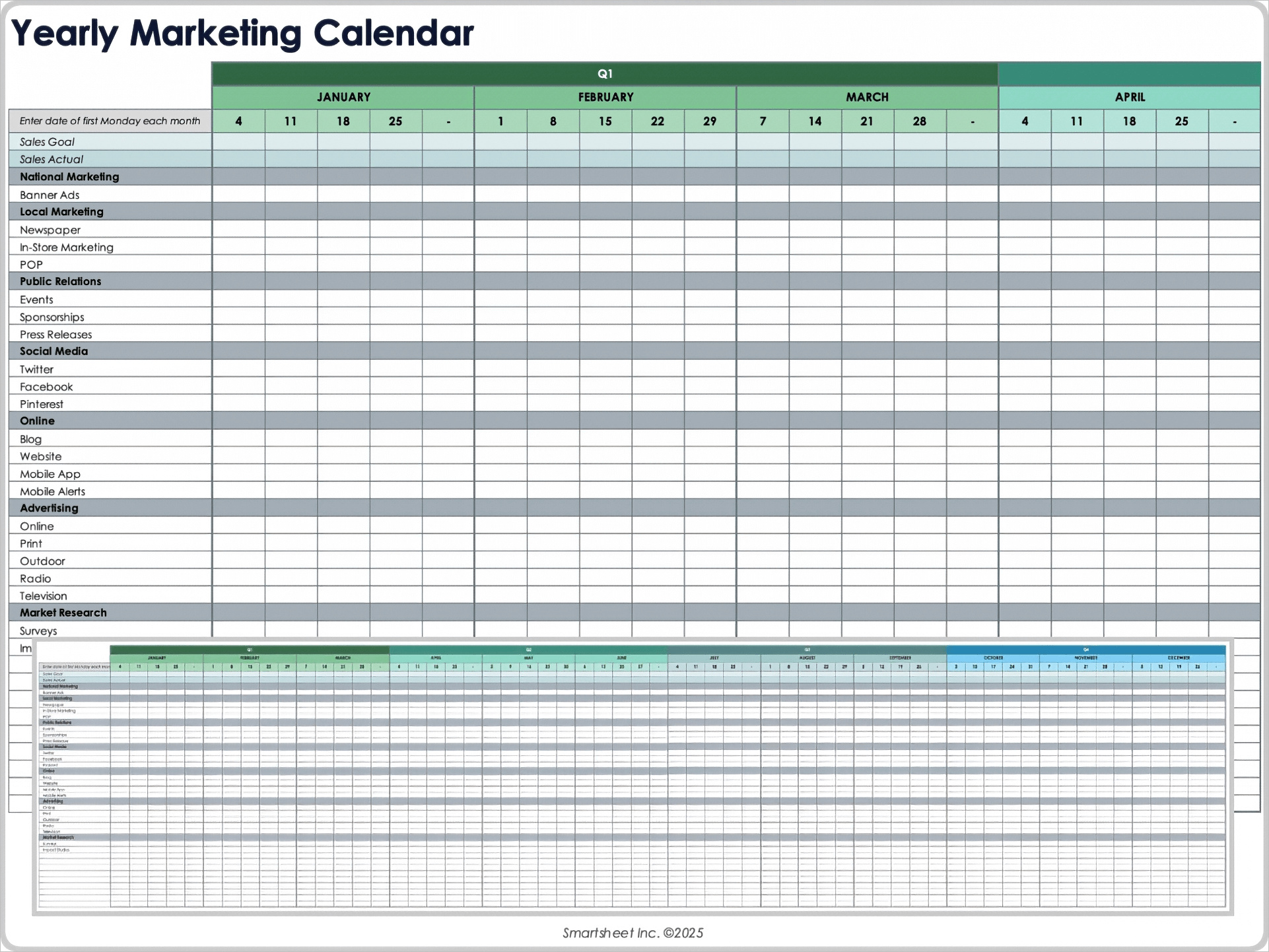
Marketing calendars are an essential tool for any business looking to stay organized and on track with their marketing efforts. Whether you’re a small startup or a large corporation, having a well-planned marketing calendar can help you streamline your campaigns, track important deadlines, and ensure that your messaging is consistent across all channels. In this comprehensive guide, we’ll cover everything you need to know about marketing calendars, from what they are to how to create one that works for your business.
What is a Marketing Calendar?
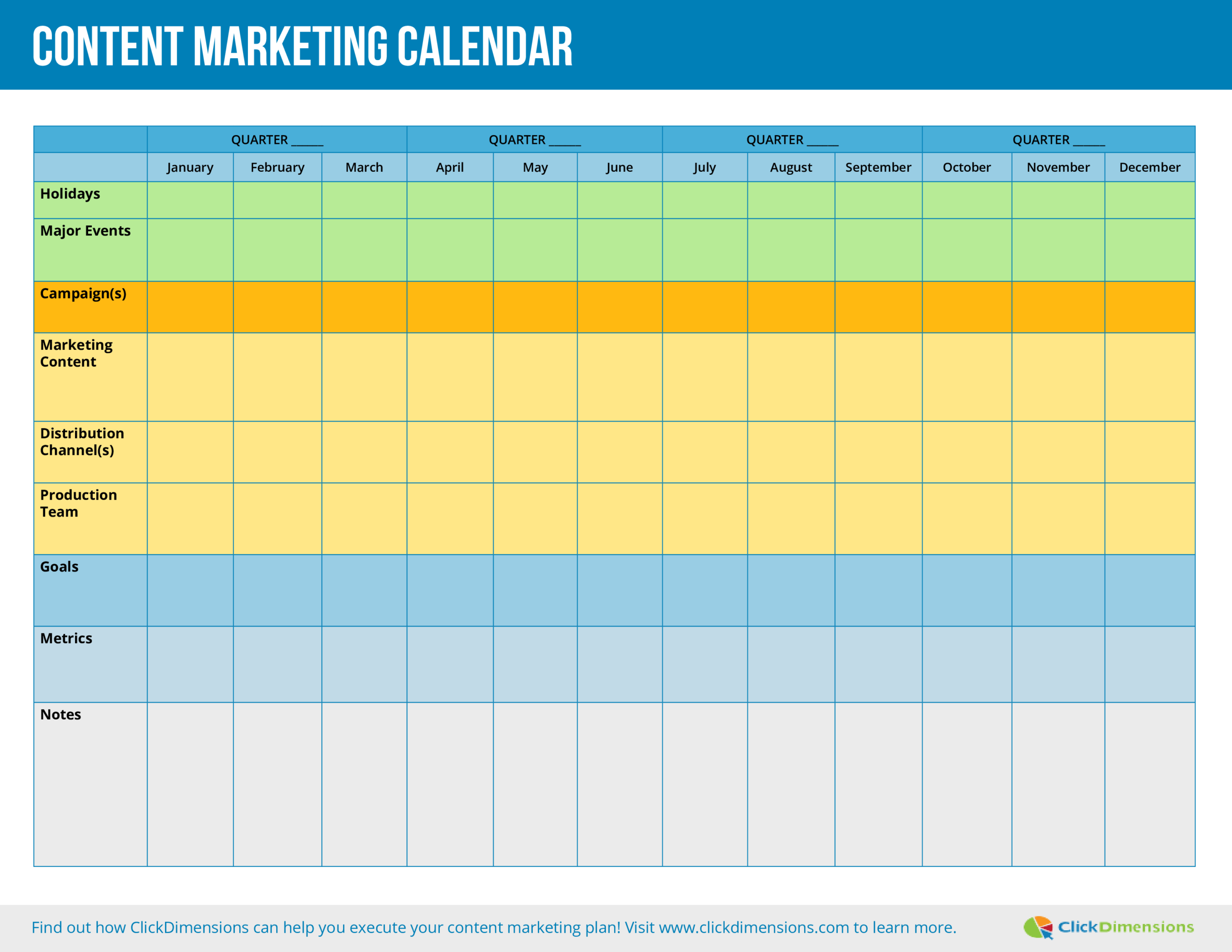
A marketing calendar is a visual representation of your marketing strategy and schedule for the upcoming weeks, months, or even the entire year. It typically includes important dates, deadlines, campaign themes, and key milestones that your team needs to be aware of. A marketing calendar helps you plan and organize your marketing efforts, ensuring that you have a clear roadmap for executing your campaigns effectively.
Why You Need a Marketing Calendar
There are several reasons why having a marketing calendar is crucial for your business:
- Organization: A marketing calendar helps you stay organized and on top of all your marketing activities.
- Consistency: By planning your campaigns in advance, you can ensure that your messaging is consistent across all channels.
- Efficiency: With a clear roadmap in place, you can streamline your marketing efforts and allocate resources more effectively.
- Accountability: Having a visual representation of your marketing plan helps hold your team accountable for meeting deadlines and achieving goals.
What to Include in Your Marketing Calendar
When creating your marketing calendar, there are several key elements that you should consider including:
- Campaign Themes: Outline the themes and objectives of each marketing campaign you plan to run.
- Key Dates: Include important dates such as product launches, events, holidays, and industry milestones.
- Channels: Specify which channels you will be using to promote your campaigns, such as social media, email, or paid advertising.
- Resources: Identify the resources and budget needed for each campaign to ensure that you have everything you need to execute effectively.
- Goals: Set specific, measurable goals for each campaign to track performance and ROI.
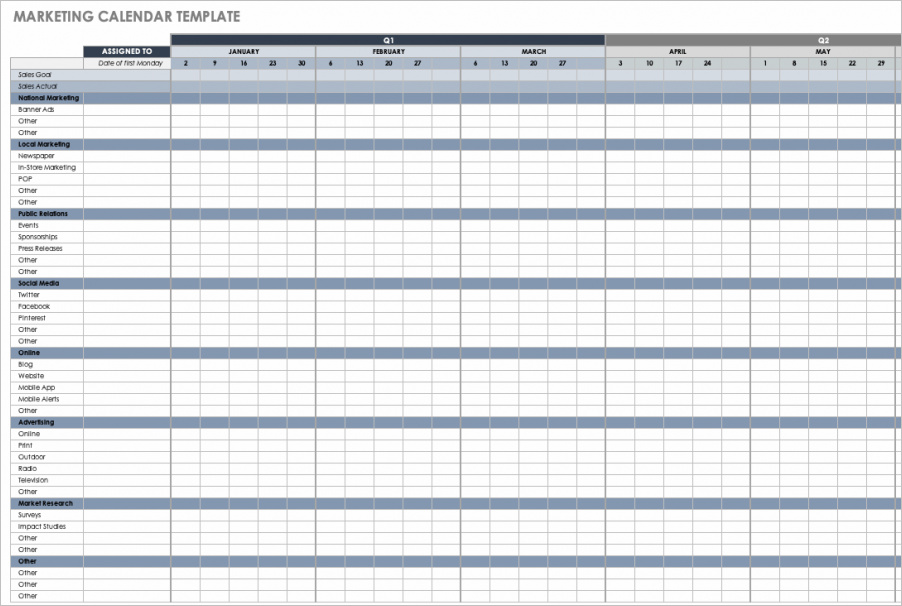
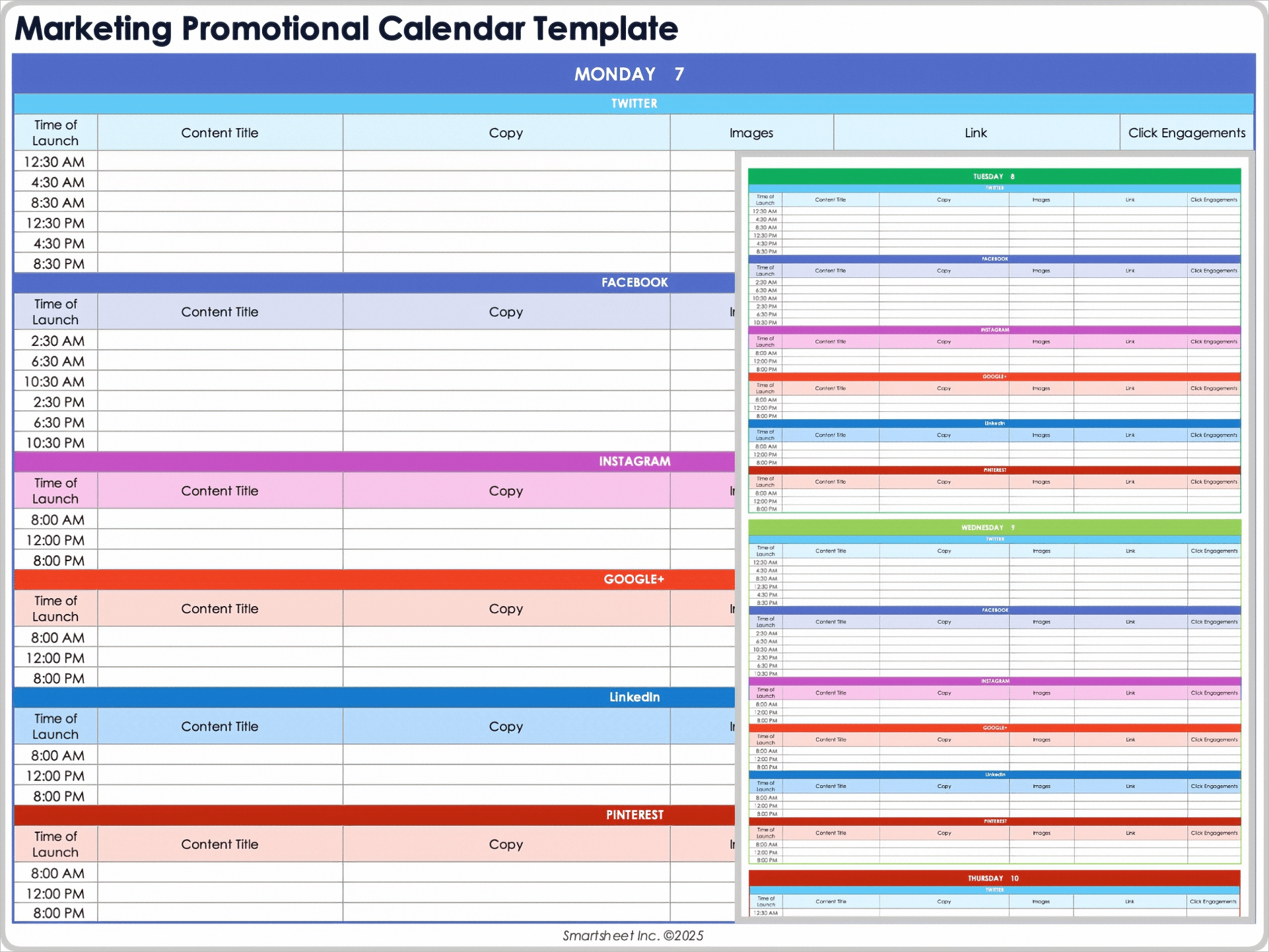
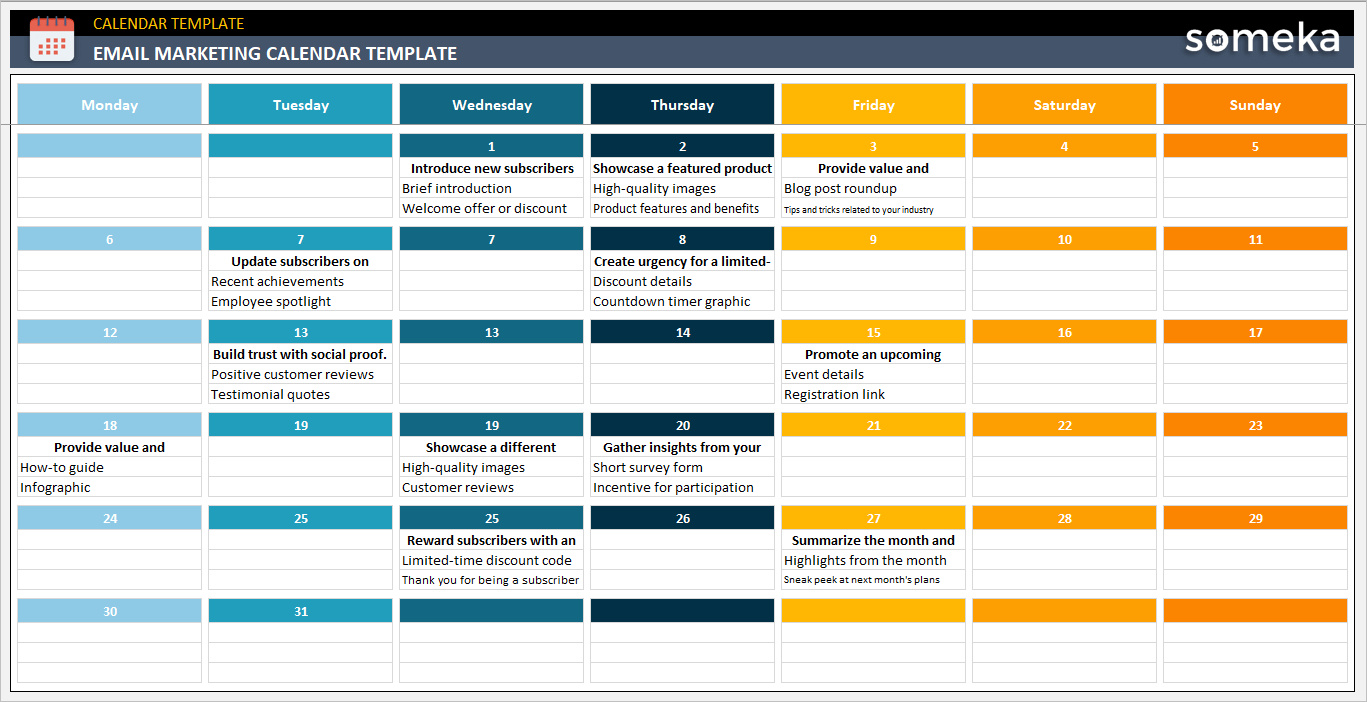
How to Create a Marketing Calendar
Creating a marketing calendar doesn’t have to be complicated. Here are some steps to help you get started:
1. Choose a Format:
Decide whether you want to use a digital calendar tool, a spreadsheet, or a physical planner to map out your marketing schedule.
2. Define Your Goals:
Identify the overarching goals of your marketing strategy and align your calendar with these objectives.
3. Plan Your Campaigns:
Map out your campaigns by setting timelines, themes, and key milestones for each one.
4. Allocate Resources:
Determine the resources needed for each campaign, including budget, team members, and external partners.
5. Review and Adjust:
Regularly review your marketing calendar to track progress, make adjustments as needed, and ensure that you are on track to meet your goals.
Tips for Successful Marketing Calendar Management
Here are some tips to help you effectively manage your marketing calendar:
- Stay Flexible: Be prepared to adjust your calendar as needed to accommodate changes in your strategy or external factors.
- Collaborate with Your Team: Involve key team members in the planning process to ensure that everyone is aligned and working towards the same goals.
- Use Visuals: Make your marketing calendar visually appealing and easy to understand to help your team quickly grasp the plan.
- Set Reminders: Use alerts and reminders to keep your team informed about upcoming deadlines and important milestones.
- Track Performance: Monitor the performance of your campaigns against your goals and use data to inform future marketing decisions.
- Celebrate Successes: Take time to celebrate your team’s achievements and milestones to boost morale and motivation.
In Conclusion
A marketing calendar is an invaluable tool for any business looking to streamline their marketing efforts, stay organized, and achieve their goals. By carefully planning and executing your campaigns with the help of a well-designed marketing calendar, you can ensure that your messaging is consistent, your team is aligned, and your resources are allocated effectively. Follow the tips outlined in this guide to create a successful marketing calendar that works for your business and helps you achieve your marketing objectives.
