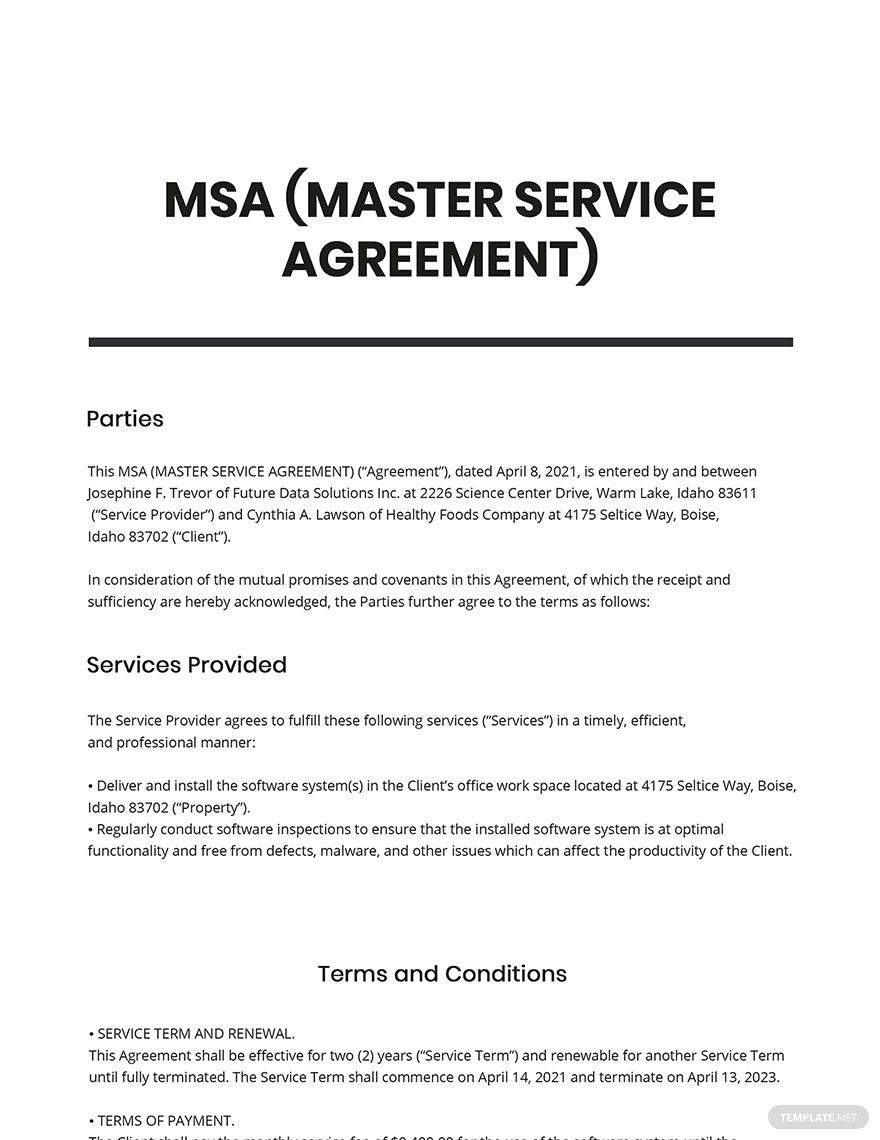
Master Service Agreements (MSAs) are essential contracts that establish the terms and conditions between a service provider and a client. These agreements outline the scope of work, responsibilities, payment terms, and other crucial details that govern the relationship between the parties involved. Understanding the nuances of MSAs is vital for businesses looking to establish long-term partnerships and ensure that both parties are protected in the event of disputes or misunderstandings.
What is a Master Service Agreement?
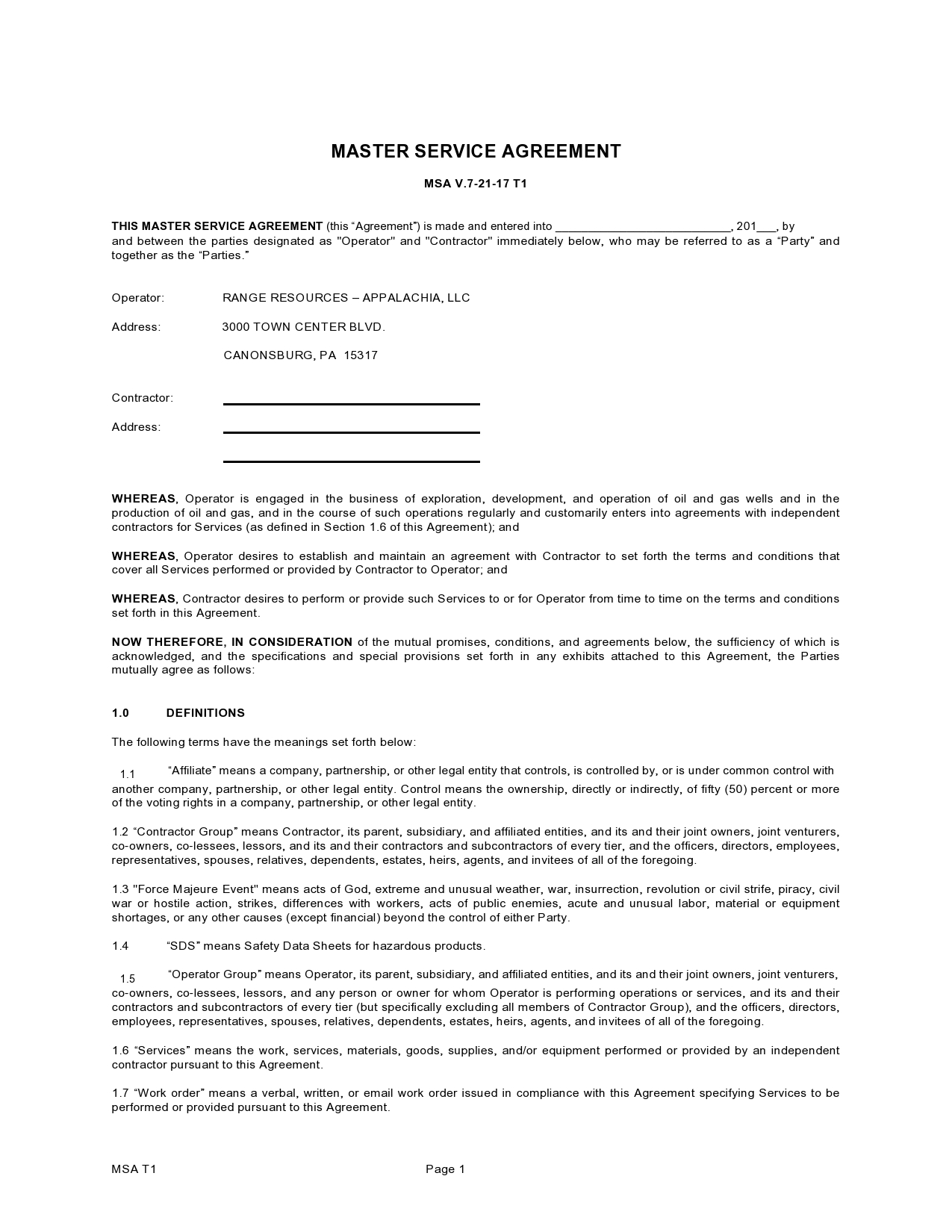
A Master Service Agreement (MSA) is a comprehensive contract that sets out the terms and conditions that will govern the relationship between a service provider and a client. This agreement typically includes details such as the scope of work, payment terms, intellectual property rights, confidentiality obligations, and dispute resolution mechanisms. MSAs are often used in industries such as consulting, IT services, marketing, and construction, where long-term partnerships are common.
MSAs are designed to streamline the negotiation process for future projects between the parties by establishing a framework that can be referenced in subsequent agreements. By outlining the general terms and conditions upfront, MSAs help to avoid repetitive negotiations and ensure consistency in the contractual relationship.
Why are Master Service Agreements Important?
Master Service Agreements play a crucial role in managing the risks associated with long-term business relationships. By clearly defining the rights and obligations of both parties, MSAs help to prevent misunderstandings and disputes that can arise during the course of a project. Additionally, having an MSA in place can provide a sense of security and predictability for both the service provider and the client.
From a legal standpoint, MSAs protect both parties by outlining the terms of the agreement and specifying the remedies available in the event of a breach. This can help to mitigate potential risks and liabilities, ensuring that both parties are held accountable for their respective responsibilities.
What to Include in a Master Service Agreement
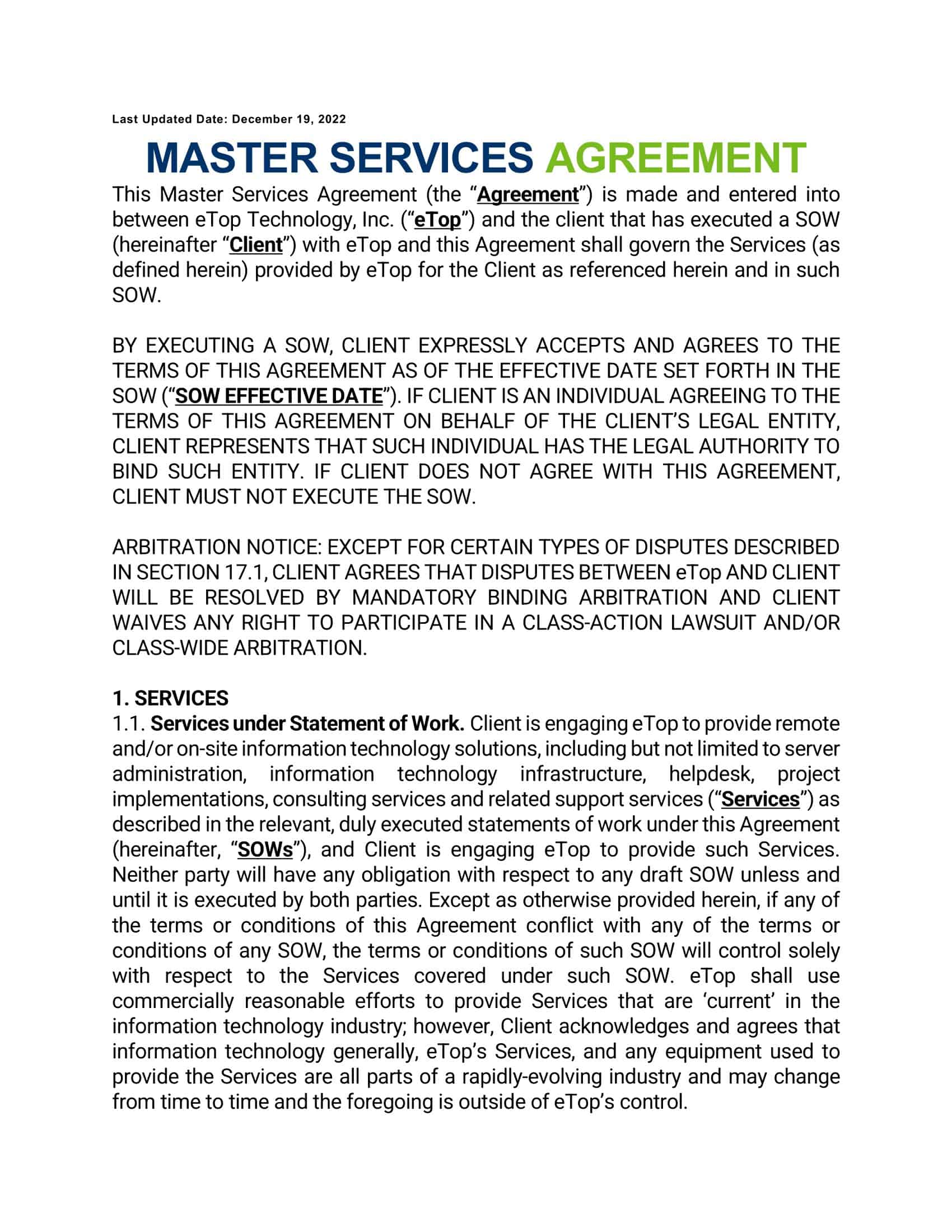
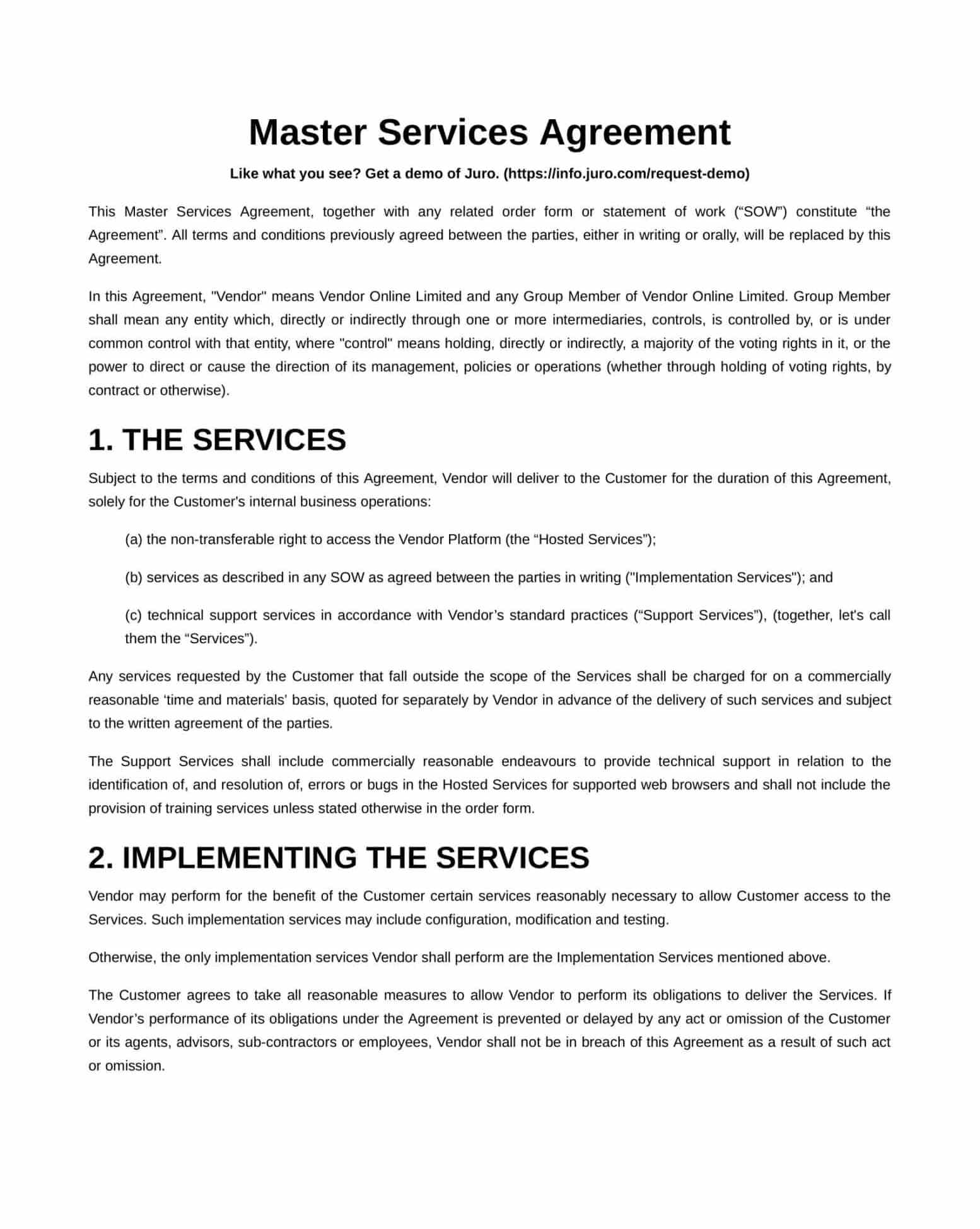
When drafting a Master Service Agreement, it is important to include the following key elements:
- Scope of Work. Clearly define the services to be provided and the deliverables expected from the service provider.
- Payment Terms. Outline the pricing structure, payment schedule, and any additional fees or expenses that may apply.
- Intellectual Property Rights. Specify ownership rights for any intellectual property created during the project.
- Confidentiality Obligations. Include provisions to protect sensitive information shared during the course of the project.
- Termination Clause. Detail the circumstances under which either party can terminate the agreement and the consequences of termination.
- Dispute Resolution Mechanisms. Establish procedures for resolving disputes, such as mediation, arbitration, or litigation.
How to Negotiate a Master Service Agreement
Negotiating a Master Service Agreement can be a complex process that requires careful attention to detail and effective communication between the parties. Here are some tips for successful negotiation:
- Understand Your Needs. Before entering into negotiations, clarify your objectives and priorities to ensure that the agreement meets your business requirements.
- Be Flexible. Be willing to compromise on certain terms to reach a mutually beneficial agreement that satisfies both parties.
- Seek Legal Advice. Consult with legal counsel to ensure that the agreement is legally sound and protects your interests.
- Document Everything. Keep detailed records of all communications and agreements reached during the negotiation process to avoid misunderstandings in the future.
- Review Carefully. Thoroughly review the final agreement before signing to ensure that all terms are clear and accurately reflect the intentions of both parties.
- Maintain Open Communication. Stay in regular contact with the other party throughout the negotiation process to address any issues or concerns promptly.
Conclusion
In conclusion, Master Service Agreements are essential contracts that provide a solid foundation for long-term business relationships. By clearly outlining the terms and conditions of the agreement, MSAs help to protect both parties and minimize the risks associated with complex projects. Understanding the key elements of an MSA and following best practices for negotiation can help businesses establish successful partnerships and avoid potential disputes. By taking the time to draft a thorough and well-structured Master Service Agreement, businesses can set themselves up for long-term success and growth in their respective industries.
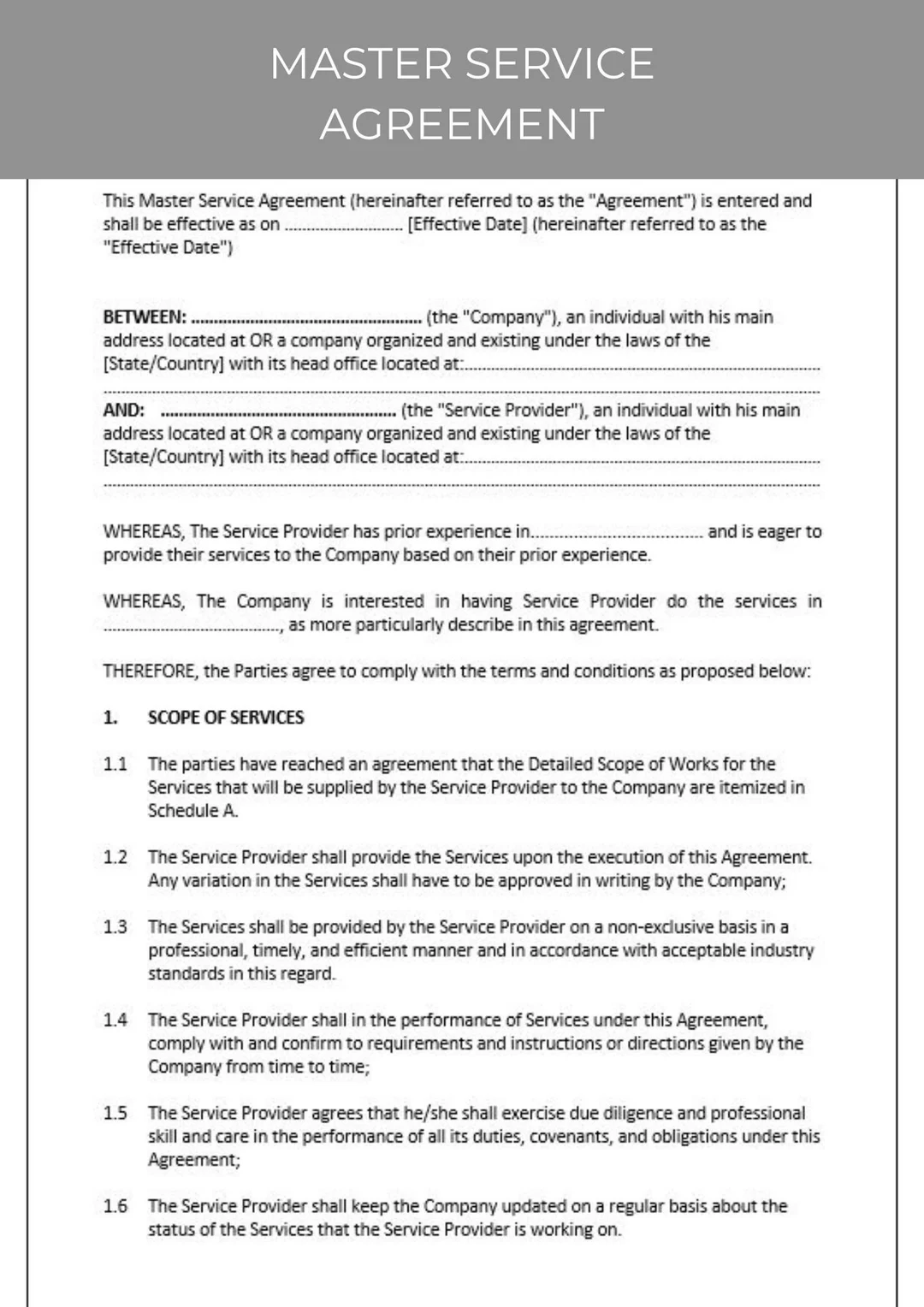
Master Service Agreement Template
