When planning a successful conference, one of the most critical components is the conference agenda. The agenda serves as the roadmap for the entire event, laying out important details such as session topics, speaker information, networking opportunities, and more. It is the source of truth for your attendees, guiding them through the event and providing them with the information they need to make the most of their experience.
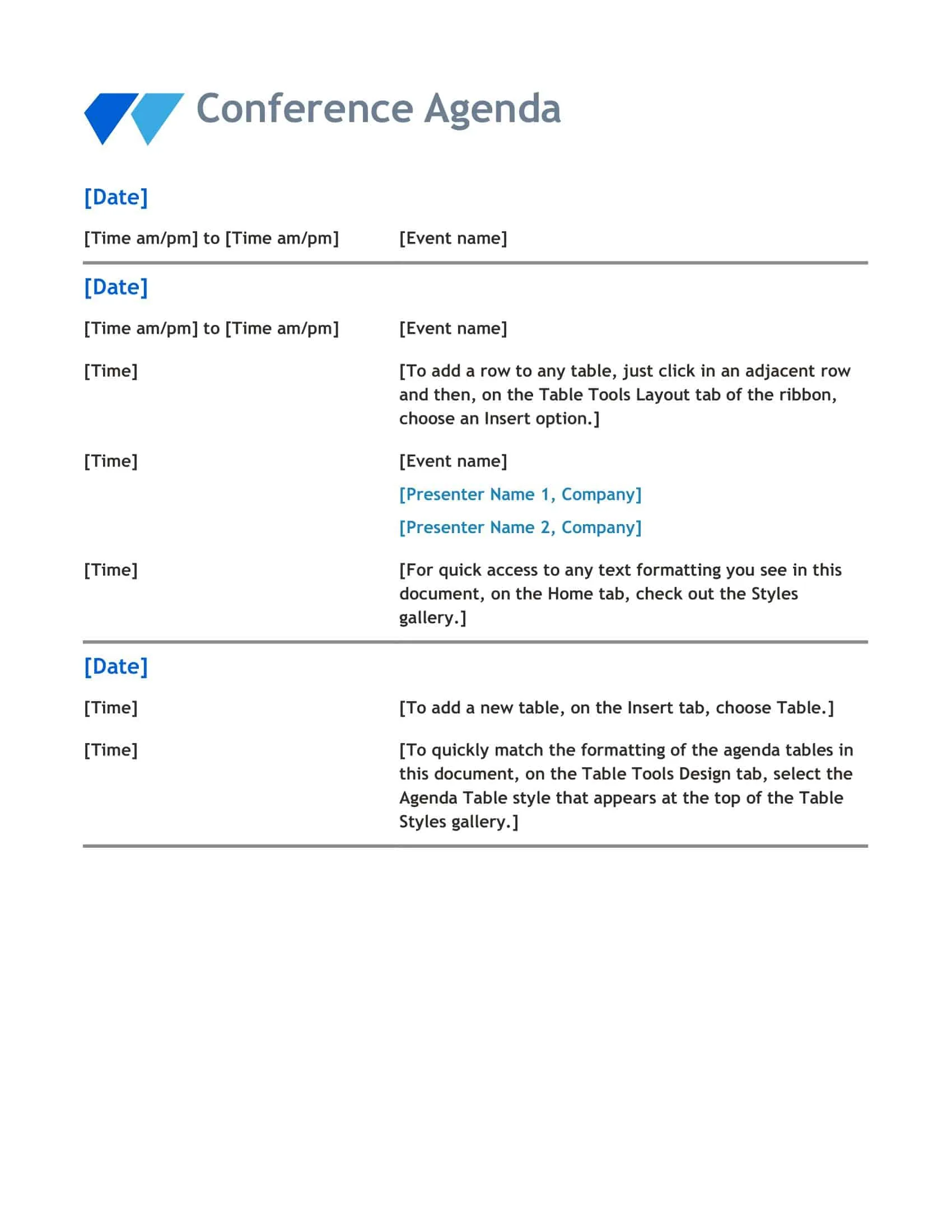
In this article, we will explore the importance of a well-designed conference agenda and provide tips on how to create the perfect agenda for your event.
What Is in a Conference Agenda?
A conference agenda is a detailed outline of the schedule and activities planned for the event. It typically includes information such as session titles, descriptions, speakers, locations, and times.
A well-crafted agenda is essential for keeping attendees informed and engaged throughout the conference. It should be clear, organized, and easy to navigate, providing attendees with all the information they need to make informed decisions about which sessions to attend and how to plan their time effectively.
Benefits of a Well-Designed Conference Agenda
There are numerous benefits to having a well-designed conference agenda. Some of the key advantages include:
Enhanced Attendee Experience
A well-structured agenda improves the overall attendee experience by providing clear guidance and information. Attendees can easily navigate the event, find relevant sessions, and make informed choices about how to spend their time. A well-designed agenda reduces confusion and uncertainty, leading to a more positive and engaging experience for participants.
Increased Engagement and Participation
A comprehensive agenda that includes a variety of session topics, formats, and activities can help increase attendee engagement and participation. By offering diverse content that appeals to different interests and learning styles, event organizers can attract a wider audience and keep participants actively involved throughout the conference. Engaged attendees are more likely to interact with speakers, ask questions, and contribute to discussions, creating a lively and interactive atmosphere.
Effective Time Management
A well-crafted agenda helps attendees manage their time effectively and make the most of their experience. By clearly outlining the schedule, including start and end times for each session, and indicating breaks and networking opportunities, the agenda allows attendees to plan their day strategically. This can help prevent scheduling conflicts, ensure attendees are in the right place at the right time, and optimize their overall conference experience.
Opportunities for Sponsor Visibility
By including sponsored sessions, exhibitor booths, and other promotional opportunities in the agenda, event organizers can provide valuable visibility for sponsors and partners. Sponsors can showcase their products and services to a targeted audience, generate leads, and increase brand awareness. A well-designed agenda that highlights sponsor activities can create mutually beneficial partnerships and contribute to the overall success of the event.
What Should You Include in a Conference Agenda?
When creating a conference agenda, it is important to include the following key elements:
Session Titles and Descriptions
Session titles should be concise and descriptive, clearly indicating the topic or theme of the session. Descriptions should provide additional context and detail, outlining the session objectives, key takeaways, and any prerequisites or recommended knowledge. Including this information helps attendees make informed decisions about which sessions to attend and ensures they understand the value and relevance of each session.
Speaker Bios and Credentials
Providing brief biographies of all speakers in the conference agenda helps establish their credibility and expertise. Speaker bios should highlight relevant experience, qualifications, and accomplishments, giving attendees confidence in the presenters. Including this information can also help attendees identify speakers they are interested in hearing from and prioritize their session choices accordingly.
Location and Timing Details
Clearly indicating the date, time, and location of each session or activity in the agenda is essential for helping attendees plan their schedules. Including specific details such as room numbers, building names, and start times ensures that attendees know where to go and when. Providing this information upfront can prevent confusion and minimize delays, allowing the event to run smoothly and efficiently.
Networking Opportunities and Social Events
Networking sessions, social events, and breaks are important components of the conference agenda that facilitate interaction and relationship-building among attendees. Including dedicated time for networking in the agenda encourages attendees to connect with peers, share ideas, and expand their professional networks. Social events provide opportunities for relaxation and fun, creating a more well-rounded and enjoyable conference experience.
Sponsorship Opportunities and Promotions
Highlighting sponsored sessions, exhibitor booths, and other promotional opportunities in the agenda can help increase visibility for sponsors and partners. Including sponsored content in the agenda allows sponsors to showcase their products and services to a targeted audience, generate leads, and build brand awareness. By integrating sponsor activities into the agenda, event organizers can create valuable opportunities for partnership and collaboration.
Creating the Perfect Conference Agenda
When creating a conference agenda, it is important to keep the following best practices in mind:
Start with a Clear and Logical Structure
Organize the agenda into logical sections, such as keynote sessions, breakout sessions, networking events, and social activities. Clearly label each section and provide a coherent flow that guides attendees through the event. A well-structured agenda makes it easier for attendees to navigate the conference and find the information they need.
Provide Detailed Session Information
Include comprehensive details about each session, including the title, description, speaker information, and any relevant resources. Make sure that session information is clear, concise, and informative, providing attendees with a complete picture of what to expect. The more detailed and specific the session information, the better equipped attendees will be to make informed decisions about their conference experience.
Consider Attendee Preferences and Interests
Take into account the interests, preferences, and needs of your target audience when planning the agenda. Consider the diverse backgrounds, roles, and objectives of attendees and tailor the agenda to appeal to a wide range of interests. Offering a variety of session topics, formats, and activities can help ensure that there is something for everyone and maximize overall attendance and engagement.
Allow for Flexibility and Adaptability
Build flexibility into the agenda to accommodate last-minute changes, speaker substitutions, or unexpected developments. Anticipate potential challenges or disruptions and have contingency plans in place to address them. By allowing for flexibility in the agenda, event organizers can adapt to changing circumstances and ensure that the conference runs smoothly and successfully.
Conference Agenda Template – DOWNLOAD
