Confidentiality agreements, also known as non-disclosure agreements (NDAs), play a crucial role in safeguarding sensitive, private, or proprietary information from being shared with unauthorized parties.
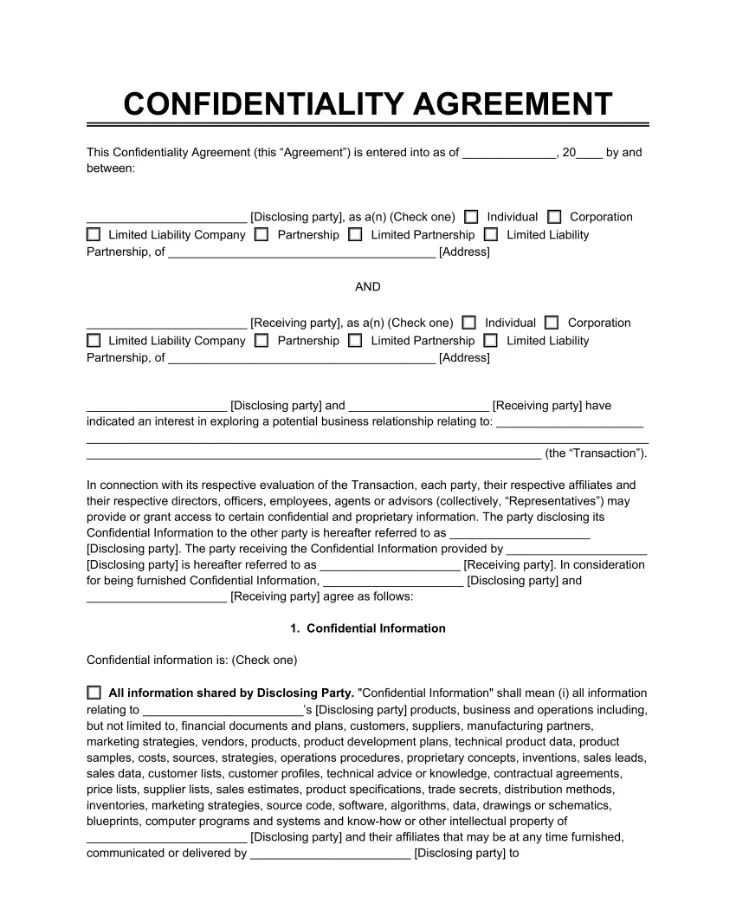
These legal documents create a framework of trust for business discussions, partnerships, or employment by defining what constitutes secret information, such as trade secrets, client lists, and business plans, and preventing its misuse. By protecting confidential information, businesses can maintain their competitive advantage and safeguard their intellectual property.
What is a Confidentiality Agreement?
A confidentiality agreement is a legally binding contract between two or more parties that outlines the terms and conditions for sharing confidential information.
This agreement establishes the obligations of the parties involved to keep the information confidential and specifies the consequences of breaching the agreement.
Confidentiality vs. Non-Compete Agreements
It is important to distinguish between confidentiality agreements and non-compete agreements, which restrict parties from engaging in competitive activities after the termination of a business relationship. While both types of agreements serve to protect business interests, they focus on different aspects of confidentiality and competition.
Why are Confidentiality Agreements Important?
Confidentiality agreements are essential for businesses to protect their sensitive information from being disclosed to unauthorized individuals or competitors. By defining what information is considered confidential and setting clear guidelines for its use and disclosure, these agreements help prevent the misuse of valuable assets and intellectual property.
Protection of Intellectual Property
One of the primary reasons confidentiality agreements are crucial for businesses is the protection of their intellectual property. Trade secrets, proprietary technology, and innovative ideas are valuable assets that must be safeguarded from unauthorized disclosure or use by competitors.
Preservation of Competitive Advantage
By maintaining the confidentiality of strategic information such as marketing plans, customer lists, and financial data, businesses can preserve their competitive advantage in the marketplace. Preventing competitors from gaining access to sensitive data helps companies differentiate themselves and stay ahead in their industry.
Trust and Collaboration
Confidentiality agreements play a key role in fostering trust and collaboration between parties involved in business relationships. By establishing clear guidelines for the protection and sharing of confidential information, these agreements create a sense of security and accountability that enables effective communication and collaboration.
Legal Protection
From a legal perspective, confidentiality agreements provide a level of protection for businesses in case of a breach of trust or unauthorized disclosure of confidential information. By outlining the rights and obligations of the parties involved, these agreements offer a legal recourse for seeking damages or injunctive relief in the event of a breach.
Compliance with Regulations
For businesses operating in regulated industries such as healthcare, finance, or technology, confidentiality agreements are essential to comply with legal requirements regarding the protection of sensitive information. By implementing robust confidentiality measures, companies can demonstrate their commitment to data privacy and security.
Key Elements of a Confidentiality Agreement
When drafting a confidentiality agreement, certain key elements should be included to ensure its effectiveness:
Definition of Confidential Information
Clearly define what constitutes confidential information that is protected under the agreement. This may include trade secrets, proprietary technology, customer lists, financial data, marketing strategies, and any other sensitive information that requires protection.
Disclosure Restrictions
Specify who is allowed to access the confidential information and under what circumstances. By setting clear guidelines for the disclosure of sensitive data, businesses can prevent unauthorized access and misuse of confidential information.
Duration of Confidentiality
Determine how long the information will be considered confidential and when the agreement expires. Establishing a timeframe for confidentiality helps parties understand their obligations and ensures that sensitive information is protected for a specified period.
Consequences of Breach
Outline the repercussions for breaching the confidentiality agreement, such as legal action, financial penalties, or termination of the business relationship. By including consequences for non-compliance, businesses can deter parties from violating the terms of the agreement.
Applicable Law
Specify which laws govern the agreement and how disputes will be resolved. By including provisions for applicable laws and dispute resolution mechanisms, businesses can ensure that the agreement is legally enforceable and that any disputes are resolved in a timely and efficient manner.
Severability Clause
Include a provision that allows the rest of the agreement to remain valid if one part is found to be unenforceable. A severability clause ensures that the overall agreement remains intact even if certain provisions are deemed invalid or unenforceable.
How to Draft a Confidentiality Agreement
When creating a confidentiality agreement, it is important to tailor the document to the specific needs and circumstances of the parties involved. Follow these steps to draft an effective confidentiality agreement:
Identify the Parties
Clearly identify the parties agreeing, including their legal names, addresses, and contact information. By accurately identifying the parties, you can ensure that the agreement is legally binding and enforceable.
Define Confidential Information
Specify what information is considered confidential and needs to be protected under the agreement. This may include trade secrets, proprietary technology, customer lists, financial data, marketing strategies, and any other sensitive information that requires protection.
Determine Use Restrictions
Outline how the confidential information can be used and shared, including any limitations or restrictions. By setting clear guidelines for the use of sensitive data, you can prevent unauthorized access and misuse of confidential information.
Include Non-Disclosure Obligations
Detail the obligations of the parties to keep the information confidential and not disclose it to third parties without permission. By clearly outlining the non-disclosure obligations, you can ensure that the parties understand their responsibilities and commitments under the agreement.
Specify Duration of Confidentiality
Determine how long the information will be considered confidential and when the agreement will expire. By establishing a timeframe for confidentiality, you can ensure that sensitive information is protected for a specified period and that parties are aware of their obligations.
Address Dispute Resolution
Include a provision for resolving disputes that may arise regarding the agreement or the confidential information. By outlining a dispute resolution mechanism, you can provide a framework for resolving conflicts and ensuring that any disputes are handled fairly and efficiently.
Seek Legal Advice
It is advisable to consult with a legal professional when drafting a confidentiality agreement to ensure that it complies with relevant laws and effectively protects your interests. Legal experts can provide guidance on drafting clauses, ensuring enforceability, and addressing any specific legal requirements related to confidentiality agreements.
Tips for Successful Confidentiality Agreements
When creating a confidentiality agreement, keep the following tips in mind to enhance its effectiveness:
Be Specific
Clearly define what information is considered confidential and how it should be protected. Include specific details about the types of information covered under the agreement and the restrictions on its use and disclosure.
Use Clear Language
Avoid legal jargon and use plain language that is easily understood by all parties. By using clear and concise language, you can ensure that the terms of the agreement are easily comprehensible and enforceable.
Include Necessary Details
Cover all essential elements, such as the duration of confidentiality, consequences of breach, and dispute resolution mechanisms. By including all necessary details in the agreement, you can create a comprehensive and effective document that protects your interests.
Review Periodically
Regularly review and update confidentiality agreements to ensure they remain relevant and effective. As business circumstances change and new information is generated, it is important to review and revise the agreement to reflect these changes and maintain its effectiveness.
Keep Copies on File
Maintain copies of signed confidentiality agreements for reference and enforcement purposes. By keeping records of all executed agreements, you can easily refer back to the terms and conditions in case of a dispute or breach of the agreement. Having copies on file also allows for easy verification of the terms agreed upon by the parties involved.
Train Employees
Educate employees on the importance of confidentiality agreements and their obligations under the terms of the agreement. By providing training and guidance on the requirements of the agreement, you can ensure that employees understand their responsibilities and the consequences of breaching the agreement.
Enforce the Agreement
Take swift action against any breaches of the confidentiality agreement to protect your business interests. By enforcing the terms of the agreement and holding parties accountable for non-compliance, you send a strong message about the importance of confidentiality and the consequences of unauthorized disclosure.
Regularly Update
As your business evolves and new information is generated, it is crucial to regularly update your confidentiality agreements to reflect these changes. By keeping the agreements current and relevant, you can ensure that they continue to provide effective protection for your sensitive information.
Consider External Factors
When drafting confidentiality agreements, take into account external factors such as industry regulations, market trends, and technological advancements that may impact the protection of your confidential information. By staying informed about external factors, you can tailor your agreements to address potential risks and challenges.
Consult Legal Experts
If you are unsure about the legal implications of a confidentiality agreement or need guidance on specific clauses, consider consulting with legal experts who specialize in intellectual property and contract law. Legal professionals can provide valuable insights and ensure that your agreements comply with relevant laws and regulations.
Customize for Each Relationship
Each business relationship is unique, and confidentiality agreements should be tailored to the specific circumstances of each partnership or agreement. By customizing the agreement to address the needs and concerns of all parties involved, you can create a document that effectively protects your confidential information.
Collaborate with Legal Team
Work closely with your legal team to ensure that confidentiality agreements are drafted accurately and comply with all legal requirements. Legal experts can provide guidance on best practices, help identify potential risks, and ensure that the agreement is enforceable in case of a dispute.
Educate Stakeholders
Inform all stakeholders, including employees, partners, vendors, and contractors, about the importance of confidentiality agreements and their role in protecting sensitive information. By raising awareness about the significance of confidentiality, you can create a culture of accountability and compliance within your organization.
Implement Security Measures
In addition to confidentiality agreements, consider implementing security measures such as encryption, access controls, and data monitoring to further protect your sensitive information. By combining legal safeguards with technological solutions, you can enhance the security of your confidential data.
Monitor Compliance
Regularly monitor compliance with confidentiality agreements and address any violations promptly to prevent further breaches. By proactively enforcing the terms of the agreement and holding parties accountable for their actions, you can maintain the integrity of your confidential information.
Review Regularly with Legal Team
Periodically review your confidentiality agreements with your legal team to ensure that they remain up-to-date and effective. By conducting regular reviews and updates, you can address any changes in the business environment and ensure that your agreements provide adequate protection for your confidential information.
Confidentiality agreements are essential tools for businesses to protect their sensitive information and maintain a competitive edge in today’s fast-paced market. By defining what information is confidential, setting clear guidelines for its use and disclosure, and enforcing the terms of the agreement, businesses can safeguard their intellectual property and foster trust in their business relationships.
Confidentiality Agreement Template – DOWNLOAD
