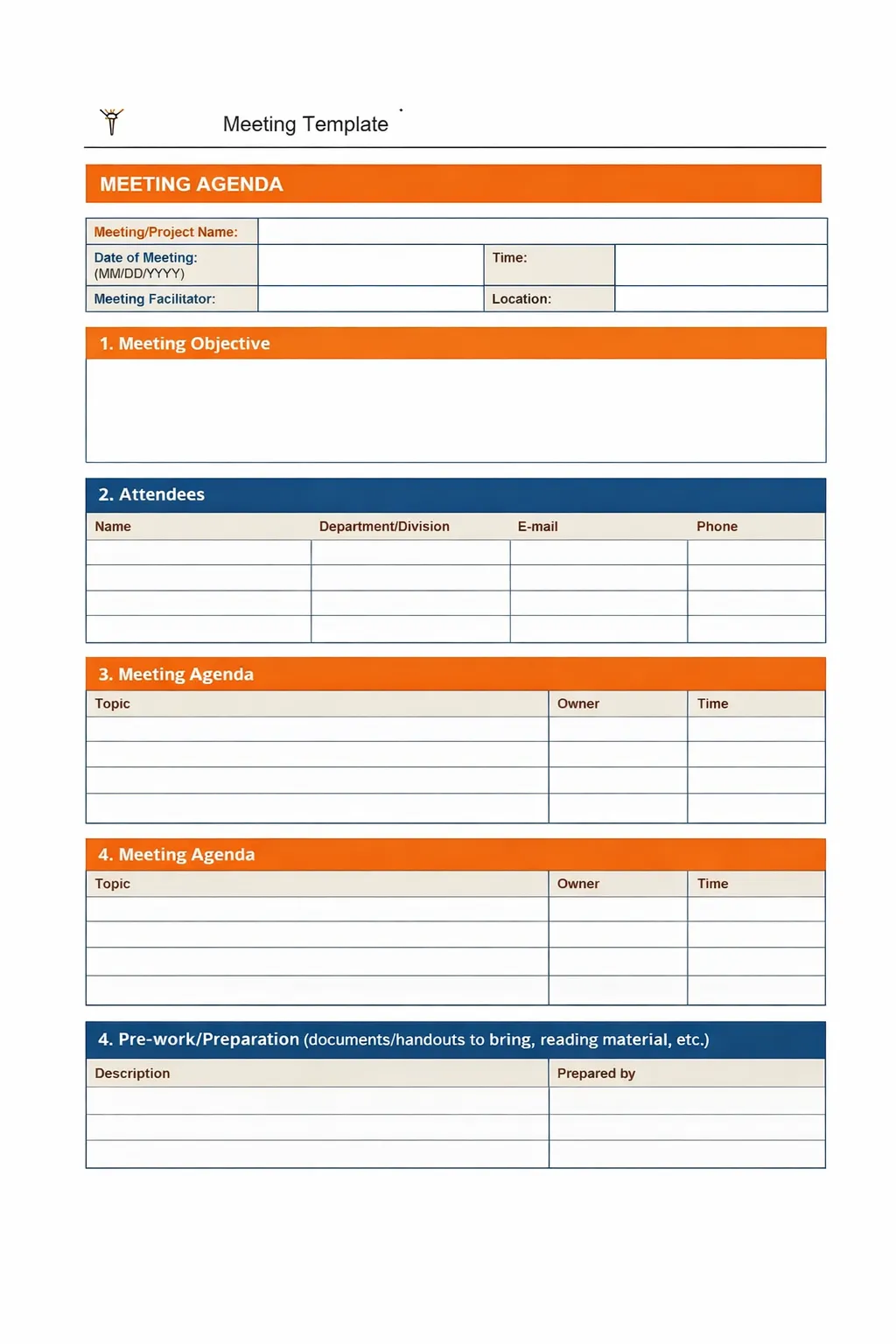
Corporate meeting minutes are a crucial aspect of any formal company gathering, serving as the official, legally recognized record of discussions, decisions, and actions. These minutes play a vital role in providing accountability, ensuring legal compliance, maintaining continuity, and acting as a critical reference for future strategy and governance.
Whether it’s a board meeting, shareholders’ meeting, or any other corporate event, accurate and detailed meeting minutes are essential for the smooth functioning and success of a business.
What are Corporate Meeting Minutes?
Corporate meeting minutes are written documentation that captures the essence of a meeting, including who attended, what was discussed, the decisions made, and the actions required.
These minutes serve as a historical record of the meeting and are used to track progress and ensure accountability.
Why are Corporate Meeting Minutes Important?
Accountability
One of the key reasons why corporate meeting minutes are important is accountability. By documenting decisions and actions taken during a meeting, minutes hold participants accountable for their roles and responsibilities. This transparency helps prevent misunderstandings and ensures that everyone is aligned.
Legal Compliance
Meeting minutes are often required by law for certain types of meetings, such as board meetings or annual general meetings. Failing to keep accurate minutes can result in legal consequences, including fines or legal challenges to the decisions made during the meeting.
Continuity and Reference
Corporate meeting minutes also play a crucial role in maintaining continuity within the organization. By documenting past decisions and discussions, minutes provide a reference point for future meetings and strategic planning. They help ensure that the company’s objectives and priorities remain consistent over time.
Strategic Planning
Meeting minutes are a valuable resource for strategic planning and decision-making. By reviewing past minutes, company leaders can identify trends, track progress on action items, and ensure that the organization is moving in the right direction. Minutes provide insights that can inform future strategies and initiatives.
Key Elements of Corporate Meeting Minutes
Title and Date
Every set of meeting minutes should begin with a clear title that reflects the purpose of the meeting and the date on which it occurred. The title helps participants and readers understand the context of the meeting, while the date establishes a timeline for the discussions and decisions recorded in the minutes.
Attendance
Recording attendance is a critical element of meeting minutes, as it provides a record of who was present at the meeting. This information can be useful for tracking participation, assigning action items, and ensuring that all relevant stakeholders are aware of the discussions that took place.
Agenda and Topics Discussed
Summarizing the agenda items and topics discussed during the meeting helps provide context for the decisions and actions recorded in the minutes. Including this information allows readers to understand the flow of the meeting and the rationale behind the decisions made by the participants.
Motions and Votes
Any motions made and votes taken during the meeting should be clearly documented in the minutes. This includes the specifics of the motion, the outcome of the vote, and any relevant discussion or debate that occurred before the vote was taken. Recording this information helps ensure transparency and accountability in the decision-making process.
Action Items
One of the most important elements of meeting minutes is outlining the action items that arise from the meeting. This includes assigning responsibilities, setting deadlines, and establishing follow-up steps to ensure that decisions made during the meeting are implemented effectively. Action items help track progress and hold individuals accountable for their commitments.
How to Take Effective Corporate Meeting Minutes
Preparation and Organization
Before the meeting starts, it’s essential to familiarize yourself with the agenda and topics to be discussed. This preparation allows you to anticipate the flow of the meeting and ensure that you capture all relevant information in the minutes. Organizing your notes and templates in advance can also help streamline the minute-taking process.
Active Listening and Note-Taking
During the meeting, practice active listening to ensure that you capture all key points and decisions accurately. Take clear and concise notes that capture the essence of the discussions without getting bogged down in unnecessary details. Using shorthand or abbreviations can help speed up the note-taking process without sacrificing accuracy.
Clarification and Verification
If there is any ambiguity or uncertainty during the meeting, don’t hesitate to ask for clarification from participants. It’s essential to ensure that you have a complete understanding of the discussions and decisions before recording them in the minutes. Verifying key points with participants can help prevent misunderstandings and inaccuracies.
Structure and Formatting
When drafting the meeting minutes, follow a clear and consistent structure that includes all key elements, such as the title, date, attendance, agenda, motions, votes, and action items. Use headings, bullet points, and numbering to organize the information in a logical and easy-to-follow format. Consistent formatting makes it easier for readers to navigate the minutes and find the information they need.
Review and Approval
After the meeting, take the time to review and edit the meeting minutes for accuracy and completeness. Check for any errors or omissions, clarify any unclear points, and ensure that the minutes reflect the discussions and decisions accurately. Once you are satisfied with the draft, distribute it to participants for review and approval at the next meeting. Obtaining approval ensures that the minutes are an accurate reflection of the meeting and have the participants’ agreement.
Tips for Successful Corporate Meeting Minutes
Stay Focused and Concise
While it’s essential to capture all key points and decisions, avoid including unnecessary details or tangents in the meeting minutes. Stay focused on the agenda items and key discussions to ensure that the minutes are concise and easy to follow. Including only relevant information helps readers quickly understand the outcomes of the meeting.
Use Templates and Tools
Consider using templates or software tools designed for taking meeting minutes to streamline the process and ensure consistency. Templates can help you remember all key elements to include in the minutes and provide a framework for organizing the information effectively. Software tools can automate certain tasks, such as formatting or distributing the minutes, saving you time and effort.
Seek Clarification and Follow-Up
If you are unsure about any information or decisions made during the meeting, don’t hesitate to seek clarification from participants or follow up with them after the meeting. Ensuring that you have a complete understanding of the discussions and decisions helps prevent inaccuracies in the minutes and ensures that all action items are captured correctly. Following up on outstanding tasks and deadlines can also help keep the momentum going after the meeting.
Maintain Confidentiality and Data Protection
When recording and distributing meeting minutes, it’s crucial to maintain confidentiality and adhere to data protection regulations. Avoid including sensitive or confidential information in the minutes unless it is necessary for business purposes. Be mindful of privacy considerations and ensure that the minutes are stored and shared securely to prevent unauthorized access.
Archive and Organize for Future Reference
After the meeting, make sure to archive the meeting minutes in a secure and organized manner for future reference. Create a system for storing and accessing past minutes, whether it’s a digital repository, a physical file cabinet, or a cloud-based platform. Having easy access to past minutes allows you to track progress on action items, review past decisions, and inform future strategies effectively.
Corporate Meeting Minutes Template
A Corporate Meeting Minutes helps you accurately document key discussions, decisions, and action items from business meetings. It provides a clear, professional structure for recording attendees, agenda items, motions, votes, and follow-up tasks, ensuring accountability and proper recordkeeping. With a well-organized template, you can maintain consistent documentation, support compliance, and keep stakeholders informed.
Download our Corporate Meeting Minutes Template today to record meetings clearly and maintain professional, reliable business records.
Corporate Meeting Minutes Template – WORD
