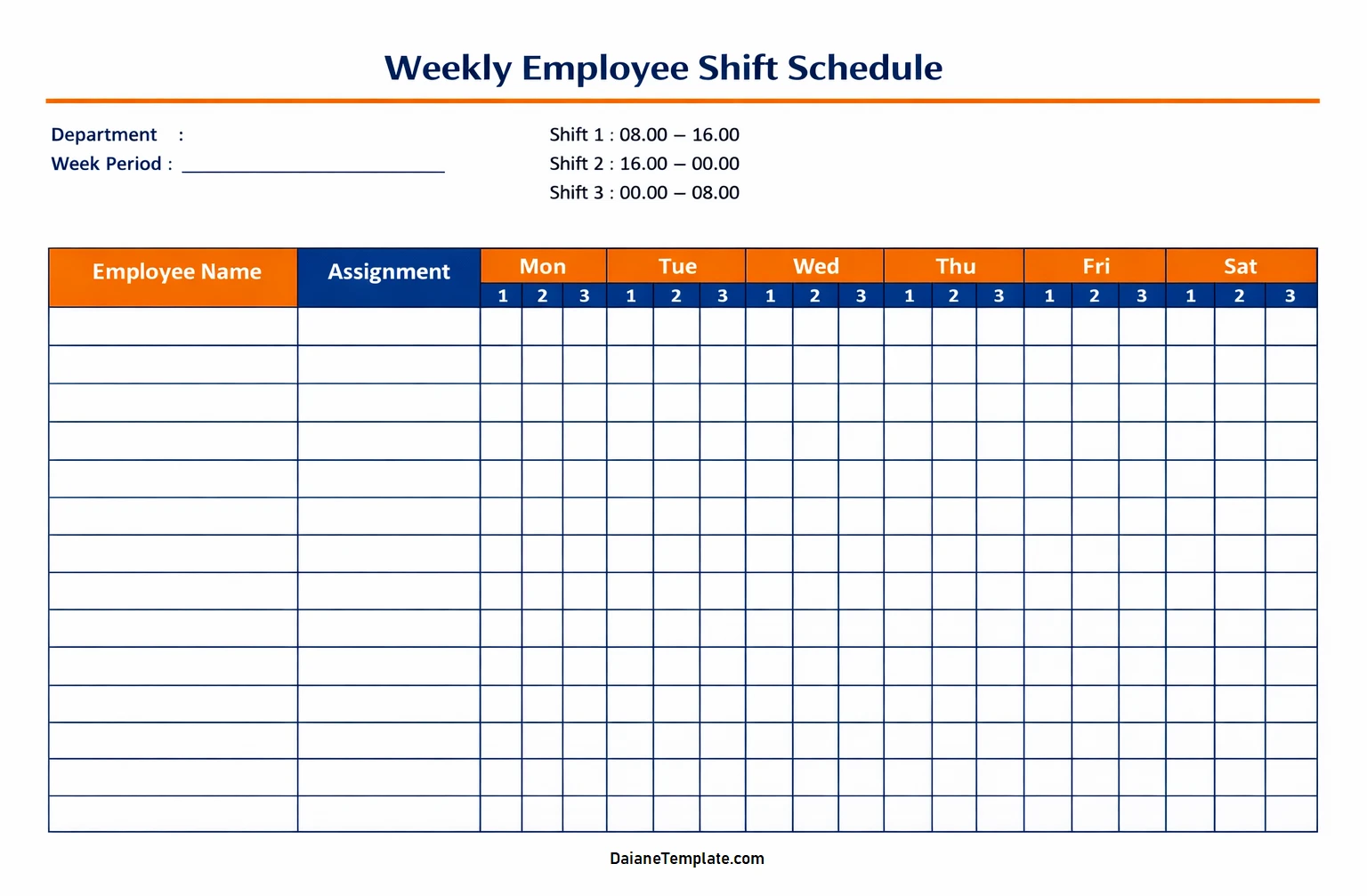
In today’s fast-paced business world, managing employee work schedules effectively is crucial for the success of any organization. A well-planned work schedule not only ensures that all tasks are completed on time but also helps in maintaining a healthy work-life balance for employees.
In this comprehensive guide, we will explore the various aspects of employee work schedules, including what they are, why they are important, what to include in a work schedule, how to create an effective schedule, and tips for successful schedule management.
What are Employee Work Schedules?
Employee work schedules are predetermined hours during which employees are required to be present at their workplace and perform their duties. These schedules typically outline the days and times when employees are expected to work, including any breaks or meal times. Work schedules can vary depending on the industry, company policies, and the nature of the job.
Creating and managing employee work schedules is an essential task for any business, as it helps in ensuring that all necessary tasks are completed on time and that there is adequate coverage for all shifts. A well-organized work schedule can also help in optimizing workforce productivity and preventing employee burnout.
Why are Employee Work Schedules Important?
Employee work schedules play a crucial role in the smooth functioning of any organization. Some of the key reasons why work schedules are important include:
- Time Management: Work schedules help in effectively managing employee time and ensuring that tasks are completed within the designated time frame.
- Resource Allocation: By planning work schedules, companies can allocate resources efficiently and ensure that all shifts are adequately staffed.
- Compliance: Work schedules help in ensuring compliance with labor laws and regulations regarding working hours and breaks.
- Employee Satisfaction: Well-planned work schedules can contribute to employee satisfaction by providing a predictable routine and work-life balance.
- Productivity: A well-designed work schedule can boost productivity by ensuring that employees are available when needed and are not overworked.
What to Include in an Employee Work Schedule
When creating an employee work schedule, it is important to include the following key elements:
- Employee Names: List the names of all employees who are scheduled to work.
- Shift Times: Clearly specify the start and end times for each shift, including any breaks or meal periods.
- Days Off: Indicate the days when employees are not scheduled to work, taking into account any requested time off or vacation days.
- Job Responsibilities: Outline the specific duties and tasks that each employee is expected to perform during their shift.
- Contact Information: Provide contact details for managers or supervisors in case of any scheduling conflicts or emergencies.
How to Create an Effective Employee Work Schedule
Creating an effective work schedule requires careful planning and consideration of various factors. Here are some tips to help you create a successful work schedule:
- Understand Workload: Analyze the workload and staffing requirements to determine the number of employees needed for each shift.
- Consider Employee Availability: Take into account employee availability, preferences, and any time-off requests when creating the schedule.
- Use Scheduling Software: Consider using scheduling software to automate the process and make it easier to manage employee schedules.
- Communicate Clearly: Ensure that employees are informed of their schedules in advance and provide a means for them to request changes or swaps if needed.
- Monitor and Adjust: Regularly monitor the schedule to ensure that it is working effectively and make adjustments as needed to optimize coverage and productivity.
Tips for Successful Employee Work Schedule Management
Managing employee work schedules effectively requires attention to detail and proactive planning. Here are some additional tips to help you successfully manage employee schedules:
1. Prioritize Employee Preferences
Consider employee preferences and availability when creating the schedule to improve satisfaction and reduce conflicts.
2. Plan for Unexpected Changes
Acknowledge that unexpected changes may occur and have contingency plans in place to address staffing issues or emergencies.
3. Provide Adequate Training
Ensure that managers and supervisors are trained in scheduling practices and understand how to create fair and effective work schedules.
4. Seek Feedback
Solicit feedback from employees on the schedule to identify any issues or areas for improvement and make adjustments accordingly.
5. Encourage Flexibility
Promote a culture of flexibility and open communication to accommodate employee needs and preferences when possible.
6. Regularly Review and Update
Regularly review and update the work schedule to reflect changes in workload, staffing requirements, and employee availability.
By following these guidelines and tips, you can create and manage employee work schedules effectively, leading to improved productivity, employee satisfaction, and overall success for your organization. Remember that a well-planned work schedule is the foundation for a productive and harmonious work environment.
Employee Work Schedule Template – DOWNLOAD
