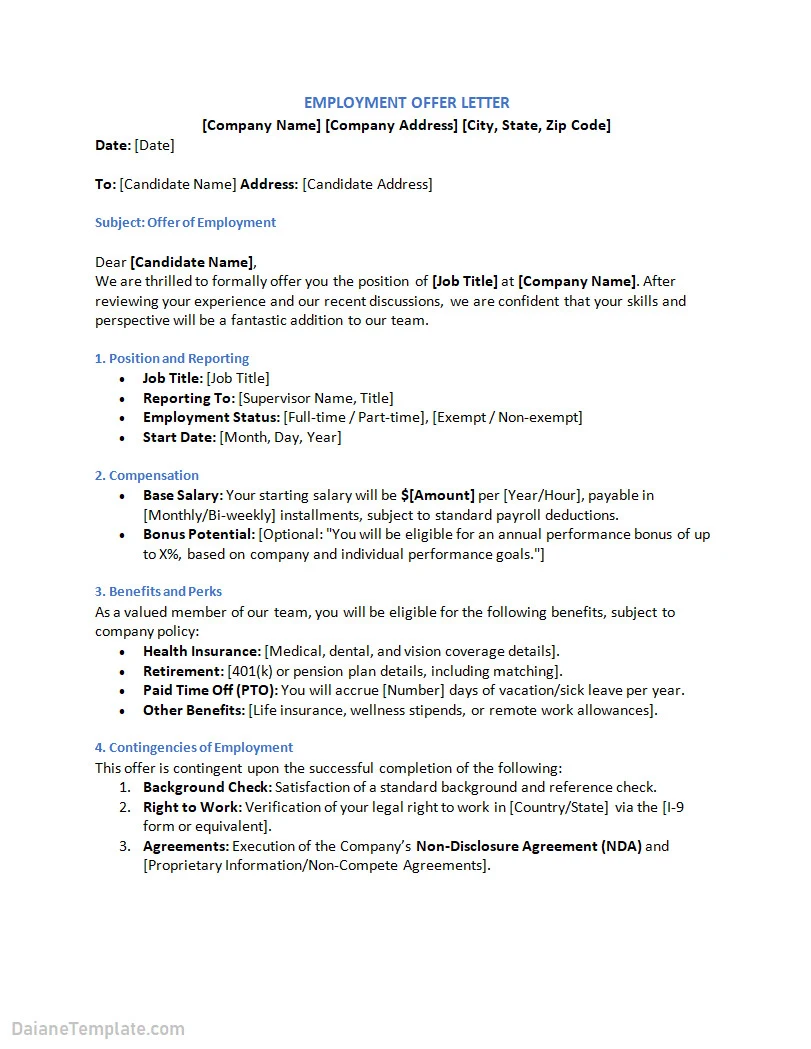
Are you about to receive an employment offer letter? Congratulations! This document is an essential part of the hiring process, outlining key details about your new position.
In this comprehensive guide, we will discuss everything you need to know about employment offer letters, including what they are, why they are important, what to include in them, how to handle them, and tips for successfully navigating the process.
What is an Employment Offer Letter?
An employment offer letter is a formal document issued by an employer to a potential employee, offering them a job position within the company. This letter typically includes important details such as the job title, salary, benefits, start date, and any other conditions associated with the offer. It serves as a written confirmation of the job offer and sets the expectations for both the employer and the employee.
In essence, an employment offer letter acts as a bridge between the job interview process and the commencement of employment. It provides clarity on the terms of the offer and allows the candidate to review and accept the position formally.
Why are Employment Offer Letters Important?
Employment offer letters are crucial for both the employer and the employee for several reasons. Firstly, they serve as a legal document that outlines the terms and conditions of employment, protecting both parties in case of any disputes or misunderstandings in the future.
Additionally, offer letters provide clarity and transparency to the new hire, ensuring that they have a clear understanding of their role, responsibilities, and compensation package. This helps in setting expectations from the beginning, creating a positive and professional relationship between the employee and the employer.
What to Include in an Employment Offer Letter
When drafting an employment offer letter, it is essential to include specific details to avoid any confusion or miscommunication. Here are some key elements that should be included in the letter:
- Job Title: Clearly state the position for which the candidate is being hired.
- Salary and Benefits: Outline the compensation package, including salary, bonuses, health insurance, retirement plans, etc.
- Start Date: Specify the date on which the employee is expected to begin work.
- Job Responsibilities: Provide an overview of the roles and responsibilities associated with the position.
- Conditions of Employment: Include any conditions or contingencies that need to be met before the offer is finalized.
- Contact Information: Provide contact details for HR or the hiring manager in case the candidate has any questions or concerns.
How to Handle an Employment Offer Letter
Once you receive an employment offer letter, it is essential to handle it with care and attention to detail. Here are some steps to consider when dealing with an offer letter:
- Review Carefully: Read through the offer letter thoroughly to understand all the terms and conditions before accepting.
- Ask Questions: If you have any doubts or need clarification, do not hesitate to reach out to the hiring manager or HR for clarification.
- Negotiate if Needed: If you feel that certain aspects of the offer can be improved, such as salary or benefits, you can negotiate with the employer.
- Formally Accept: Once you are satisfied with the terms, formally accept the offer by signing and returning the letter to the employer.
- Keep a Copy: Make sure to keep a copy of the signed offer letter for your records.
Tips for Successful Employment Offer Letter Negotiation
Negotiating an employment offer can be a daunting task, but with the right approach, you can secure a favorable outcome. Here are some tips for successful offer letter negotiation:
- Do Your Research: Research industry standards and salary ranges to have a solid understanding of what you should be aiming for.
- Focus on Value: Highlight your skills, experience, and qualifications that add value to the organization to strengthen your negotiation position.
- Be Professional: Approach the negotiation with professionalism and respect, maintaining a positive and collaborative tone throughout the process.
- Consider the Big Picture: Look beyond just the salary and benefits to other aspects of the offer that may be negotiable, such as flexible work arrangements or professional development opportunities.
- Seek Guidance: If you are unsure about how to negotiate effectively, consider seeking guidance from a mentor or career coach who can provide valuable insights.
- Know When to Walk Away: If the employer is unwilling to meet your expectations, be prepared to walk away and explore other opportunities that align better with your goals and values.
Conclusion
In conclusion, employment offer letters play a crucial role in the hiring process, setting the stage for a successful employment relationship. By understanding the importance of offer letters, knowing what to include in them, how to handle them effectively, and tips for successful negotiation, you can navigate the process with confidence and clarity. Remember, communication is key, so make sure to ask questions, seek clarification, and negotiate professionally to secure a mutually beneficial agreement. Good luck on your new job journey!
Employment Offer Letter Template – DOWNLOAD
