When it comes to borrowing money from family members or lending money to loved ones, a family loan agreement can help ensure that all parties involved are on the same page. This type of agreement outlines the terms and conditions of the loan, including the amount borrowed, the interest rate (if any), and the repayment schedule.
In this comprehensive guide, we will delve into the what, why, what to include, how to, and tips for creating a family loan agreement that protects both the borrower and the lender.
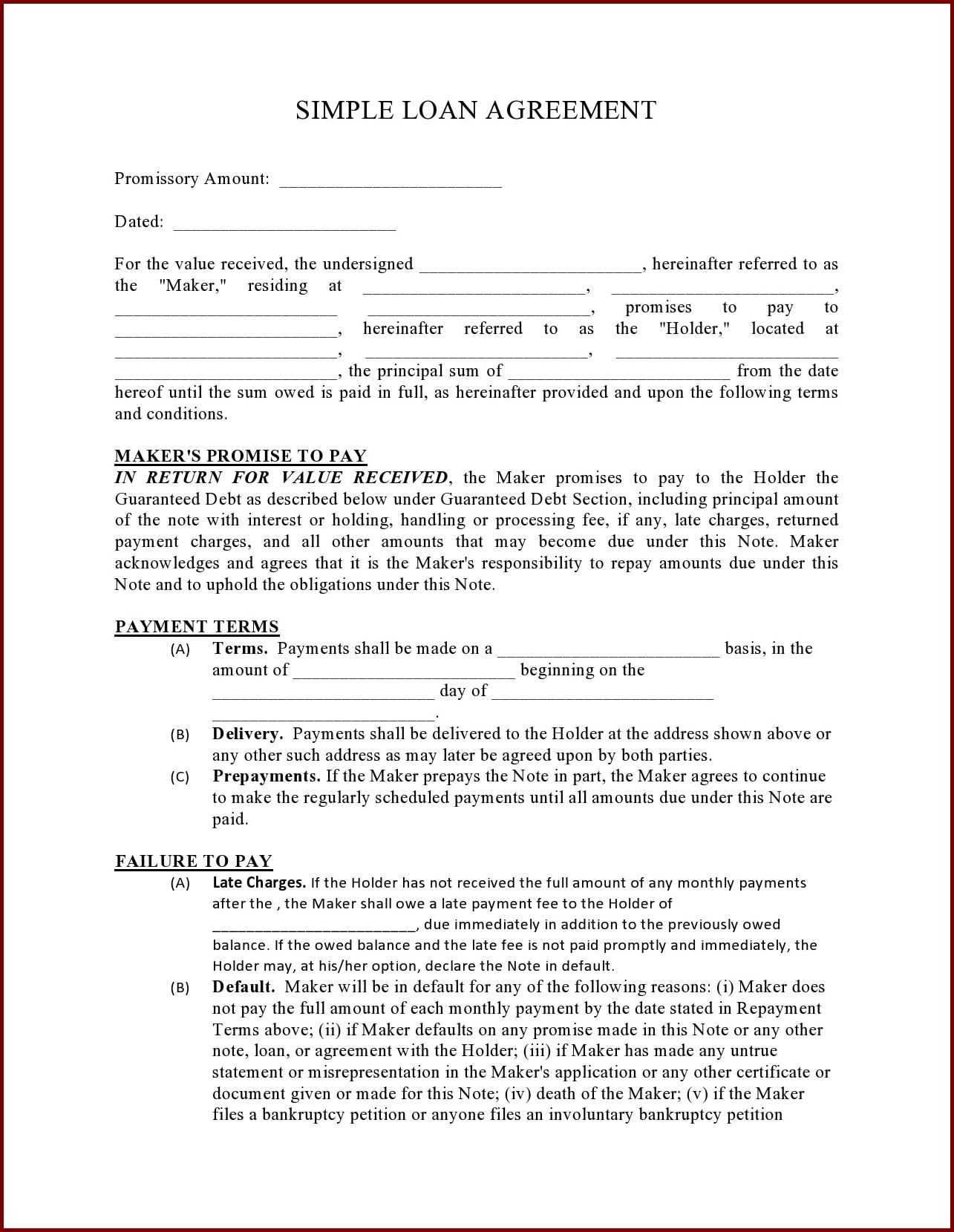
What is a Family Loan Agreement?
A family loan agreement is a legal document that formalizes a loan between family members. While it may seem unnecessary to create a written agreement when borrowing money from a family member, it is essential to have a clear record of the terms to avoid any misunderstandings or disputes in the future. This agreement can help protect both parties and ensure that the loan is repaid in a timely manner.
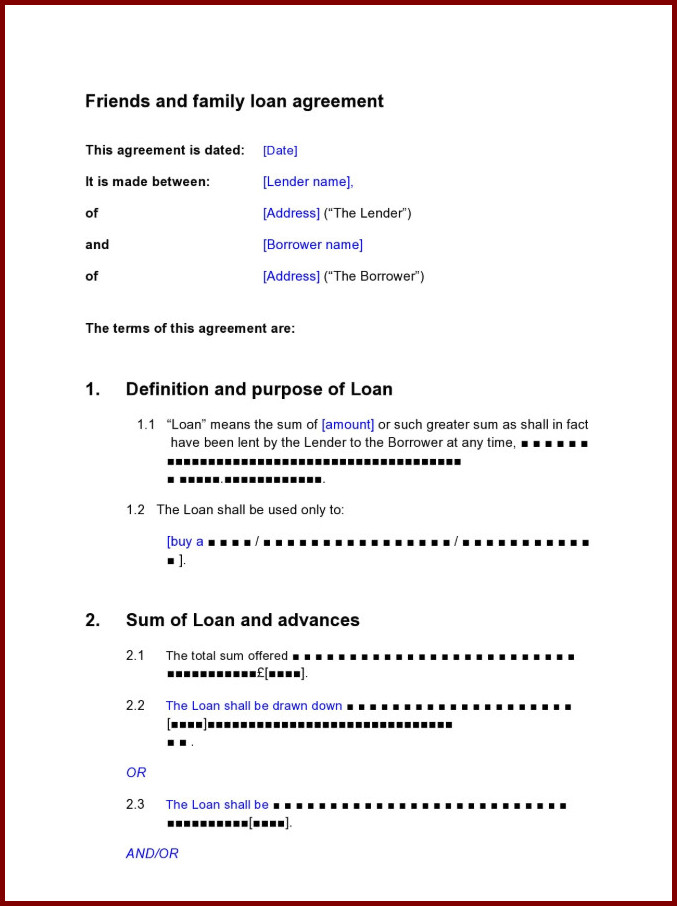
Why Create a Family Loan Agreement?
There are several reasons why it is advisable to create a family loan agreement when borrowing money from a loved one:
- Clarity: A written agreement clarifies the terms of the loan, including the amount borrowed, the interest rate (if any), and the repayment schedule.
- Legal Protection: Having a formal agreement in place can protect both the borrower and the lender in case of any disputes or disagreements.
- Financial Responsibility: By formalizing the loan with an agreement, both parties are more likely to take the repayment seriously.
- Peace of Mind: Knowing that the terms of the loan are documented can provide peace of mind to both the borrower and the lender.
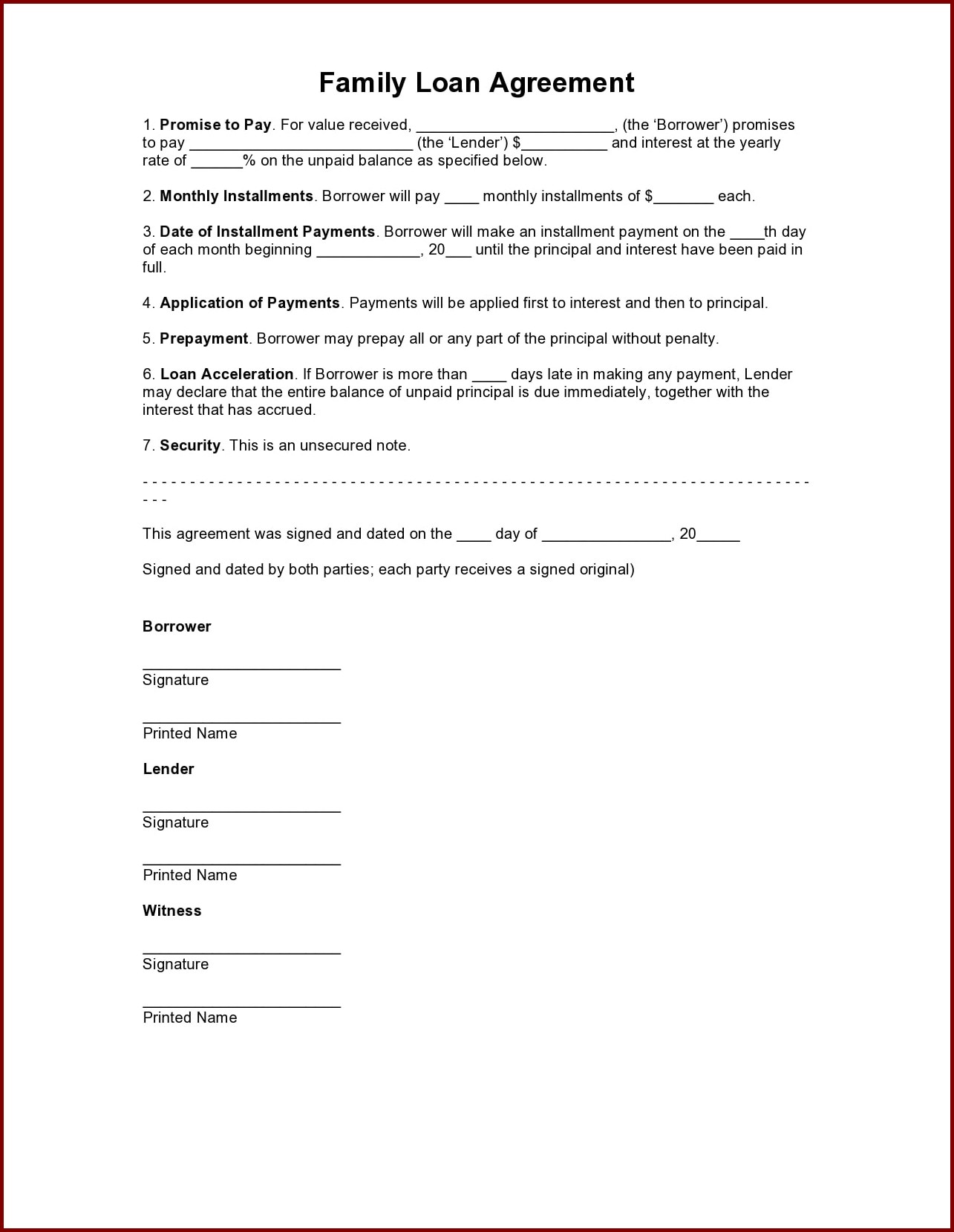
What to Include in a Family Loan Agreement
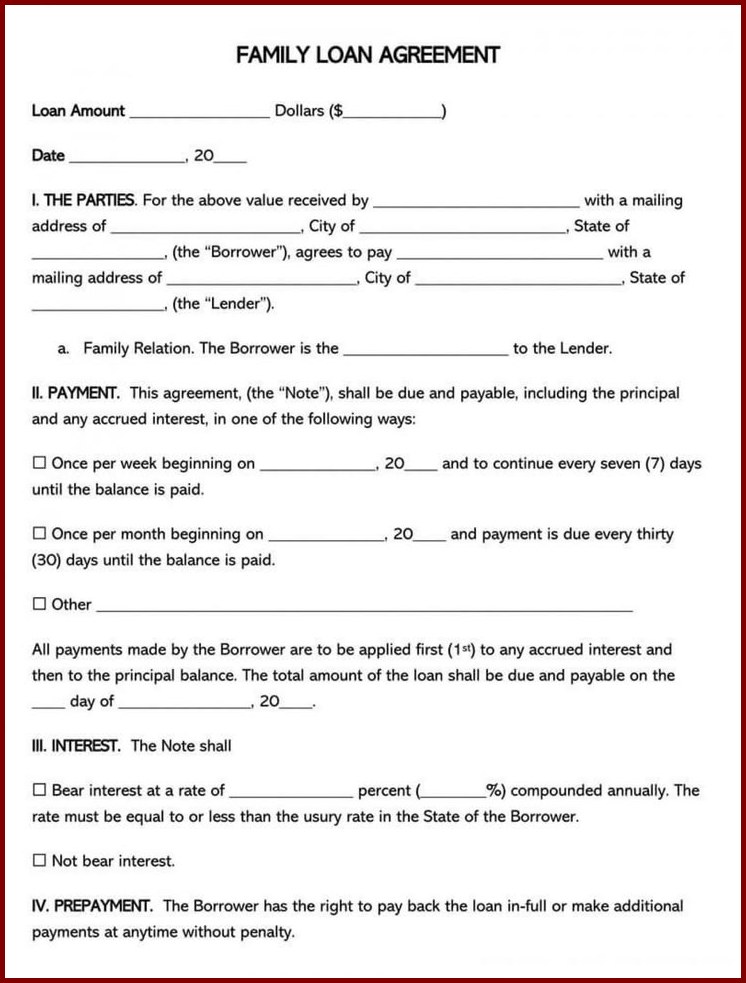
When creating a family loan agreement, several key components should be included:
- Names of the Parties: The agreement should clearly state the names of the borrower and the lender.
- Loan Amount: Specify the exact amount of money being borrowed.
- Interest Rate: If applicable, include the interest rate that will be charged on the loan.
- Repayment Schedule: Outline the repayment schedule, including the frequency of payments and the due dates.
- Late Fees: Consider including provisions for late fees in case the borrower fails to make timely payments.
- Collateral: If the loan is secured by collateral, describe the collateral in detail.
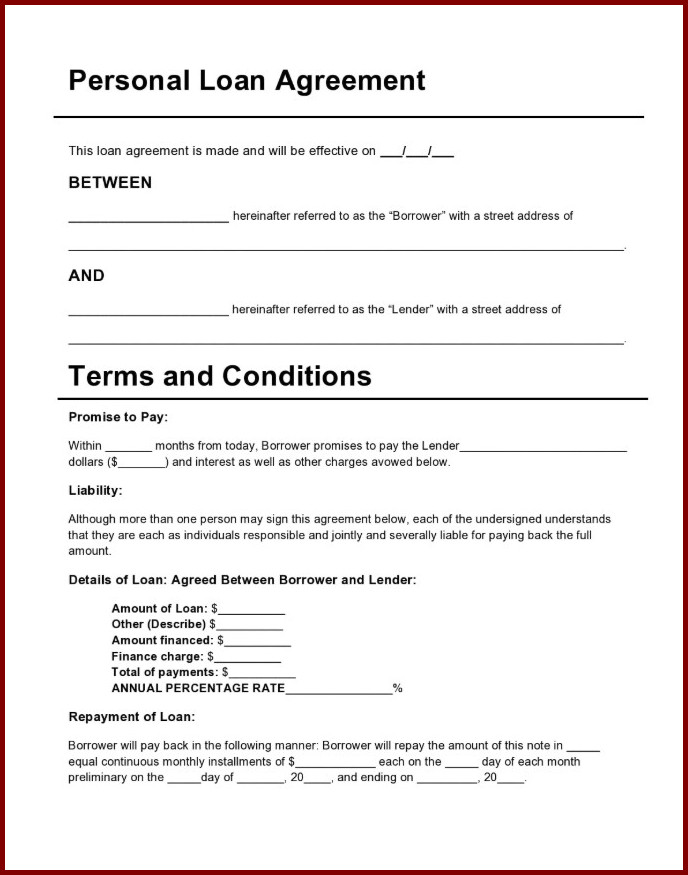
How to Create a Family Loan Agreement
Creating a family loan agreement is a straightforward process that can be done without the need for legal assistance. Follow these steps to draft a comprehensive agreement:
1. Discuss the Terms:
Before putting pen to paper, sit down with the borrower and lender to discuss the terms of the loan, including the loan amount, interest rate, and repayment schedule.
2. Write a Clear Agreement:
Write the agreement in clear and concise language that is easily understood by both parties. Be sure to include all the necessary details, such as the names of the parties, the loan amount, and the repayment terms.
3. Include Signature Lines:
Have both the borrower and the lender sign the agreement to indicate their acceptance of the terms. This will make the agreement legally binding.
4. Keep a Copy:
Make copies of the signed agreement for both parties to keep for their records. This will serve as a reference in case there are any disputes in the future.
Tips for Managing a Family Loan Agreement
Here are some tips for managing a family loan agreement effectively:
- Communication: Keep the lines of communication open throughout the repayment process to address any issues that may arise.
- Be Flexible: Be willing to discuss changes to the repayment schedule if the borrower experiences financial difficulties.
- Document Everything: Keep detailed records of all payments made and received to track the progress of the loan.
- Seek Legal Advice: If you have any concerns about the terms of the agreement, consider seeking legal advice to ensure that it is fair and legally binding.
By following the guidelines outlined in this guide, you can create a family loan agreement that protects both the borrower and the lender and ensures that the loan is repaid in a timely manner. Remember, it is always better to be safe than sorry when it comes to borrowing or lending money, especially within the family.
