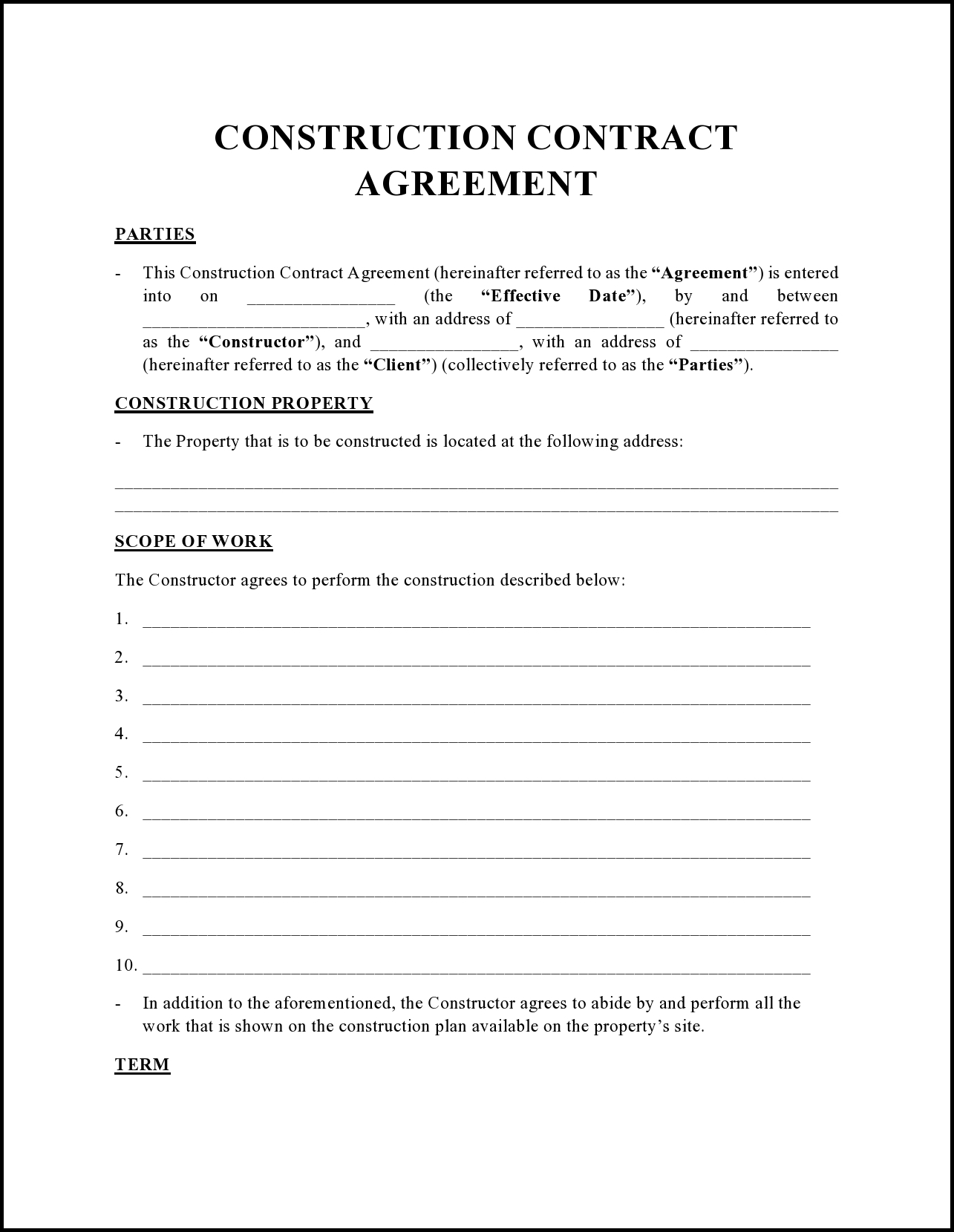
General contractor agreements are essential documents that outline the terms and conditions of a construction project. These agreements help ensure that both parties involved in the project are on the same page and understand their respective responsibilities.
In this comprehensive guide, we will cover everything you need to know about general contractor agreements, including what they are, why they are important, what to include in them, how to create one, and tips for negotiating a fair agreement.
What is a General Contractor Agreement?
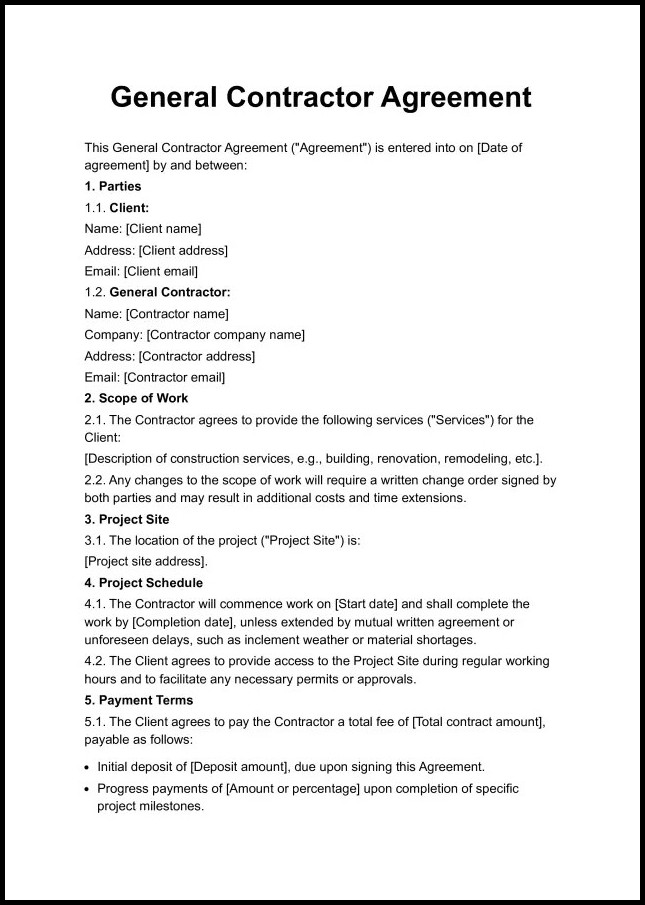
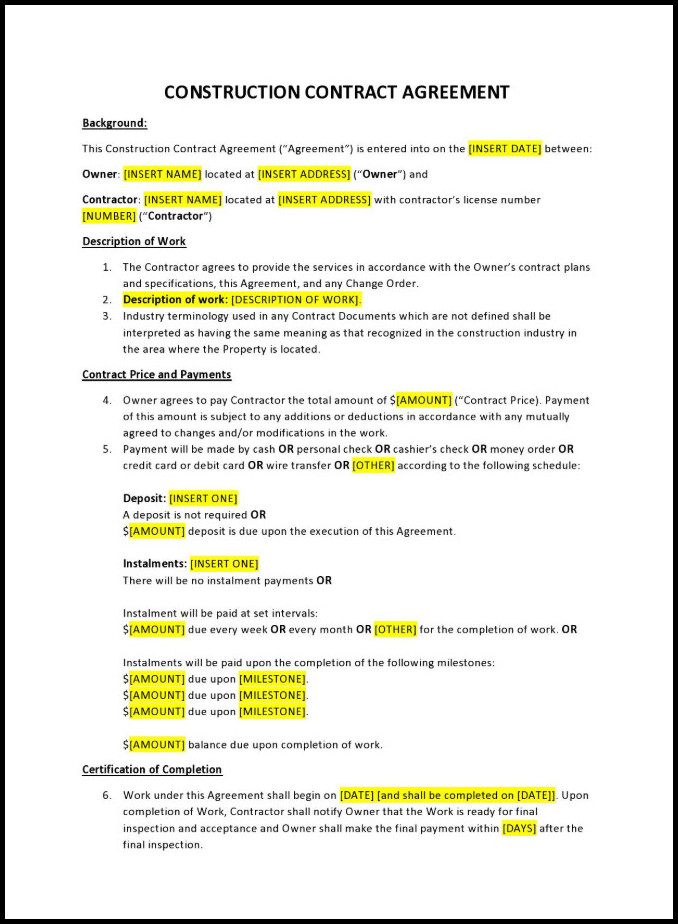
A general contractor agreement is a legally binding contract between a general contractor and a client (usually the property owner) that outlines the terms and conditions of a construction project.
This document typically includes details such as the scope of work, project timeline, payment schedule, warranties, and dispute resolution procedures. By signing a general contractor agreement, both parties agree to abide by the terms laid out in the contract throughout the duration of the project.
Why Are General Contractor Agreements Important?
General contractor agreements are important for several reasons. First and foremost, they help protect both parties involved in the construction project by clearly outlining their rights and responsibilities. Without a written agreement in place, disputes can easily arise, leading to delays, cost overruns, and potentially even legal action. By having a well-drafted general contractor agreement, both the contractor and the client can have peace of mind knowing that their interests are protected.
What to Include in a General Contractor Agreement
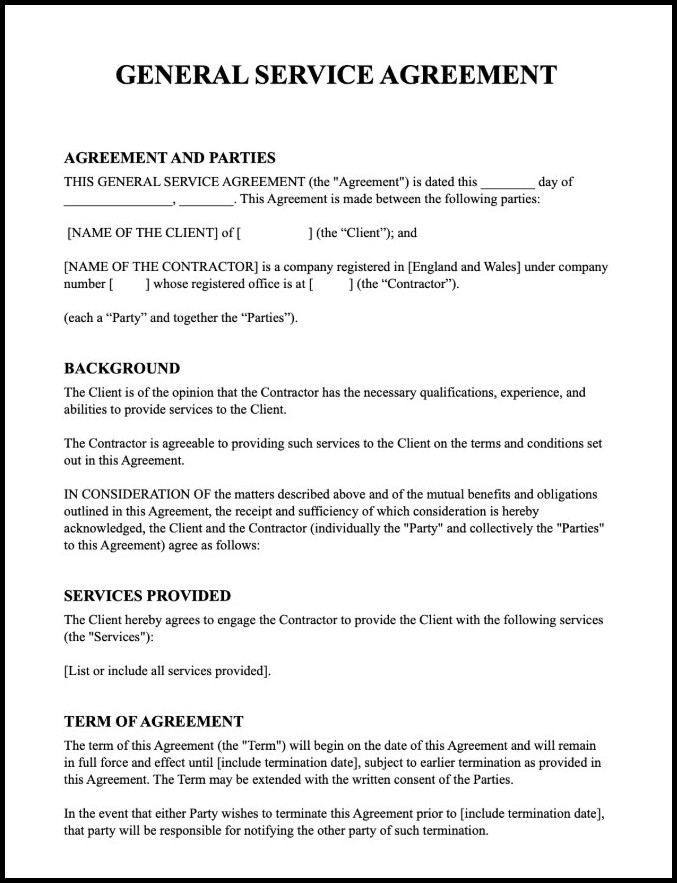
When creating a general contractor agreement, there are several key elements that should be included to ensure that the document is comprehensive and legally binding. Some of the most important things to include in a general contractor agreement are:
- Scope of Work. A detailed description of the work to be performed, including materials, labor, and equipment.
- Project Timeline. A schedule outlining the start and end dates of the project, as well as important milestones.
- Payment Schedule. A breakdown of the total project cost and how payments will be made, including any deposits or retainage.
- Warranties. Any warranties or guarantees provided by the contractor for the work performed.
- Insurance Requirements. Details on the insurance coverage required for the project, including liability and workers’ compensation insurance.
- Change Orders. Procedures for handling changes to the scope of work or project timeline.
- Dispute Resolution. A process for resolving any disputes that may arise during the project.
- Termination Clause. Conditions under which either party can terminate the agreement.
How to Create a General Contractor Agreement
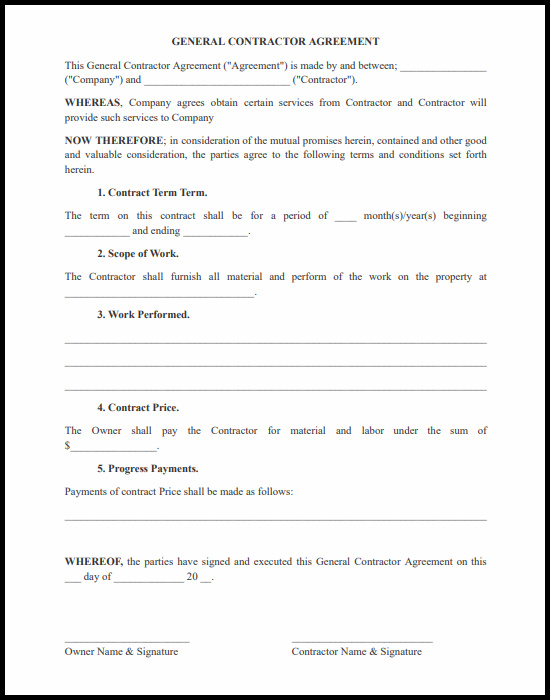
Creating a general contractor agreement can be a complex process, but it is essential to ensure that all parties involved in the project are on the same page. Here is a step-by-step guide to help you create a comprehensive general contractor agreement:
1. Identify the Parties
Start by clearly identifying the parties involved in the agreement, including the general contractor, client, and any subcontractors or suppliers.
2. Describe the Project
Provide a detailed description of the project, including the scope of work, materials to be used, and any relevant specifications.
3. Outline the Payment Terms
Specify the total project cost, payment schedule, and any penalties for late payments or changes to the payment terms.
4. Include Insurance Requirements
Detail the insurance coverage required for the project, including liability insurance, workers’ compensation insurance, and any other relevant policies.
5. Address Change Orders
Outline the procedures for handling changes to the scope of work, project timeline, or payment schedule.
6. Include Warranties and Guarantees
Specify any warranties or guarantees provided by the contractor for the work performed.
7. Include Dispute Resolution Procedures
Detail the process for resolving any disputes that may arise during the project, including mediation or arbitration clauses.
8. Include a Termination Clause
Specify the conditions under which either party can terminate the agreement, including notice requirements and any penalties for early termination.
9. Review and Sign the Agreement
Once the agreement has been drafted, review it carefully with all parties involved and make any necessary revisions before signing.
10. Keep Copies of the Agreement
Make sure to keep copies of the signed agreement for your records, and provide copies to all parties involved in the project.
Tips for Negotiating a General Contractor Agreement
When negotiating a general contractor agreement, it is important to keep a few key tips in mind to ensure that you get a fair deal and protect your interests. Some tips for negotiating a general contractor agreement include:
- Get Multiple Bids. Obtain bids from multiple contractors to compare pricing and services offered.
- Clarify Expectations. Clearly communicate your expectations for the project, including timelines, budgets, and quality standards.
- Ask for References. Request references from past clients to ensure the contractor has a good track record.
- Include Penalties for Delays. Specify penalties for delays in the project timeline to ensure that the contractor stays on schedule.
- Consult with an Attorney. Consider consulting with a construction law attorney to review the agreement and ensure that your rights are protected.
- Document Everything. Keep detailed records of all communications, change orders, and payments related to the project.
- Stay Involved. Stay involved in the project and regularly communicate with the contractor to address any issues that may arise.
By following these tips and creating a comprehensive general contractor agreement, you can help ensure a successful construction project and protect your interests throughout the process.
