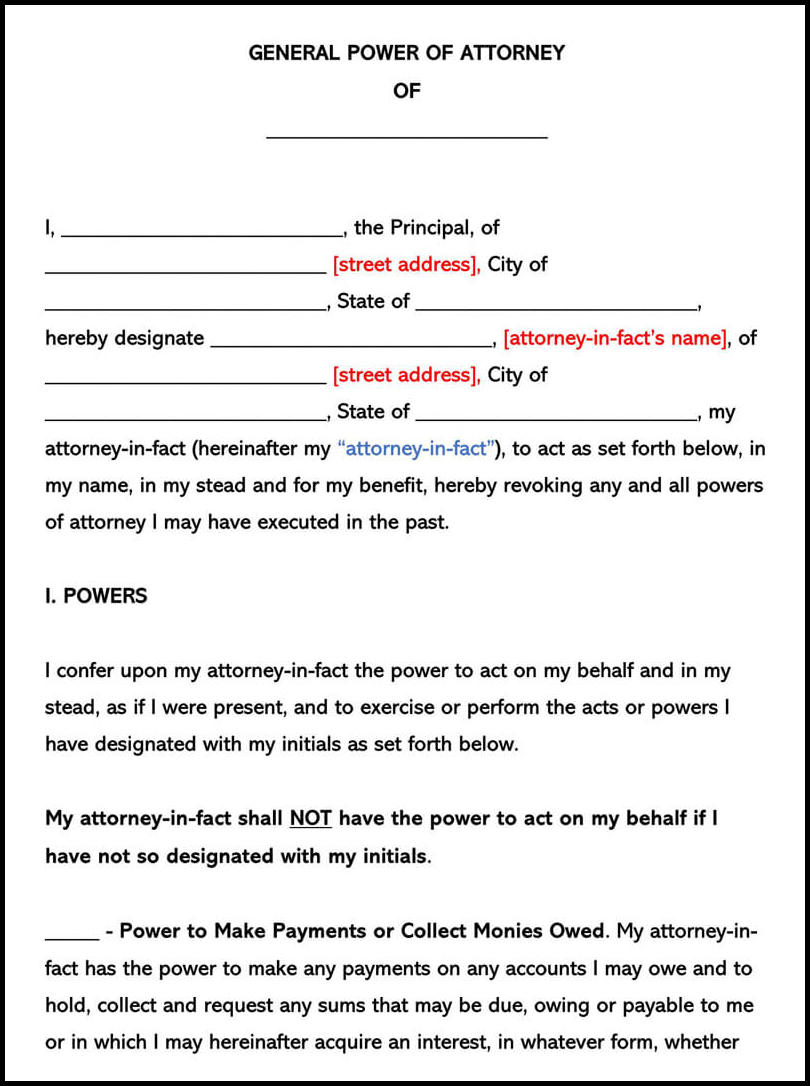
When it comes to legal matters, understanding the intricacies of different types of power of attorney can be overwhelming. One such type is the general power of attorney, a document that grants someone else the authority to make financial and legal decisions on your behalf.
In this comprehensive guide, we will delve into what general power of attorney entails, why it is important, what to include in the document, how to establish it, tips for choosing the right person, and much more.
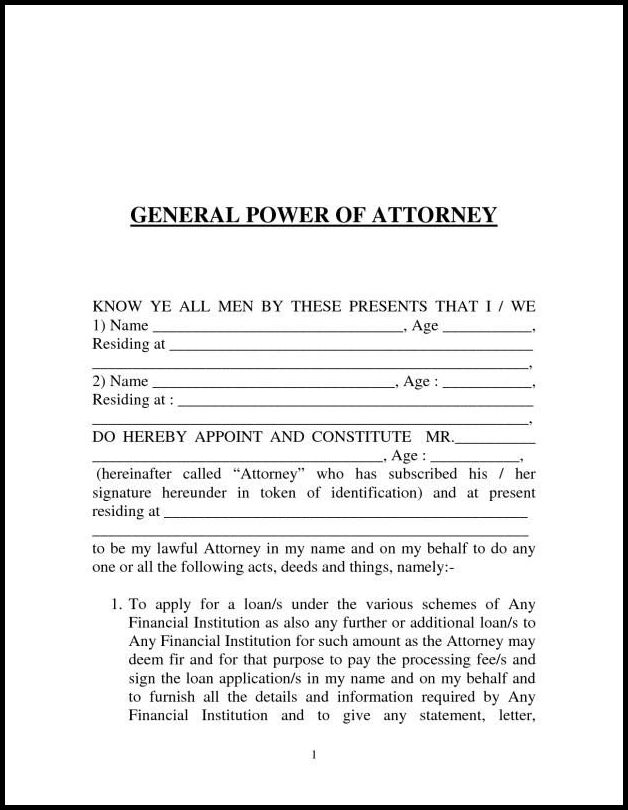
What is a General Power of Attorney?
A general power of attorney is a legal document that allows an individual, known as the principal, to appoint another person, referred to as the agent or attorney-in-fact, to handle a broad range of financial and legal matters on their behalf. This authority can include tasks such as managing bank accounts, signing contracts, filing taxes, and making healthcare decisions.
Why is a General Power of Attorney Important?
There are several reasons why having a general power of attorney in place can be crucial. If you become incapacitated or are unable to handle your affairs, having a trusted individual designated to act on your behalf can provide peace of mind. It ensures that your financial and legal matters are taken care of according to your wishes, even if you are unable to communicate them yourself.
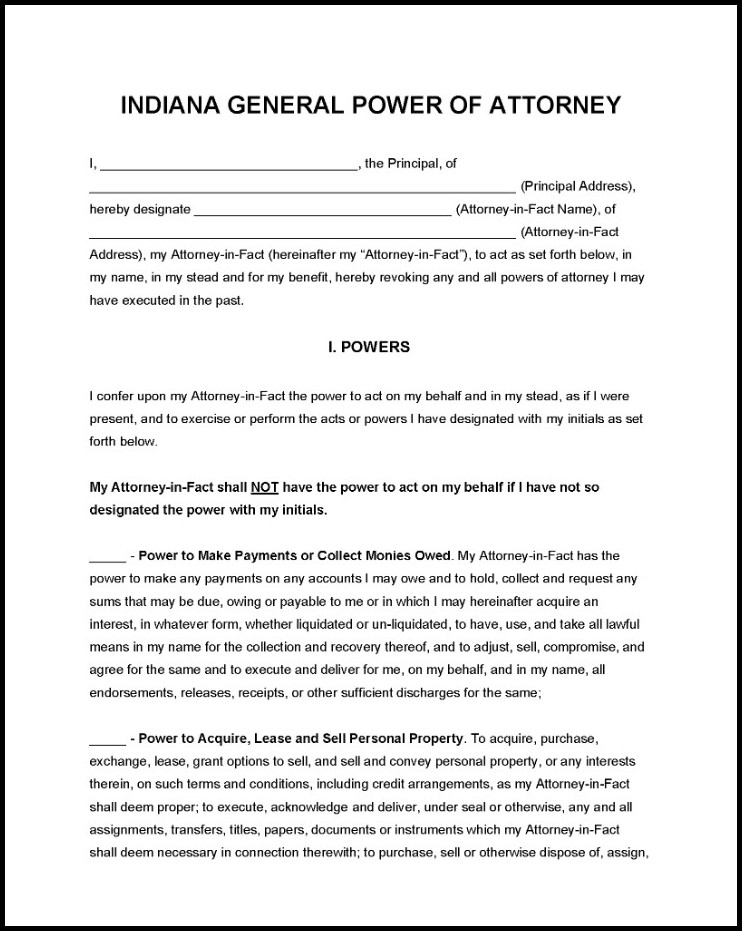
What to Include in a General Power of Attorney Document
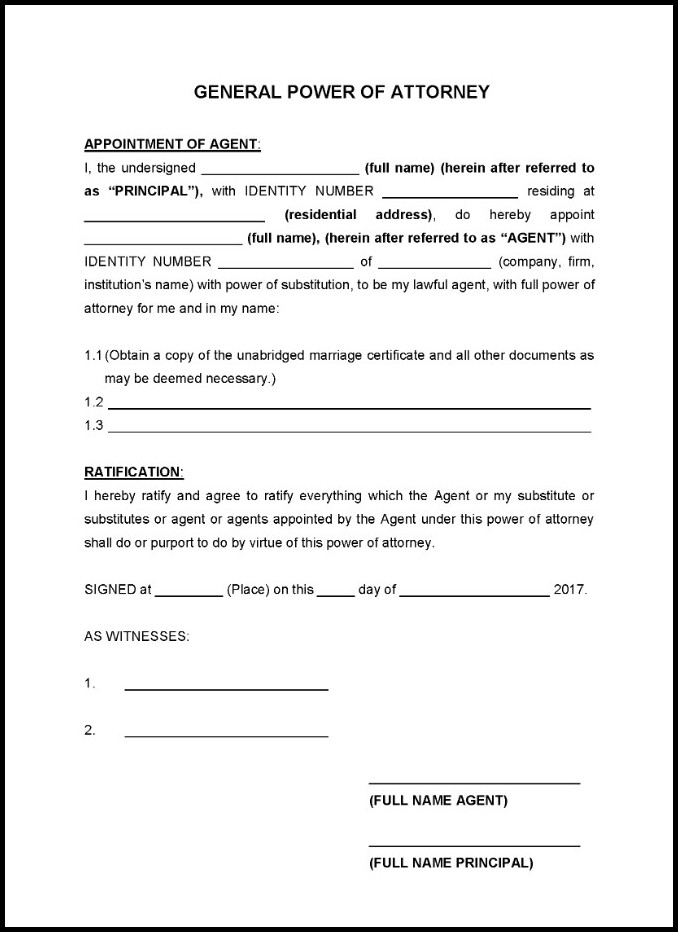
When creating a general power of attorney document, it is important to include specific details to ensure clarity and avoid any misunderstandings. Some key components to consider including are:
- Identification of the Parties. Clearly identify the principal and the agent involved.
- Powers Granted. Outline the specific powers that the agent will have, such as managing finances, real estate transactions, and healthcare decisions.
- Duration of Authority. Specify whether the power of attorney is effective immediately or only upon incapacity.
- Signing Requirements. Detail the necessary steps for the document to be legally executed.
- Revocation Clause. Include language that allows the principal to revoke the power of attorney at any time.
How to Establish a General Power of Attorney
Establishing a general power of attorney involves several steps to ensure that the document is legally binding and enforceable. Here are some general guidelines to follow:
1. Consult with an Attorney
Seeking advice from a qualified attorney who specializes in estate planning and power of attorney documents can help ensure that your interests are protected and that the document complies with state laws.
2. Choose a Trusted Agent
Selecting a trustworthy and responsible individual to act as your agent is crucial. Consider someone who understands your wishes and is capable of handling the responsibilities associated with a power of attorney.
3. Draft the Document
Work with your attorney to draft the general power of attorney document, including all necessary details and provisions. Make sure to review the document carefully before signing.
4. Sign and Notarize the Document
Both the principal and the agent must sign the document in the presence of a notary public to ensure its validity. This step may vary depending on state laws, so it is essential to follow the specific requirements in your jurisdiction.
5. Distribute Copies
Provide copies of the signed and notarized document to all relevant parties, including financial institutions, healthcare providers, and family members. This will ensure that everyone is aware of the agent’s authority.
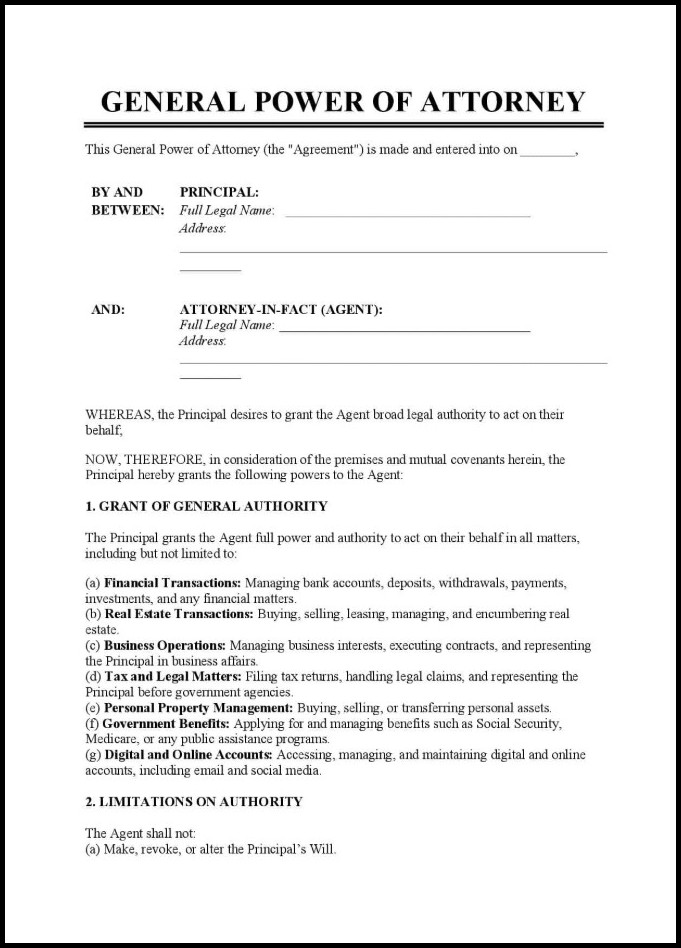
Tips for Choosing the Right Person as Your Agent
When selecting an individual to act as your agent in a general power of attorney document, consider the following tips:
- Trustworthiness. Choose someone you trust implicitly to act in your best interests.
- Responsibility. Select a person who is capable of handling financial and legal matters responsibly.
- Communication. Ensure that your agent understands your wishes and is willing to communicate with you and other stakeholders as needed.
- Availability. Pick someone who is readily available and willing to take on the responsibilities of being your agent.
- Backup Agent. Consider appointing a backup agent in case your primary agent is unable to fulfill their duties.
Conclusion
In conclusion, a general power of attorney can be a valuable tool for ensuring that your financial and legal affairs are managed effectively in the event of incapacity. By understanding what general power of attorney entails, why it is important, what to include in the document, how to establish it, and tips for choosing the right person as your agent, you can make informed decisions to protect your interests and secure your future.
General Power of Attorney Template – Word
