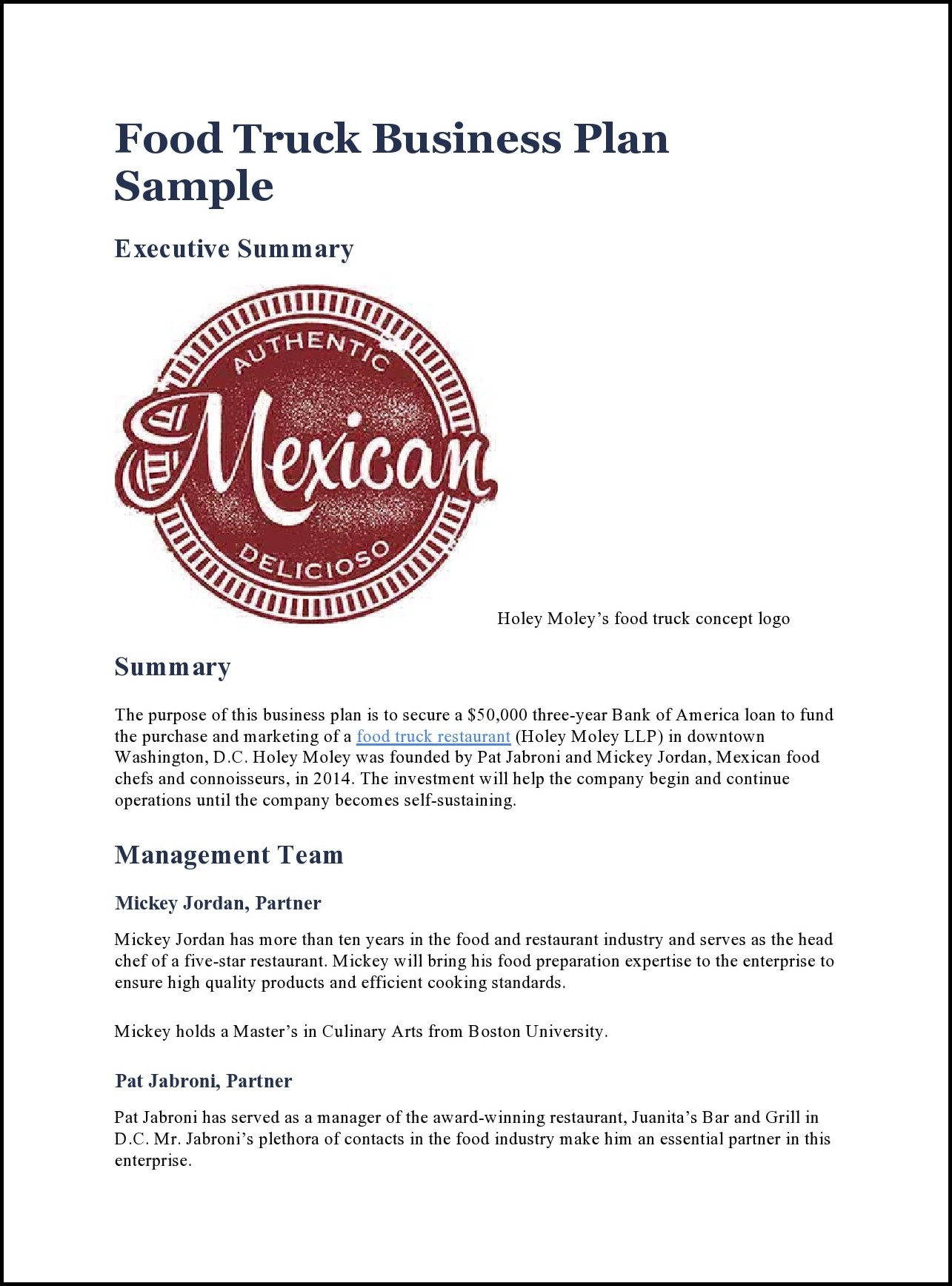
Starting a food truck business can be an exciting venture that allows you to share your passion for food with a wide audience. However, before you hit the road with your mobile kitchen, it’s essential to have a solid business plan in place. A well-thought-out food truck business plan will not only help you navigate the complexities of the industry but also attract investors and lenders who can provide the necessary funding to get your business off the ground.
In this article, we will delve into the intricacies of creating a comprehensive food truck business plan that sets you up for success.
What is a Food Truck Business Plan?
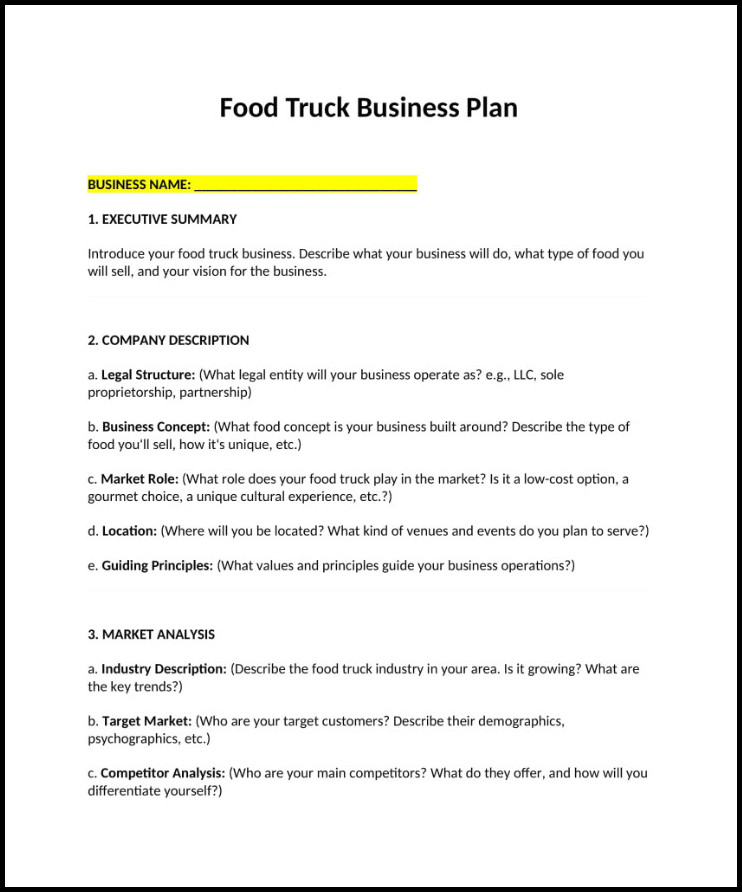
A food truck business plan is a document that outlines your business goals, strategies, and financial projections. It serves as a roadmap for your food truck operation, guiding you through the steps needed to launch and grow your business successfully.
A well-crafted business plan should clearly define your target market, competition, menu offerings, pricing strategy, marketing tactics, and operational plan.
Why is a Food Truck Business Plan Important?
A food truck business plan is crucial for several reasons:
- Guides Decision Making: A business plan helps you make informed decisions about your food truck operation, ensuring that every step you take aligns with your overarching goals.
- Attracts Investors: Investors and lenders often require a business plan before considering funding your food truck. A well-prepared plan demonstrates your commitment to the business and increases the likelihood of securing financial support.
- Sets Goals and Strategies: By outlining your goals and strategies in the business plan, you have a clear roadmap to follow, making it easier to track progress and adjust strategies as needed.
- Identifies Potential Challenges: A thorough business plan helps you anticipate potential challenges and develop contingency plans to address them, reducing the risk of unexpected setbacks.
What to Include in a Food Truck Business Plan
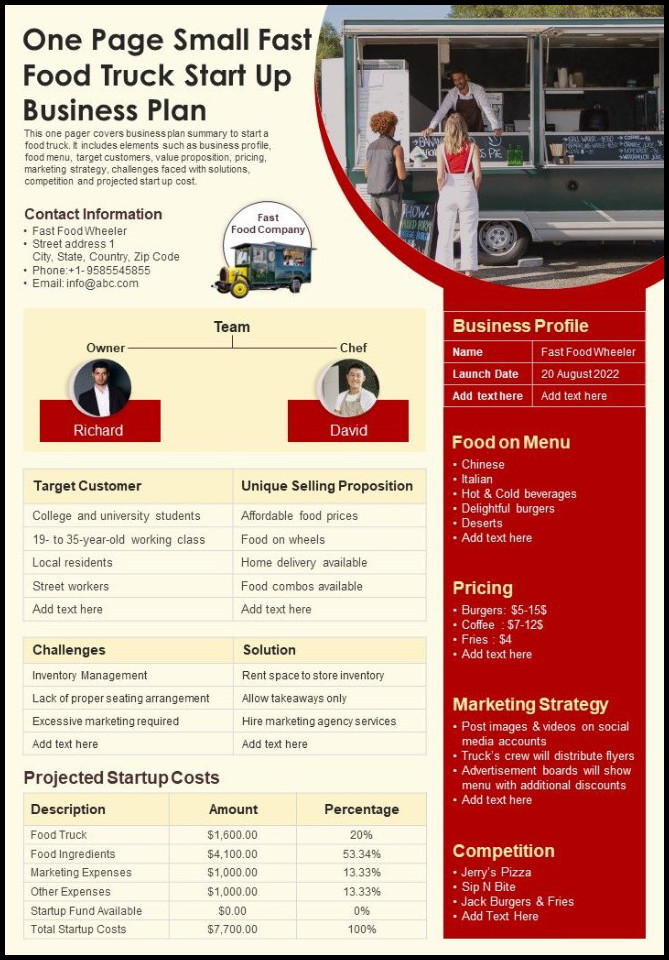
When creating a food truck business plan, consider including the following key components:
- Executive Summary: An overview of your food truck business, including your mission statement, target market, and goals.
- Market Analysis: Research on your target market, competition, and industry trends to identify opportunities and challenges.
- Menu and Pricing Strategy: Details of your menu offerings, pricing strategy, and sourcing of ingredients.
- Marketing Plan: Strategies for promoting your food truck, attracting customers, and building brand awareness.
- Operational Plan: Information on your food truck operation, including location, hours of operation, staffing, and equipment.
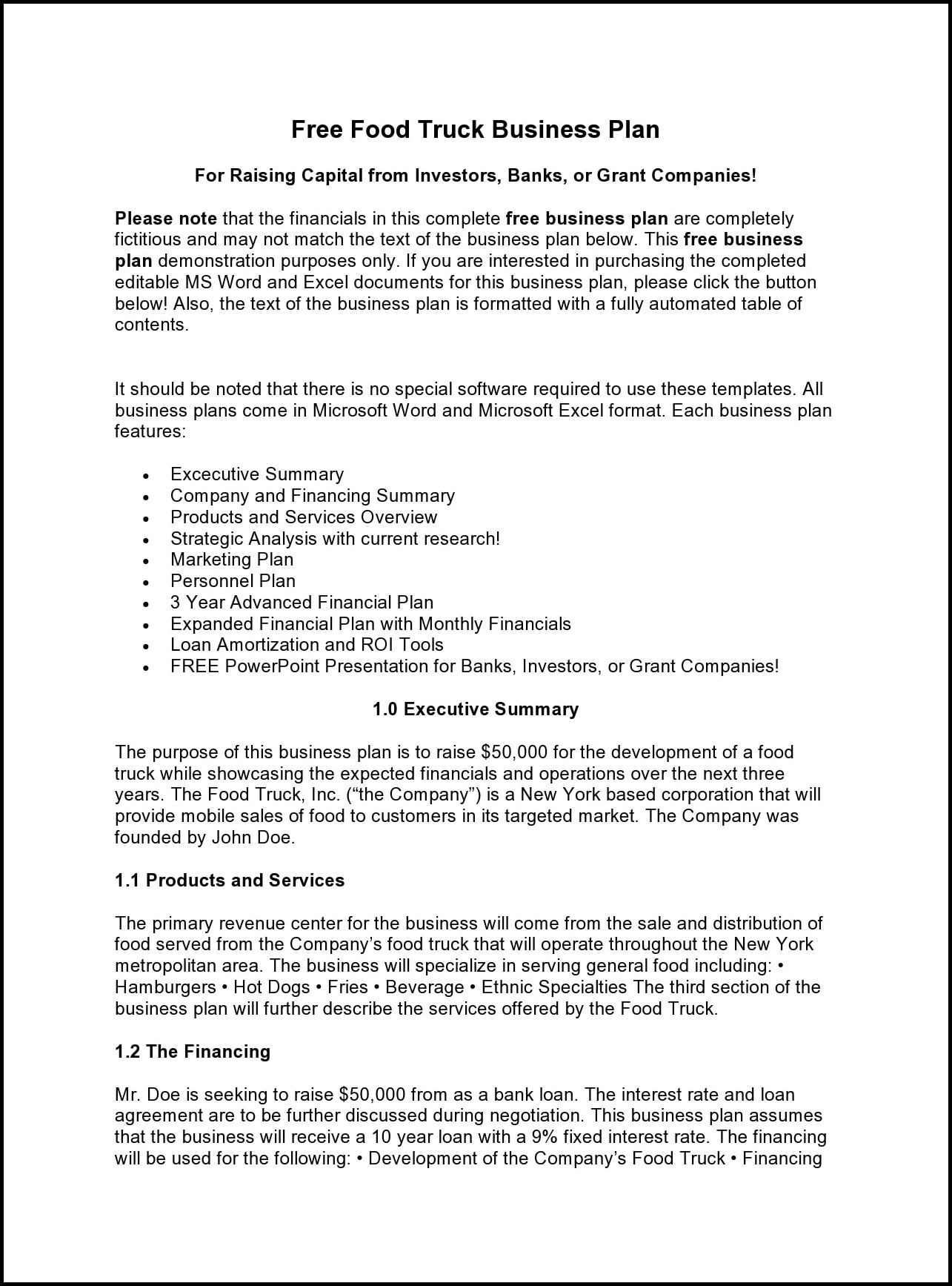
- Financial Projections: Revenue forecasts, budgeting, and cash flow projections to demonstrate the financial viability of your food truck business.
- Risk Management: Identification of potential risks and strategies to mitigate them, such as insurance coverage and contingency plans.
How to Write a Food Truck Business Plan
Writing a food truck business plan can be a daunting task, but breaking it down into manageable steps can simplify the process. Here are some tips to help you create a comprehensive business plan for your food truck:
- Research Thoroughly: Conduct market research to understand your target market, competition, and industry trends. Use this information to shape your business strategies.
- Define Your Unique Selling Proposition: Clearly articulate what sets your food truck apart from competitors and why customers should choose you.
- Create a Detailed Operational Plan: Outline the day-to-day operations of your food truck, including location, hours of operation, staffing, and equipment needs.
- Develop a Marketing Strategy: Identify your target market and create a marketing plan to reach and engage customers. Utilize social media, events, and partnerships to promote your food truck.
- Set Realistic Financial Projections: Develop revenue forecasts, budgets, and cash flow projections based on thorough research and realistic assumptions.
- Seek Feedback: Share your business plan with mentors, advisors, or industry experts to gain valuable feedback and insights to improve it.
Tips for Success in the Food Truck Business
Running a successful food truck business requires more than just a well-written business plan. Here are some additional tips to help you thrive in the competitive food truck industry:
- Focus on Quality: Serve high-quality, delicious food that keeps customers coming back for more.
- Be Customer-Centric: Build strong relationships with your customers, listen to their feedback, and continuously improve your offerings.
- Stay Flexible: Adapt to changing market trends, customer preferences, and operational challenges to stay ahead of the competition.
- Invest in Marketing: Promote your food truck through social media, local events, and partnerships to attract new customers and increase visibility.
- Maintain Consistency: Deliver consistent quality and service to build trust and loyalty among your customer base.
- Stay Compliant: Ensure that you comply with all local health and safety regulations to maintain the reputation and integrity of your food truck business.
- Embrace Innovation: Stay ahead of the curve by incorporating new menu items, technologies, and trends to keep your offerings fresh and exciting.
Conclusion
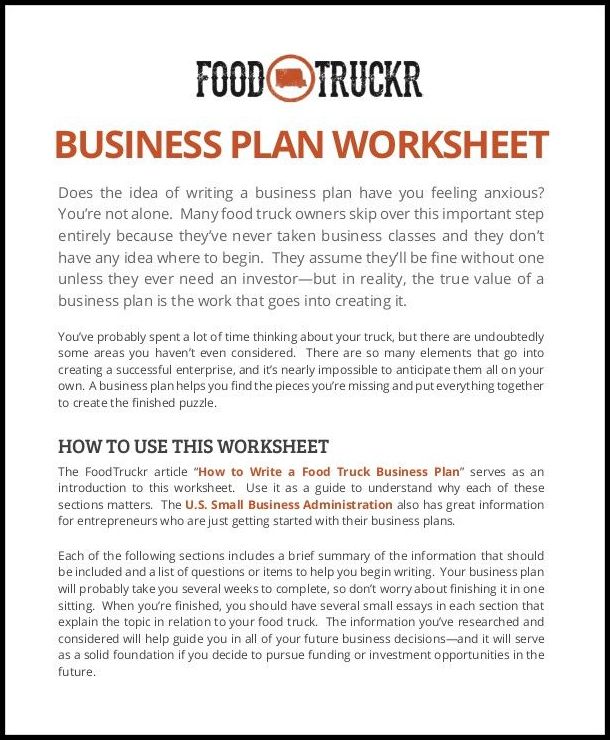
Creating a food truck business plan is a critical step in launching a successful mobile food business. By meticulously outlining your goals, strategies, and financial projections, you set yourself up for success and increase your chances of securing funding from investors and lenders. Remember to conduct thorough research, define your unique selling proposition, and seek feedback from industry experts to refine your business plan. With a well-crafted plan and a commitment to quality and customer satisfaction, you can navigate the challenges of the food truck industry and build a thriving business on wheels.
