In the world of business, invoices are essential documents that detail the products or services provided, along with the agreed-upon payment terms. One common type of invoice is the generic invoice, which is a versatile template that can be customized to fit various industries and businesses.
Whether you’re a freelance professional, a small business owner, or a large corporation, understanding the basics of generic invoices can streamline your billing process and help ensure timely payments.
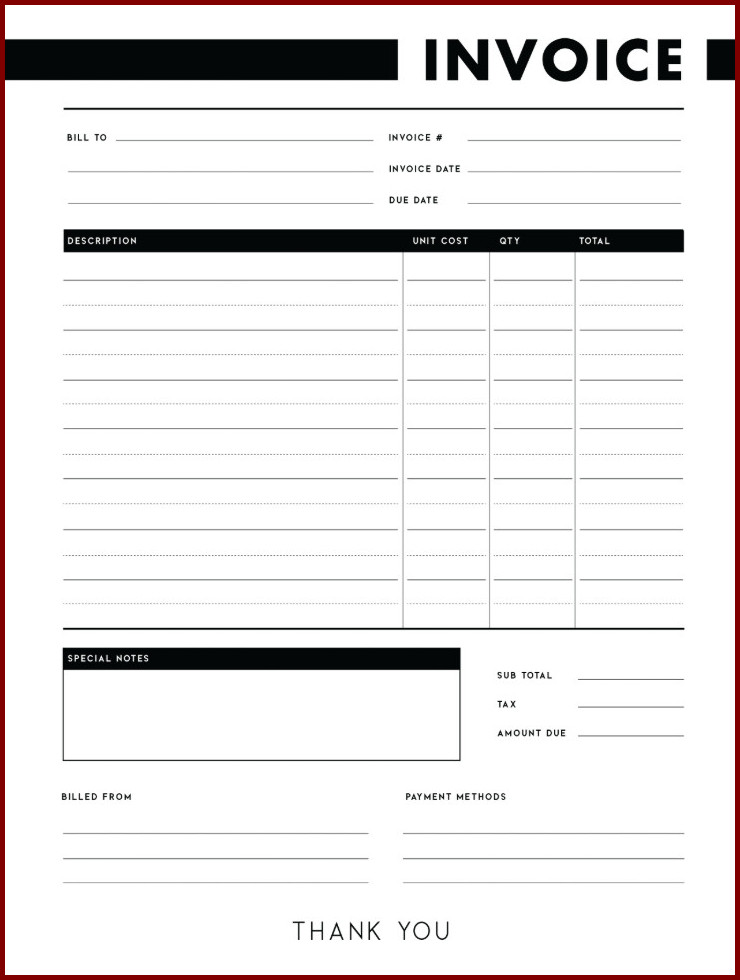
What is a Generic Invoice?
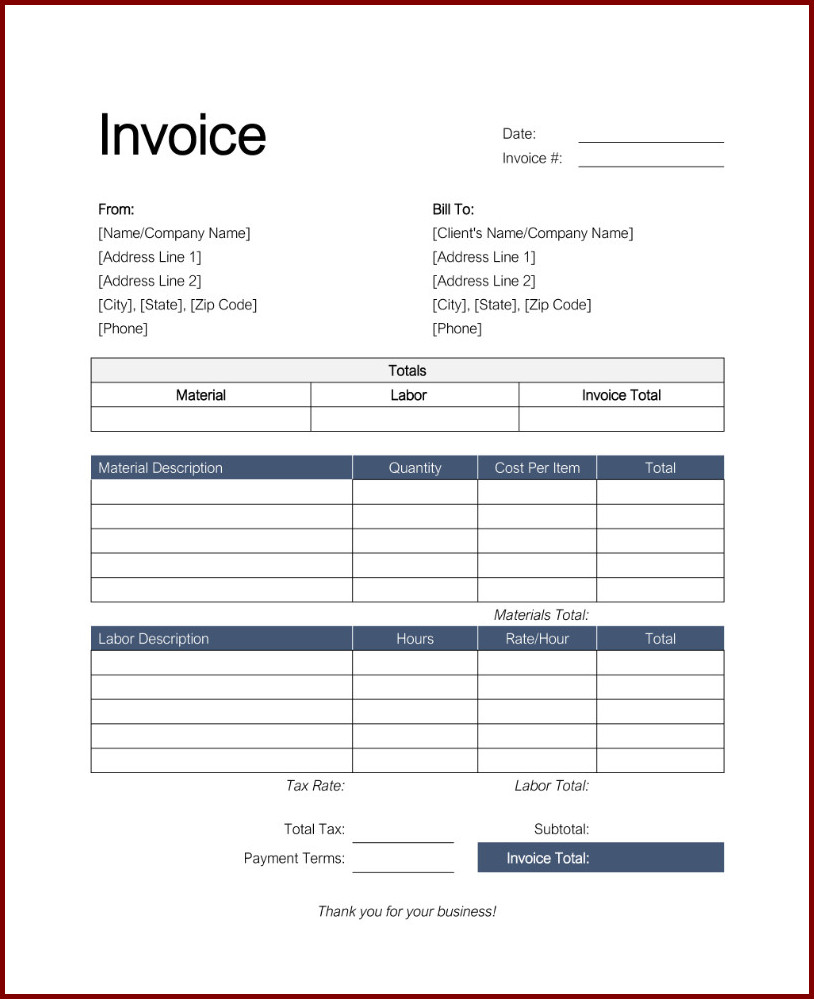
A generic invoice is a standardized billing document that includes key information such as the seller’s contact details, the buyer’s contact details, a description of the goods or services provided, the quantity, the price, and the total amount due. Unlike custom invoices that are tailored to specific industries or businesses, generic invoices are more flexible and can be used by a wide range of companies.
Generic invoices are typically simple in design, with a clean layout that makes it easy for both the seller and the buyer to understand the details of the transaction. They are often used for one-time sales or services, where a personalized invoice may not be necessary.
Why Use a Generic Invoice?
Using a generic invoice has several benefits for businesses of all sizes. One of the main advantages is the time and cost savings associated with using a pre-designed template. Instead of creating a new invoice from scratch for each transaction, you can simply fill in the blanks on a generic invoice template and send it to your client.
Generic invoices also provide a professional appearance, as they are typically well-designed and include all the necessary information for a clear and concise billing statement. This can help build trust with your clients and create a positive impression of your business.
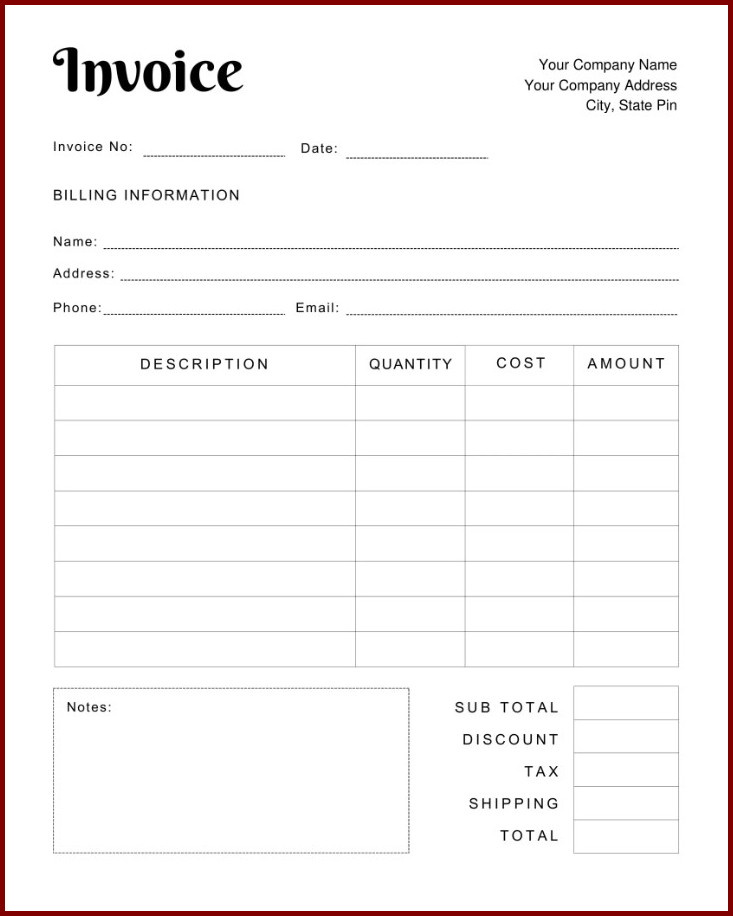
What to Include in a Generic Invoice
When creating a generic invoice, it’s important to include the following key elements:
- Sender Information. Include your company name, address, phone number, and email address.
- Recipient Information. Include the client’s name, address, phone number, and email address.
- Invoice Number. Assign a unique identifier to each invoice for tracking purposes.
- Invoice Date. The date the invoice is issued.
- Description of Goods or Services. Clearly outline what was provided to the client.
- Quantity and Price. Include the quantity of items or hours worked and the unit price.
- Total Amount Due. Calculate the total amount owed by the client.
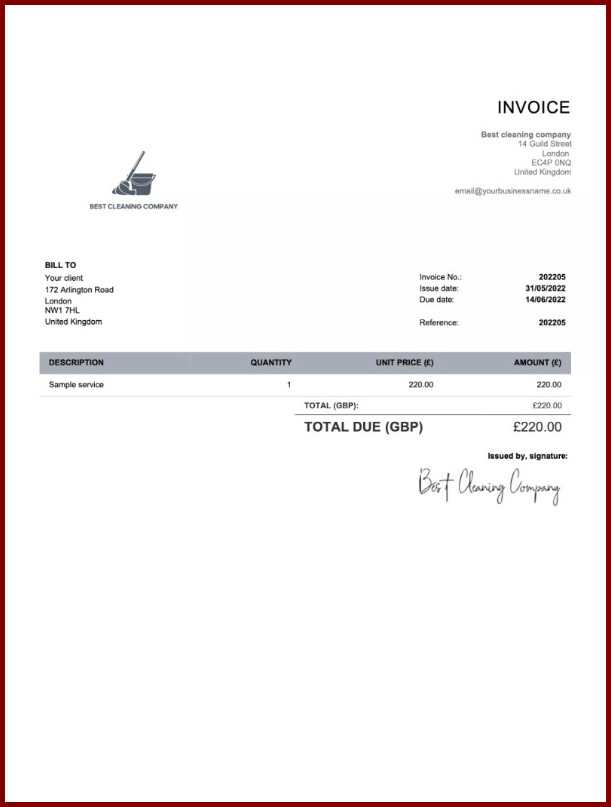
How to Create a Generic Invoice
Creating a generic invoice is a straightforward process. You can either use a pre-designed template available in software programs like Microsoft Word or Excel, or you can create your own template using a word processing or spreadsheet program. Simply input the necessary information into the template, customize it to fit your branding, and save it for future use.
For businesses that send out multiple invoices each month, investing in accounting software or online invoicing platforms can streamline the invoicing process and help track payments more efficiently. These tools often come with built-in invoice templates that can be customized to fit your needs.
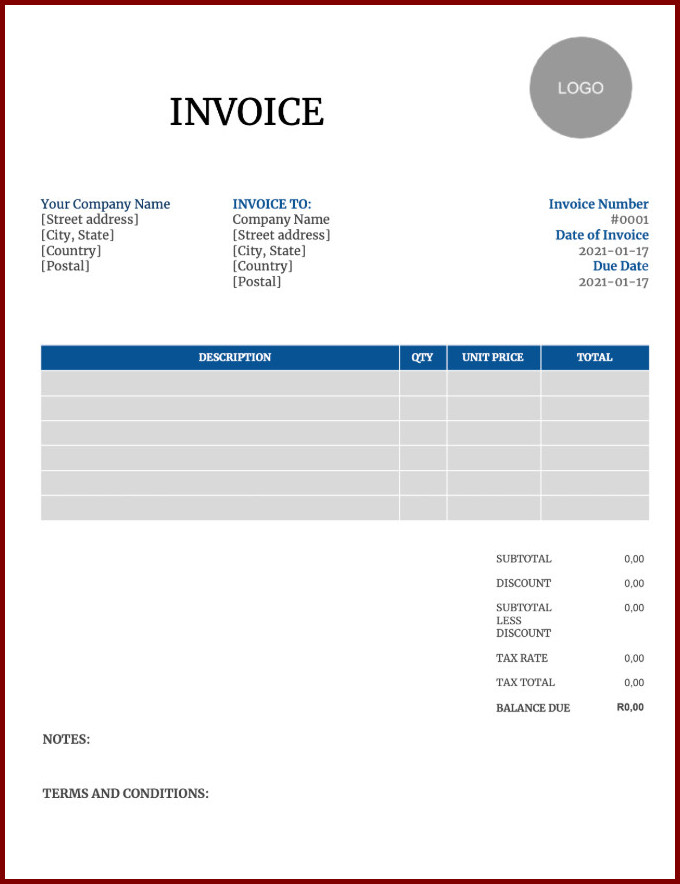
Tips for Using Generic Invoices
- Keep it Simple. Avoid cluttering your invoice with unnecessary information. Stick to the essentials to ensure clarity.
- Be Consistent. Use the same template for all your invoices to maintain a professional image.
- Include Payment Terms. Clearly state the payment due date and accepted payment methods on your invoice.
- Send Promptly. Send out your invoices promptly after completing the work to expedite the payment process.
- Follow Up. Don’t be afraid to follow up with clients who have overdue invoices to ensure timely payments.
- Save Copies. Keep copies of all your invoices for record-keeping and tax purposes.
- Customize as Needed. While generic invoices are versatile, don’t hesitate to customize them to fit your specific business needs.
Conclusion
In conclusion, generic invoices are a valuable tool for businesses looking to streamline their billing process and ensure timely payments from clients. By understanding the basics of generic invoices and following best practices for invoicing, you can maintain a professional image and build trust with your customers. Whether you’re a freelancer, a small business owner, or a large corporation, using generic invoices can help simplify your financial transactions and keep your business running smoothly.
