Lead-based paint disclosure forms are an important aspect of real estate transactions, particularly for properties built before 1978. These forms provide vital information to potential buyers about the presence of lead-based paint in a property and the potential risks associated with it. In this guide, we will delve into the intricacies of lead-based paint disclosure forms, why they are necessary, what information should be included, how to properly fill them out, and tips for successful disclosure.
What is a Lead-Based Paint Disclosure Form?
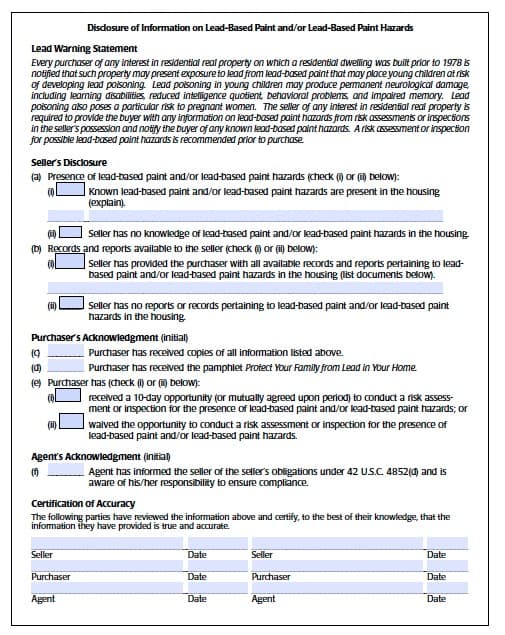
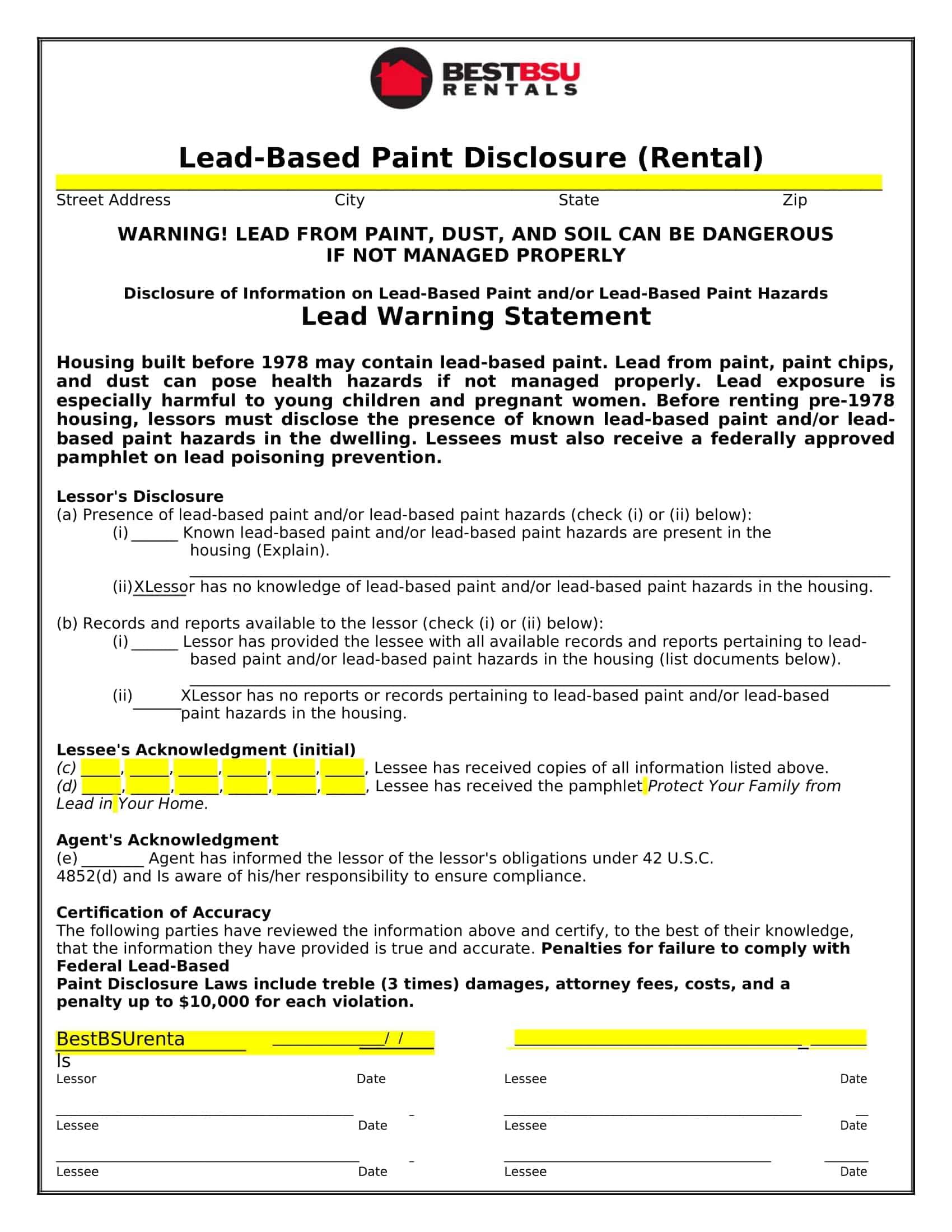
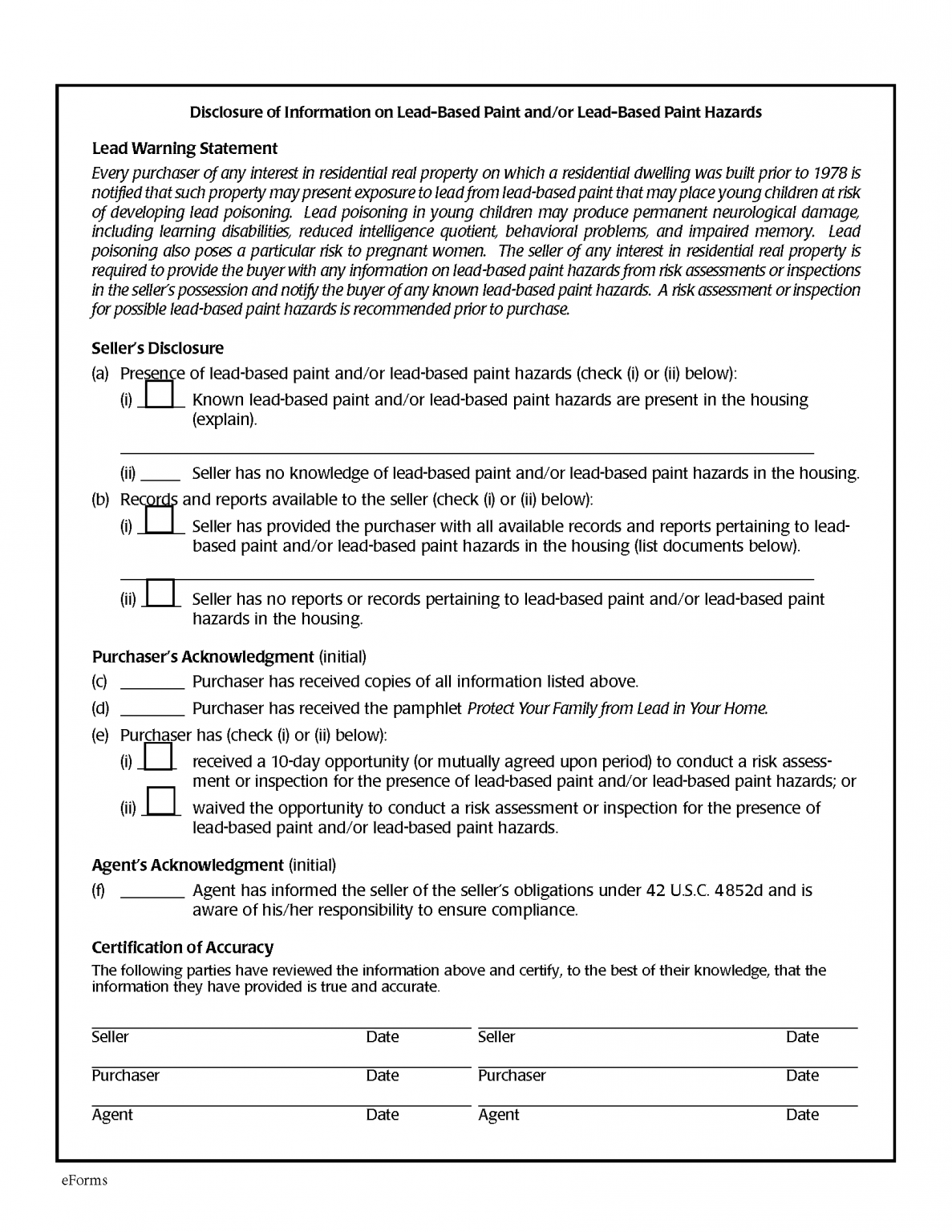
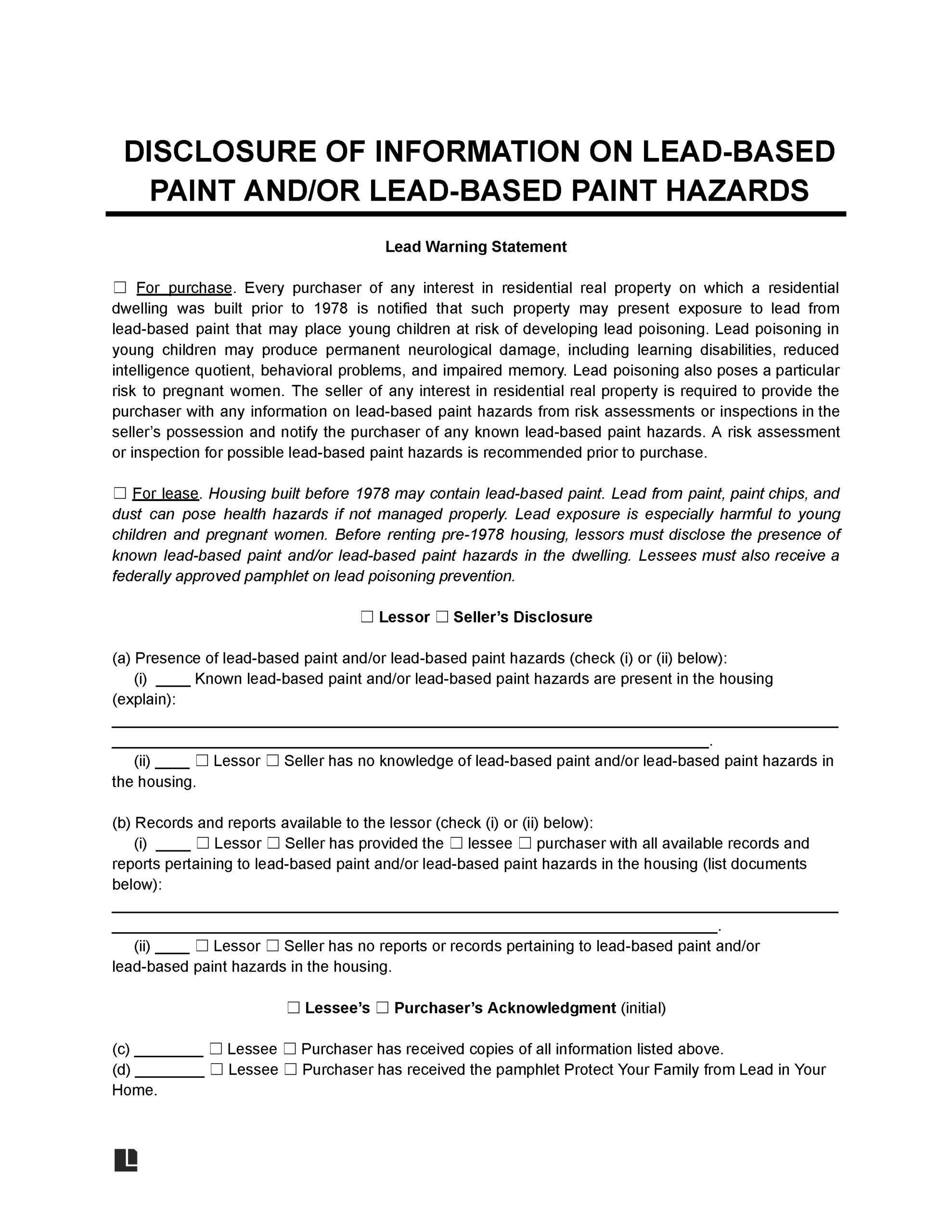
Lead-based paint disclosure forms are mandated by federal law for properties built before 1978. These forms require sellers to disclose any known information about the presence of lead-based paint in the property, as well as provide buyers with important information about the potential risks associated with lead exposure. Failure to properly disclose this information can result in legal consequences for the seller.
Lead-based paint was commonly used in homes before 1978, and it can pose serious health risks, especially to young children and pregnant women. The disclosure form is designed to ensure that buyers are fully informed about the presence of lead-based paint in a property before purchasing it, allowing them to make an educated decision about whether or not to proceed with the purchase.
Why are Lead-Based Paint Disclosure Forms Necessary?
Lead-based paint disclosure forms are necessary to protect both buyers and sellers in real estate transactions. By providing buyers with information about the presence of lead-based paint in a property, sellers can avoid potential legal issues and ensure that buyers are fully informed before making a purchase. For buyers, these forms are essential for understanding the potential risks associated with lead exposure and making an informed decision about whether or not to proceed with the purchase.
What to Include in a Lead-Based Paint Disclosure Form
When filling out a lead-based paint disclosure form, several key pieces of information should be included:
– Information about the presence of lead-based paint in the property
– Any known hazards or risks associated with lead exposure
– Dates and results of any previous lead inspections
– Any available records or reports related to lead-based paint in the property
It is important to be thorough and accurate when filling out a lead-based paint disclosure form to ensure that all relevant information is provided to potential buyers.
Examples
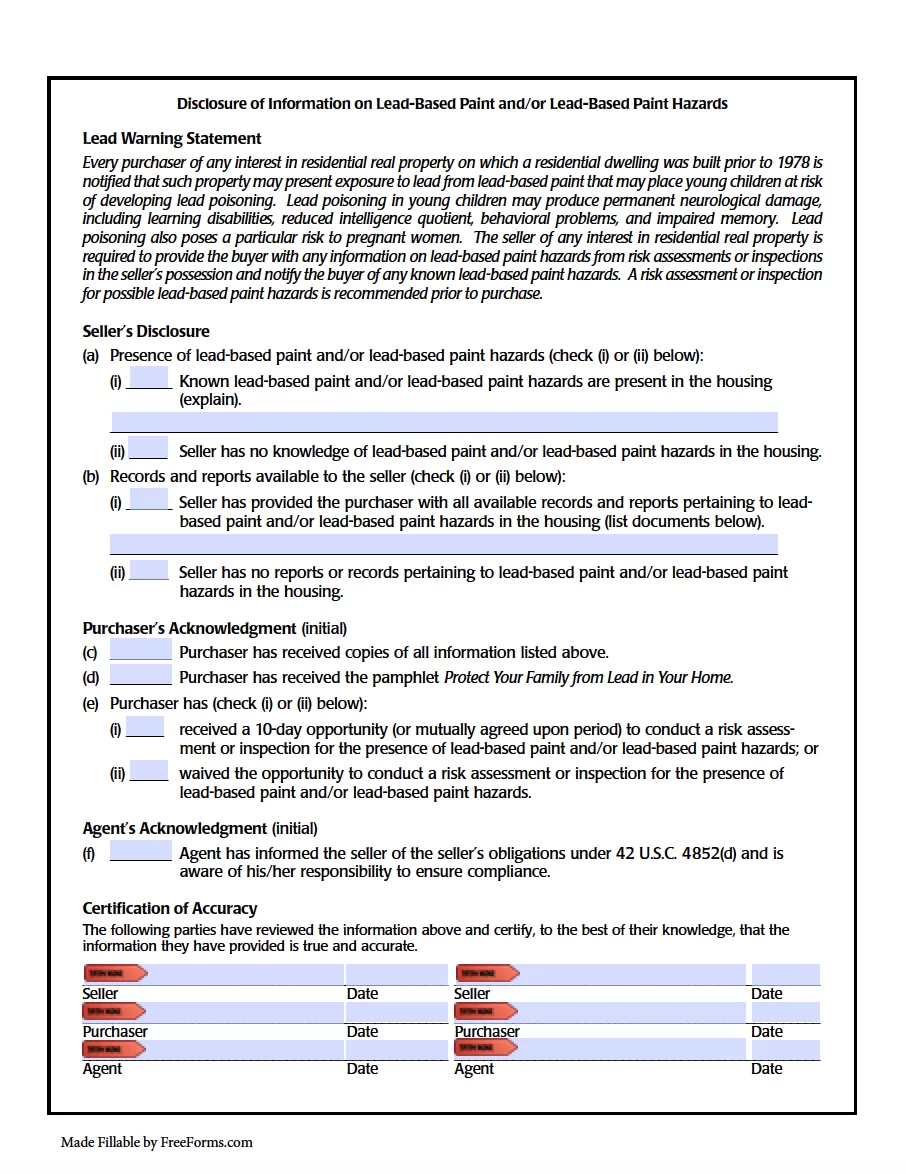
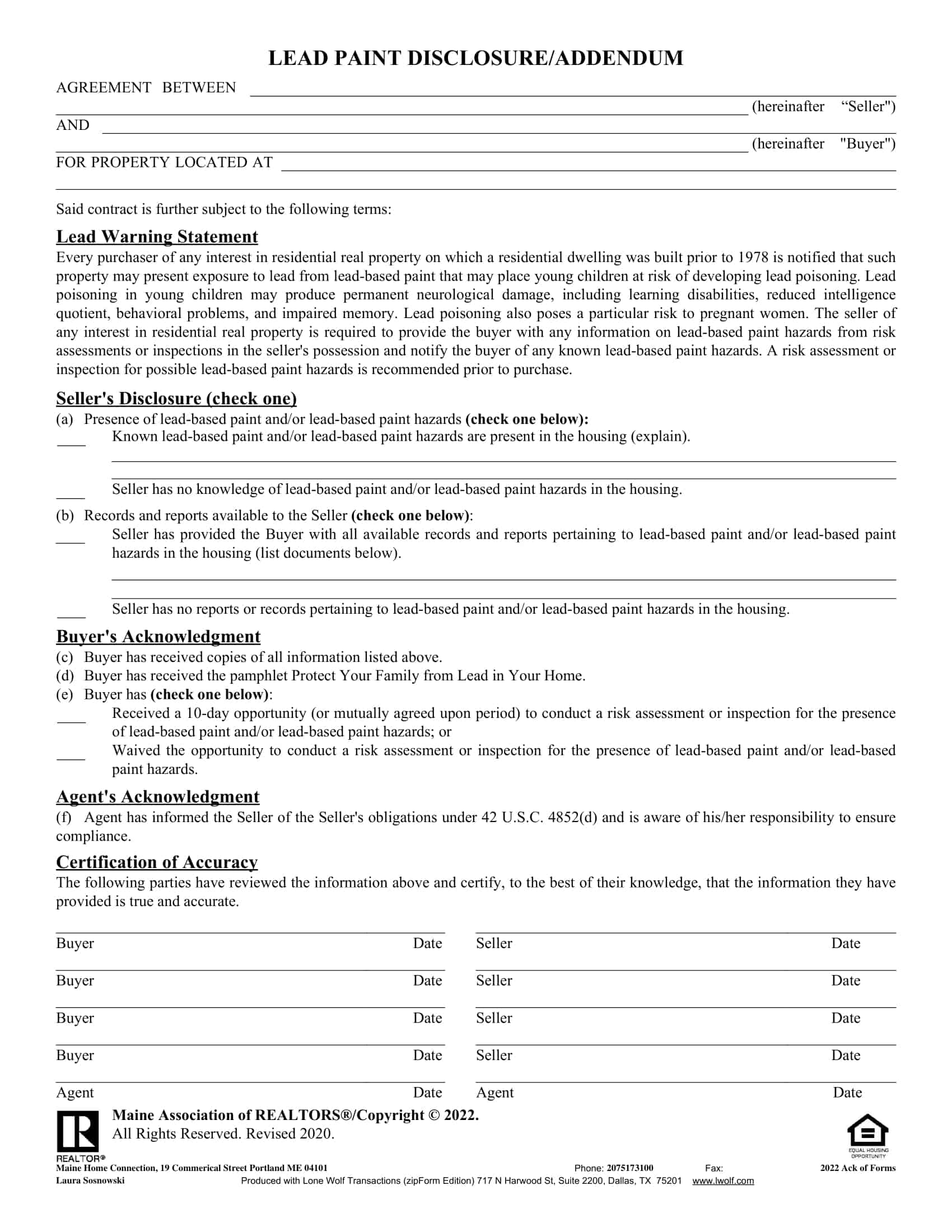
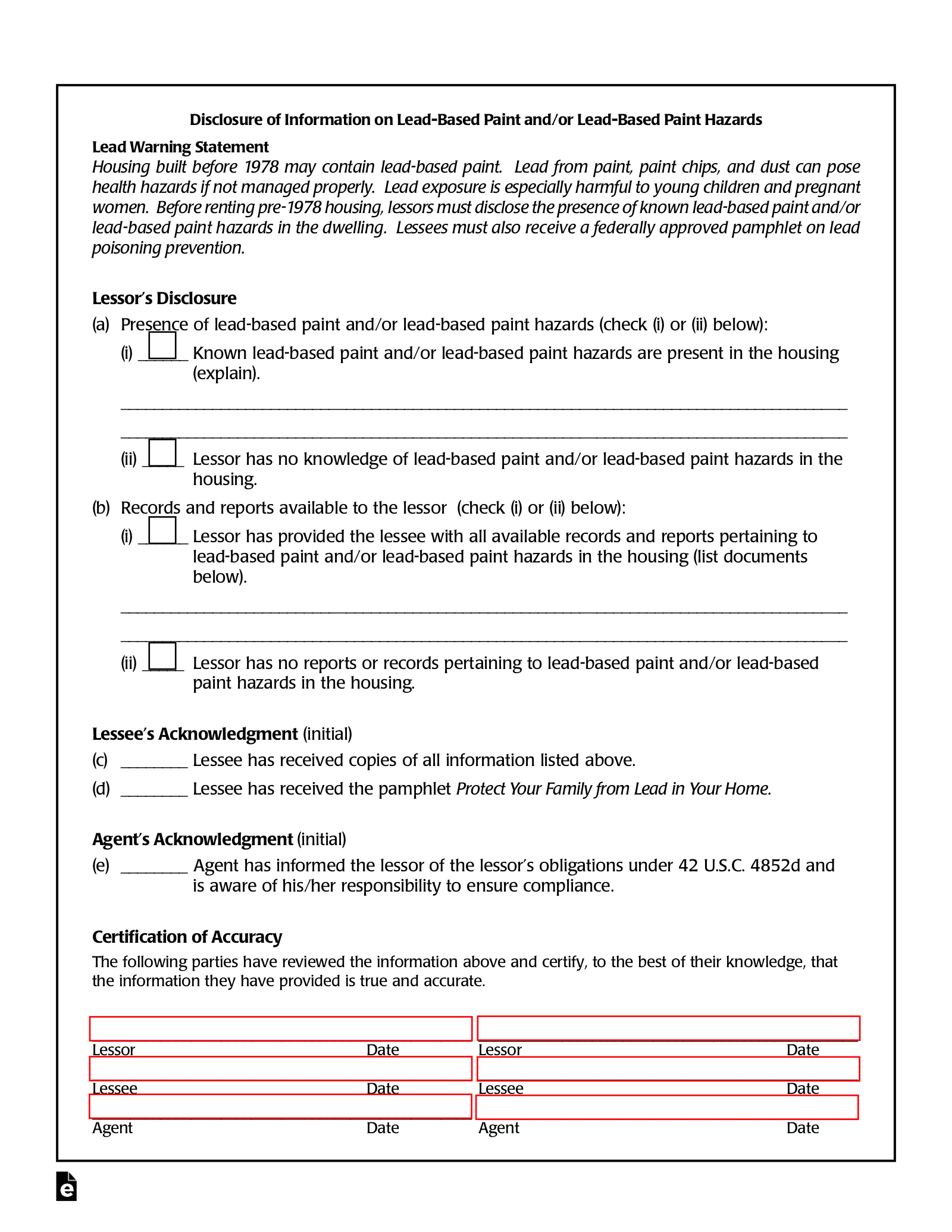
How to Properly Fill Out a Lead-Based Paint Disclosure Form
Filling out a lead-based paint disclosure form correctly is crucial to ensuring that all necessary information is provided to potential buyers. Here are some steps to follow when completing a lead-based paint disclosure form:
1. Gather all relevant information about the presence of lead-based paint in the property.
2. Be thorough and accurate in disclosing any known hazards or risks associated with lead exposure.
3. Include dates and results of any previous lead inspections.
4. Provide copies of any available records or reports related to lead-based paint in the property.
5. Sign and date the form to certify that the information provided is accurate to the best of your knowledge.
Tips for Successful Lead-Based Paint Disclosure
Successfully navigating the lead-based paint disclosure process can help streamline real estate transactions and protect both buyers and sellers. Here are some tips for successful lead-based paint disclosure:
– Conduct a thorough inspection of the property for lead-based paint before listing it for sale.
– Keep detailed records of any lead inspections or reports conducted on the property.
– Provide buyers with all relevant information about the presence of lead-based paint in the property.
– Be honest and transparent in your disclosure to avoid legal issues down the line.
– Consult with a real estate professional or legal expert if you have any questions or concerns about lead-based paint disclosure.
In conclusion, lead-based paint disclosure forms are a crucial aspect of real estate transactions for properties built before 1978. By providing buyers with essential information about the presence of lead-based paint in a property, sellers can ensure a transparent and informed transaction. By following the guidelines outlined in this guide, both buyers and sellers can navigate the lead-based paint disclosure process successfully and protect themselves from potential legal issues.
Lead-Based Paint Disclosure Form Template – Download
