When it comes to buying a business, the letter of intent is a crucial document that sets the tone for the entire transaction. It outlines the key terms and conditions of the deal, providing a roadmap for both the buyer and the seller to follow. In this article, we will delve into the specifics of the letter of intent to purchase a business, why it is important, what to include in the document, how to negotiate it effectively, and tips for a successful outcome.
What is a Letter of Intent to Purchase a Business?
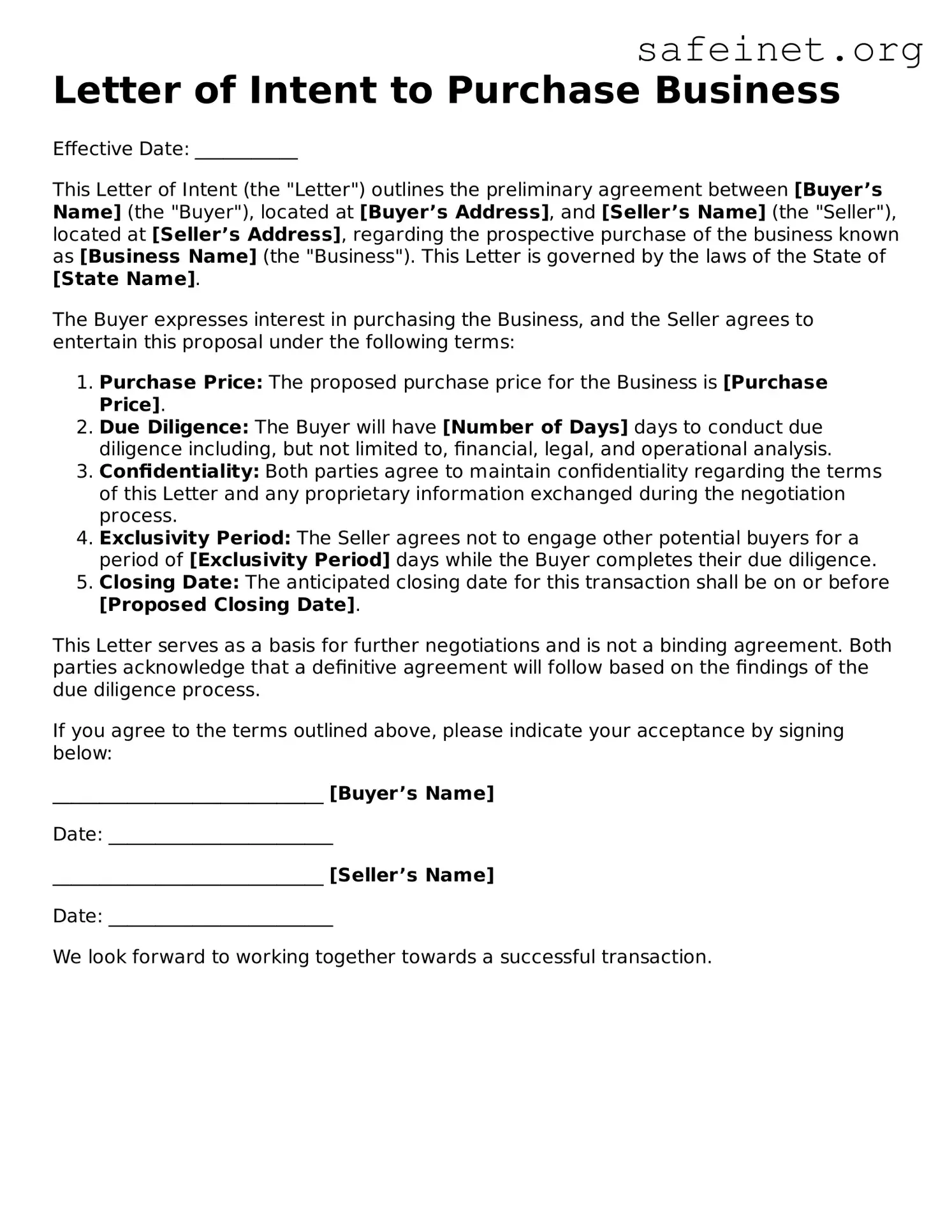
A letter of intent to purchase a business, often referred to as an LOI, is a formal document that outlines the basic terms and conditions of a proposed business acquisition. It is typically the first step in the negotiation process between the buyer and the seller, laying the groundwork for the eventual purchase agreement. The LOI is not a legally binding document, but it serves as a roadmap for the parties involved, detailing the key aspects of the deal.
Why is a Letter of Intent Important?
The LOI is an important document in the business acquisition process for several reasons. Firstly, it helps to establish a framework for the negotiation process, providing clarity on the key terms and conditions of the deal. It also signals the buyer’s serious intent to purchase the business, which can help to build trust and credibility with the seller. Additionally, the LOI can help to prevent misunderstandings and disputes down the line by clearly outlining the expectations of both parties.
What to Include in a Letter of Intent
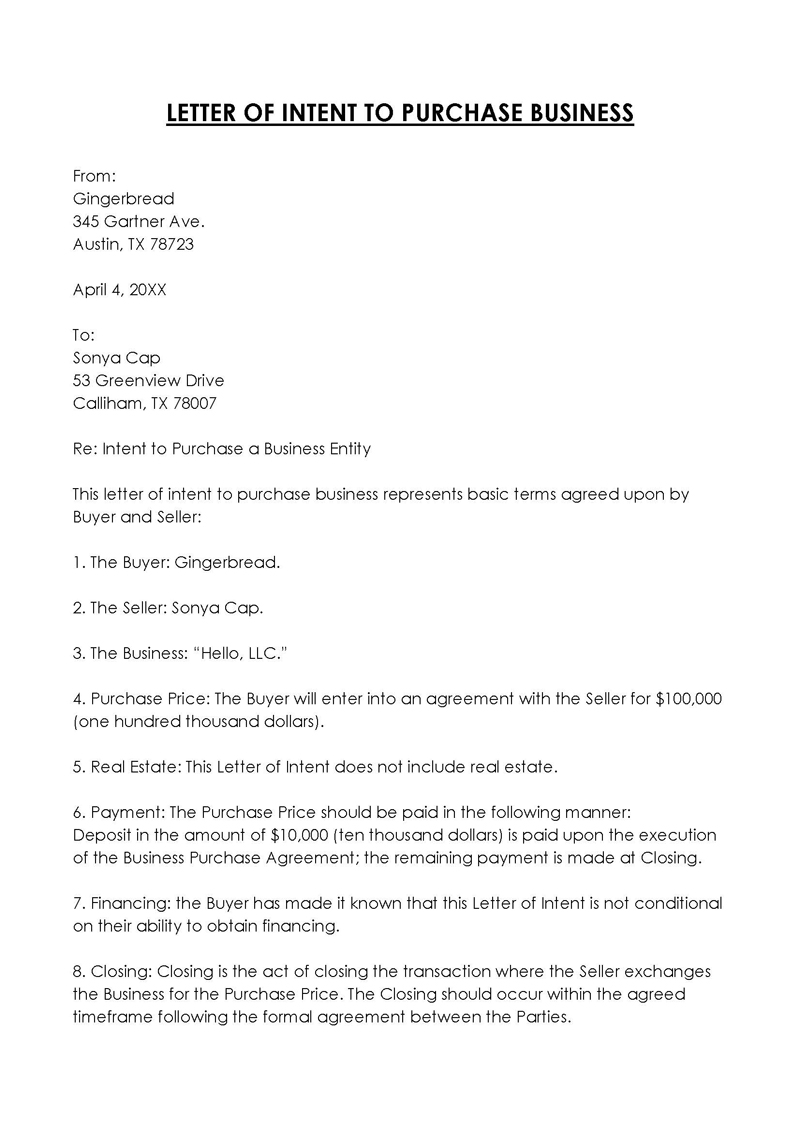
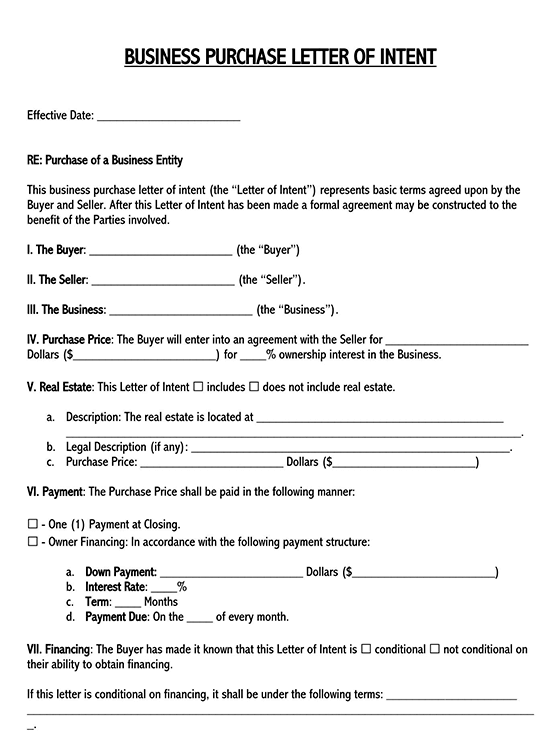
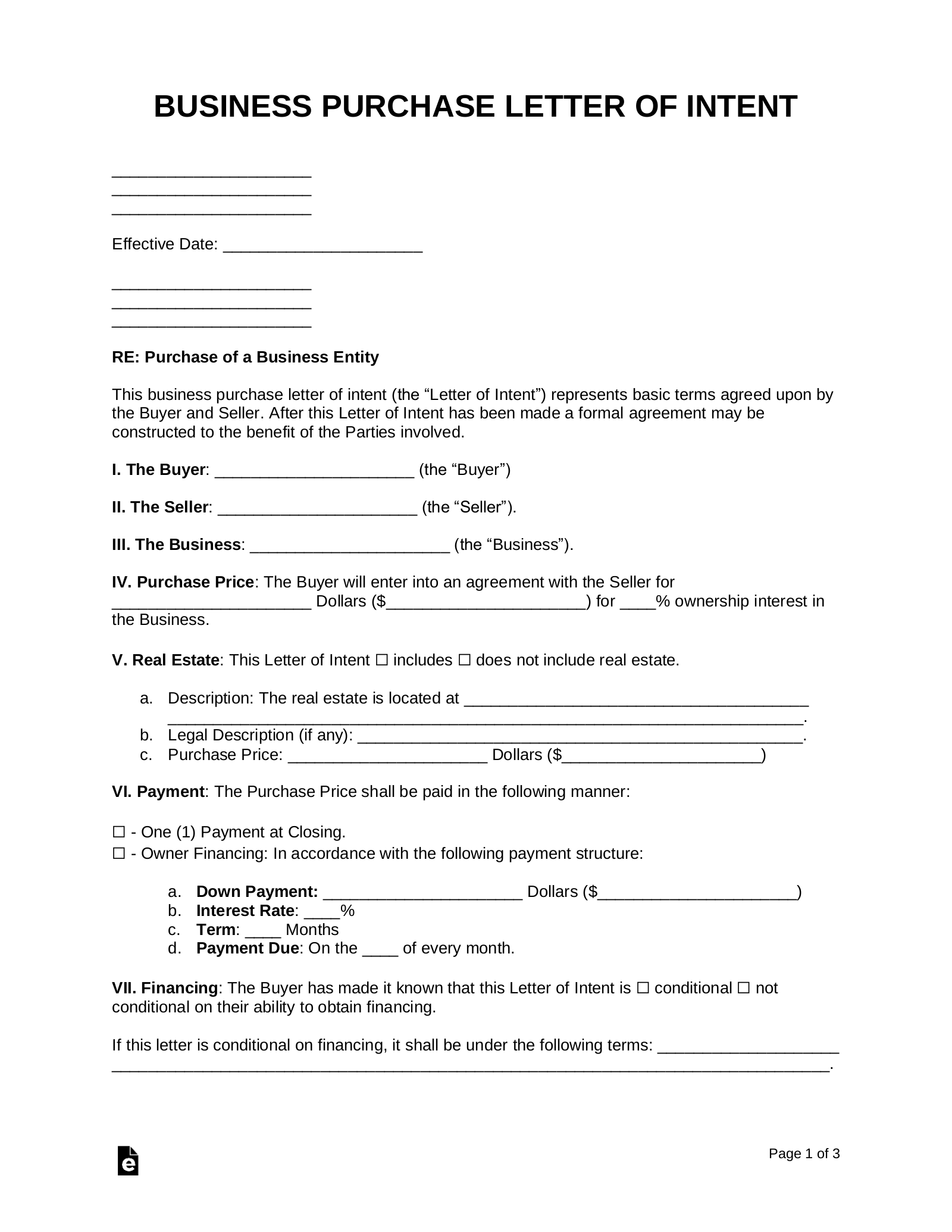
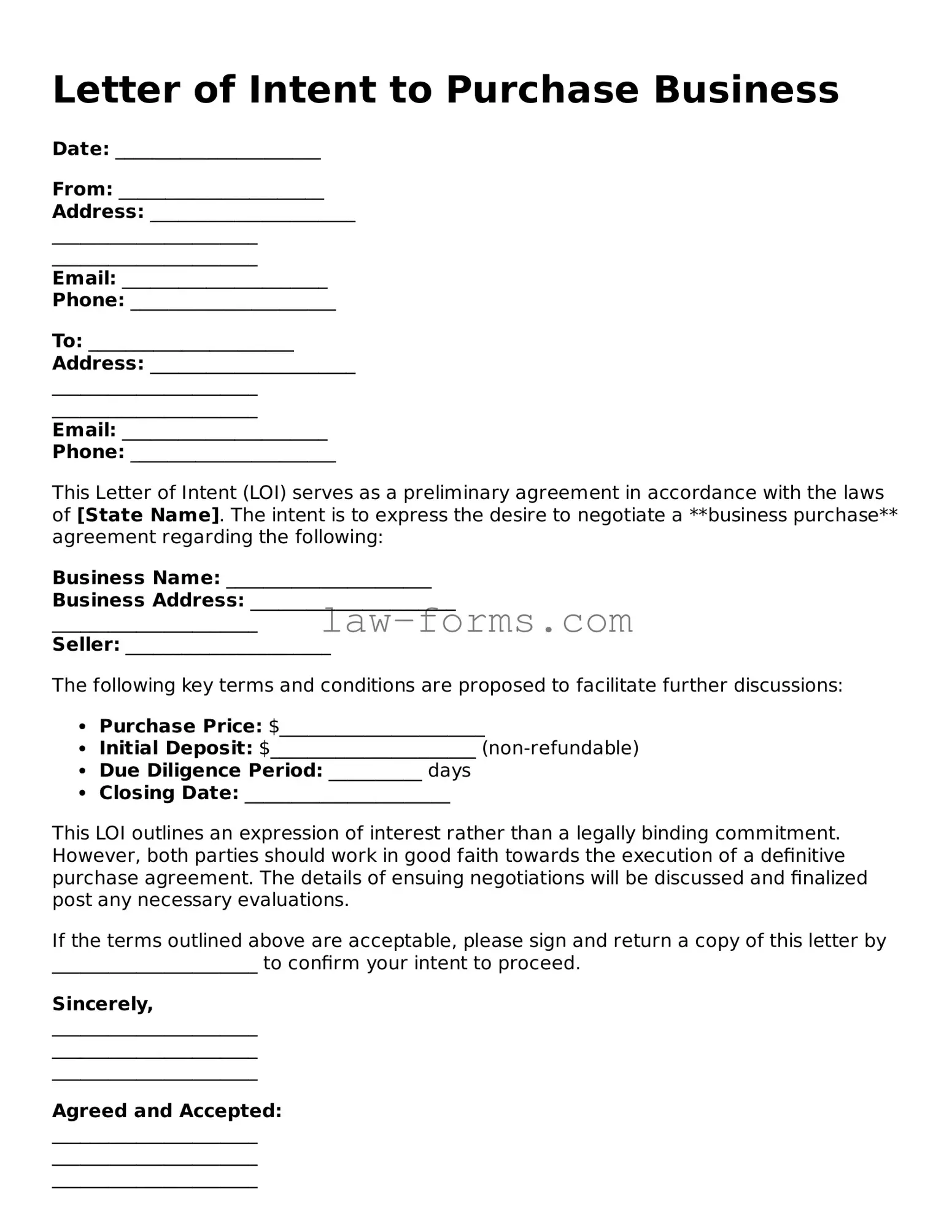
When drafting a letter of intent to purchase a business, several key components should be included to ensure the document is comprehensive and clear. Some of the essential elements to include in the LOI are:
- Identification of the Parties: Clearly identify the buyer and the seller, including their legal names and contact information.
- Purchase Price: Specify the proposed purchase price for the business and the terms of payment.
- Assets and Liabilities: Outline the assets and liabilities that are included in the sale.
- Due Diligence: Detail the due diligence process, including timelines and responsibilities.
- Confidentiality: Include confidentiality provisions to protect sensitive information.
- Exclusivity: Consider including a clause that grants exclusivity to the buyer for a specified period.
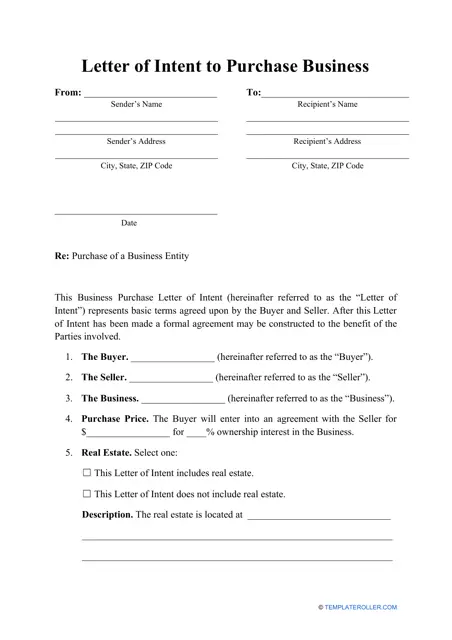
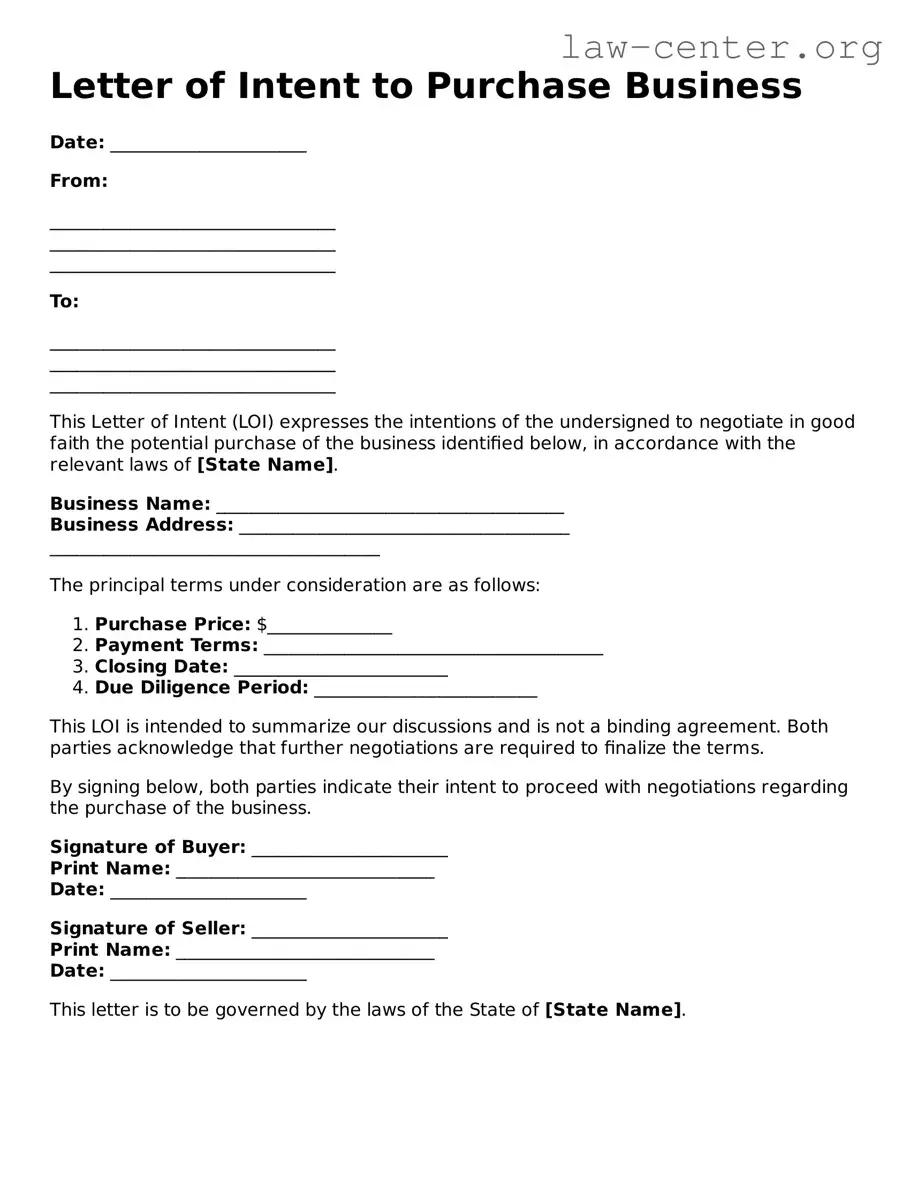
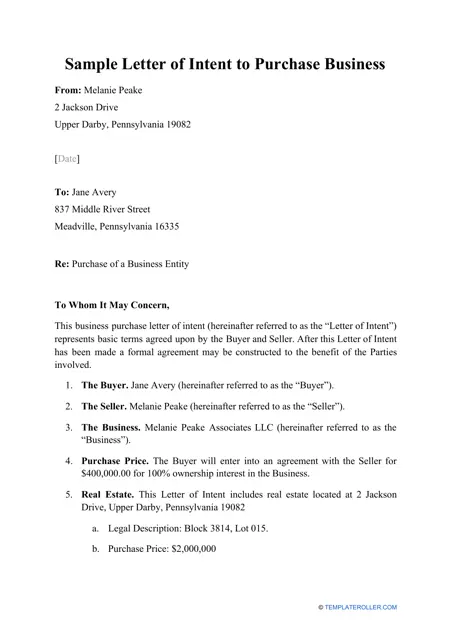
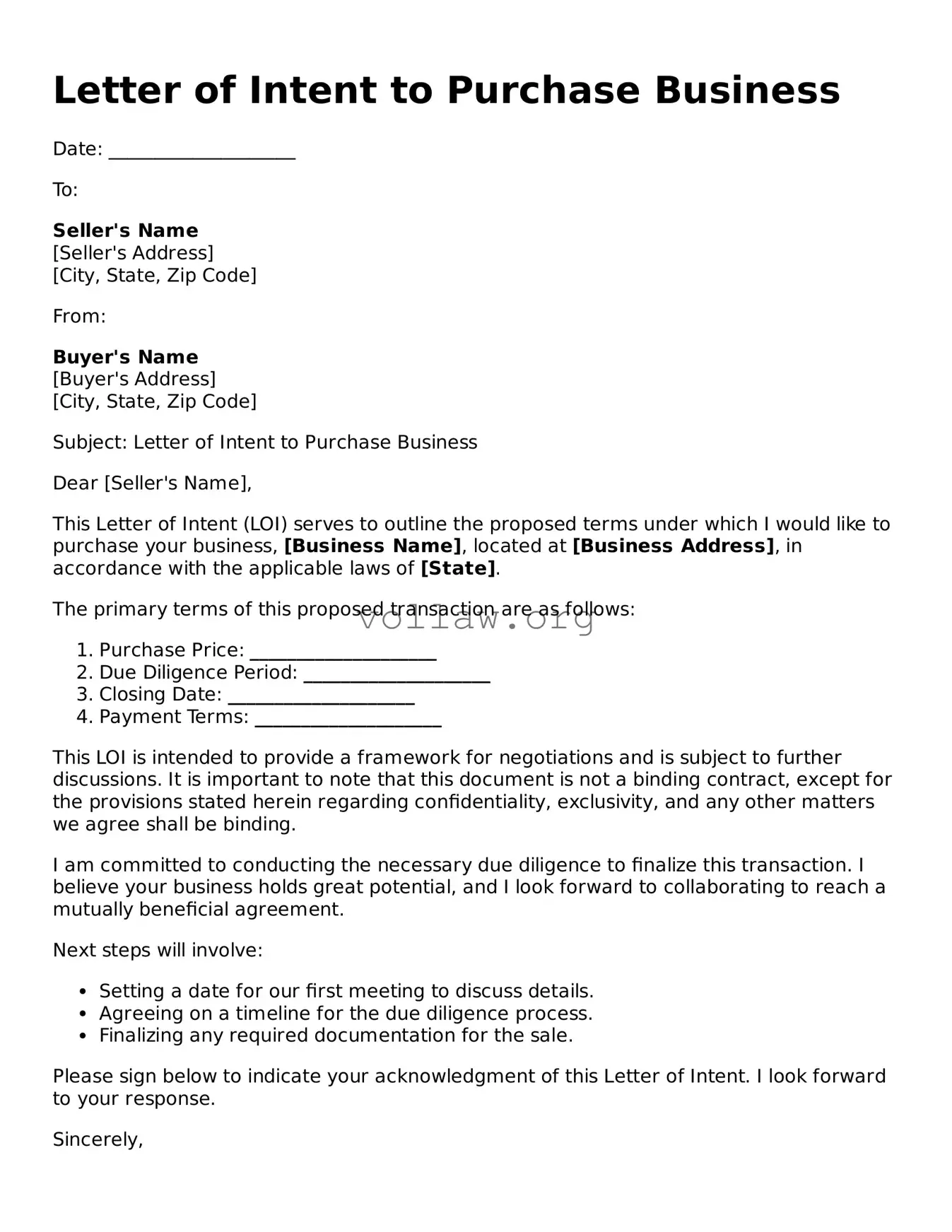
Examples
How to Negotiate a Letter of Intent
Negotiating a letter of intent to purchase a business requires careful consideration and communication between the buyer and the seller. It is important to approach the negotiation process with a collaborative mindset, seeking to find common ground and reach a mutually beneficial agreement. Some tips for successful negotiation include:
- Communicate Clearly: Ensure that all terms and conditions are clearly articulated in the LOI.
- Seek Professional Advice: Consider enlisting the help of legal and financial advisors to guide you through the negotiation process.
- Be Flexible: Be willing to compromise on certain terms to reach a deal that satisfies both parties.
- Focus on the Big Picture: Keep the ultimate goal of acquiring the business in mind and try not to get bogged down in minor details.
- Build Trust: Establishing trust and rapport with the seller can help to facilitate a smoother negotiation process.
- Document Everything: Make sure that all agreements and decisions are documented in writing to avoid misunderstandings later on.
Letter of Intent to Purchase a Business – Download
