Whether you’re a business owner looking to mend a damaged relationship with a client or a job seeker trying to make a good impression after a misstep, a letter of goodwill can be a powerful tool in your communication arsenal. This type of letter is a formal gesture of goodwill, expressing your regret for any past mistakes and your desire to move forward on positive terms.
In this article, we’ll delve into the ins and outs of writing a letter of goodwill, covering everything from what it is to how to craft one effectively.
What is a Letter of Goodwill?
A letter of goodwill is a written communication that aims to mend a strained relationship by expressing remorse, empathy, and a sincere desire to move forward. This type of letter is often used in business settings to apologize for mistakes, address customer complaints, or salvage a damaged reputation. It can also be used in personal situations to extend an olive branch and bridge the gap between two parties.
A well-written letter of goodwill can go a long way in rebuilding trust and fostering a positive relationship.
Why Write a Letter of Goodwill?
There are several reasons why you might consider writing a letter of goodwill. First and foremost, it shows that you care about the relationship and are willing to take responsibility for any mistakes that were made. It can also help to repair any damage that may have been done to your reputation or credibility.
Additionally, a letter of goodwill can serve as a proactive measure to prevent further escalation of a conflict or misunderstanding. By addressing the issue head-on and offering a sincere apology, you can demonstrate your commitment to resolving the situation maturely and respectfully.
What to Include in a Letter of Goodwill
When crafting a letter of goodwill, it’s important to strike the right balance between sincerity and professionalism. Here are some key elements to include in your letter:
- Apology: Begin by acknowledging the issue and expressing your regret for any harm caused.
- Empathy: Show understanding of the other party’s perspective and feelings.
- Resolution: Offer a solution or steps towards reconciliation.
- Gratitude: Express appreciation for the relationship and the opportunity to make amends.
- Politeness: Use courteous language and maintain a respectful tone throughout the letter.
- Follow-up: Suggest a follow-up meeting or call to discuss the matter further.
Examples
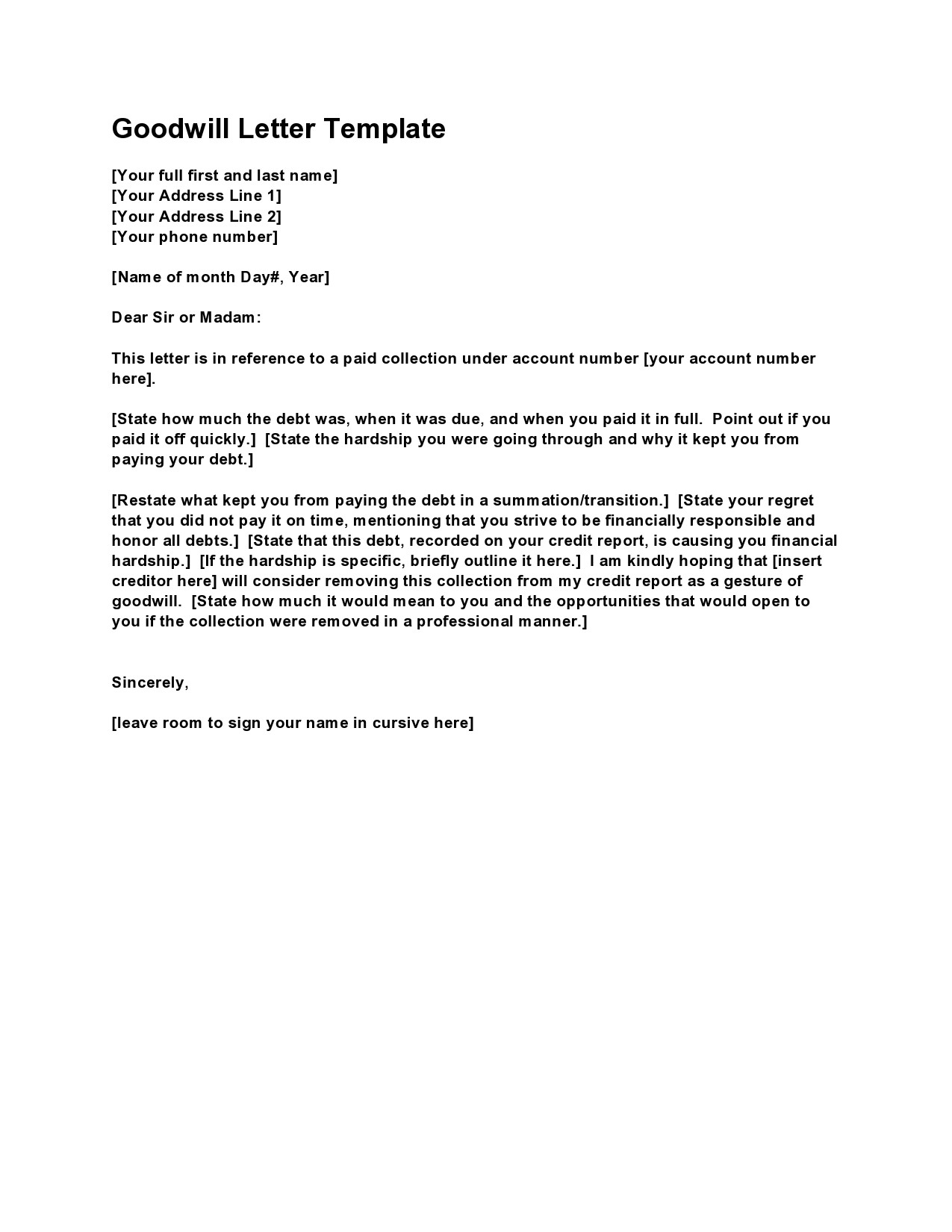
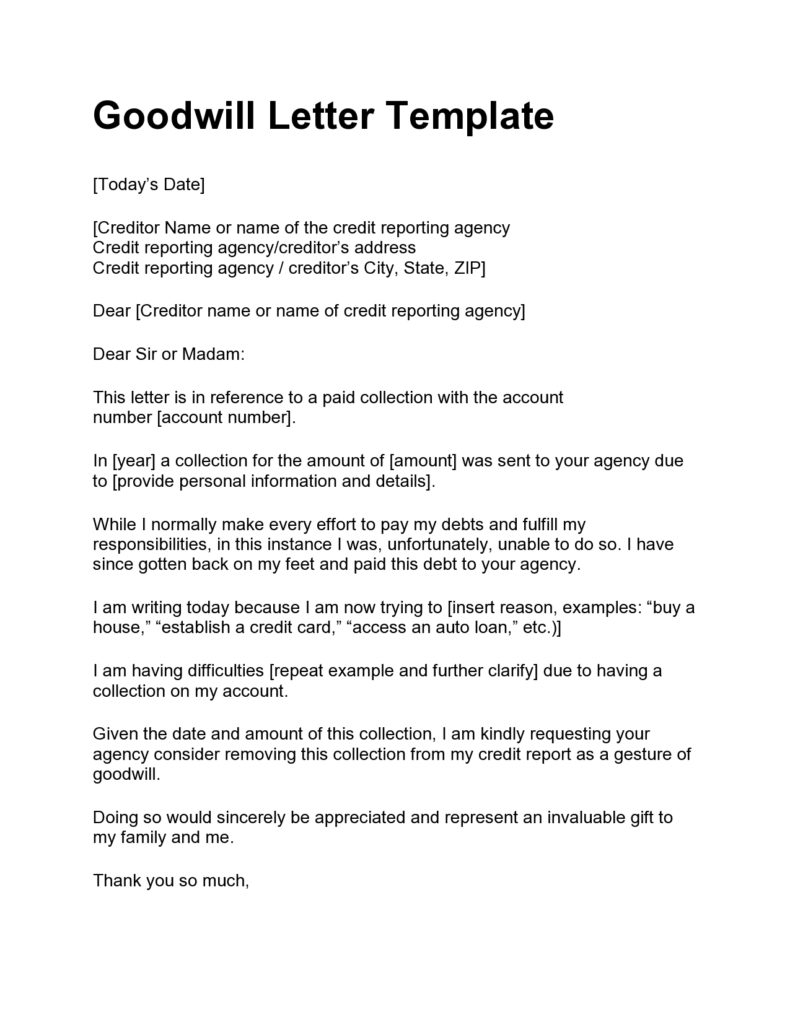
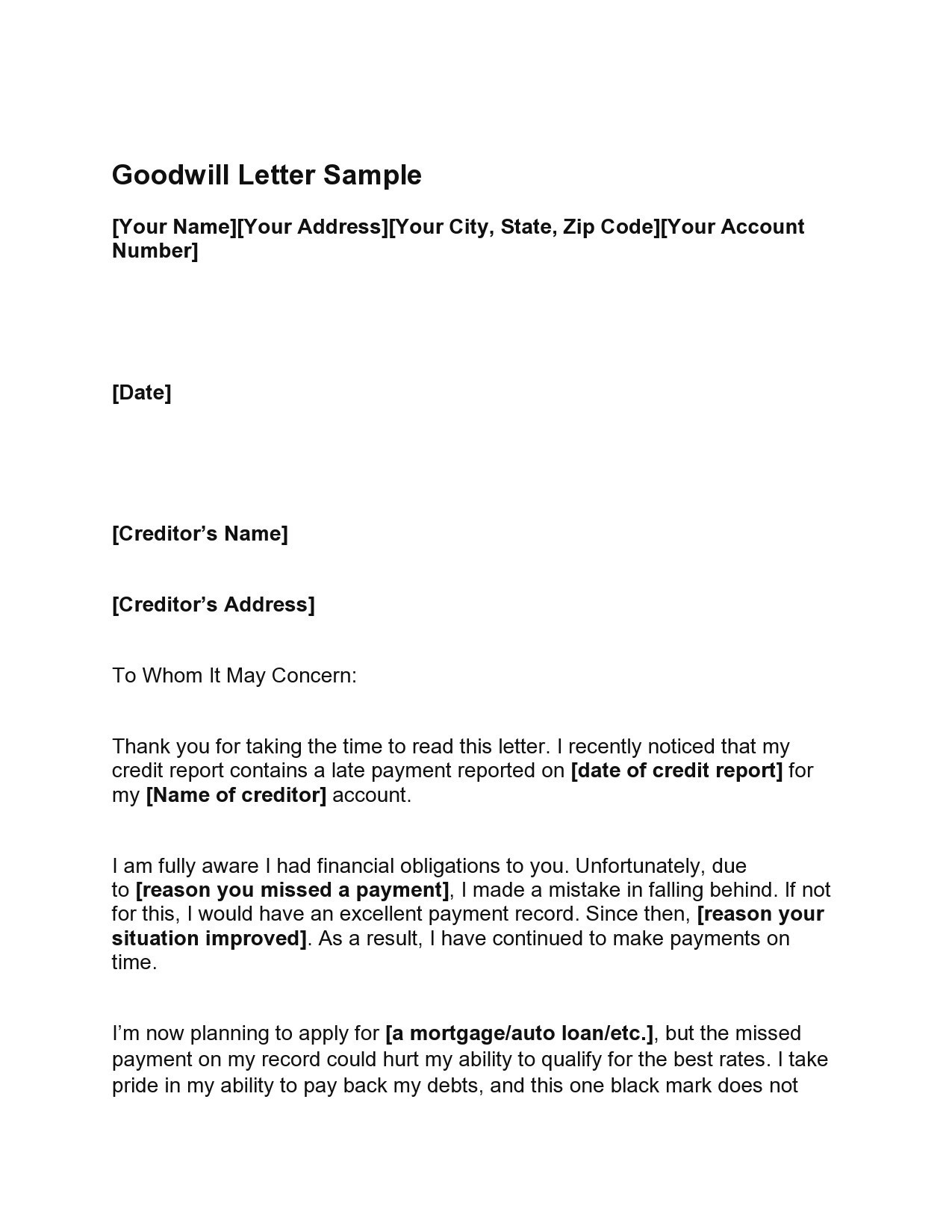
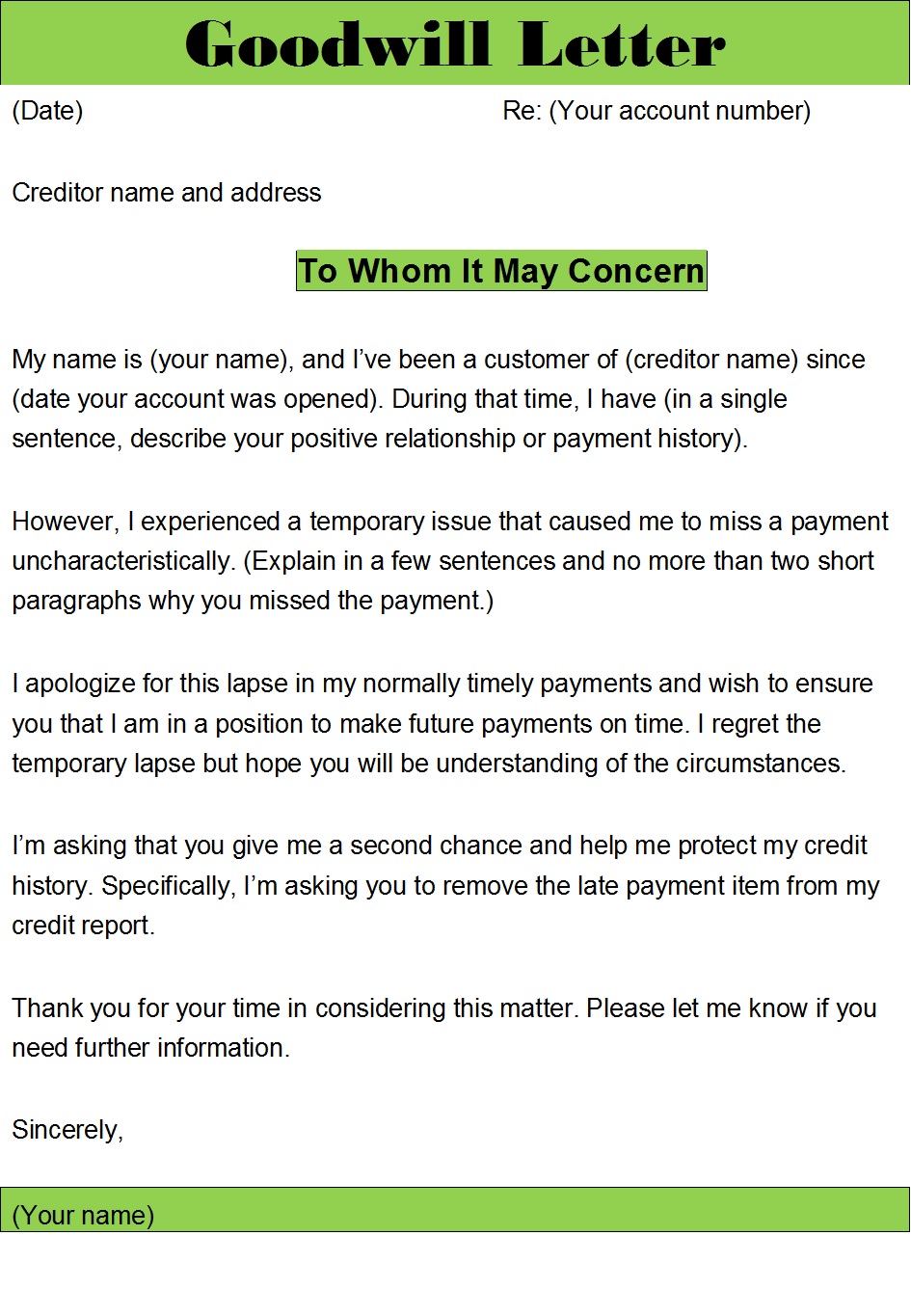
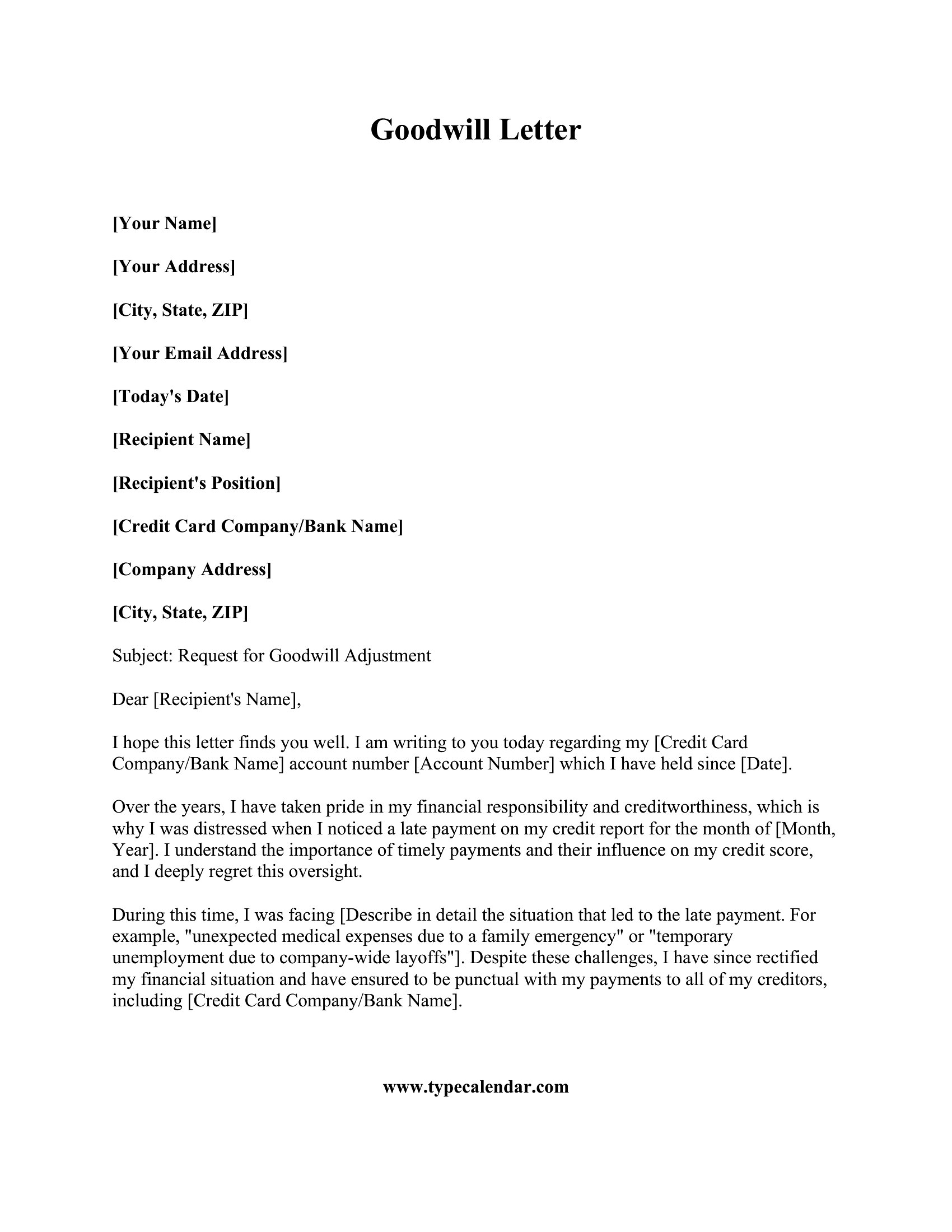
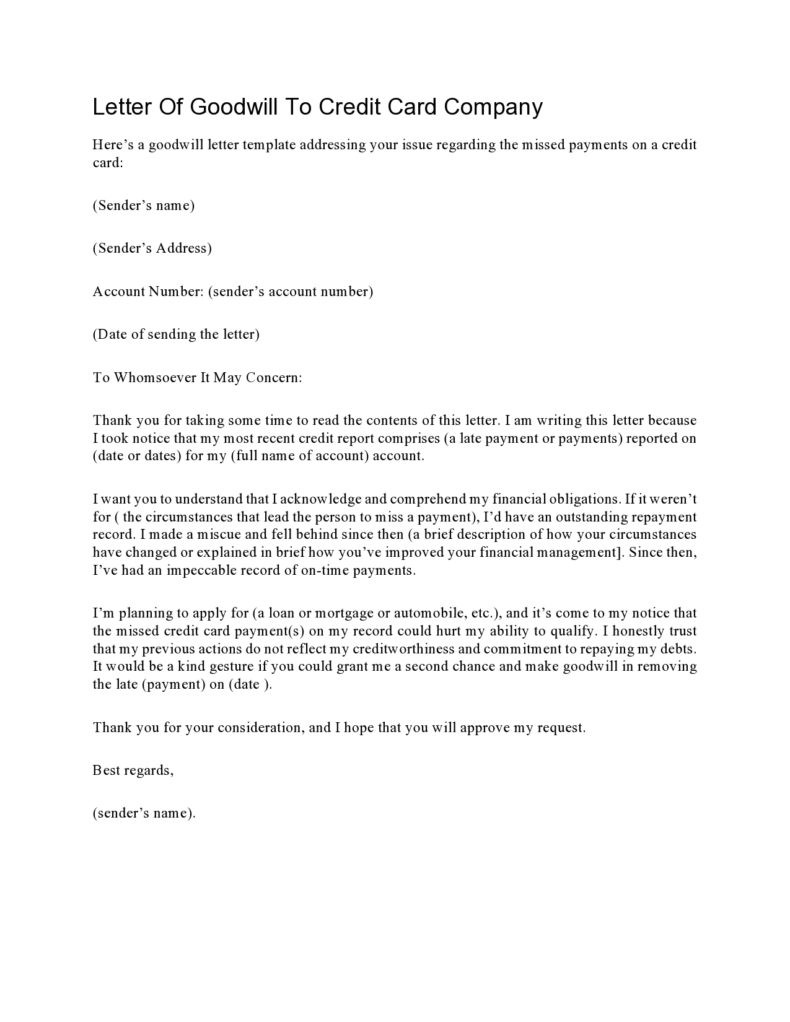
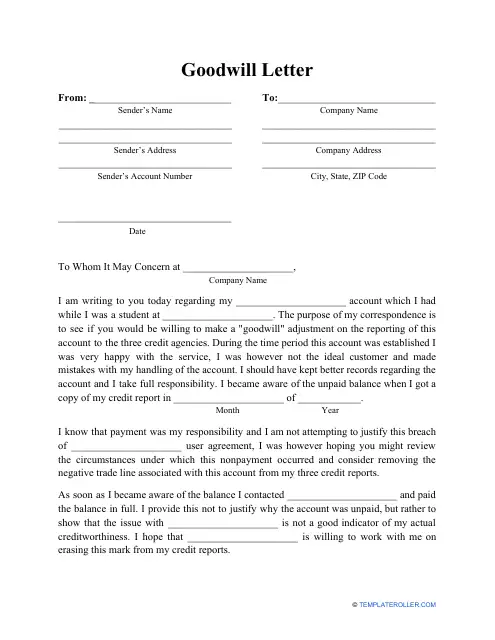
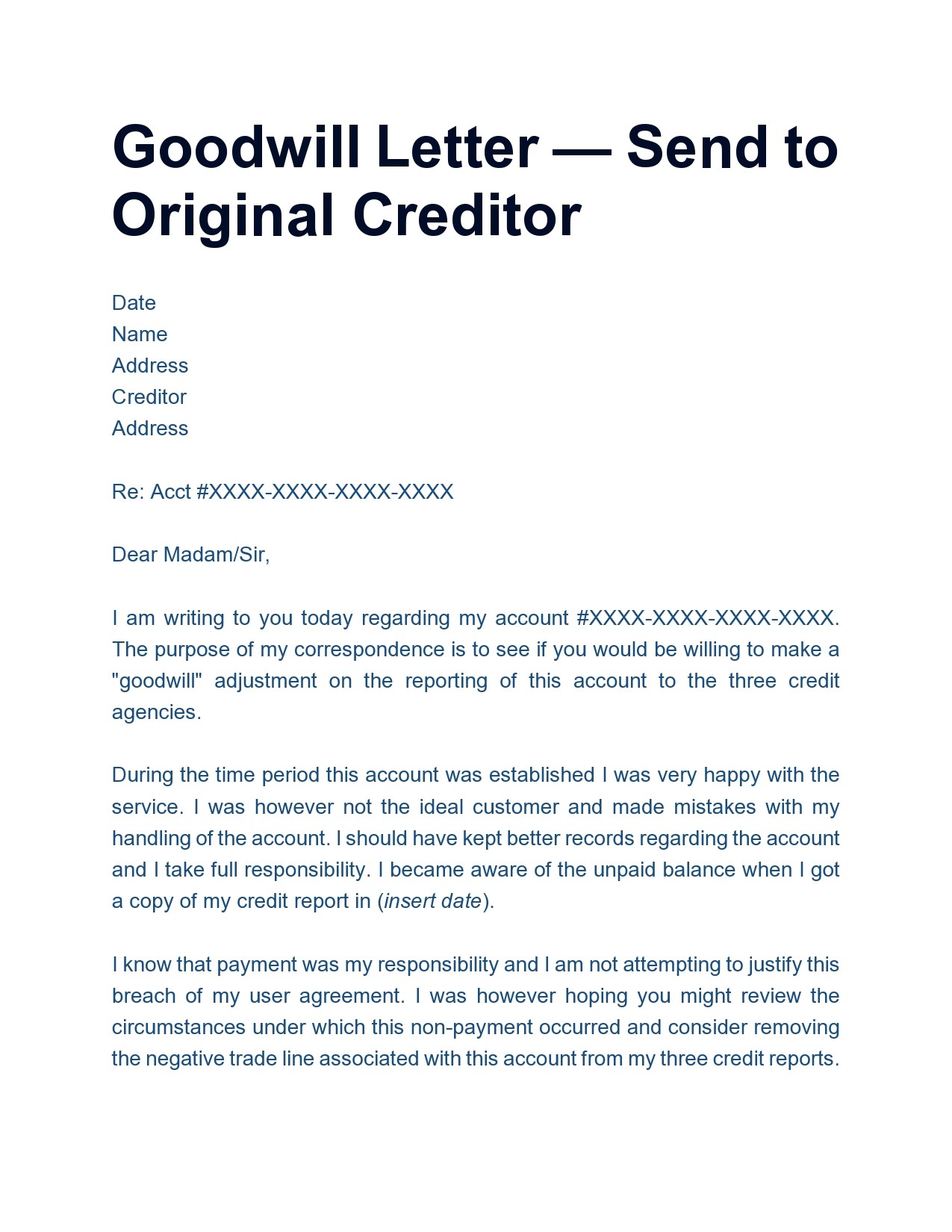
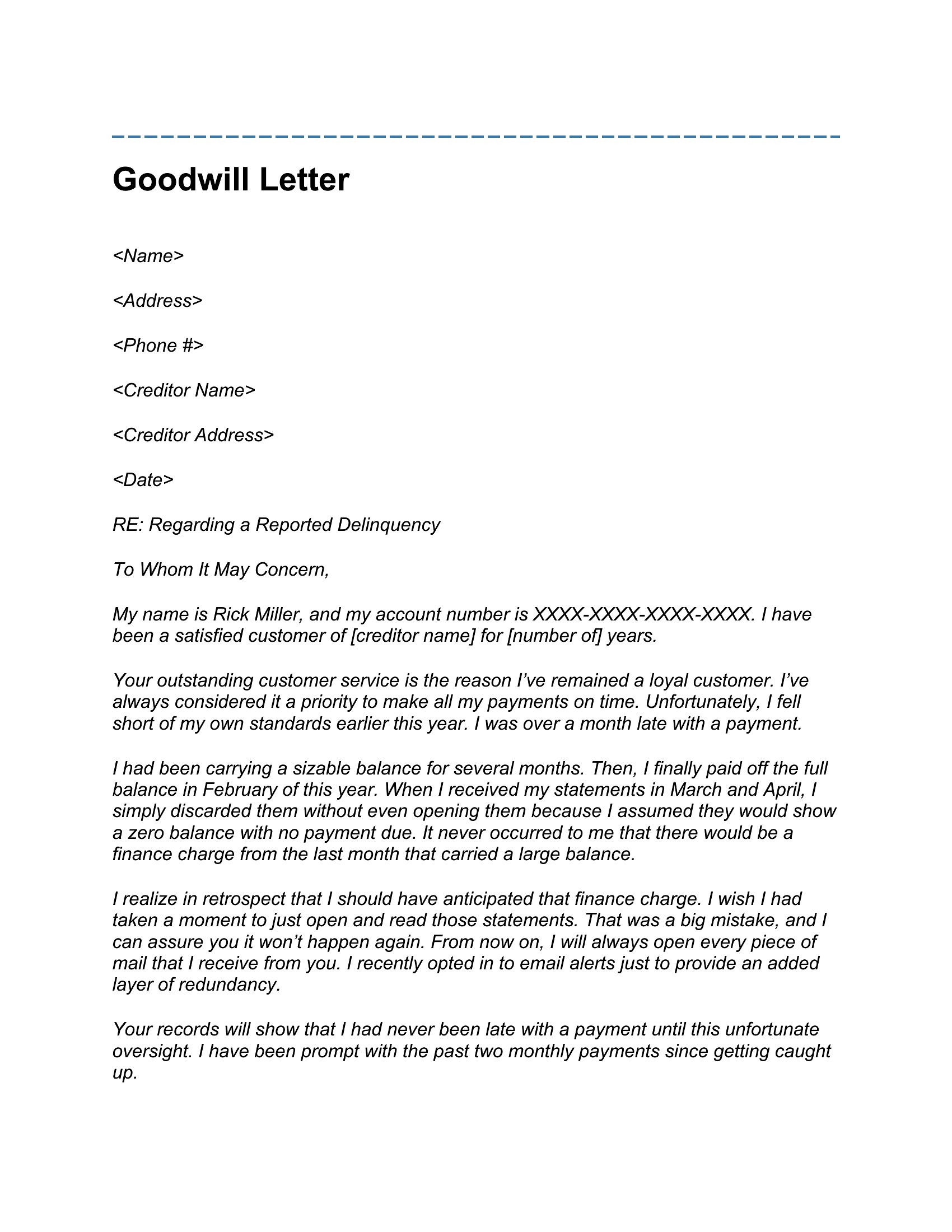
How to Write a Letter of Goodwill
Writing a letter of goodwill can be a challenging task, but with the right approach, you can create a compelling and effective message. Here are some tips to help you craft a successful letter:
- Start with a Strong Opener: Begin your letter with a sincere apology and a clear statement of your intentions.
- Be Specific: Address the issue at hand directly and provide concrete examples to illustrate your points.
- Show Empathy: Demonstrate that you understand the other party’s perspective and feelings.
- Offer a Solution: Propose a way to resolve the issue and move forward in a positive direction.
- End on a Positive Note: Close your letter with a note of appreciation and optimism for the future.
- Proofread Carefully: Before sending your letter, make sure to review it for any errors or inconsistencies.
Tips for Successful Communication
In addition to following the guidelines above, here are some additional tips for successful communication in your letter of goodwill:
- Be Honest and Transparent: Avoid making excuses or placing blame, and instead focus on taking responsibility for your actions.
- Listen Actively: Be open to feedback and suggestions from the other party, and show that you are willing to listen and learn from the experience.
- Seek Common Ground: Look for areas of agreement or shared values that can help to bridge the gap between you and the other party.
- Stay Positive: Maintain a positive attitude throughout your letter, even if the situation is challenging or emotional.
- Follow Up: After sending your letter, be proactive in following up with the other party to ensure that your message has been received and understood.
- Seek Professional Help: If you are unsure about how to approach the situation or are facing a particularly complex issue, consider seeking advice from a communication expert or mediator.
Conclusion
In conclusion, a letter of goodwill can be a powerful tool for repairing damaged relationships, addressing conflicts, and fostering positive communication. By following the guidelines outlined in this article and incorporating the tips provided, you can create a well-crafted letter that conveys your sincerity, empathy, and commitment to resolution. Remember to approach the situation with an open mind and a willingness to listen and learn from the experience. With the right approach and mindset, you can turn a challenging situation into an opportunity for growth and understanding.
Letter of Goodwill Template – Download
