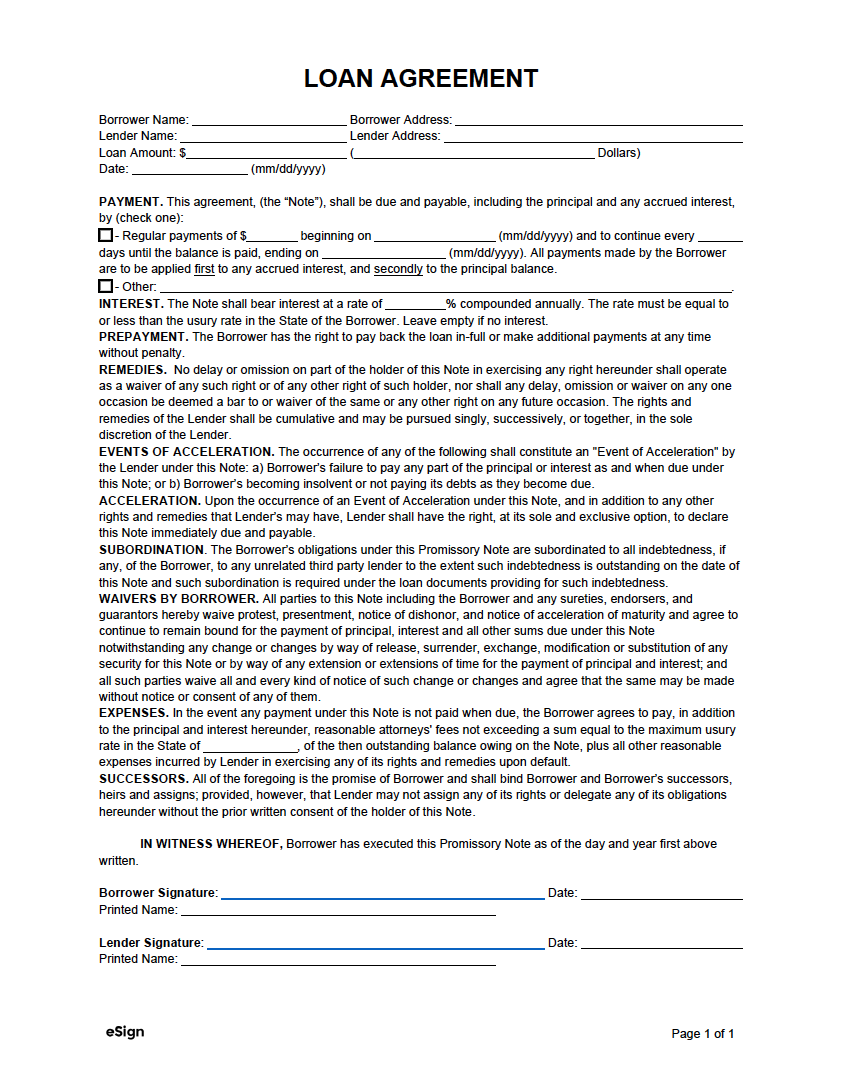
When it comes to borrowing money, a loan contract agreement is a crucial document that outlines the terms and conditions between the lender and the borrower. Whether you are taking out a personal loan, a business loan, or a mortgage, understanding the ins and outs of a loan contract agreement is essential to ensure both parties are protected. In this article, we will delve into the what, why, what to include, how to, and tips for successful loan contract agreements.
What is a Loan Contract Agreement?
A loan contract agreement is a legally binding document that establishes the terms and conditions of a loan between a lender and a borrower. This agreement outlines the amount of money being borrowed, the interest rate, the repayment schedule, and any other important details related to the loan. By signing a loan contract agreement, both parties are agreeing to the terms laid out in the document, which helps protect the rights of both the lender and the borrower.
Why are Loan Contract Agreements Important?
Loan contract agreements are important for several reasons. Firstly, they provide clarity and transparency regarding the terms of the loan, ensuring that both parties are on the same page. Additionally, loan contract agreements help protect both the lender and the borrower in case of any disputes or misunderstandings. By clearly outlining the terms and conditions of the loan in writing, a loan contract agreement can help prevent potential conflicts and provide a legal recourse in case of a breach of contract.
What to Include in a Loan Contract Agreement
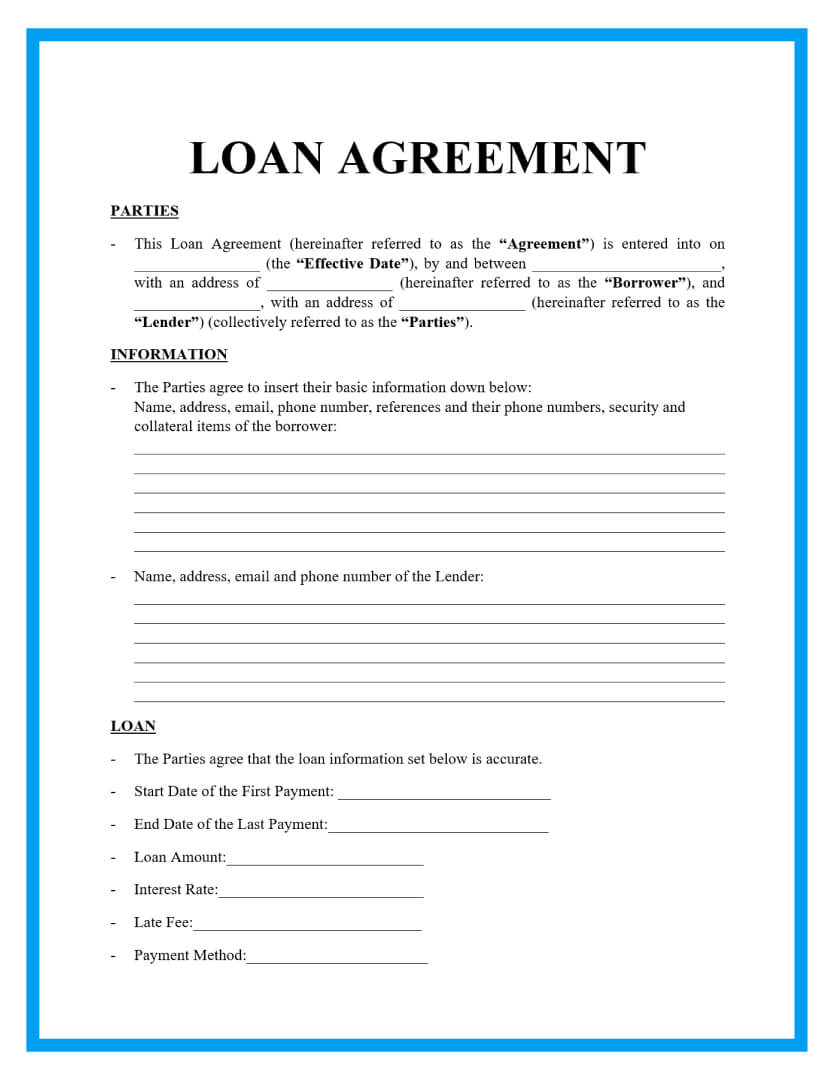
When drafting a loan contract agreement, there are several key elements that should be included to ensure that the document is comprehensive and legally sound. These elements may vary depending on the type of loan and the specific circumstances, but some common components to include are:
- Loan Amount: Clearly state the amount of money being borrowed.
- Interest Rate: Specify the interest rate that will be charged on the loan.
- Repayment Schedule: Outline the terms of repayment, including the frequency and amount of payments.
- Collateral: If the loan is secured, detail the collateral that is being used to secure the loan.
- Penalties for Late Payments: Include any penalties or fees that may be imposed for late payments.
- Default Terms: Specify what constitutes a default on the loan and the consequences of defaulting.
How to Draft a Loan Contract Agreement
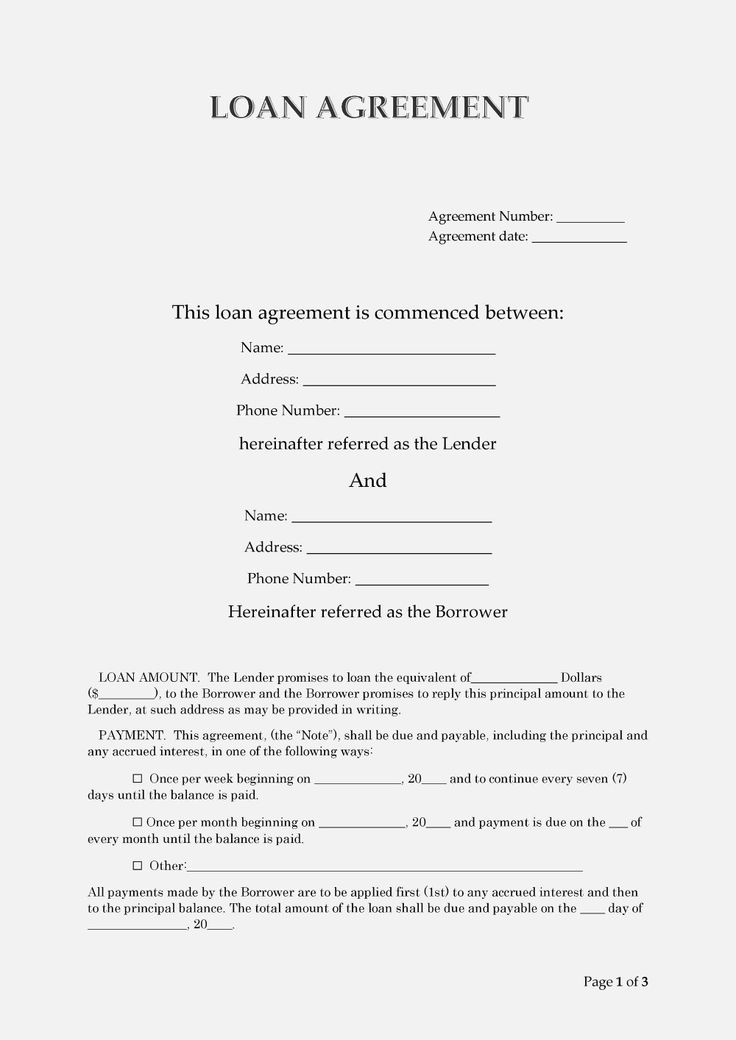
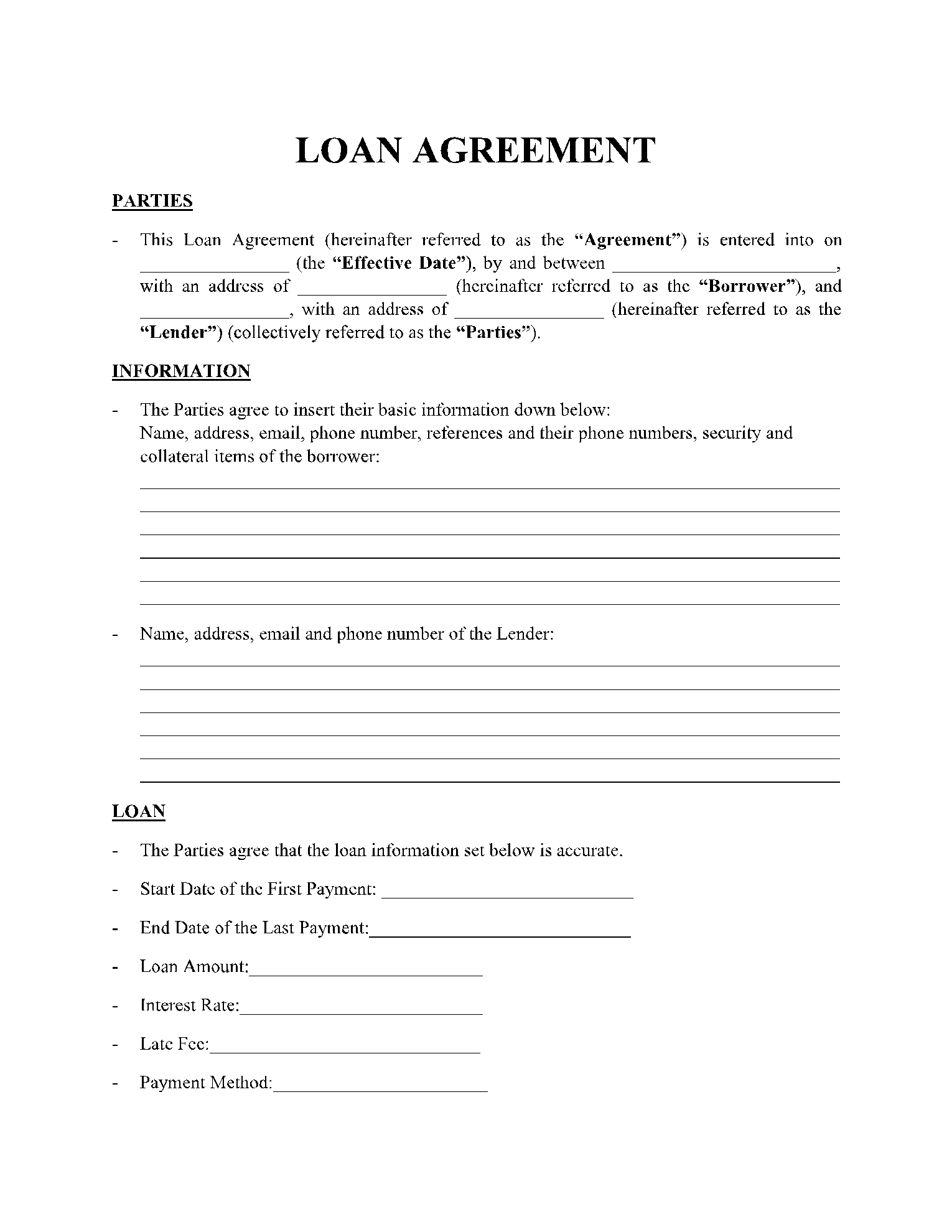
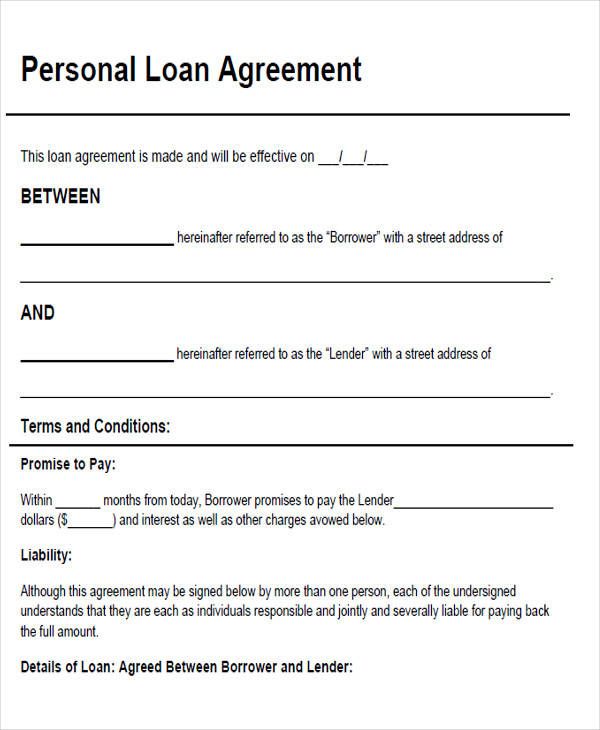
When drafting a loan contract agreement, it is important to be thorough and precise to ensure that all necessary details are included. Here are some steps to follow when creating a loan contract agreement:
1. Start with a Template:
Begin by using a template or sample loan contract agreement to ensure that you are covering all the essential elements.
2. Include Specific Details:
Be specific when outlining the terms and conditions of the loan, including the loan amount, interest rate, repayment schedule, and any other important details.
3. Seek Legal Advice:
If you are unsure about any aspect of the loan contract agreement, it is always best to seek legal advice to ensure that the document is legally enforceable.
4. Review and Revise:
Before finalizing the loan contract agreement, carefully review the document and make any necessary revisions to ensure accuracy and completeness.
5. Sign and Date:
Once both parties are satisfied with the terms of the loan contract agreement, sign and date the document to make it legally binding.
Tips for Successful Loan Contract Agreements
Creating a successful loan contract agreement requires attention to detail and clear communication between the lender and the borrower. Here are some tips to help ensure a successful loan contract agreement:
- Communicate Clearly: Clearly communicate the terms and conditions of the loan to avoid any misunderstandings.
- Be Realistic: Ensure that the terms of the loan are realistic and achievable for both parties.
- Seek Legal Advice: If in doubt, seek legal advice to ensure that the loan contract agreement is legally sound.
- Review Regularly: Periodically review the loan contract agreement to ensure that it still meets the needs of both parties.
- Keep Copies: Keep copies of the loan contract agreement for your records in case of any disputes or issues in the future.
By following these tips and guidelines, you can create a strong and effective loan contract agreement that protects the interests of both the lender and the borrower.
Loan Contract Agreement Template
