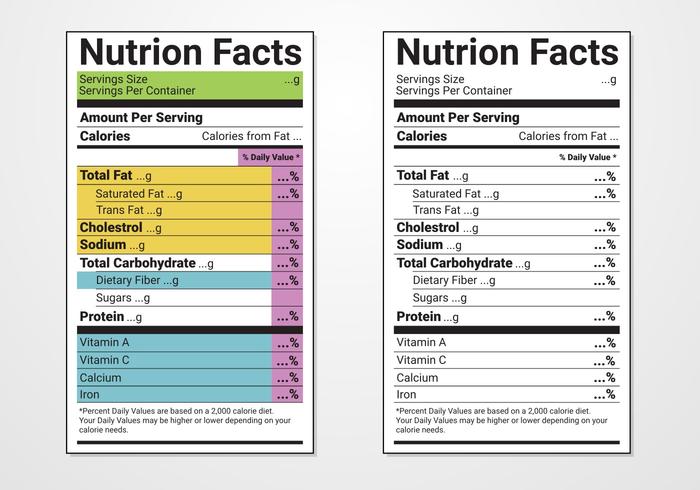
Nutrition charts are valuable tools that provide detailed information about the nutritional content of various foods. Whether you are looking to lose weight, gain muscle, or simply maintain a healthy diet, a nutrition chart can help you make informed choices about what you eat. In this article, we will explore the importance of nutrition charts, what to include in a nutrition chart, how to use them effectively, and tips for successful meal planning using this valuable resource.
What is a Nutrition Chart?
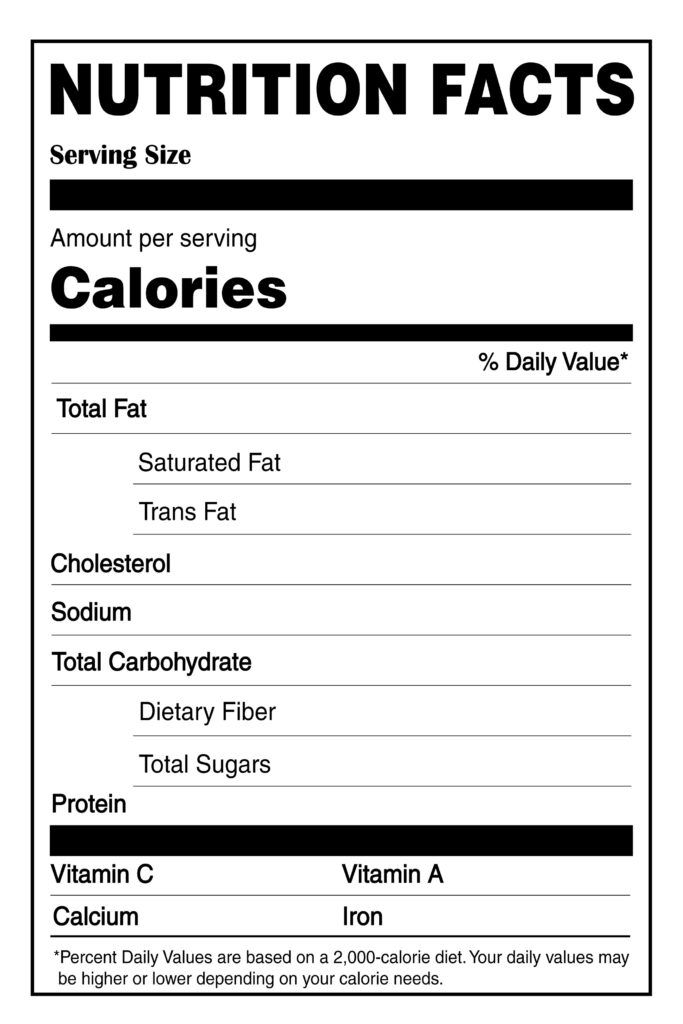
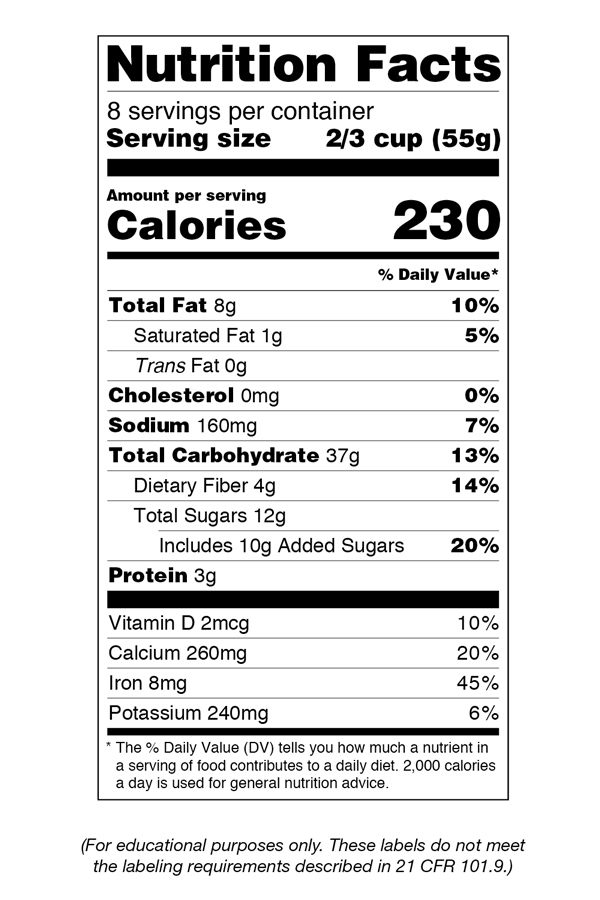
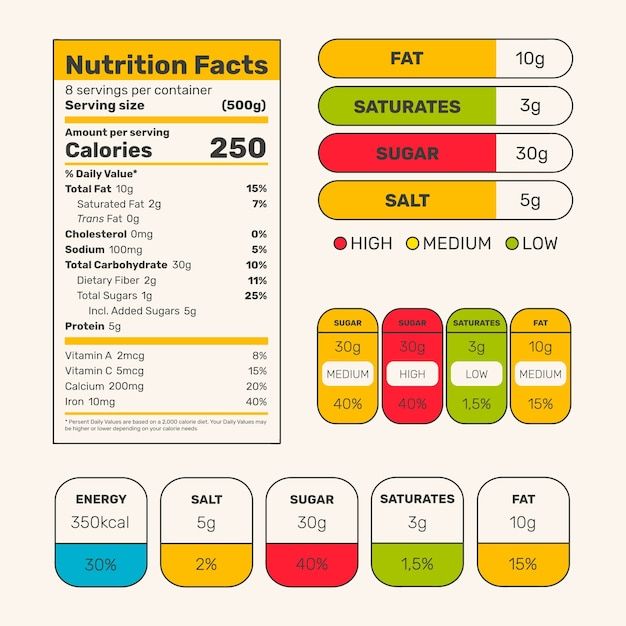
A nutrition chart, also known as a nutrition label or nutrition facts panel, is a visual representation of the nutritional content of a food item. It typically includes information such as calories, macronutrients (carbohydrates, fats, and proteins), vitamins, minerals, and other important nutrients. By reading a nutrition chart, you can gain insight into the overall healthiness of a food item and make informed decisions about what to eat.
Why are Nutrition Charts Important?
Nutrition charts play a crucial role in helping individuals make healthy food choices. By understanding the nutritional content of the foods you consume, you can ensure that you are meeting your daily nutrient needs and maintaining a balanced diet. Additionally, nutrition charts can help you track your calorie intake, monitor your macronutrient balance, and make adjustments to your diet as needed.
What to Include in a Nutrition Chart
A comprehensive nutrition chart should include the following information:
– Serving size: The recommended serving size for the food item
– Calories: The total number of calories per serving
– Macronutrients: The amount of carbohydrates, fats, and proteins per serving
– Vitamins and minerals: The percentage of daily recommended intake for various vitamins and minerals
– Ingredients: A list of ingredients used in the food item
– Allergens: Information about common allergens present in the food item
How to Use Nutrition Charts Effectively
To make the most of a nutrition chart, follow these tips:
– Pay attention to serving size: Be mindful of the recommended serving size to accurately track your nutrient intake
– Compare similar products: Use nutrition charts to compare the nutritional content of different food items and choose the healthiest option
– Look beyond calories: Focus on the macronutrient balance and the presence of essential vitamins and minerals in a food item
Tips for Successful Meal Planning with Nutrition Charts
When planning your meals using nutrition charts, consider the following tips:
– Prioritize nutrient-dense foods: Choose foods that are rich in essential nutrients and provide a good balance of macronutrients
– Plan ahead: Use nutrition charts to plan your meals in advance and ensure that you are meeting your daily nutrient needs
– Be flexible: Allow for some variety in your diet while still focusing on overall nutritional balance
In conclusion, nutrition charts are valuable tools that can help you make informed decisions about your diet and overall health. By understanding how to read and interpret nutrition charts, you can take control of your nutritional intake and make positive changes to your eating habits. Incorporate the tips mentioned in this article into your meal planning routine to optimize your health and well-being.
