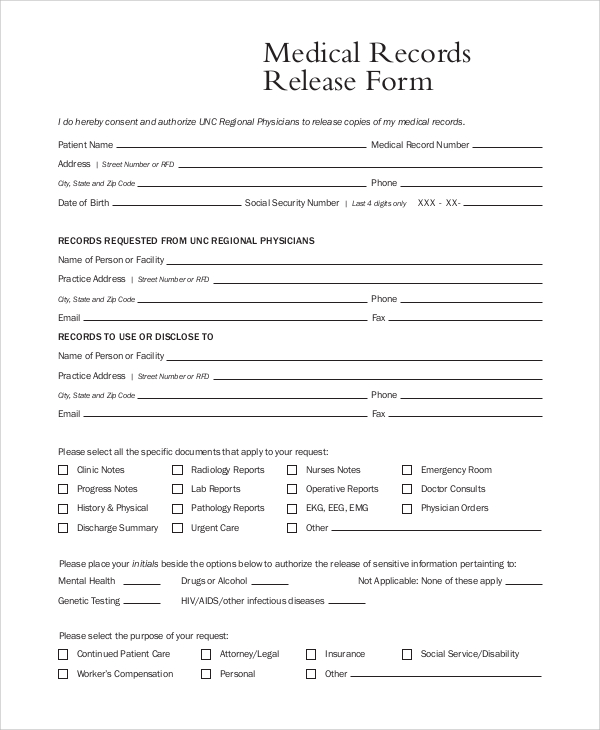
In the healthcare industry, medical records play a crucial role in providing accurate and comprehensive patient care. A medical records release form is a document that allows the sharing of a patient’s medical information between healthcare providers, insurance companies, legal entities, and other authorized individuals or organizations. This form is essential for ensuring continuity of care, proper billing, and legal compliance.
What is a Medical Records Release Form?
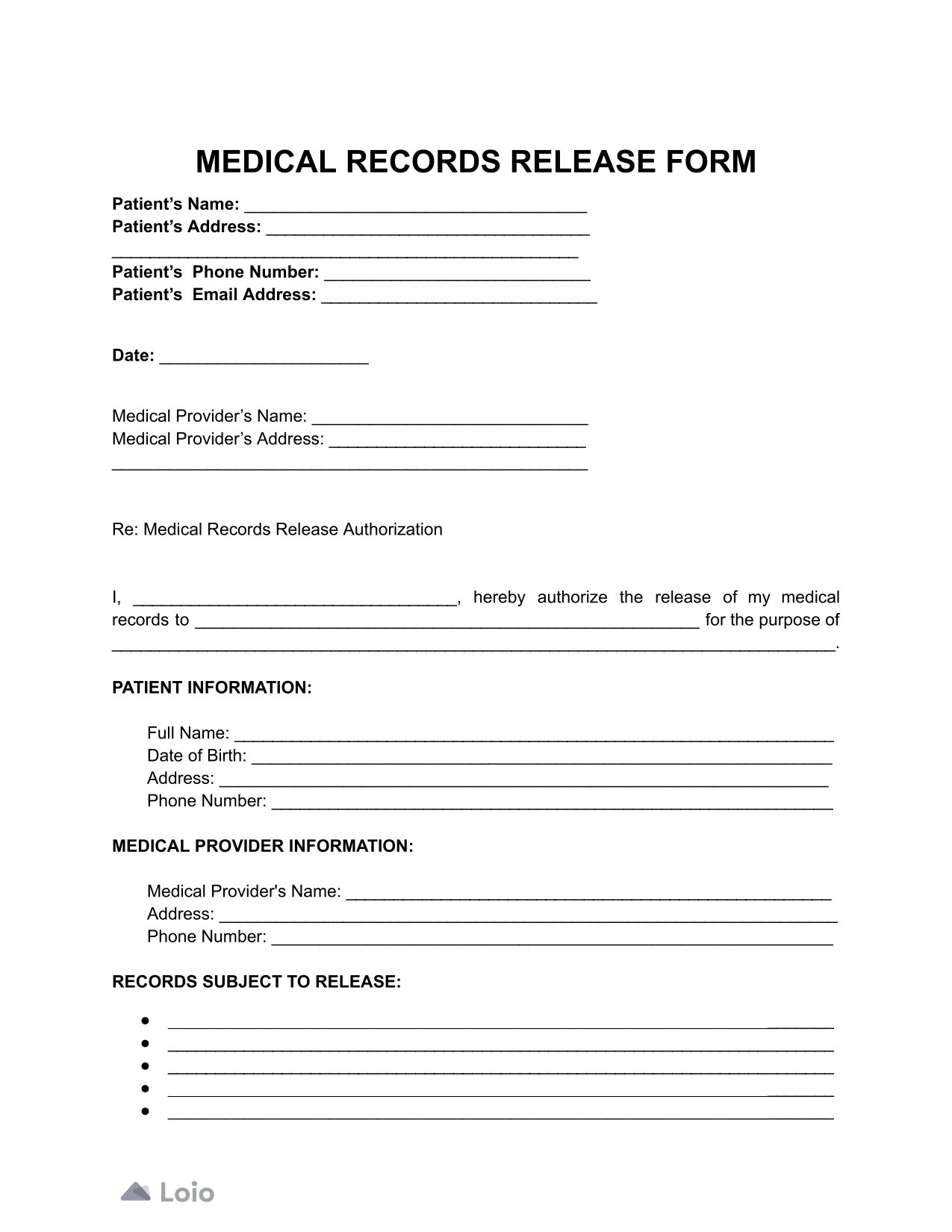
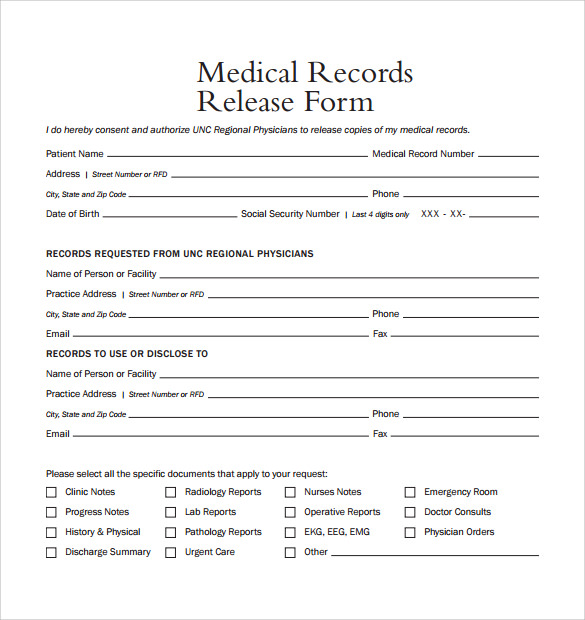
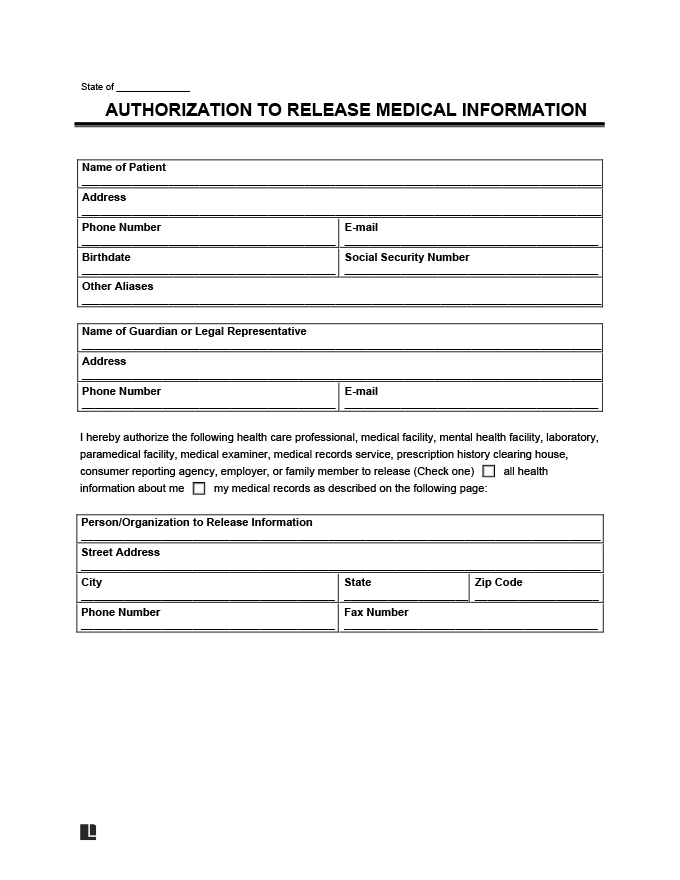
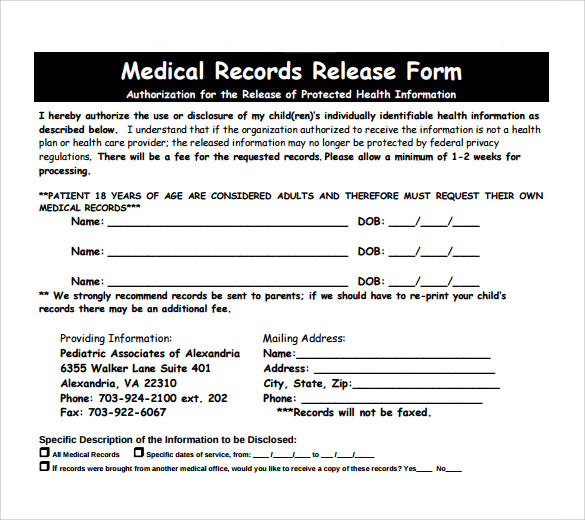
A medical records release form, also known as a medical information release form or a medical consent form, is a legal document that authorizes healthcare providers to disclose a patient’s medical information to specified individuals or entities. This form typically includes details such as the patient’s name, date of birth, contact information, the purpose of the release, the information to be disclosed, and the duration of the authorization.
A medical records release form is necessary for patients who wish to transfer their medical records from one healthcare provider to another, seek a second opinion from a specialist, file an insurance claim, participate in a research study, or provide medical information to a legal representative.
Why is a Medical Records Release Form Important?
The release of medical records is governed by strict privacy laws, such as the Health Insurance Portability and Accountability Act (HIPAA) in the United States. A medical records release form ensures that patient confidentiality is maintained and that medical information is shared only with authorized individuals or entities. Without a signed release form, healthcare providers are legally prohibited from disclosing a patient’s medical information.
By signing a medical records release form, patients have control over who can access their medical records and for what purpose. This form helps to facilitate communication between healthcare providers, streamline the transfer of medical information, and ensure that patients receive appropriate care based on their medical history.
What to Include in a Medical Records Release Form
When creating a medical records release form, it is essential to include the following key elements:
- Patient Information: The patient’s full name, date of birth, address, and contact information.
- Authorized Individuals or Entities: The names of the individuals or organizations authorized to receive the patient’s medical information.
- Purpose of the Release: The reason for disclosing the medical records, such as treatment, insurance claims, legal proceedings, or research.
- Information to be Disclosed: The specific medical information that can be shared, such as medical history, test results, diagnoses, medications, and treatment plans.
- Duration of the Authorization: The period during which the release of medical records is valid, typically ranging from a few months to a year.
How to Fill Out a Medical Records Release Form
Patients can obtain a medical records release form from their healthcare provider, hospital, or medical facility. To fill out the form correctly, follow these steps:
- Personal Information: Provide accurate personal details, including your full name, date of birth, and contact information.
- Authorized Recipients: Specify the names of the individuals or organizations authorized to receive your medical records.
- Purpose of Release: Indicate the reason for disclosing your medical information, such as treatment, insurance claims, or legal matters.
- Information to Disclose: Specify the specific medical information that can be shared, ensuring clarity and accuracy.
- Duration of Authorization: Specify the start and end date for the release of your medical records, if applicable.
Tips for Successful Medical Records Release
To ensure a smooth and successful release of your medical records, consider the following tips:
- Review the Form: Carefully read and understand the contents of the medical records release form before signing it.
- Provide Accurate Information: Double-check that all personal details and information about the authorized recipients are correct.
- Specify Purpose Clearly: Clearly articulate the reason for disclosing your medical records to prevent any misunderstandings.
- Consult with Healthcare Provider: If you have any questions or concerns about the release of your medical records, consult with your healthcare provider for guidance.
- Keep a Copy: Retain a copy of the signed medical records release form for your records and reference.
- Follow Up: After submitting the form, follow up with the authorized recipients to ensure that your medical records have been received and processed.
In Conclusion
A medical records release form is a vital document that enables the secure and authorized sharing of a patient’s medical information among healthcare providers and other relevant parties. By understanding the purpose of this form, knowing what to include, and following the correct procedures, patients can ensure that their medical records are shared appropriately and in compliance with privacy regulations. It is essential to prioritize patient confidentiality, communication, and legal compliance when dealing with medical records release forms to safeguard the privacy and integrity of patient information.
Medical Records Release Form Template
