In today’s fast-paced world, keeping track of your finances can be challenging. With expenses coming from all directions, it’s easy to lose sight of where your money is going. That’s where a monthly budget planner comes in handy. By creating a budget and sticking to it, you can take control of your finances and work towards achieving your financial goals.
What is a Monthly Budget Planner?
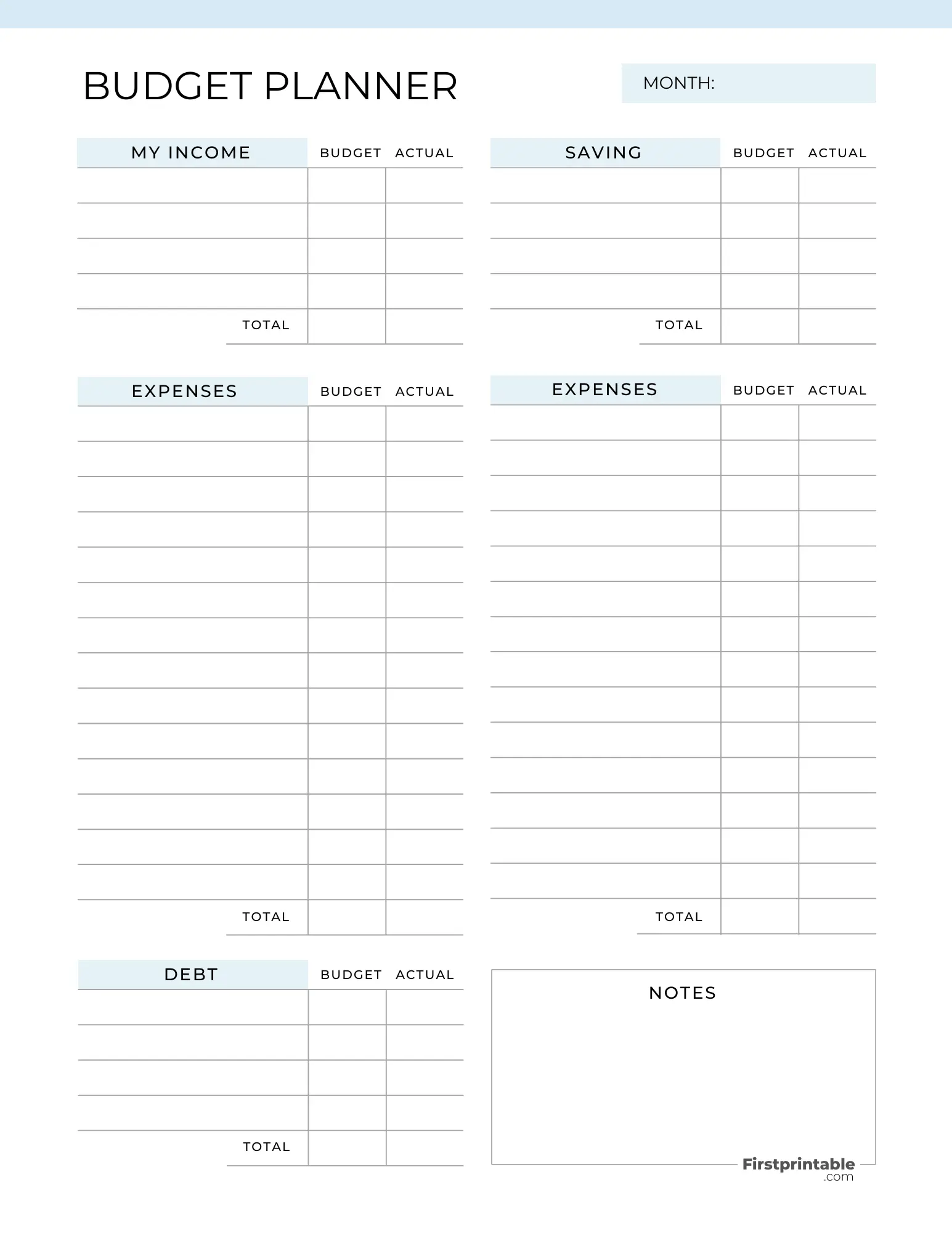
A monthly budget planner is a tool that helps you track your income and expenses for a specific period, typically a month. It allows you to see where your money is going, identify areas to cut back, and set financial goals. With a monthly budget planner, you can create a roadmap for your finances and make informed decisions about your spending.
Why Use a Monthly Budget Planner?
Using a monthly budget planner can have a multitude of benefits, including:
– Increased awareness of your spending habits
– Better control over your finances
– Ability to set and achieve financial goals
– Reduced financial stress
– Improved overall financial well-being
With a monthly budget planner, you can take charge of your money and make sure it is working for you, rather than against you.
What to Include in a Monthly Budget Planner
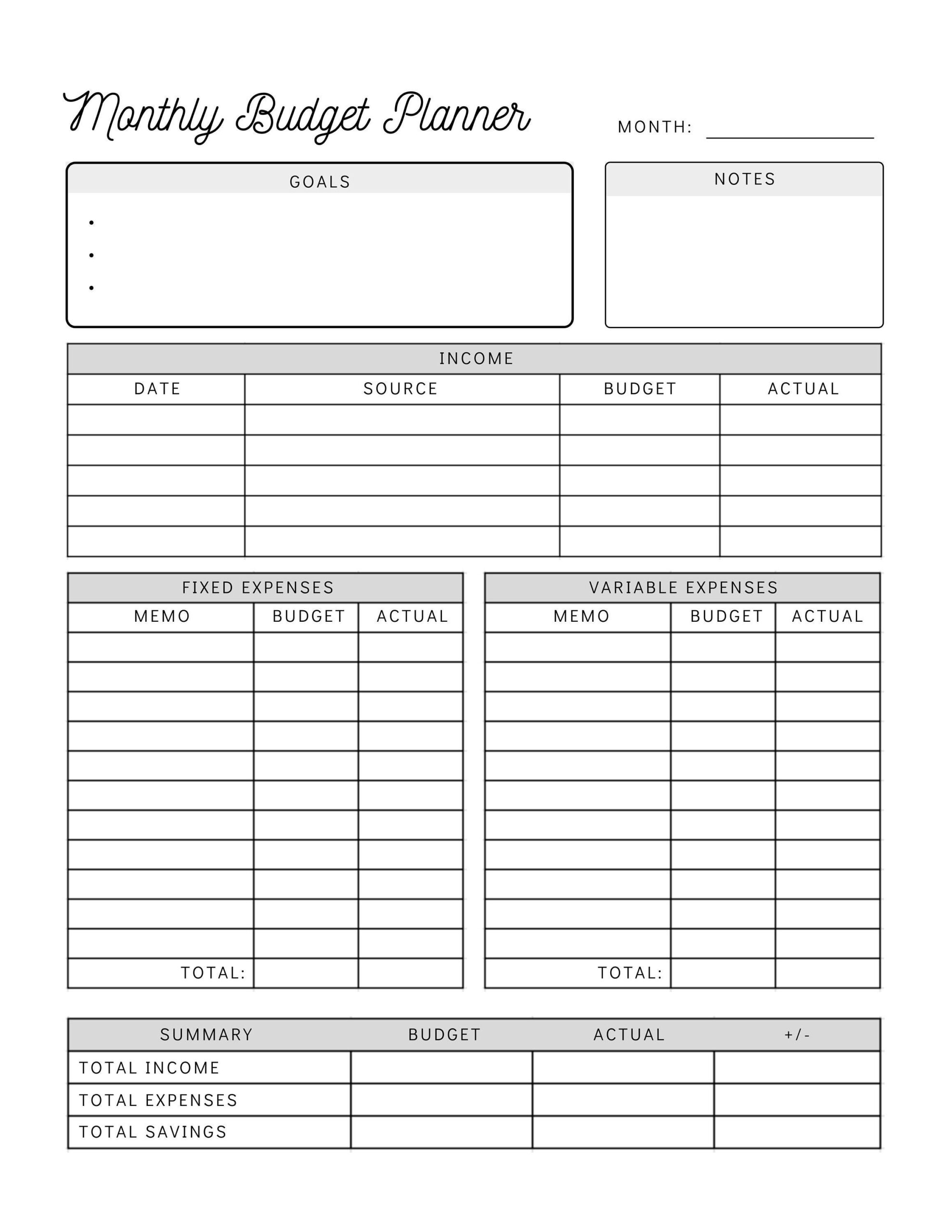
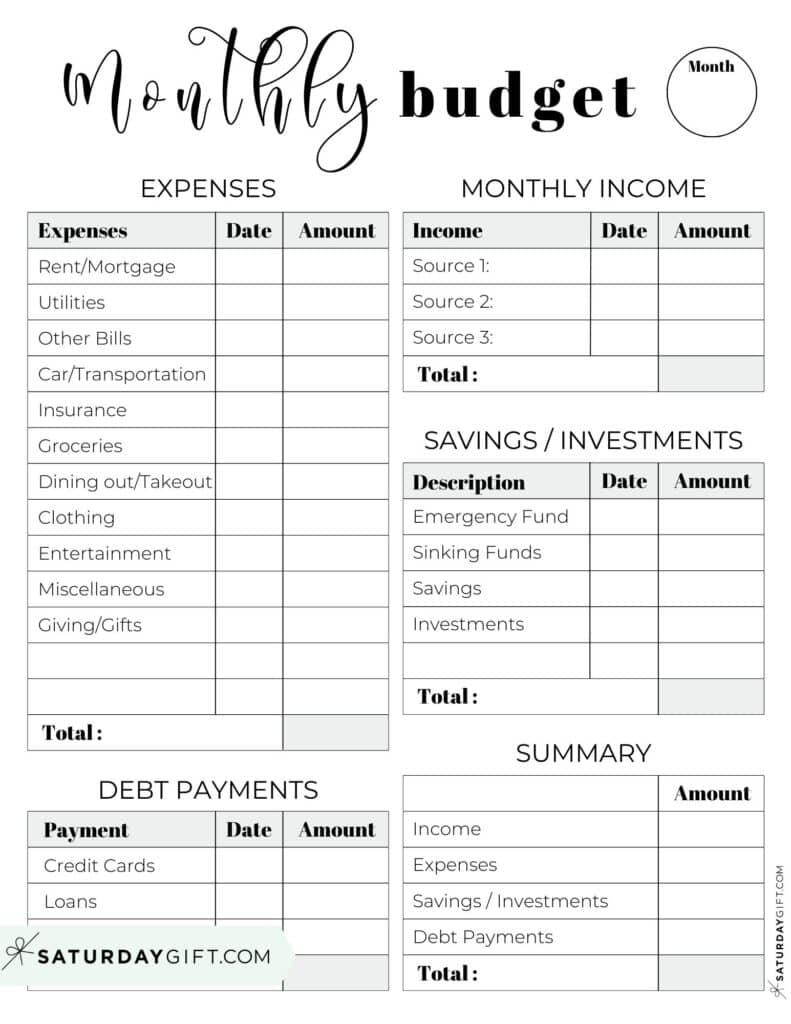
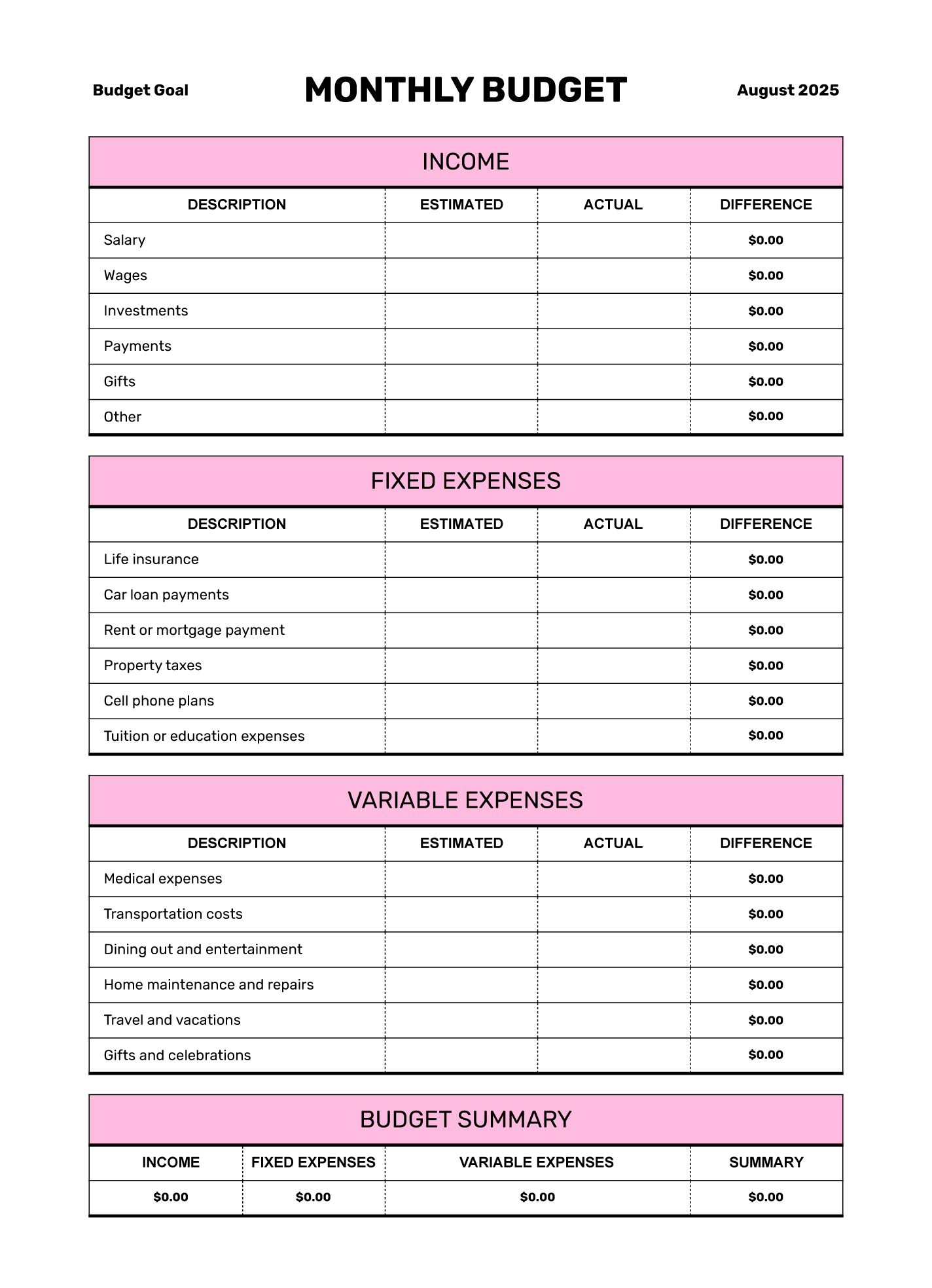
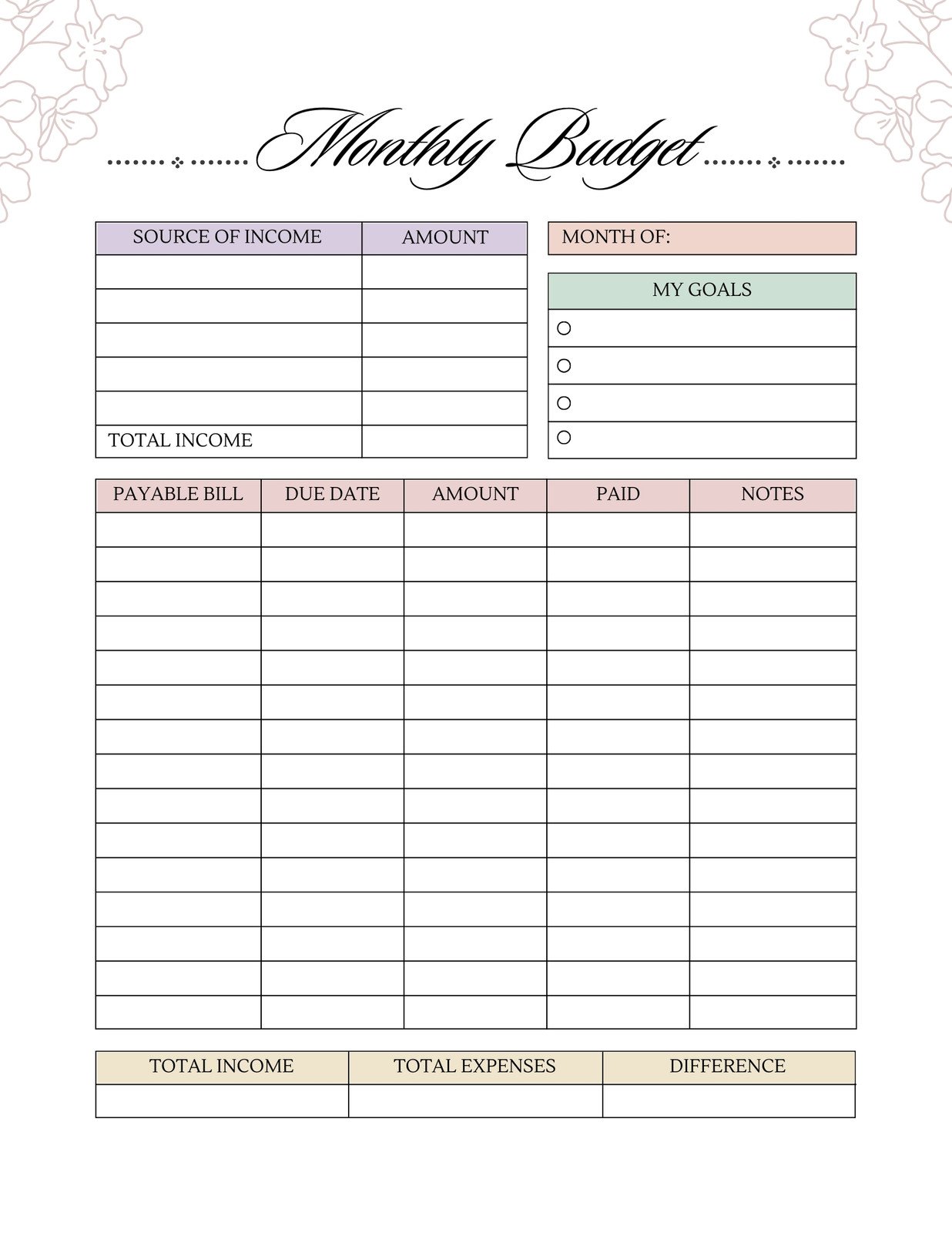
When creating a monthly budget planner, there are several key components to consider. These may include:
– Income: List all sources of income, such as salary, bonuses, and rental income.
– Expenses: Categorize your expenses into fixed (mortgage, utilities) and variable (groceries, entertainment).
– Savings: Allocate a portion of your income to savings and investments.
– Debt: Keep track of any outstanding debts and make a plan to pay them off.
– Financial Goals: Set short-term and long-term financial goals to work towards.
Examples
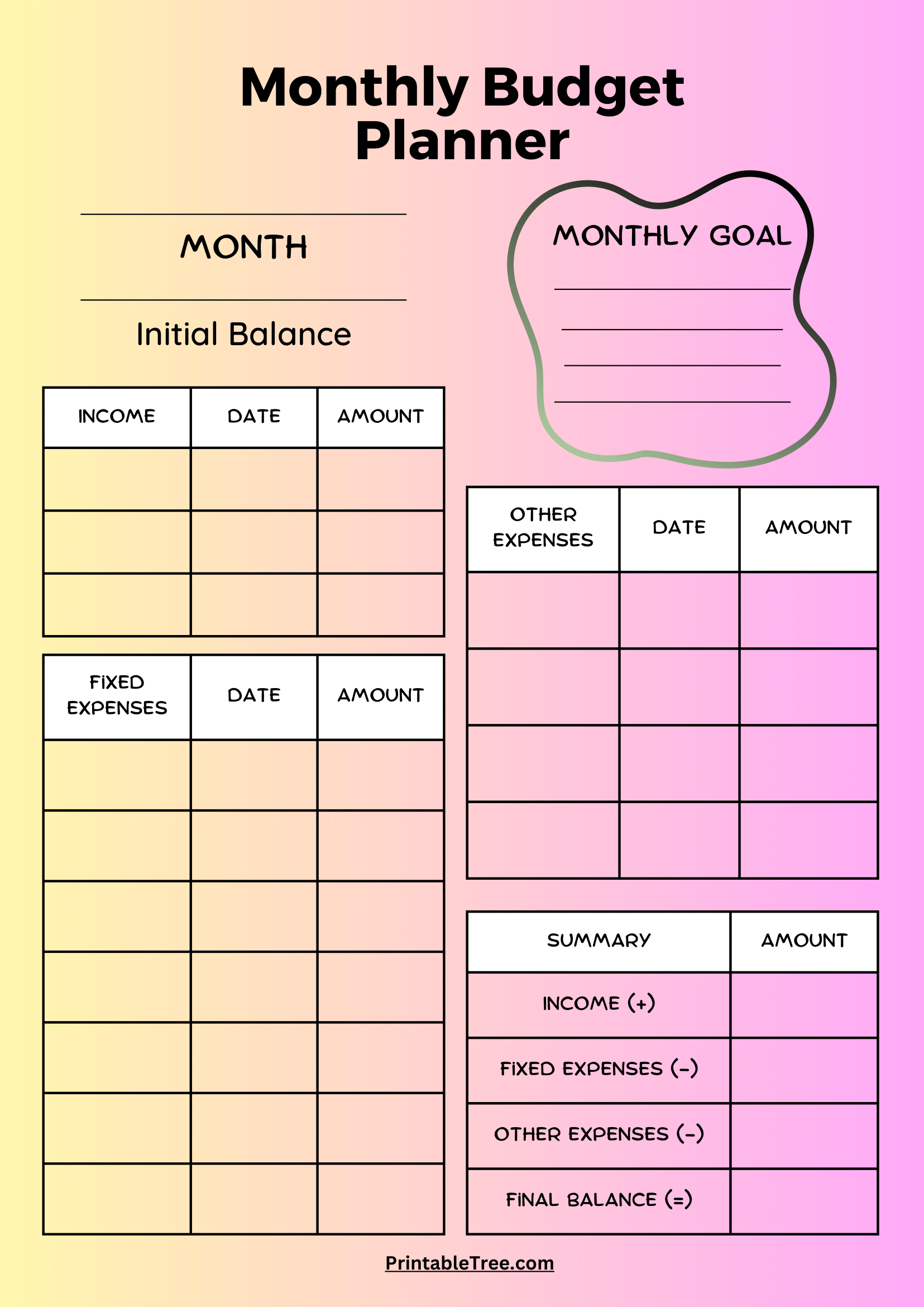
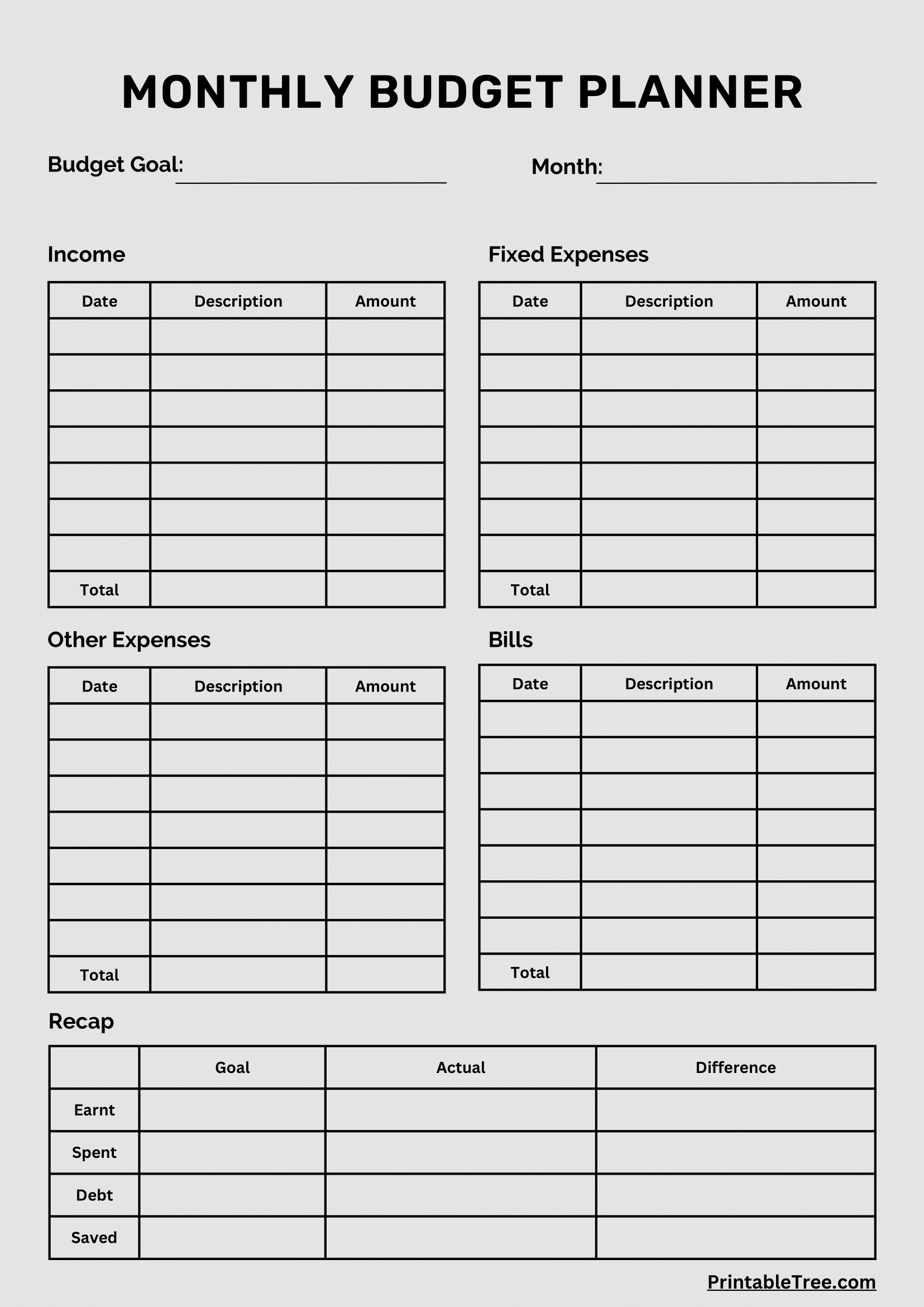
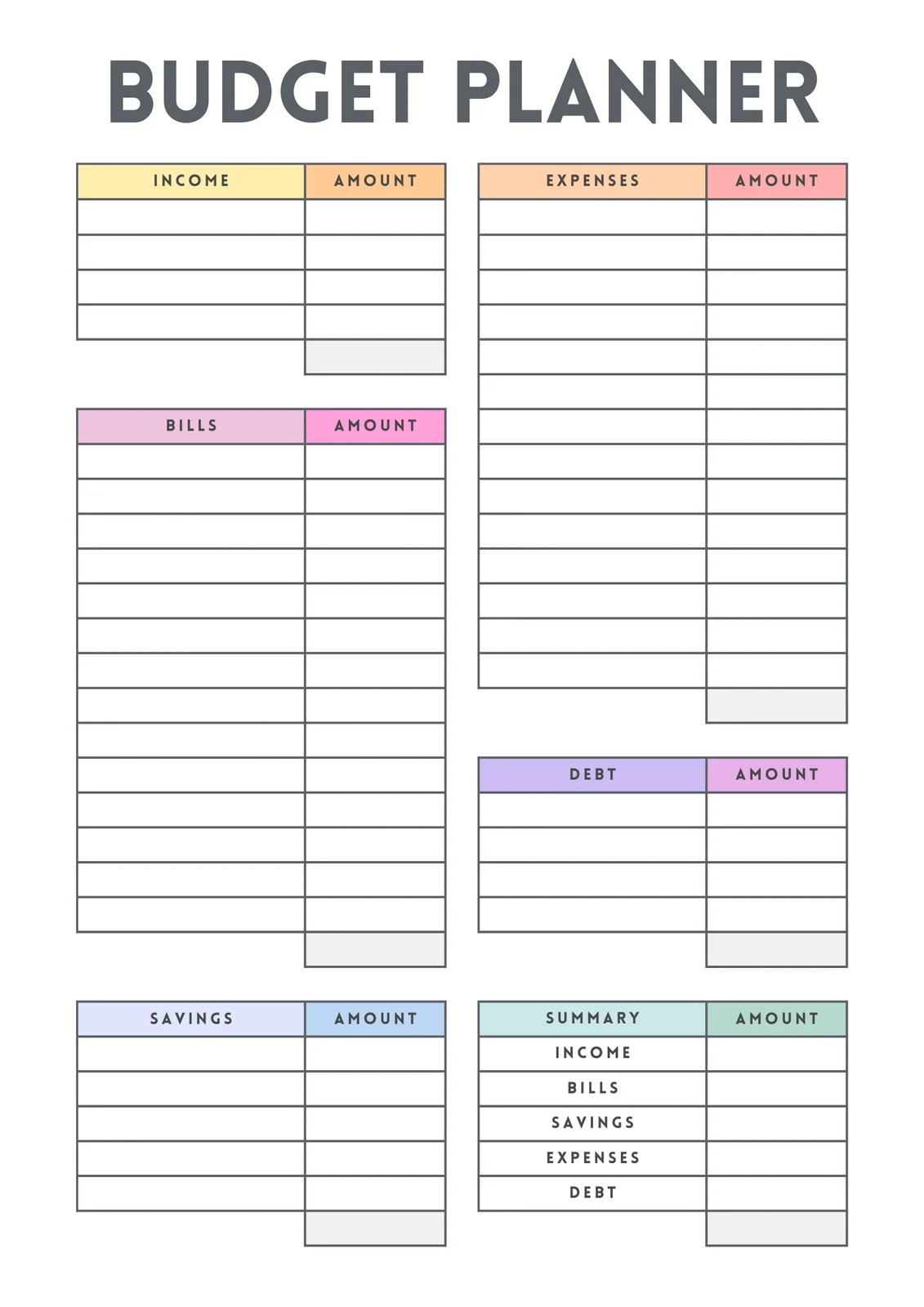
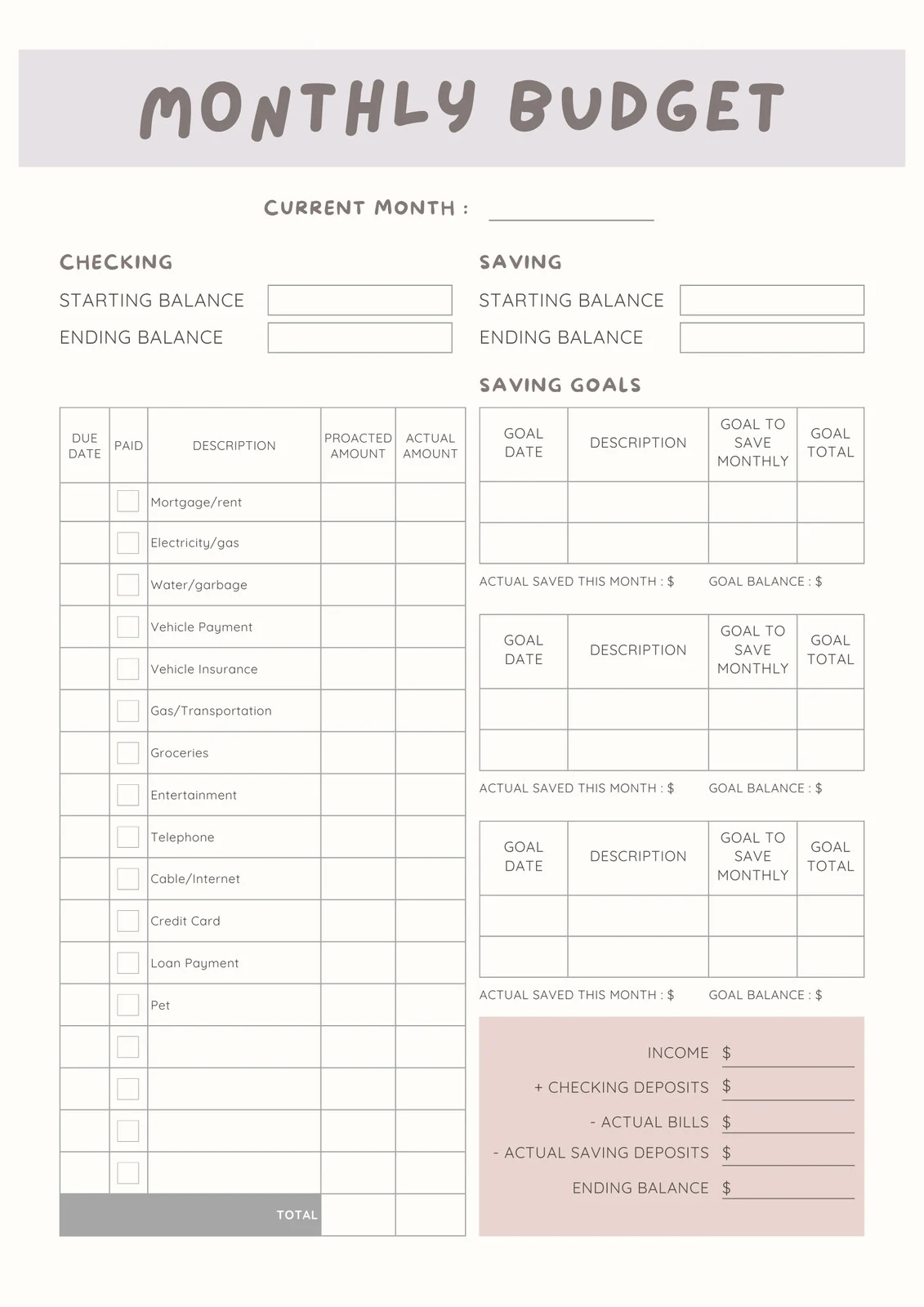
How to Create a Monthly Budget Planner
Creating a monthly budget planner is a straightforward process that starts with gathering all relevant financial information. Here are some steps to help you get started:
1. Determine your monthly income.
2. List all your expenses, separating them into categories.
3. Calculate your total expenses and compare them to your income.
4. Make adjustments as needed to ensure you are living within your means.
5. Set aside money for savings and emergency funds.
6. Monitor your budget regularly and make adjustments as necessary.
By following these steps, you can create a comprehensive monthly budget planner that will help you stay on track with your finances.
Tips for Successful Budgeting
– Be realistic: Make sure your budget is achievable and reflects your actual spending habits.
– Track your expenses: Keep a record of all your expenses to see where your money is going.
– Review regularly: Take the time to review your budget each month and make adjustments as needed.
– Stay disciplined: Stick to your budget and avoid unnecessary spending.
– Celebrate milestones: Reward yourself when you reach financial goals to stay motivated.
By implementing these tips, you can make the most out of your monthly budget planner and take control of your finances. Remember, budgeting is a journey, and with determination and perseverance, you can achieve financial success.
Monthly Budget Planner Template – Download
