Planning an event can be an exciting but daunting task. From choosing the perfect venue to coordinating vendors and creating a guest list, there are countless details to consider. One of the most important aspects of event planning is creating a budget. A well-thought-out budget can help you stay organized, allocate resources effectively, and ensure that your event is a success.
In this guide, we will explore everything you need to know about event budgeting, including why it’s important, what to include in your budget, how to create a budget, tips for staying on track, and more.
What is an Event Budget?
An event budget is a detailed financial plan that outlines all the expenses and income associated with hosting an event. It serves as a roadmap for your event planning process, helping you make informed decisions about where to allocate your resources. A well-planned budget can help you avoid overspending, identify potential cost-saving opportunities, and ensure that your event is financially sustainable.
Creating an event budget may seem daunting at first, but with careful planning and attention to detail, you can develop a budget that meets your needs and helps you achieve your event goals. Whether you are planning a small gathering or a large-scale conference, having a clear understanding of your budget is essential for successful event planning.
Why is Event Budgeting Important?
Event budgeting is crucial for several reasons. First and foremost, a budget helps you set realistic financial goals for your event and ensures that you have the necessary funds to cover all expenses. Without a budget, it’s easy to overspend or underestimate costs, leading to financial strain and potential setbacks during the planning process.
Additionally, an event budget can help you prioritize expenses, identify areas where you can save money, and make informed decisions about how to allocate your resources. By carefully tracking your income and expenses, you can avoid surprises and ensure that your event stays within budget. Overall, effective budgeting is key to the success of any event, regardless of size or scope.
What to Include in Your Event Budget
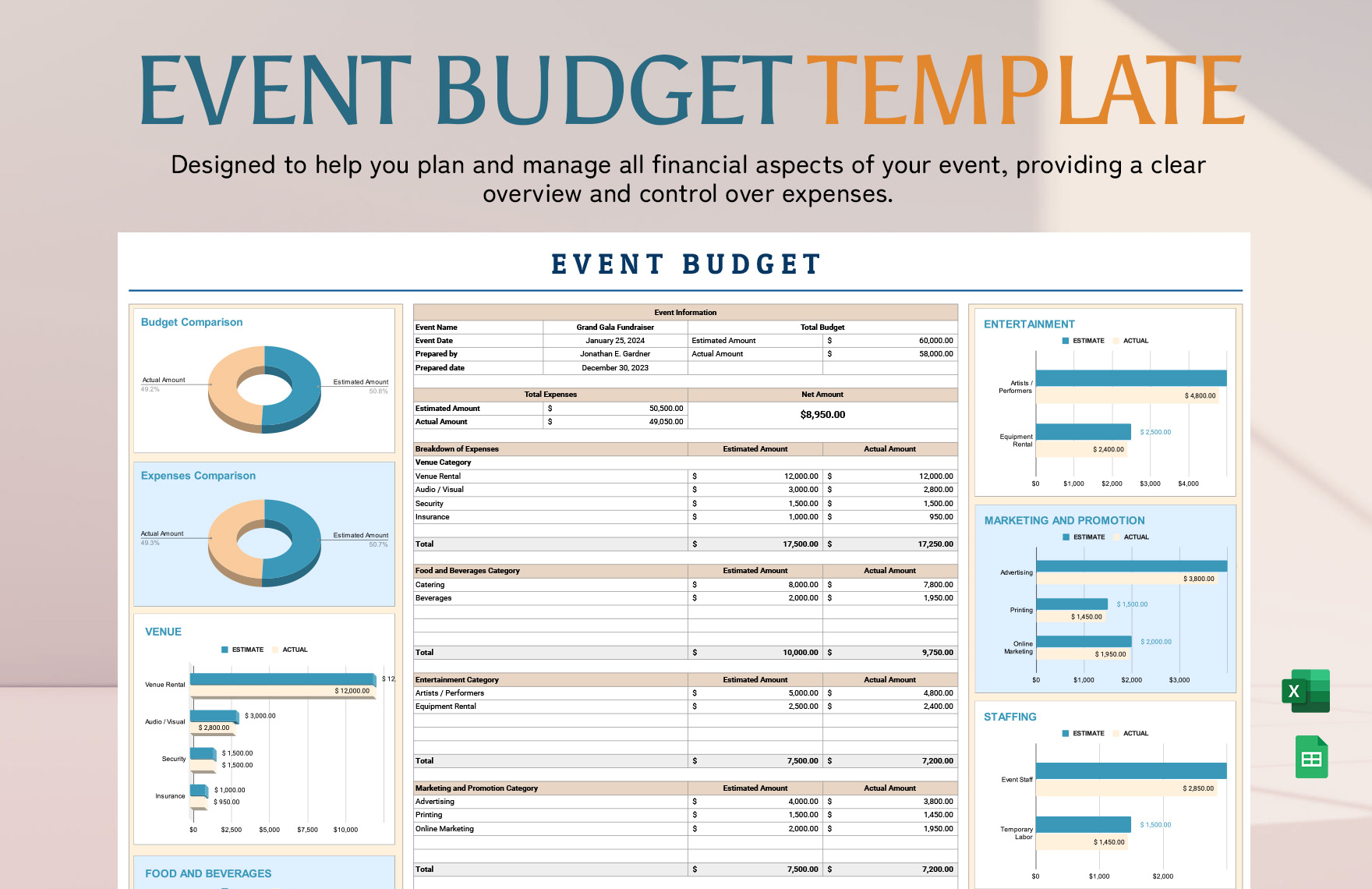
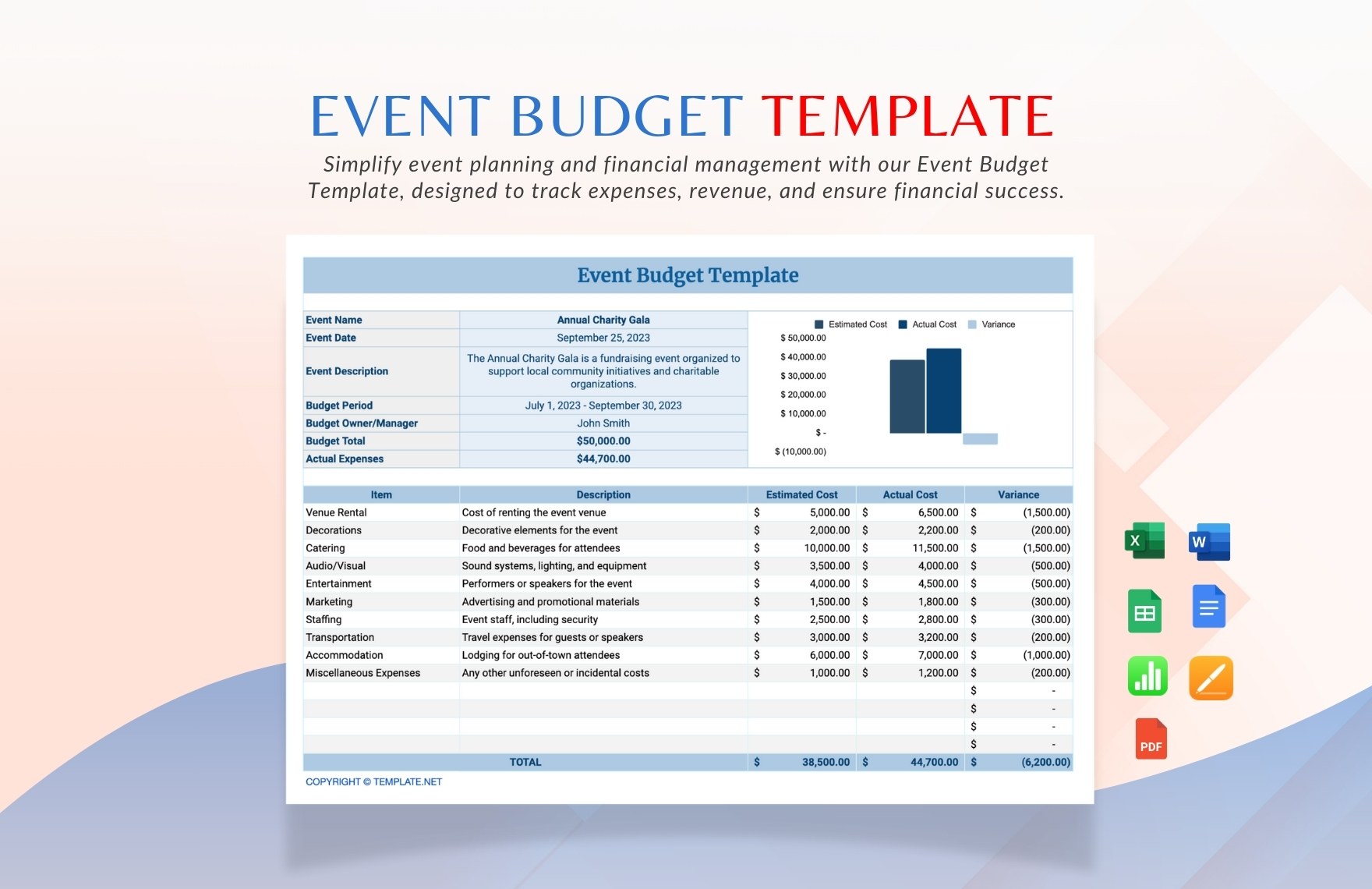
When creating an event budget, it’s important to consider all potential expenses and sources of income. Here are some key elements to include in your budget:
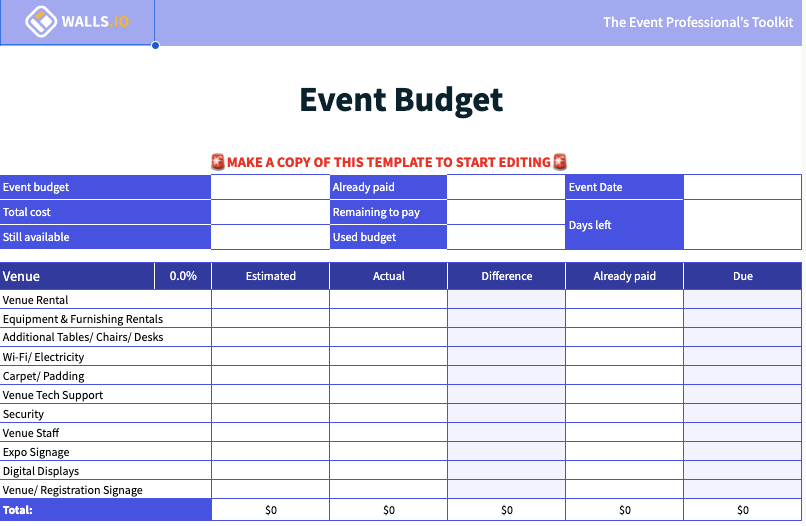
- Venue rental. This may include fees for space rental, security, and cleaning.
- Food and beverage. Budget for catering, bar services, and any additional food-related expenses.
- Entertainment. Include costs for performers, speakers, and any other entertainment options.
- Decor and rentals. Budget for decorations, furniture rentals, and any other event supplies.
- Marketing and promotion. Include expenses for advertising, printing materials, and promotional activities.
- Staffing. Budget for event staff, security, and any additional personnel needed.
- Technology and audiovisual. Include costs for sound systems, lighting, and any other technical needs.
- Contingency fund. Set aside a portion of your budget for unexpected expenses or emergencies.
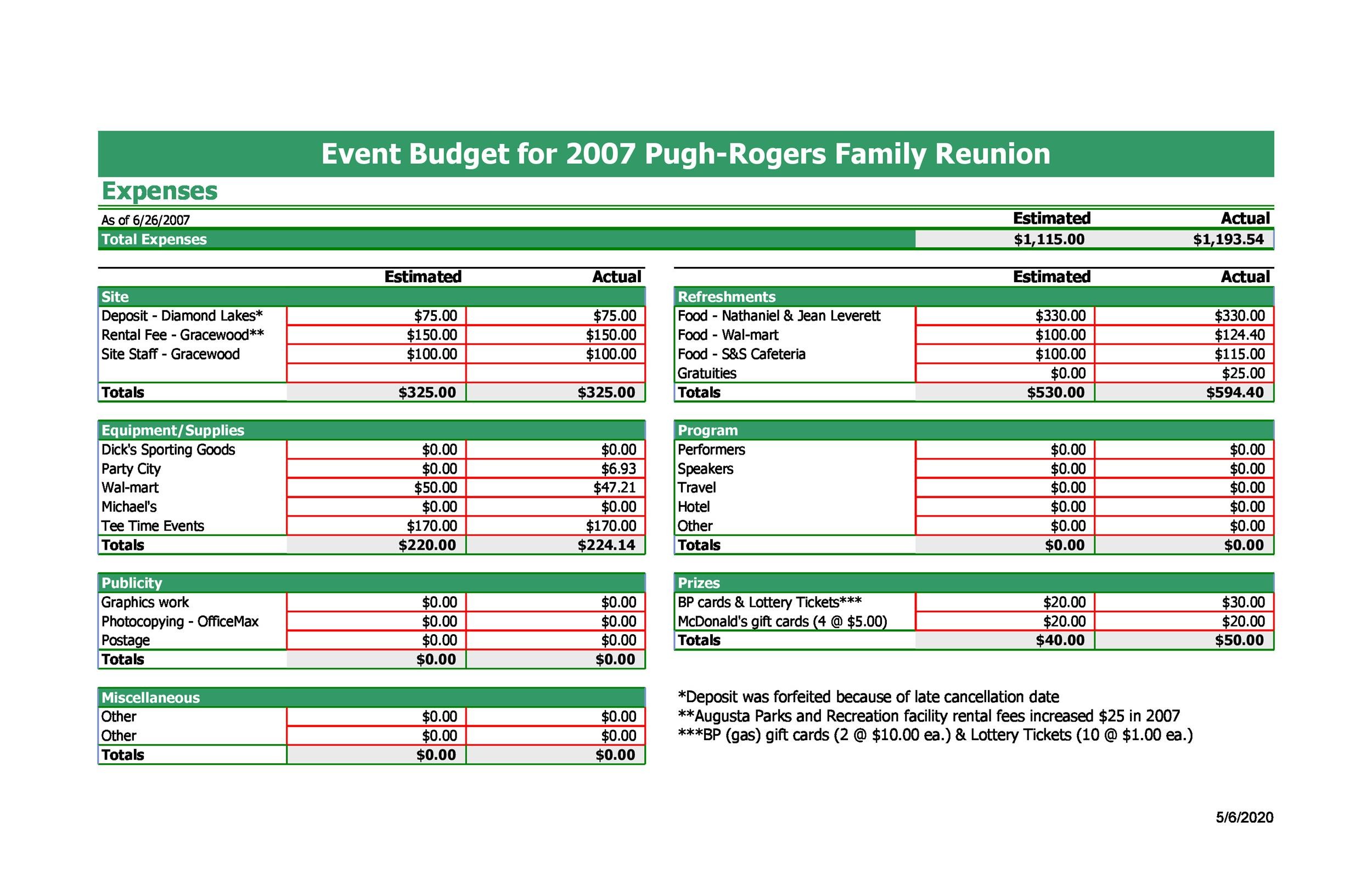
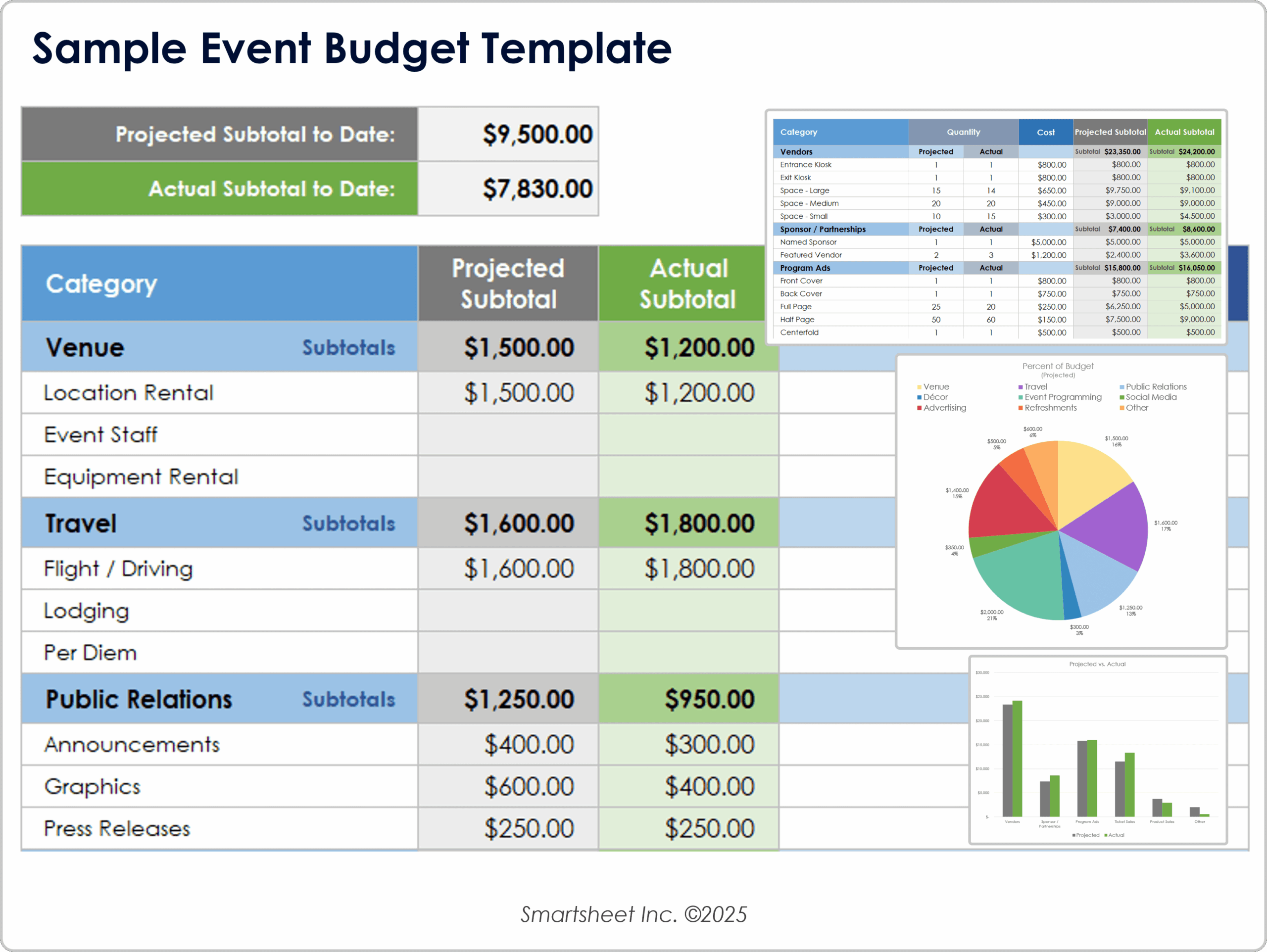
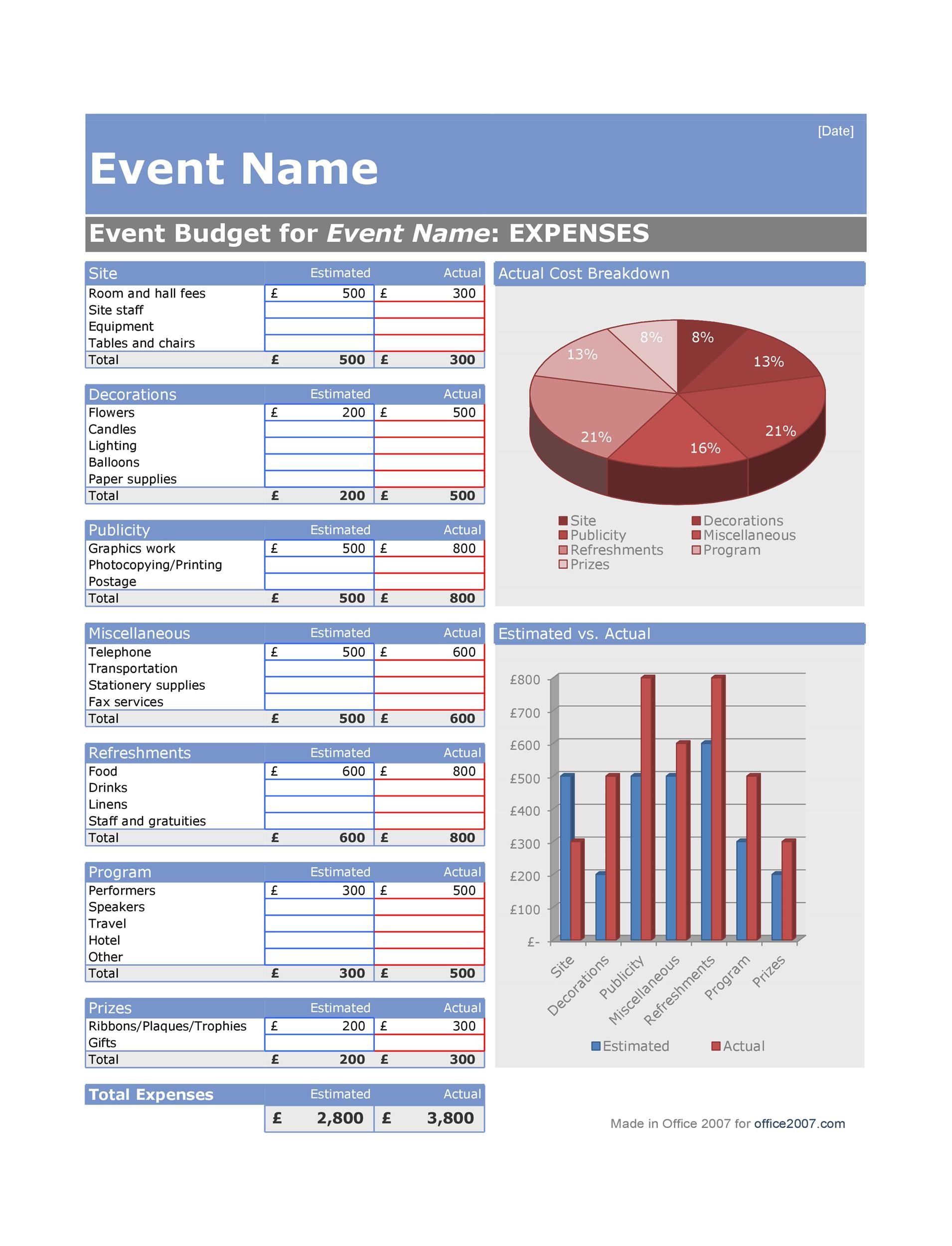
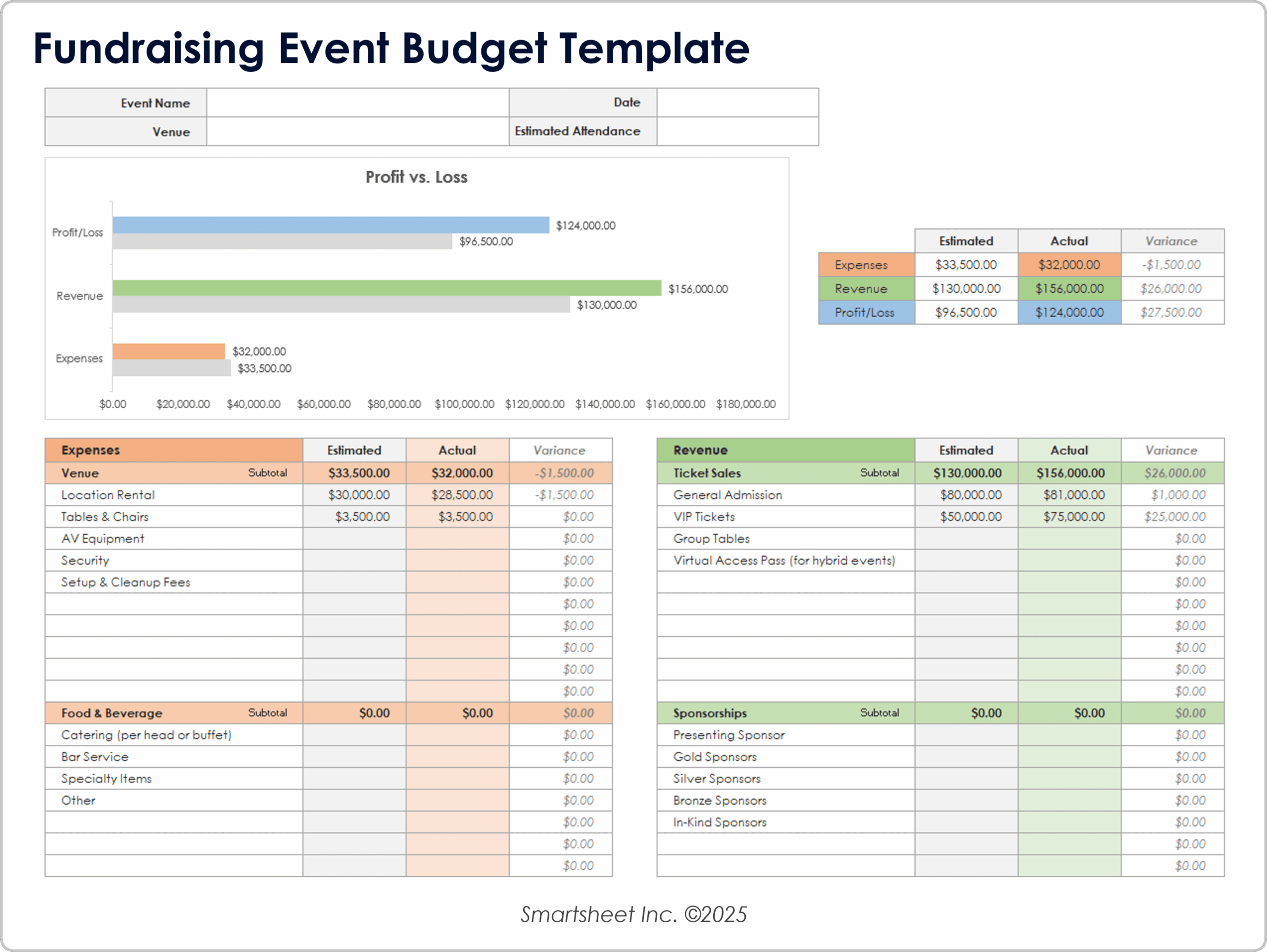
Examples
How to Create an Event Budget
Creating an event budget requires careful planning and attention to detail. Here are some steps to help you create a comprehensive budget for your event:
1. Start by determining your event goals and objectives. Understanding the purpose of your event will help you prioritize expenses and allocate resources effectively.
2. Identify all potential expenses and sources of income. Be sure to consider both fixed costs (such as venue rental) and variable costs (such as decorations).
3. Research costs for each expense category to ensure that your budget is realistic and accurate.
4. Allocate funds based on your priorities and goals. Consider which expenses are essential for achieving your event objectives and which can be adjusted or eliminated.
5. Create a detailed budget spreadsheet or use a budgeting tool to track your income and expenses throughout the planning process.
6. Monitor your budget regularly and make adjustments as needed. Be prepared to adapt to changing circumstances and unexpected expenses.
7. Keep detailed records of all financial transactions related to your event to ensure accountability and transparency.
Tips for Staying on Track
Staying on budget can be challenging, but with the right strategies, you can keep your event finances in check. Here are some tips for staying on track with your event budget:
- Set realistic financial goals. Establish clear budget targets and regularly review your progress to ensure that you are on track.
- Track your expenses. Keep detailed records of all expenses and income to avoid overspending and identify cost-saving opportunities.
- Communicate with your team. Keep your team informed about the budget and encourage them to contribute ideas for cost savings.
- Negotiate with vendors. Don’t be afraid to negotiate prices with vendors and suppliers to get the best possible deals.
- Plan for contingencies. Set aside a contingency fund to cover unexpected expenses and emergencies that may arise during the planning process.
- Review your budget regularly. Monitor your budget regularly and make adjustments as needed to ensure that you stay within your financial limits.
- Seek sponsorships or partnerships. Consider partnering with sponsors or seeking in-kind donations to offset costs and enhance your event budget.
- Learn from past experiences. Reflect on past events to identify areas for improvement and apply lessons learned to future budgeting processes.
Conclusion
In conclusion, event budgeting is a critical aspect of successful event planning. By creating a detailed budget that includes all expenses and sources of income, you can set realistic financial goals, prioritize expenses, and ensure that your event stays within budget. With careful planning, attention to detail, and the right strategies, you can create an event budget that helps you achieve your event goals and deliver a memorable experience for your guests.
Remember to track your expenses, communicate with your team, and stay flexible in adapting to changing circumstances. By following these tips and best practices, you can plan and execute a successful event that meets your objectives and exceeds expectations.
Event Budget Template – Download
