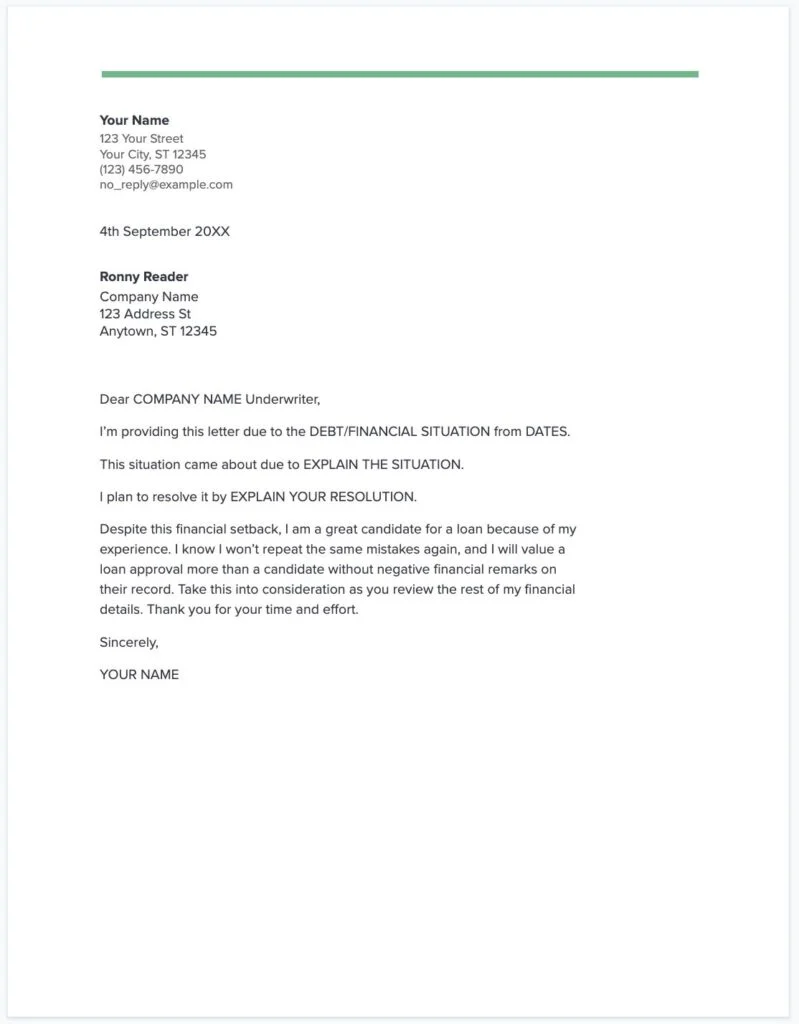
When applying for a mortgage, you may encounter a request for a “letter of explanation.” This document is commonly required by lenders to provide additional information or clarification about certain aspects of your financial situation. While it may seem intimidating at first, understanding the purpose and content of a mortgage letter of explanation can help smooth the loan approval process. In this guide, we will break down what a mortgage letter of explanation is, why it is needed, what to include, how to write it effectively, and tips for a successful submission.
What is a Mortgage Letter of Explanation?
A mortgage letter of explanation is a formal document that allows borrowers to provide context or clarification for specific financial circumstances or events. Lenders may request this letter to gain a better understanding of any inconsistencies, discrepancies, or red flags in the borrower’s financial history. Common reasons for requesting a letter of explanation include gaps in employment, large deposits or withdrawals, credit inquiries, changes in income, or other financial anomalies.
A mortgage letter of explanation serves as an opportunity for borrowers to explain the circumstances behind these financial events and demonstrate their ability to manage their finances responsibly. By providing a detailed and honest explanation, borrowers can strengthen their loan application and increase their chances of approval.
Why is a Mortgage Letter of Explanation Needed?
Lenders require a mortgage letter of explanation to ensure that borrowers are transparent and honest about their financial background. By providing additional information or context for certain financial events, borrowers can address any concerns or questions that may arise during the loan approval process. This letter helps lenders assess the borrower’s creditworthiness, risk level, and ability to repay the loan.
Ultimately, a mortgage letter of explanation helps lenders make informed decisions about the borrower’s loan application. It allows borrowers to take control of the narrative and provide a clear picture of their financial situation, mitigating any doubts or uncertainties that may arise during the underwriting process.
What to Include in a Mortgage Letter of Explanation
When writing a mortgage letter of explanation, it is essential to include specific details and relevant information to address the lender’s concerns. Here are some key elements to consider including in your letter:
- Explanation: Clearly explain the reason for the financial event or circumstance that requires clarification.
- Timeline: Provide a timeline of events leading up to the situation in question, including dates and any relevant documentation.
- Supporting Documents: Attach any supporting documents, such as bank statements, pay stubs, or letters from employers, to corroborate your explanation.
- Resolution: Outline any steps you have taken to address or rectify the situation, demonstrating your proactive approach to financial management.
- Contact Information: Include your contact information in case the lender needs to follow up or request further clarification.
By including these components in your mortgage letter of explanation, you can provide a comprehensive and cohesive account of the financial event in question, strengthening your loan application in the process.
Examples
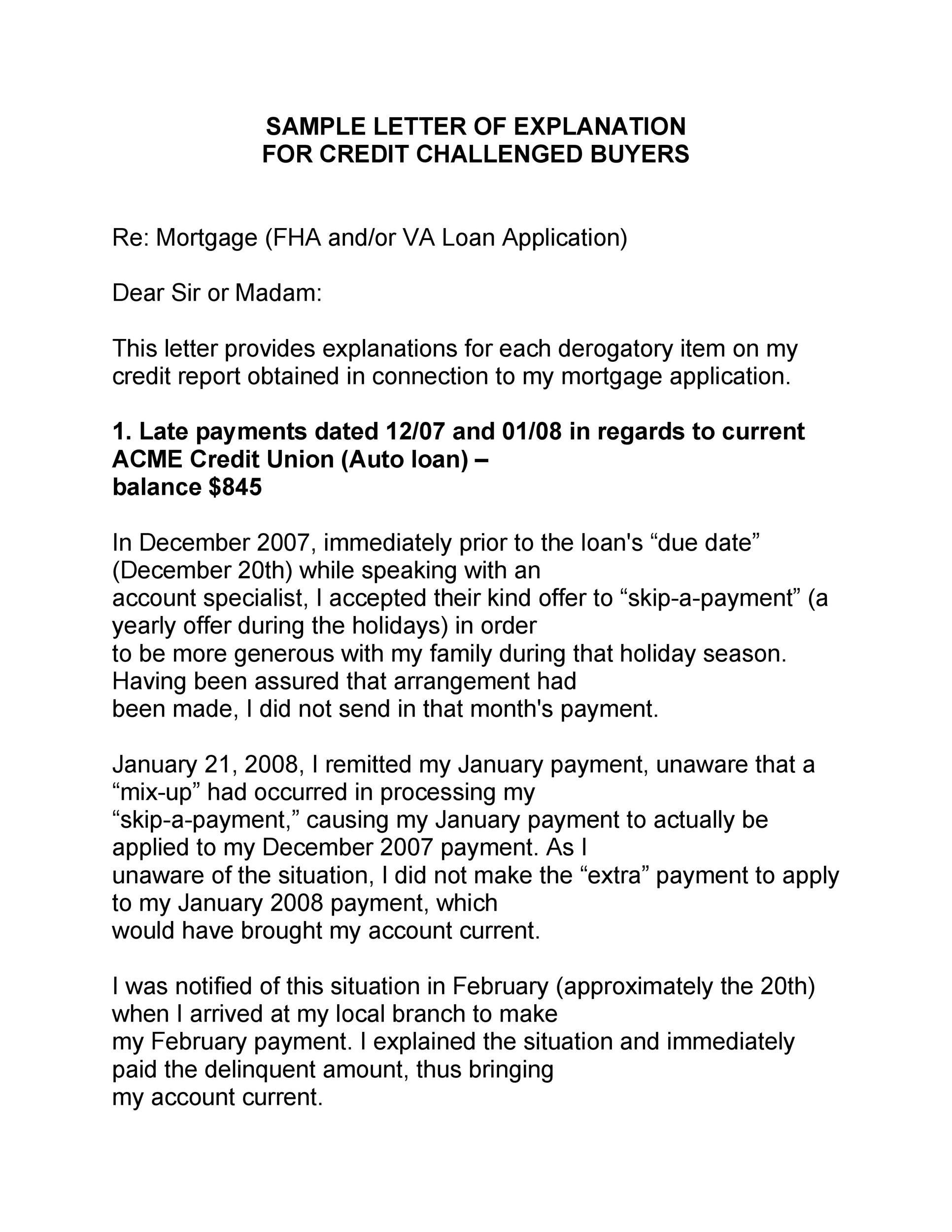

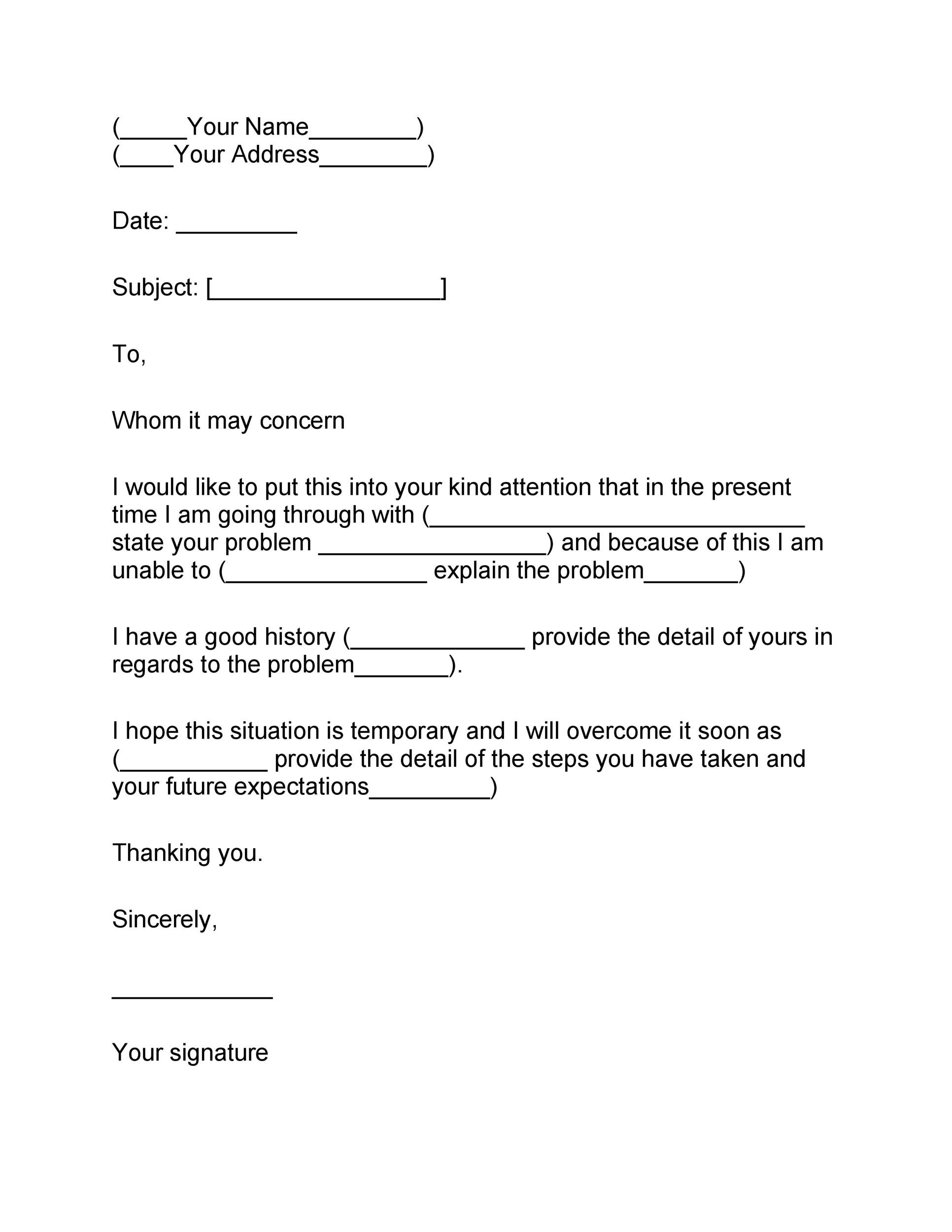
How to Write a Mortgage Letter of Explanation
Writing a mortgage letter of explanation requires a thoughtful and detailed approach to ensure that your message is clear, concise, and compelling. Here are some tips to help you craft an effective letter of explanation:
- Be Honest: Transparency is key when writing a letter of explanation. Be truthful and forthcoming about the circumstances surrounding the financial event.
- Be Concise: Keep your explanation focused and to the point. Avoid unnecessary details or information that does not directly relate to the situation at hand.
- Be Professional: Use a formal tone and language when writing your letter. This document is a reflection of your financial responsibility and credibility.
- Edit and Proofread: Review your letter carefully for spelling, grammar, and formatting errors. A well-written and polished letter demonstrates your attention to detail.
- Seek Guidance: If you are unsure about how to structure or write your letter of explanation, consider seeking guidance from a financial advisor or loan officer.
By following these guidelines and tips, you can effectively communicate your explanation to the lender and enhance your chances of a successful loan application.
Tips for Successful Mortgage Letter of Explanation
Submitting a well-crafted mortgage letter of explanation can significantly impact the outcome of your loan application. Here are some additional tips to help you create a compelling and successful letter of explanation:
- Be Proactive: Address any potential red flags or concerns proactively in your letter of explanation to demonstrate your commitment to transparency and cooperation.
- Provide Context: Offer context and background information to help the lender understand the circumstances surrounding the financial event or situation in question.
- Stay Positive: Maintain a positive and constructive tone throughout your letter, focusing on solutions and resolutions rather than dwelling on past mistakes.
- Follow Instructions: Adhere to any specific guidelines or requirements provided by the lender regarding the format, length, or content of the letter of explanation.
- Be Patient: Allow the lender sufficient time to review and process your letter of explanation. Patience and cooperation can go a long way in building a positive relationship with the lender.
By incorporating these tips into your mortgage letter of explanation, you can present a compelling case to the lender and increase your chances of securing a successful loan approval.
Mortgage Letter of Explanation Template
