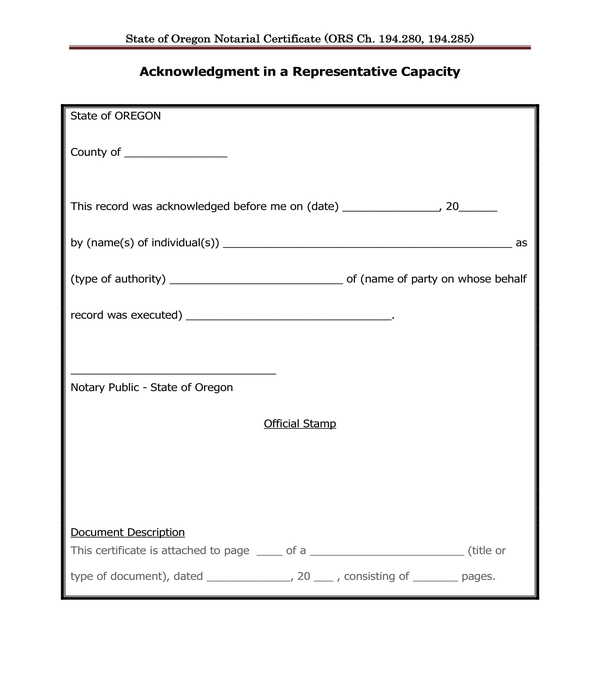
Notary acknowledgement forms are an essential part of many legal transactions, but what exactly are they and why are they necessary? In this comprehensive guide, we will explore everything you need to know about notary acknowledgement forms, including what they are, why they are important, what to include in them, how to properly fill them out, and some tips for successful completion.
What is a Notary Acknowledgement Form?
A notary acknowledgement form is a document that verifies the identity of the signer of a legal document and confirms that the signer willingly signed the document in the presence of a notary public. This form is used to prevent fraud and ensure the authenticity of the signatures on important legal documents.
Why are Notary Acknowledgement Forms Important?
Notary acknowledgement forms play a crucial role in the legal system by providing a layer of protection against fraud and ensuring the validity of legal documents. By having a notary public witness the signing of a document and verify the identity of the signer, parties involved in a transaction can have confidence that the document is genuine and legally binding.
What to Include in a Notary Acknowledgement Form
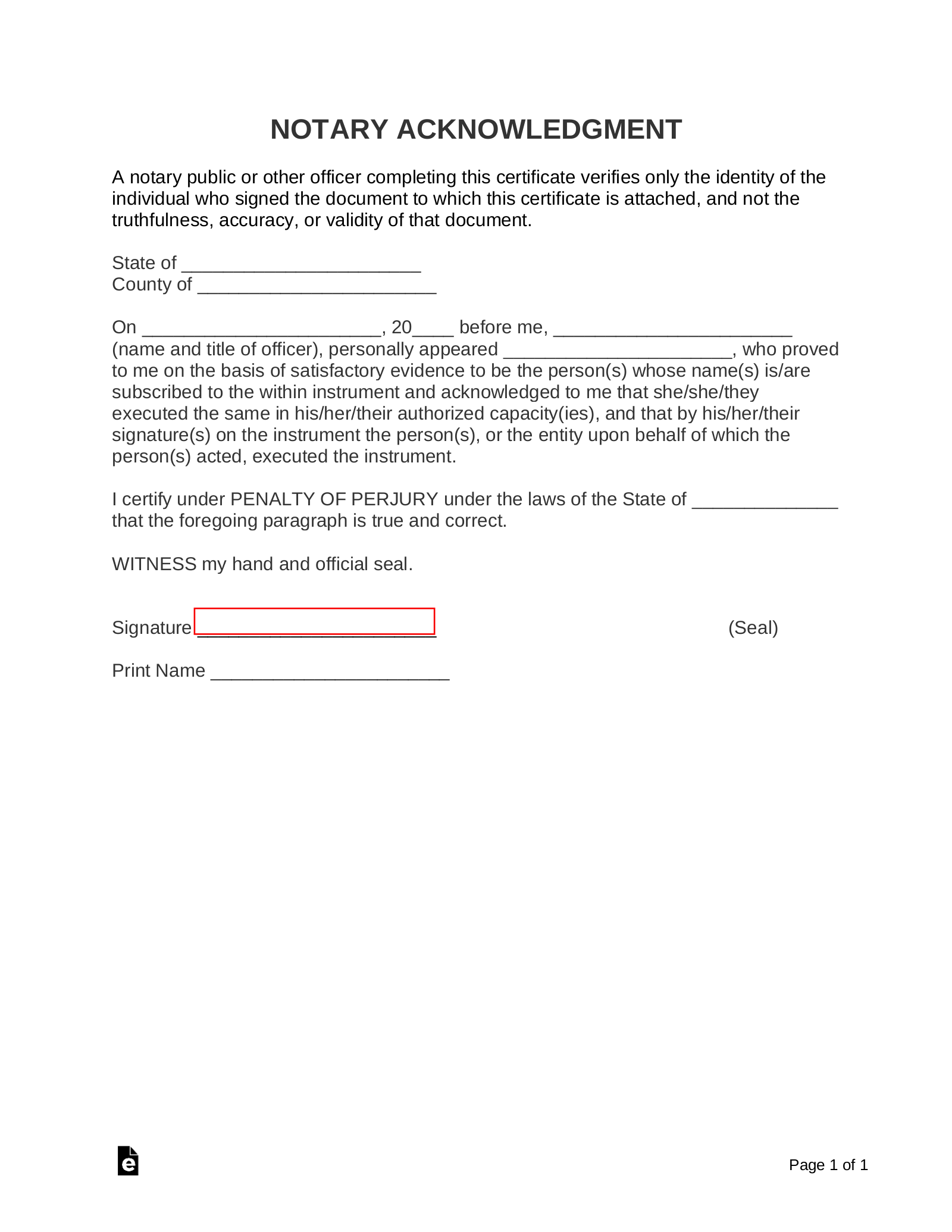
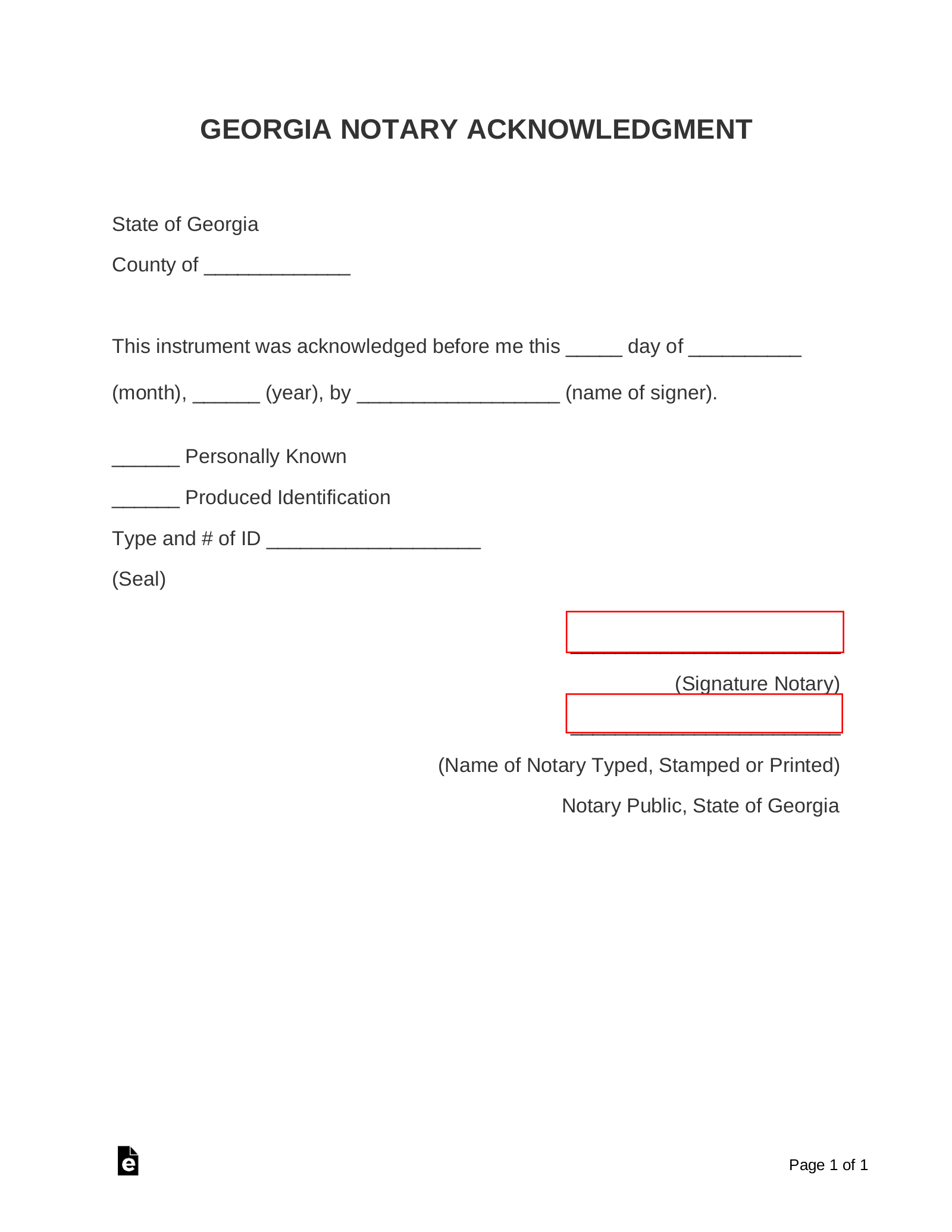
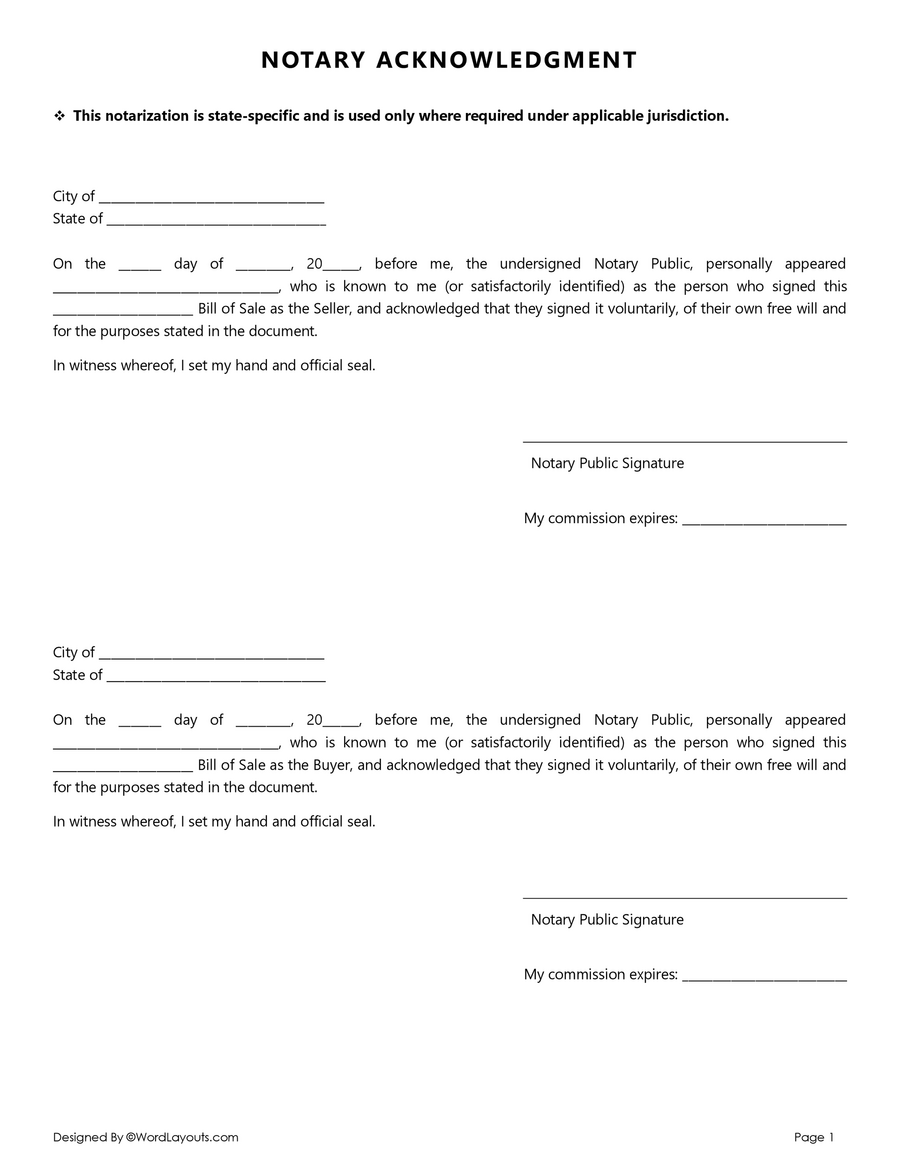
When filling out a notary acknowledgement form, there are several key pieces of information that must be included to ensure its validity. Some of the essential details to include in a notary acknowledgement form are:
- Name of the signer. This should match the name on the legal document being signed.
- Date of the signing. The date when the document was signed should be clearly stated.
- Description of the document. A brief description of the document being signed should be included for reference.
- Name of the notary public. The notary public’s name and signature are necessary for validation.
- Date of notarization. The date when the notary public acknowledges the signature should be recorded.
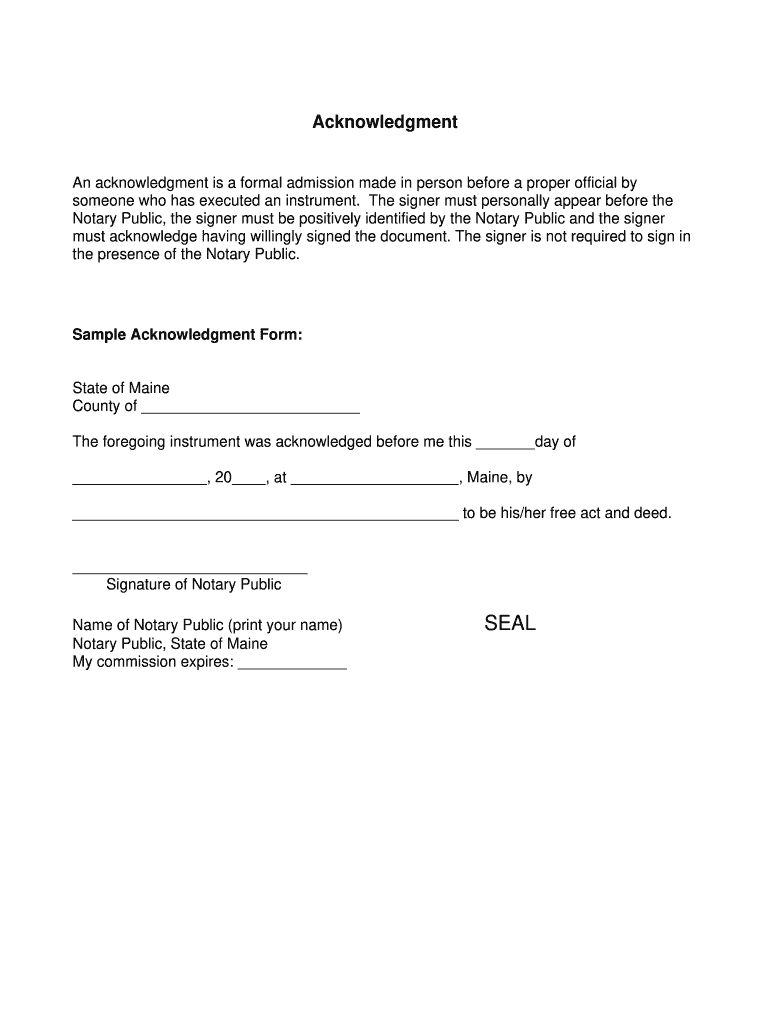
How to Properly Fill Out a Notary Acknowledgement Form
Properly filling out a notary acknowledgement form is essential to ensure its validity and effectiveness. To correctly complete a notary acknowledgement form, follow these steps:
1. Verify the Identity of the Signer
Before proceeding with the notarization, the notary public must verify the identity of the signer by checking a government-issued ID.
2. Review the Document
Ensure that the document being signed is complete and accurate before proceeding with the notarization process.
3. Sign and Seal the Form
Once the document is signed in the presence of the notary public, the notary must sign and seal the notary acknowledgement form.
4. Record Necessary Information
Record all essential information, including the names of the signer and notary, the date of signing, and a description of the document.
5. Provide Copies
After completing the notarization, provide copies of the notarized document and the notary acknowledgement form to all parties involved.
Tips for Successful Notary Acknowledgement
To ensure a smooth and successful notary acknowledgement process, consider the following tips:
- Ensure Proper Identification. Verify the identity of the signer with a valid government-issued ID.
- Double-Check Information. Review all information on the document and notary acknowledgement form for accuracy.
- Use Clear Language. Ensure that all information on the form is clearly written and easy to understand.
- Keep Records. Keep a record of all notarized documents and notary acknowledgement forms for future reference.
- Stay Up-to-Date. Stay informed about any changes to notary laws and regulations to ensure compliance.
In Conclusion
Notary acknowledgement forms are an essential part of many legal transactions, providing a layer of security and authenticity to important documents. By understanding what they are, why they are important, what to include in them, how to properly fill them out, and following some tips for successful completion, you can ensure a smooth and effective notarization process.
Notary Acknowledgement Form Template
