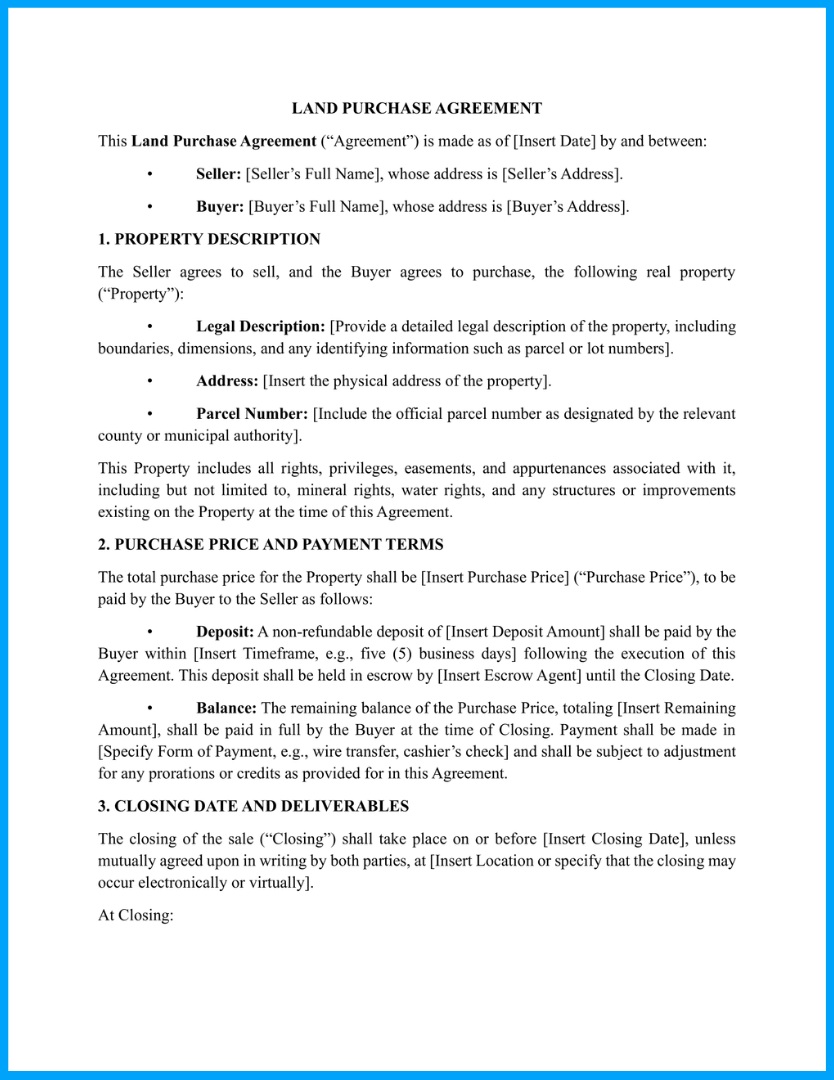
When it comes to buying land, a land purchase agreement is a crucial document that outlines the terms and conditions of the sale. Whether you are a first-time buyer or an experienced investor, understanding the ins and outs of this agreement is essential to ensure a smooth and successful transaction. In this comprehensive guide, we will delve into the what, why, what to include, how to, and tips for a successful land purchase agreement.
What is a Land Purchase Agreement?
A land purchase agreement, also known as a land contract or a purchase agreement, is a legal document that establishes the terms and conditions of a land sale between a buyer and a seller. This agreement outlines important details such as the purchase price, payment terms, closing date, contingencies, and other conditions of the sale. It serves as a roadmap for the transaction and provides legal protection for both parties involved.
Why is a Land Purchase Agreement Important?
A land purchase agreement is important for several reasons. Firstly, it helps clarify the expectations and responsibilities of both the buyer and the seller. By clearly outlining the terms of the sale, this agreement reduces the risk of misunderstandings or disputes later on. Additionally, a well-drafted land purchase agreement can provide legal protection for both parties and ensure that the transaction proceeds smoothly and according to plan.
What to Include in a Land Purchase Agreement
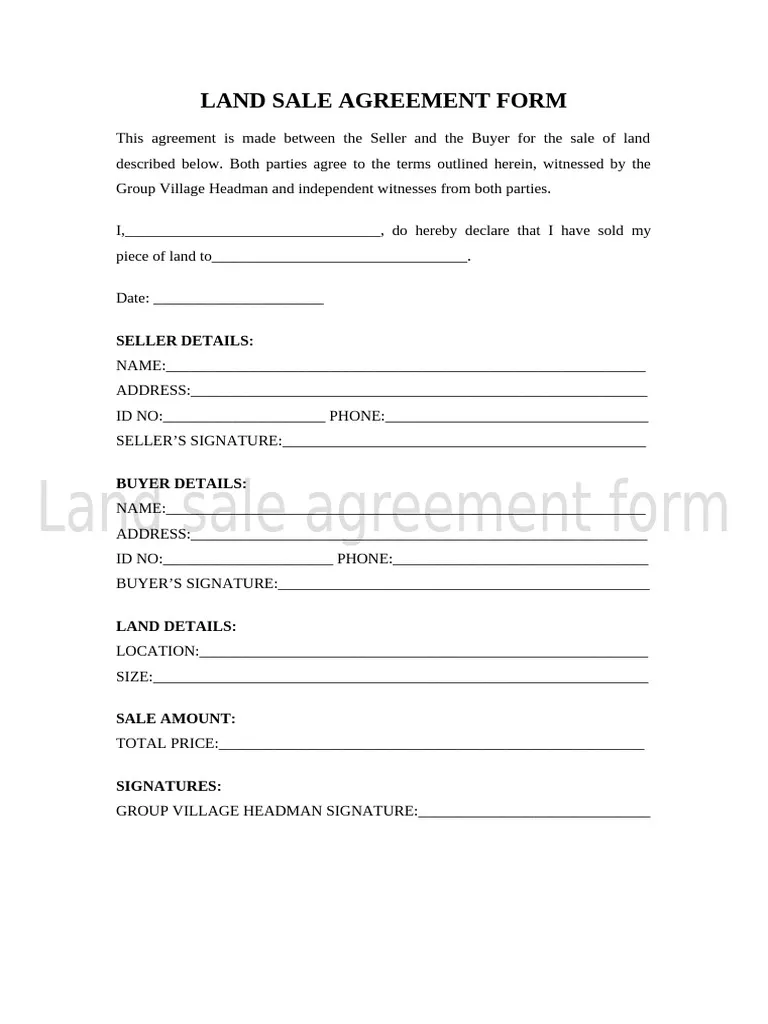
When drafting a land purchase agreement, it is important to include the following key elements:
- Property Description. Provide a detailed description of the land being sold, including boundaries, acreage, and any improvements.
- Purchase Price. Clearly state the agreed-upon purchase price for the land.
- Payment Terms. Outline the payment terms, including the down payment amount, installment amounts, and the payment schedule.
- Closing Date. Specify the date by which the sale must be completed, including any contingencies that need to be met.
- Contingencies. Include any conditions that must be met before the sale can be finalized, such as obtaining financing or completing a satisfactory inspection.
- Signatures. Ensure that the agreement is signed by both the buyer and the seller to make it legally binding.
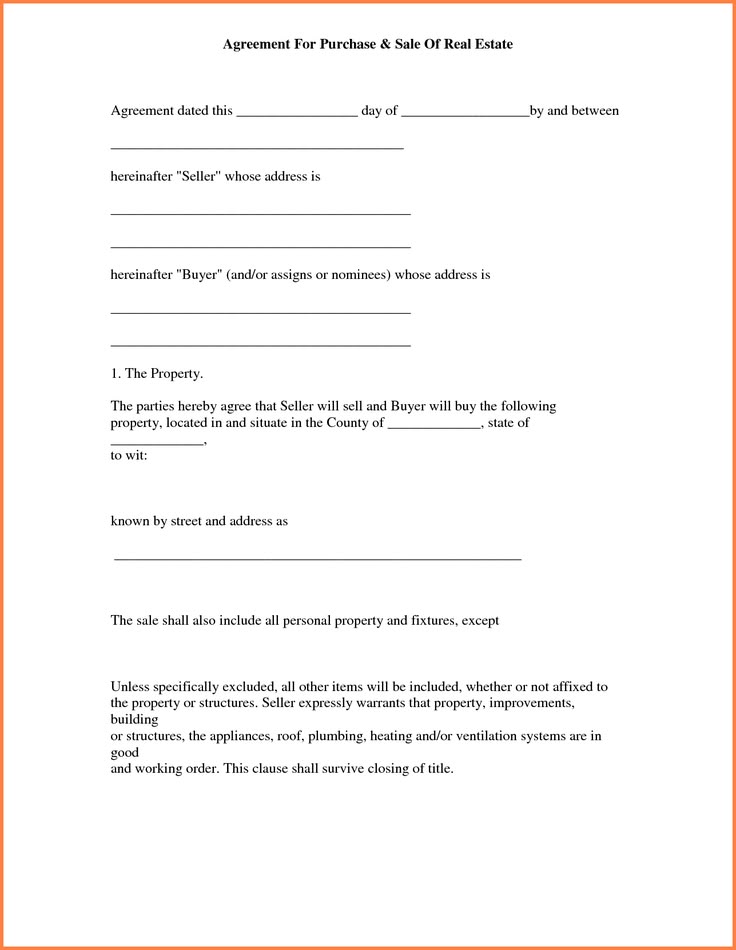
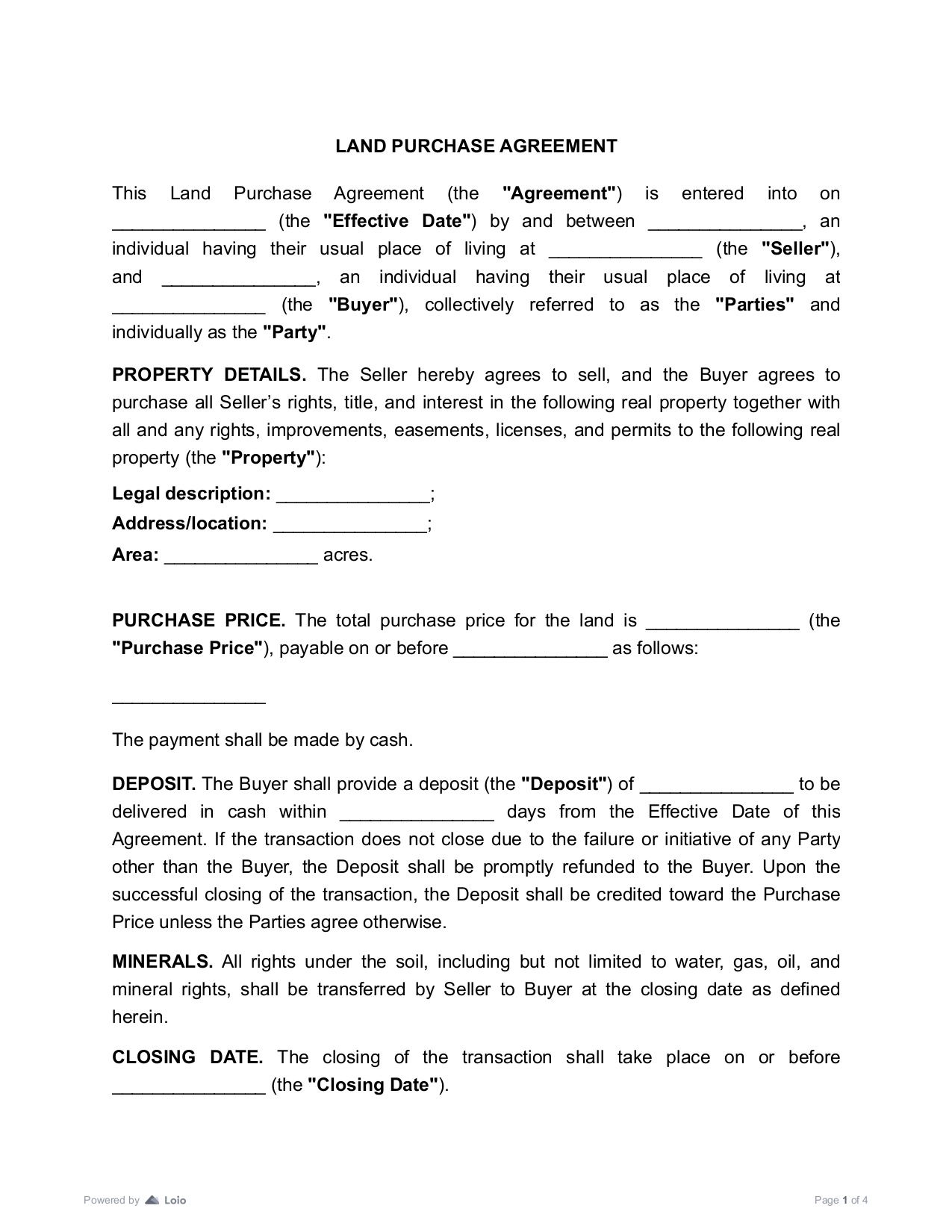
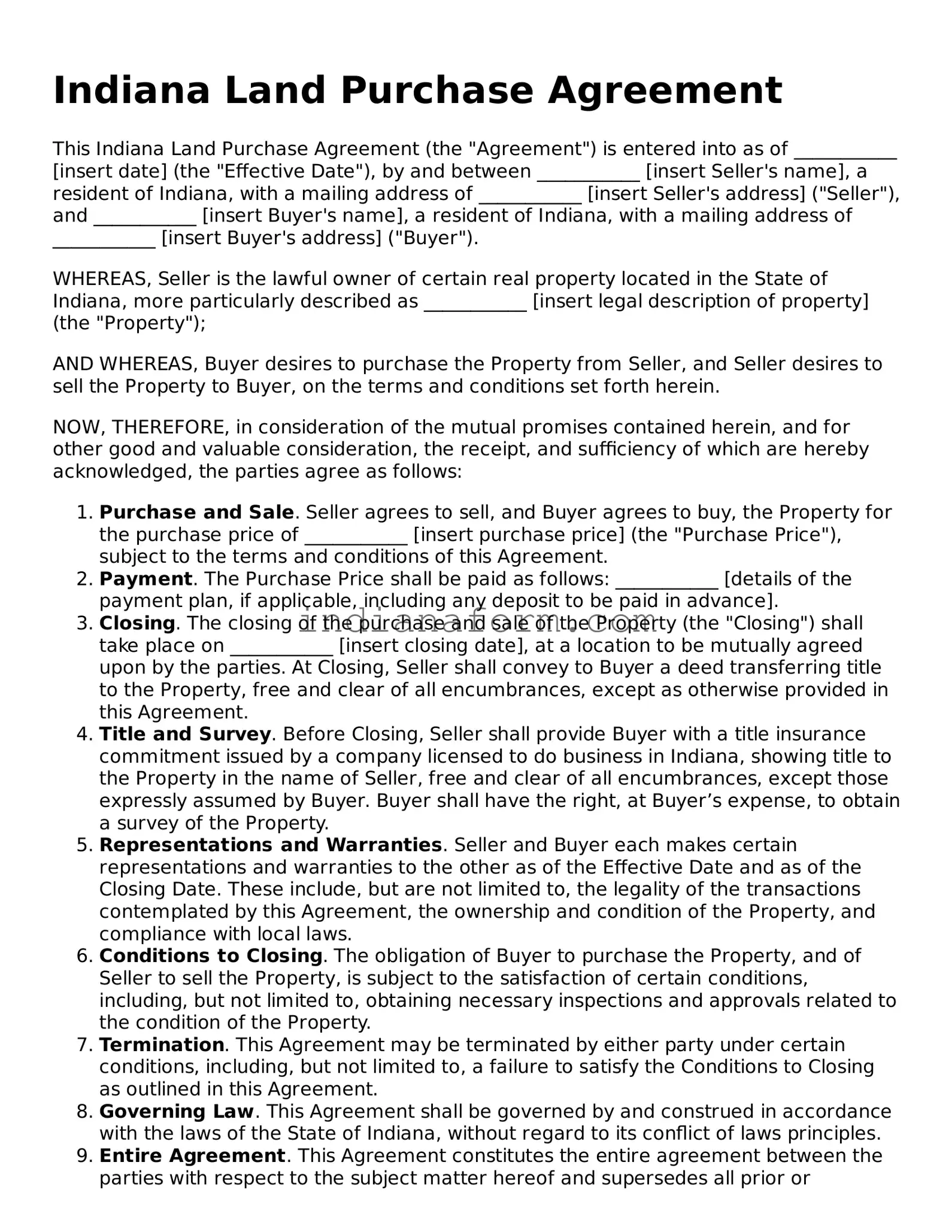
How to Draft a Land Purchase Agreement
Drafting a land purchase agreement can be a complex process, but with careful attention to detail and the help of legal professionals, you can create a solid agreement that protects your interests. Here are some steps to follow when drafting a land purchase agreement:
1. Seek Legal Advice
Before drafting a land purchase agreement, it is advisable to seek the advice of a real estate attorney to ensure that all legal requirements are met and that your interests are protected.
2. Negotiate Terms
Work with the other party to negotiate the terms of the sale, including the purchase price, payment terms, and any contingencies.
3. Include Important Details
Make sure to include all important details in the agreement, such as property descriptions, payment terms, and closing dates, to avoid any misunderstandings later on.
4. Review and Revise
Review the agreement carefully and make any necessary revisions before signing to ensure that all terms are accurate and agreeable to both parties.
5. Sign and Execute
Once both parties have agreed to the terms of the land purchase agreement, sign the document and execute it according to the legal requirements in your jurisdiction.
Tips for a Successful Land Purchase Agreement
Here are some tips to help ensure a successful land purchase agreement:
- Do Your Due Diligence. Conduct thorough research on the property and the seller before entering into an agreement.
- Get Everything in Writing. Make sure all terms and conditions of the sale are documented in the agreement to avoid misunderstandings.
- Consult a Professional. Seek the advice of a real estate attorney or a professional real estate agent to guide you through the process.
- Be Prepared for Negotiation. Be open to negotiation and willing to compromise to reach a mutually beneficial agreement.
- Stay Flexible. Be prepared for unexpected issues or delays and remain flexible throughout the transaction.
- Communicate Clearly. Maintain open and clear communication with the other party to avoid any misunderstandings or conflicts.
Land Purchase Agreement Template
