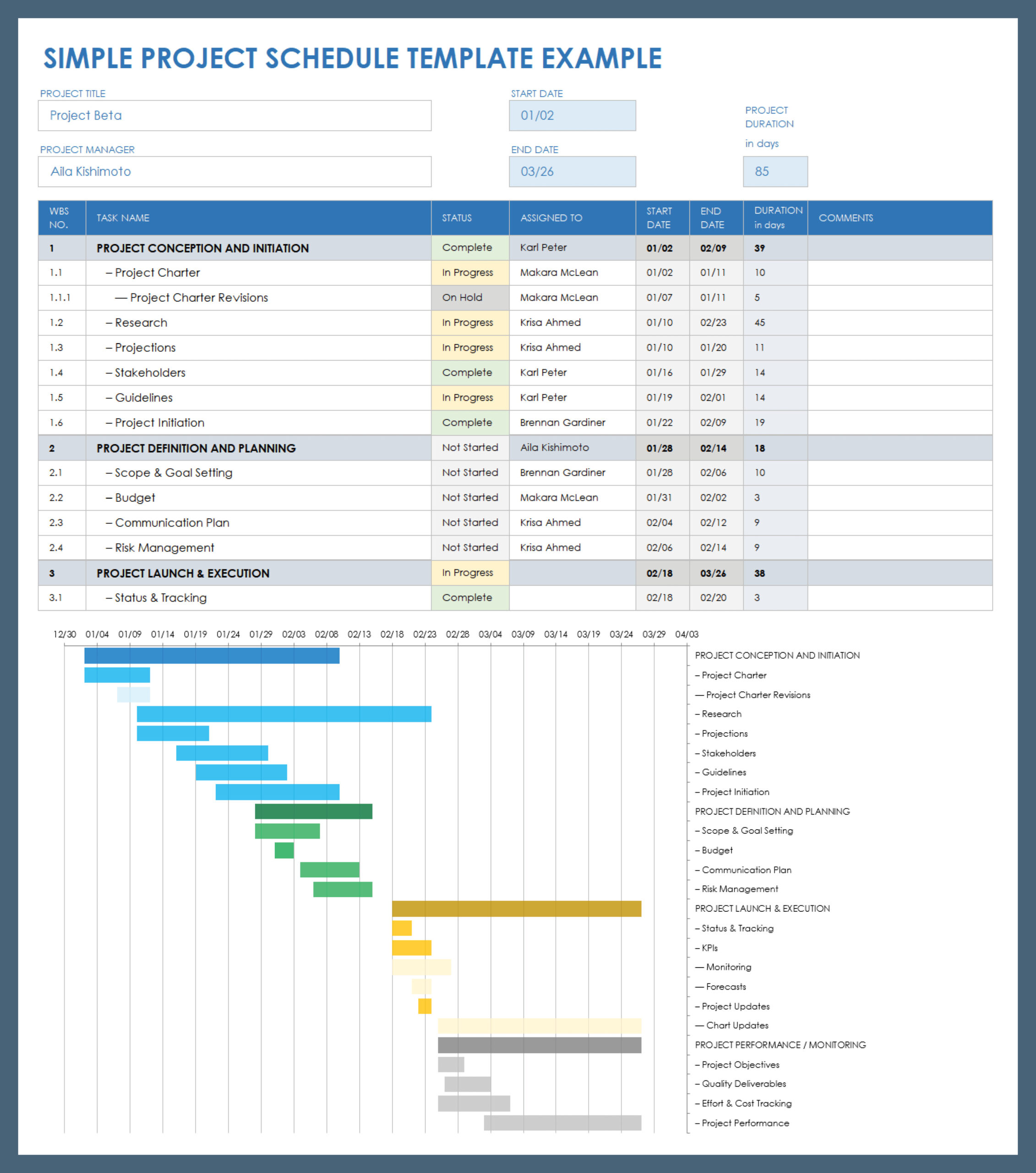
Project schedule management is a crucial aspect of project management that involves creating, maintaining, and communicating a project schedule. It ensures that all tasks are completed on time and within budget. In this guide, we will explore the what, why, key elements, how to, and tips for successful project schedule management.
What is Project Schedule Management?
Project schedule management is the process of developing, maintaining, and communicating a schedule that outlines the sequence of activities, resources, and timeframes required to complete a project. It involves identifying tasks, estimating durations, establishing dependencies, and creating a timeline for project completion.
Why is Project Schedule Management Important?
Effective project schedule management is essential for the successful execution of a project. It helps ensure that tasks are completed on time, resources are utilized efficiently, and project objectives are achieved within the specified timeframe. Without proper schedule management, projects can face delays, cost overruns, and scope creep.
Key Elements of Project Schedule Management
There are several key elements involved in project schedule management, including:
- Task Identification: Identifying all the tasks required to complete the project.
- Task Sequencing: Determining the order in which tasks need to be performed.
- Resource Allocation: Assigning resources to tasks based on availability and skill set.
- Duration Estimation: Estimating the time required to complete each task.
- Dependencies: Establishing relationships between tasks that determine their sequence.
- Milestones: Setting key milestones to track progress and measure success.
- Contingency Planning: Planning for unexpected delays or changes in the project schedule.
Examples
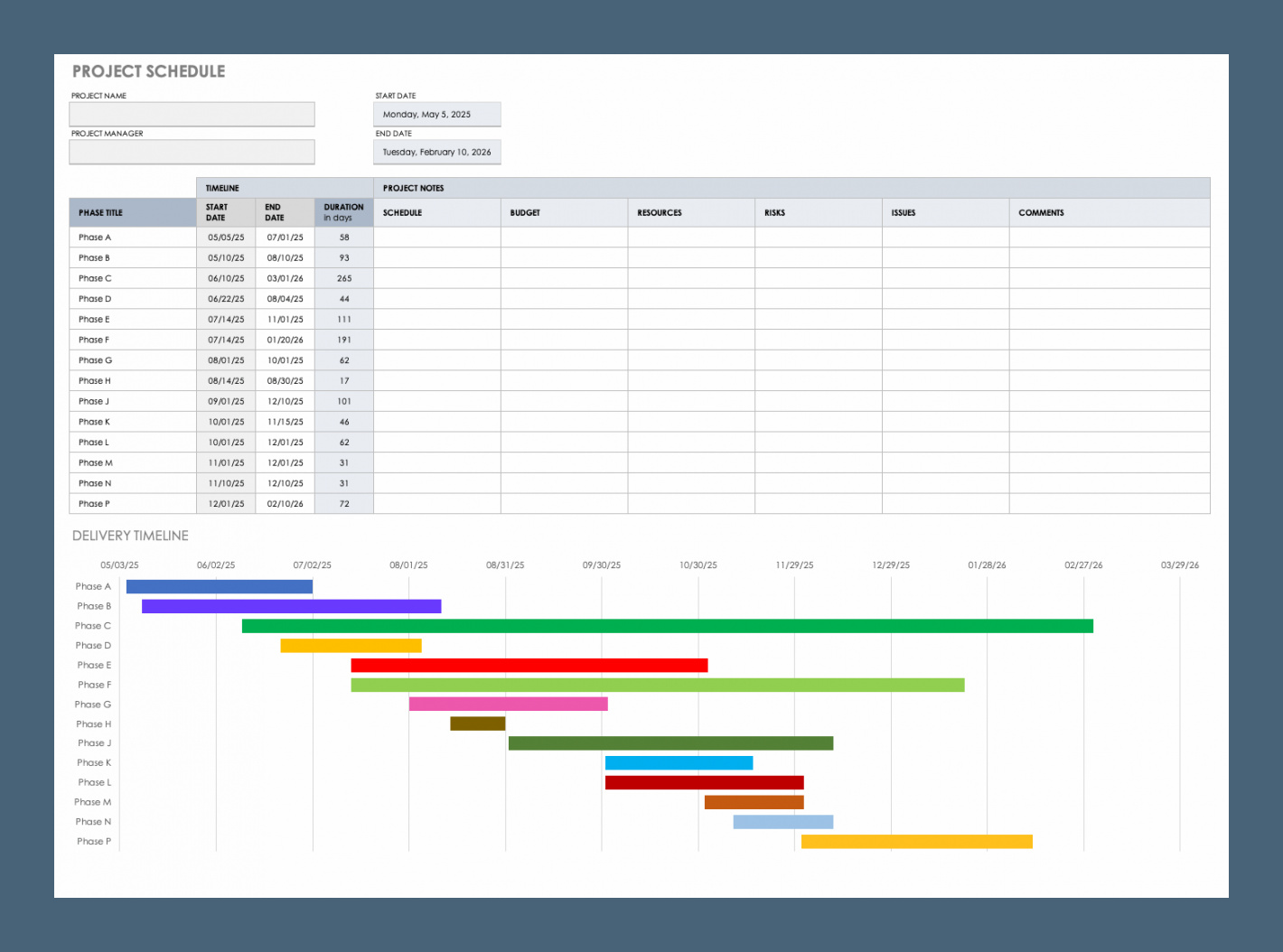
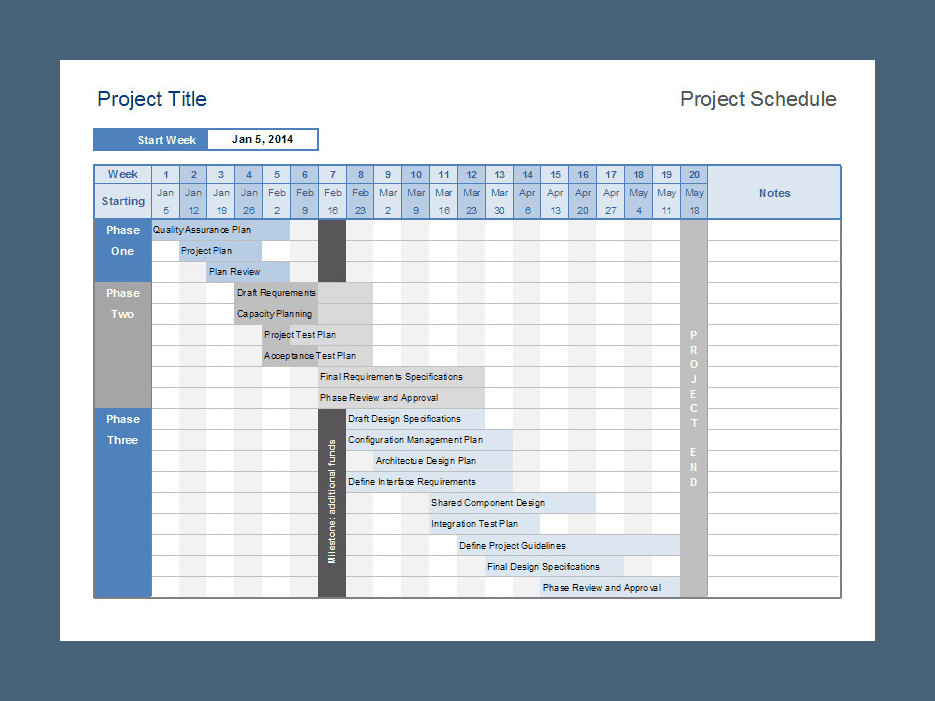
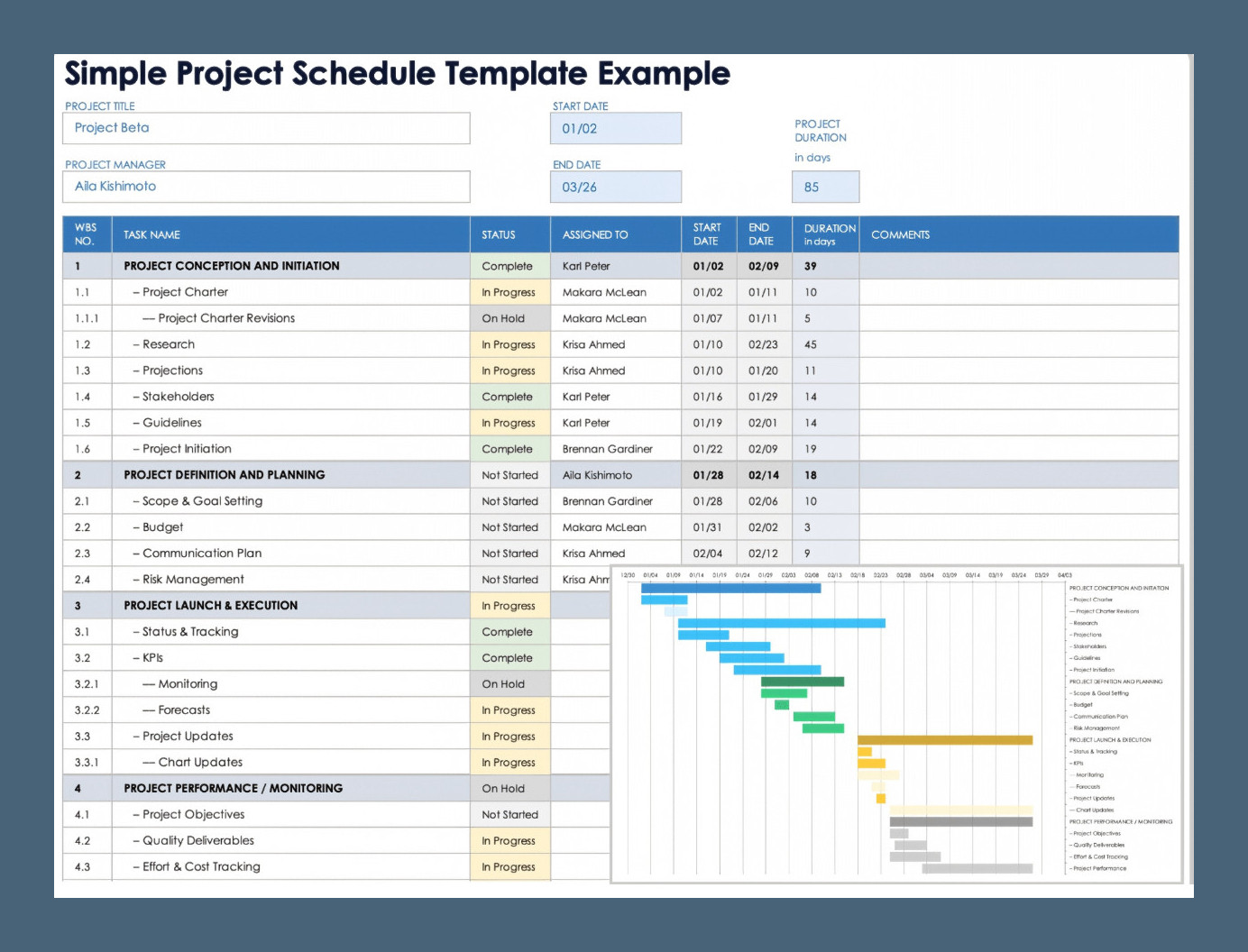
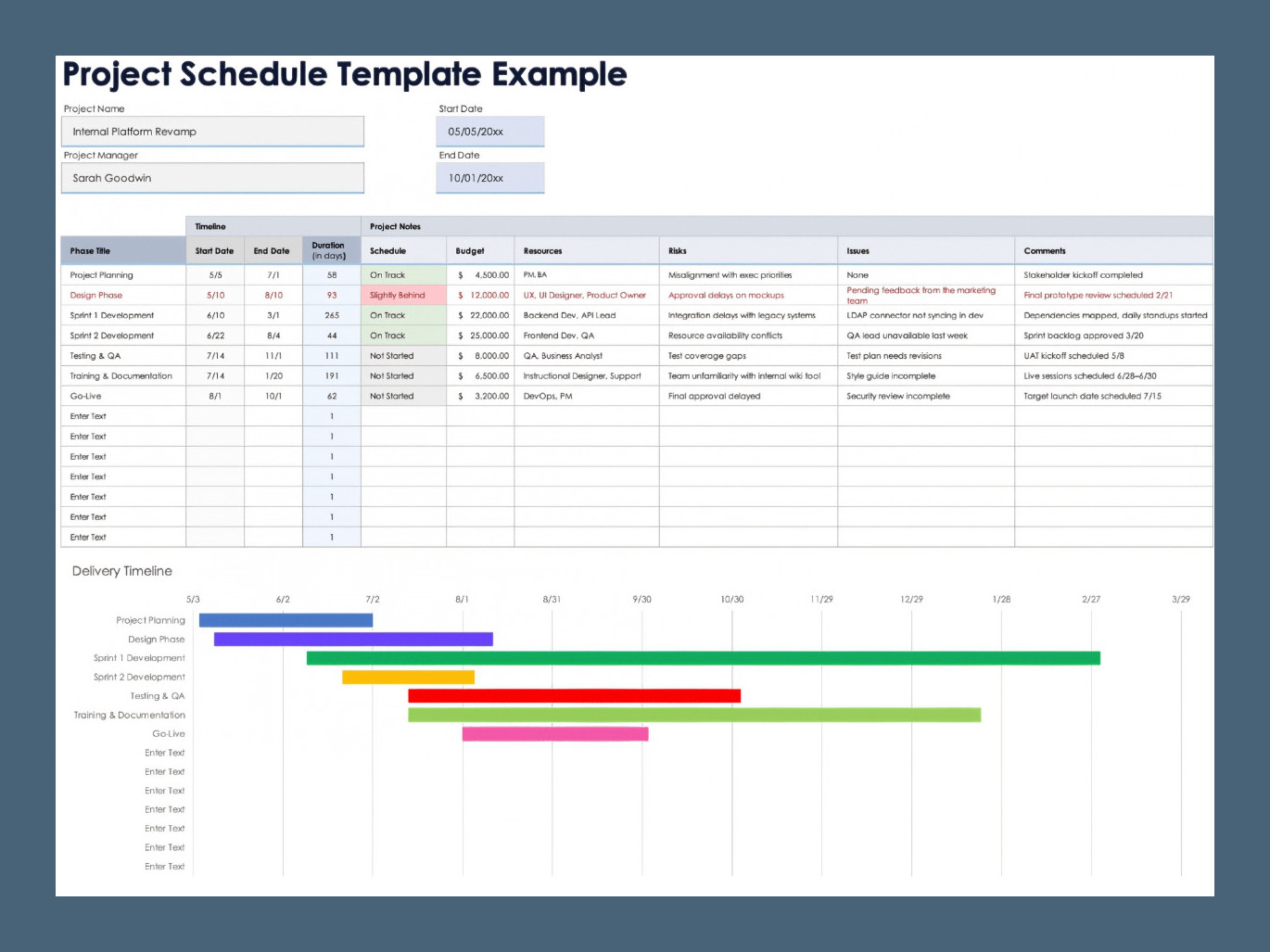
How to Create a Project Schedule
Creating a project schedule involves the following steps:
1. Task Identification
Start by identifying all the tasks required to complete the project. Break down the project into smaller, manageable tasks that can be easily tracked and monitored.
2. Task Sequencing
Determine the order in which tasks need to be performed. Identify dependencies between tasks to ensure that they are completed in the right sequence.
3. Resource Allocation
Assign resources to tasks based on availability and skillset. Make sure that resources are allocated efficiently to avoid bottlenecks and delays.
4. Duration Estimation
Estimate the time required to complete each task. Consider factors such as resource availability, task complexity, and dependencies when estimating durations.
5. Dependencies
Establish relationships between tasks that determine their sequence. Identify predecessor and successor tasks to ensure that tasks are completed in the correct order.
6. Milestones
Set key milestones to track progress and measure success. Milestones help in monitoring project progress and ensuring that the project stays on track.
7. Contingency Planning
Plan for unexpected delays or changes in the project schedule. Include buffer time in the schedule to account for uncertainties and risks that may impact project timelines.
Tips for Successful Project Schedule Management
Here are some tips for successful project schedule management:
- Regularly update the schedule: Keep the schedule up to date with the latest information and changes to ensure accuracy.
- Communicate effectively: Keep all stakeholders informed about the project schedule and any changes that may impact timelines.
- Monitor progress: Track progress against the schedule to identify any deviations and take corrective actions as needed.
- Allocate resources wisely: Ensure that resources are allocated efficiently to avoid overloading or underutilization.
- Plan for contingencies: Anticipate potential risks and have contingency plans in place to address unexpected delays or changes.
- Use project management tools: Utilize project management software to create and track project schedules effectively.
- Celebrate milestones: Recognize and celebrate key milestones to boost team morale and motivation.
