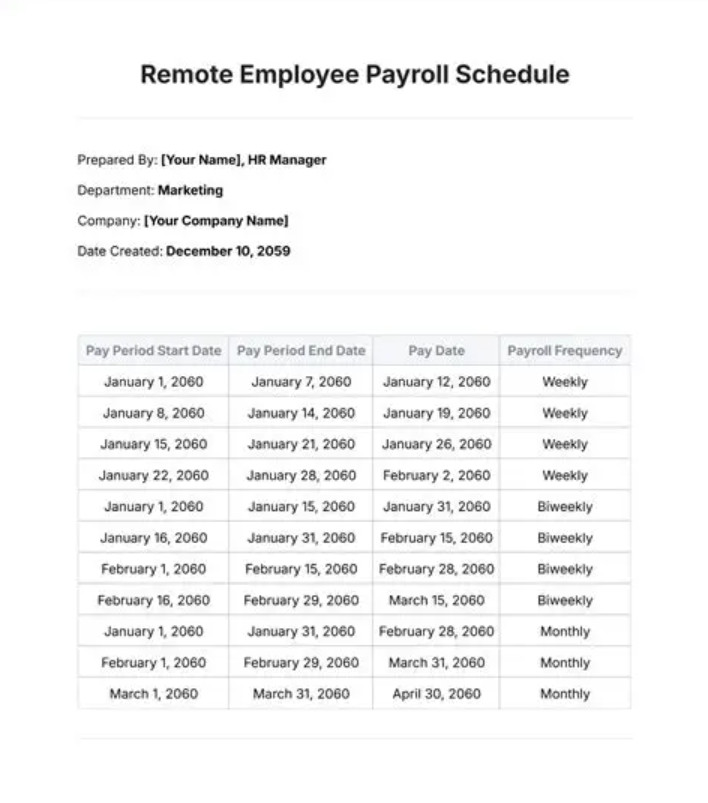
Managing a payroll schedule is a crucial aspect of any business, big or small. It involves determining when and how often employees will be paid, which is essential for maintaining employee satisfaction and ensuring financial stability for the company. In this comprehensive guide, we will explore the key elements of a payroll schedule, why it is important, and provide tips for successfully managing it.
What is a Payroll Schedule?
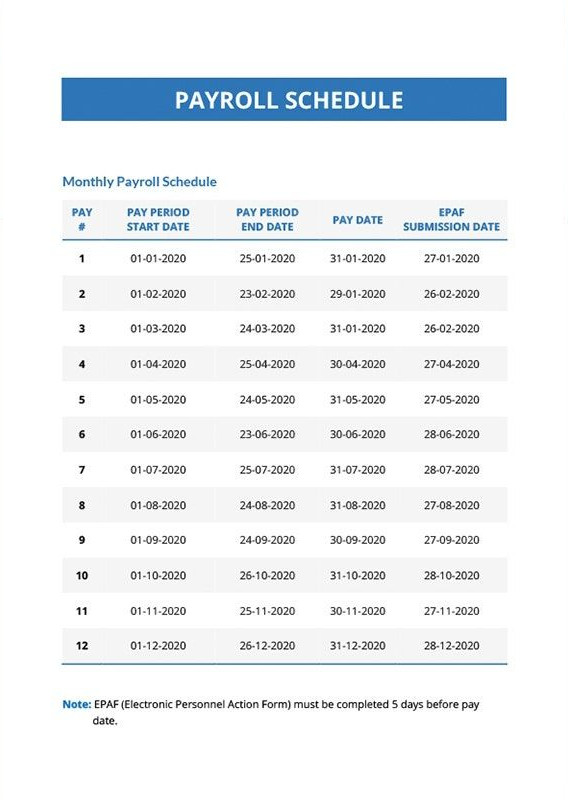
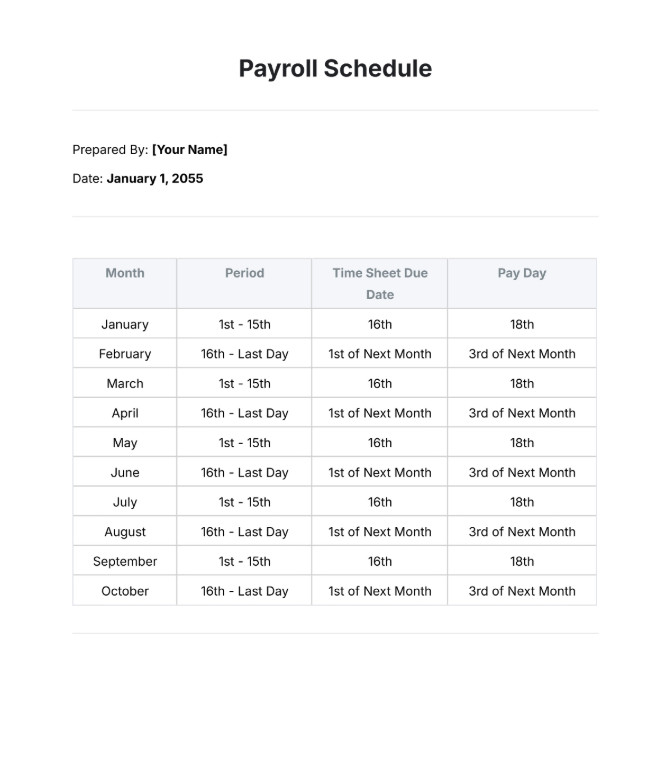
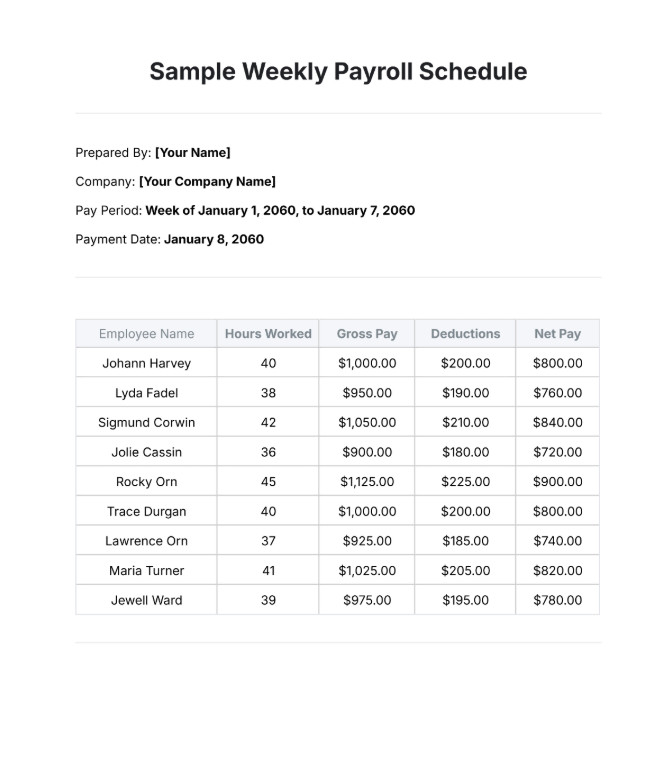
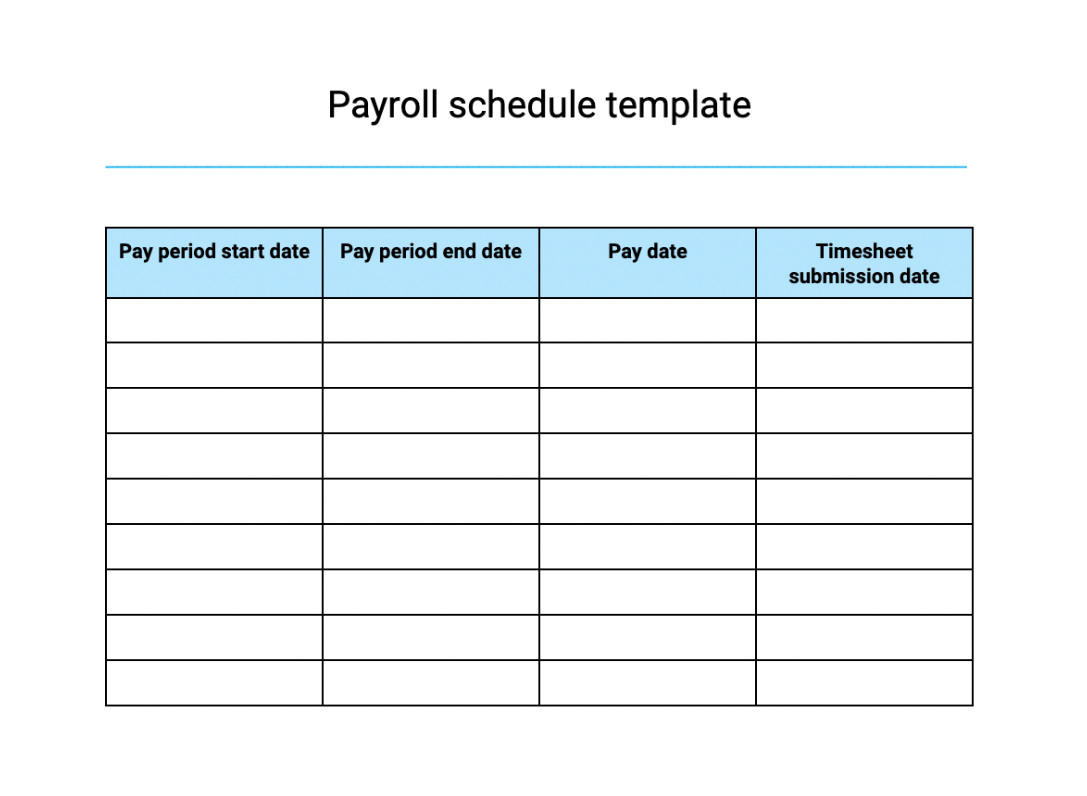
A payroll schedule is a set timeline that outlines when employees will receive their paychecks. It includes the dates for pay periods, the deadline for submitting timesheets, and the actual payday. The schedule may vary depending on the company’s policies, but it is typically weekly, bi-weekly, semi-monthly, or monthly.
Why is a Payroll Schedule Important?
Having a well-defined payroll schedule is essential for several reasons. Firstly, it ensures that employees know when to expect their pay, which can help improve morale and job satisfaction. Additionally, a consistent payroll schedule helps the company maintain financial stability by budgeting for payroll expenses accurately.
Key Elements of a Payroll Schedule
When creating a payroll schedule, there are several key elements to consider:
- Pay Period: This is the timeframe for which employees’ work hours are tracked and recorded.
- Timesheet Deadline: The date by which employees must submit their timesheets for the pay period.
- Payday: The date when employees will receive their paychecks.
- Payment Method: How employees will receive their pay, whether through direct deposit, check, or other means.
- Taxes and Deductions: Ensuring that all applicable taxes and deductions are accounted for in each paycheck.
Examples
How to Create a Payroll Schedule
Creating a payroll schedule involves careful planning and coordination. Follow these steps to establish an effective payroll schedule for your business:
1. Determine Pay Periods
Decide on the frequency of pay periods, whether weekly, bi-weekly, semi-monthly, or monthly, based on your company’s needs and budget.
2. Set Timesheet Deadlines
Establish clear deadlines for employees to submit their timesheets to ensure accurate and timely processing of payroll.
3. Choose a Payday
Select a payday that aligns with your company’s financial schedule and ensures that employees are paid on time.
4. Implement Payment Methods
Determine how employees will receive their pay, whether through direct deposit, physical checks, or other payment methods.
5. Calculate Taxes and Deductions
Ensure that all taxes and deductions are accurately calculated and deducted from employees’ paychecks.
6. Communicate with Employees
Clearly communicate the payroll schedule, pay periods, and payment methods to all employees to avoid confusion or misunderstandings.
7. Review and Adjust
Regularly review and adjust the payroll schedule as needed to accommodate changes in the business or employee needs.
Tips for Successful Payroll Schedule Management
Managing a payroll schedule effectively requires attention to detail and consistency. Here are some tips to help you maintain a successful payroll schedule:
- Automate Processes: Use payroll software to automate calculations and streamline the payroll process.
- Stay Compliant: Stay up to date with labor laws and tax regulations to ensure compliance with payroll requirements.
- Double-Check Accuracy: Review payroll data carefully to avoid errors and discrepancies in employee pay.
- Train Staff: Provide training to staff responsible for payroll to ensure they understand the process and requirements.
- Seek Professional Help: Consider outsourcing payroll to a professional service provider to alleviate the burden of payroll management.
- Solicit Feedback: Gather feedback from employees on the payroll process to identify any areas for improvement.
- Plan Ahead: Anticipate any potential issues or challenges in payroll processing and have contingency plans in place.
By following these guidelines and implementing best practices, you can effectively manage your payroll schedule and ensure timely and accurate pay for your employees.
