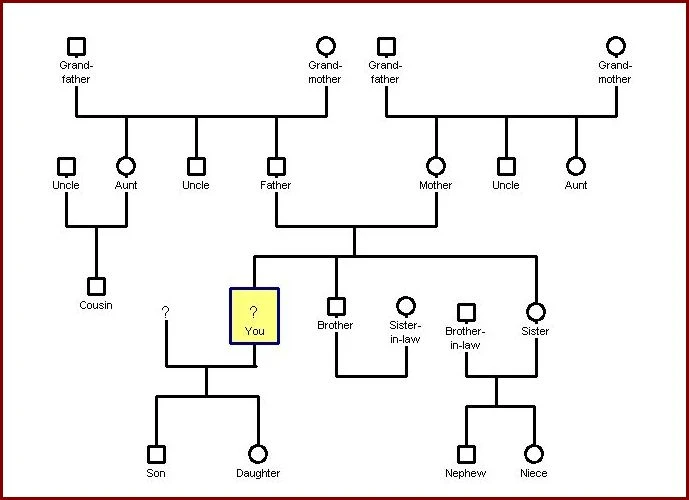
Genograms are a powerful tool for understanding your family history and relationships. By visually mapping out your family tree and relationships, you can gain valuable insights into patterns, behaviors, and health conditions that may run in your family.
In this comprehensive guide, we will explore the What, Why, What to Include, How to, and Tips for creating and using genograms to delve deeper into your family history.
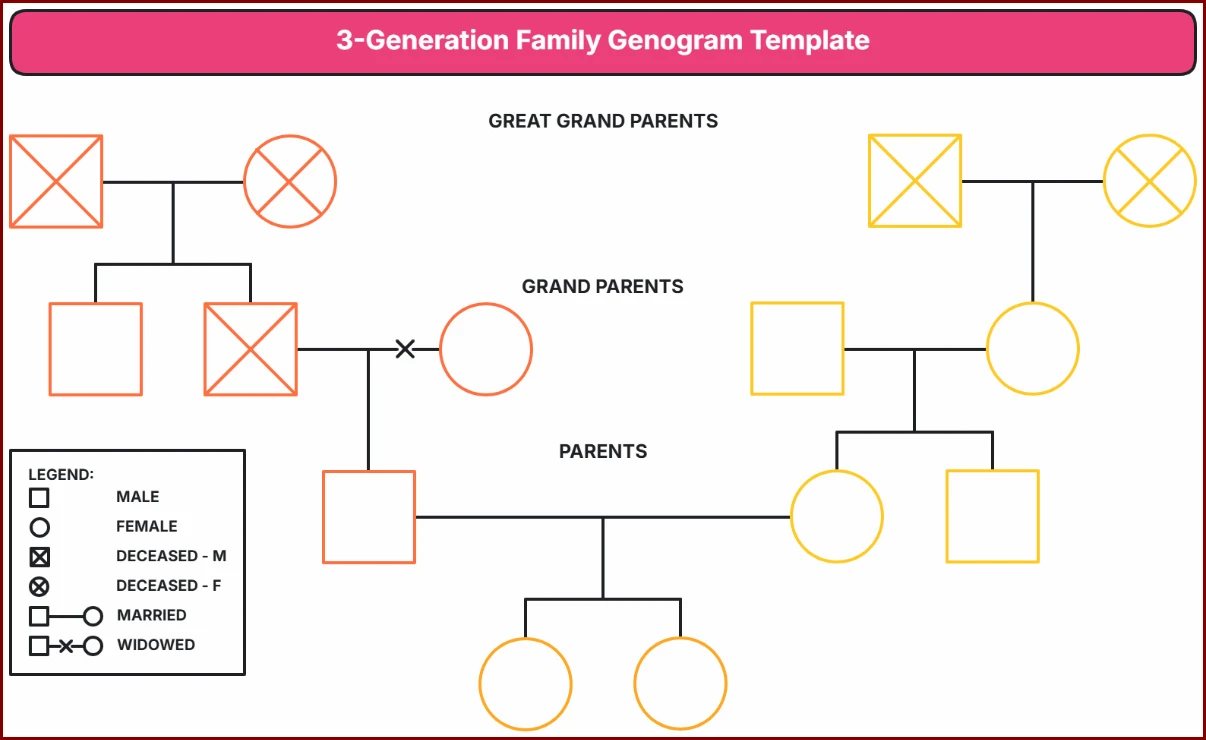
What is a Genogram?
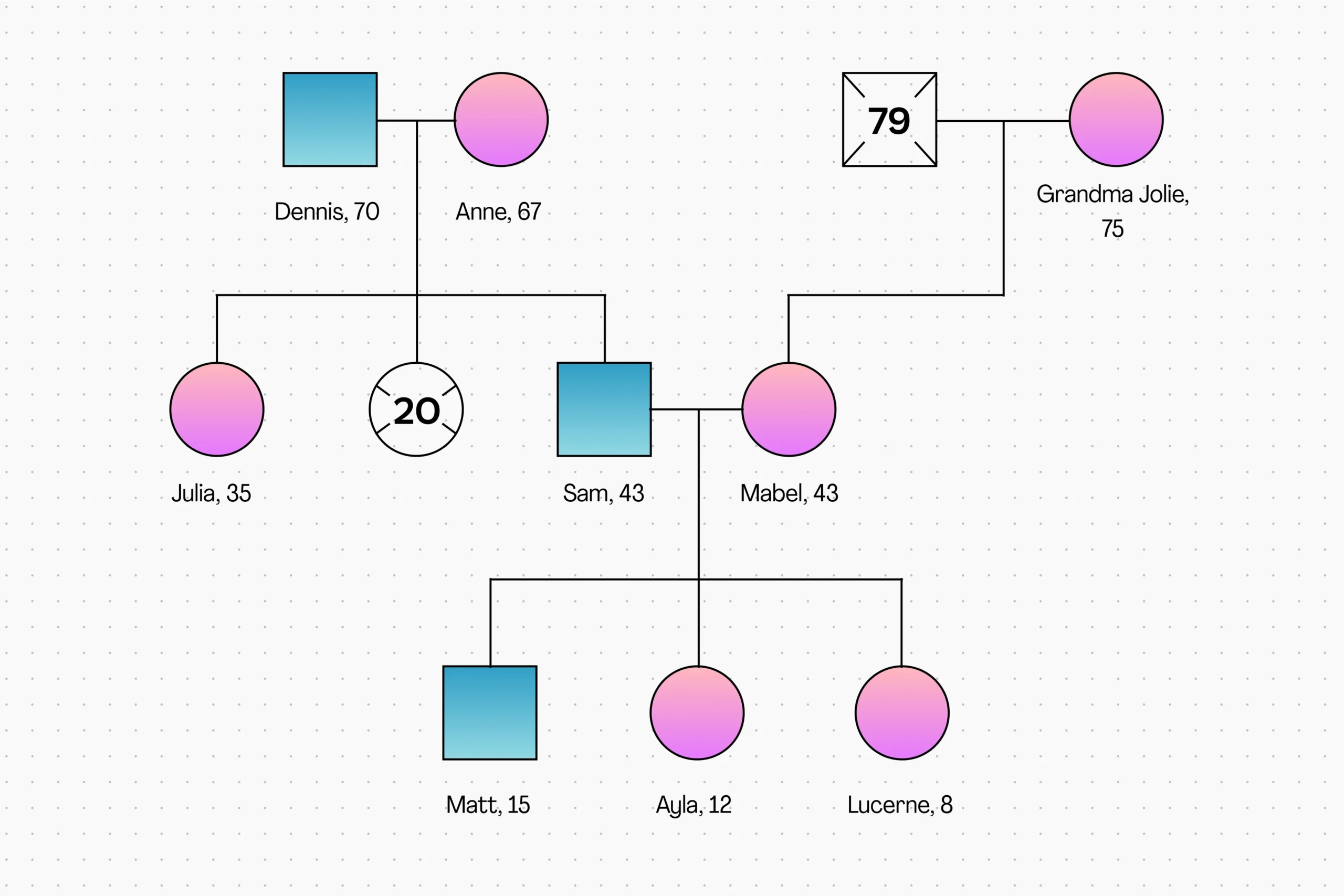
A genogram is a visual representation of a family tree that goes beyond the traditional genealogy chart. It includes detailed information about relationships, health conditions, emotional dynamics, and other pertinent family history details. Unlike a simple family tree, a genogram uses symbols and lines to illustrate complex family relationships and patterns.
Why Create a Genogram?
There are several reasons why you might want to create a genogram:
- Understanding Family Dynamics: Genograms can help you identify patterns of behavior, communication styles, and conflicts within your family.
- Health History: By including health conditions, mental health issues, and substance abuse in your genogram, you can better understand genetic predispositions and potential health risks.
- Identifying Strengths and Resilience: Genograms can also highlight positive aspects of your family, such as strong relationships, support systems, and shared values.
- Therapeutic Tool: Therapists often use genograms as a therapeutic tool to help clients explore their family history and relationships.
What to Include in a Genogram
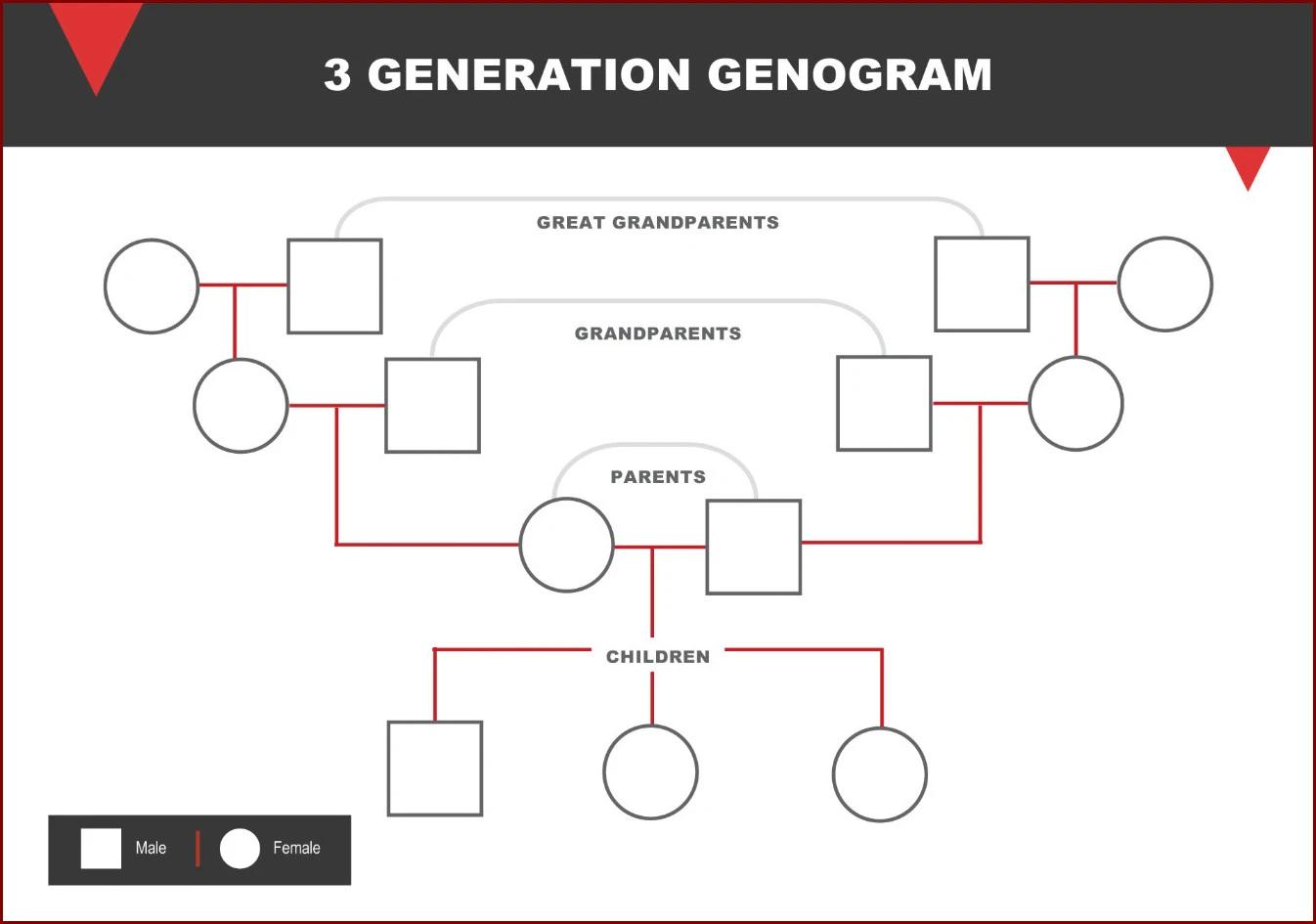
When creating a genogram, there are several key elements to include:
- Names: Include the full names of each family member
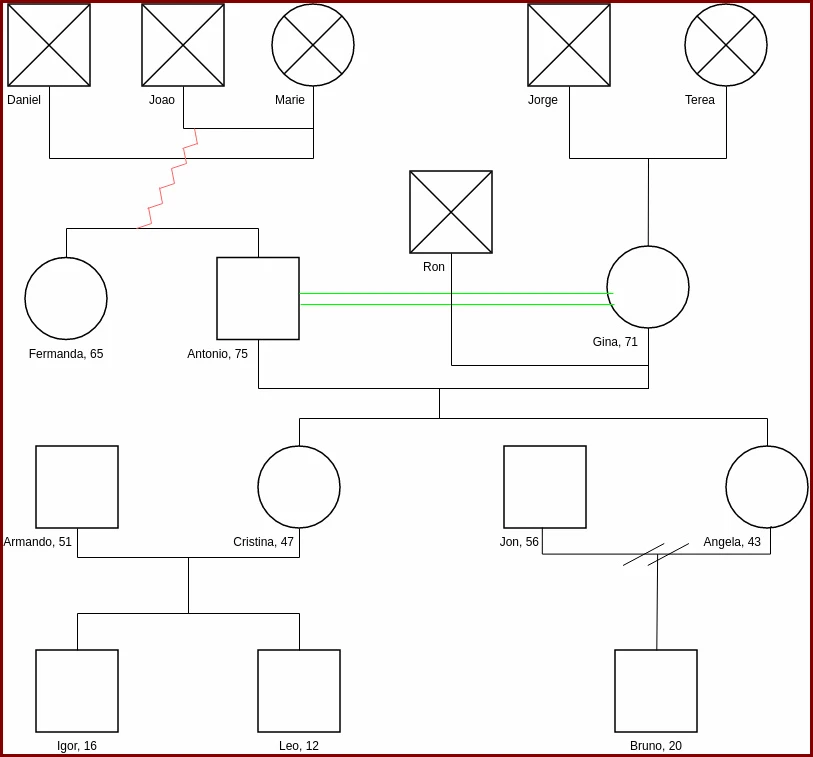
- Relationships: Use symbols and lines to denote relationships (e.g., marriage, divorce, siblings)
- Health Conditions: Include any known health conditions or illnesses for each family member
- Emotional Dynamics: Illustrate emotional connections, conflicts, and communication patterns
- Generational Patterns: Identify patterns that repeat across generations, such as addiction or mental health issues
How to Create a Genogram
Creating a genogram is a straightforward process that can be done by hand or using specialized software. Here are the basic steps to create a genogram:
- Gather Information: Collect as much information as possible about your family history, including names, dates of birth, relationships, and health conditions
- Choose Symbols: Familiarize yourself with the symbols commonly used in genograms to represent different types of relationships and connections
- Draw Your Genogram: Start by drawing a simple family tree layout and then add in the additional details using symbols and lines
- Review and Analyze: Once your genogram is complete, take time to review and analyze the patterns and relationships that emerge
Tips for Using Genograms
Here are some tips for effectively using genograms to gain insights into your family history:
- Be Honest: Include all relevant information, even if it is uncomfortable or difficult to acknowledge
- Seek Professional Help: If you are struggling to make sense of your genogram or need support processing the information, consider seeking the help of a therapist or counselor
- Update Regularly: As new information becomes available or relationships change, update your genogram to reflect the most current family dynamics
- Use Color Coding: Consider using different colors to denote different types of relationships or health conditions to visually organize the information
- Share with Family: Discuss your genogram with family members to gather additional insights and perspectives on your family history
Conclusion
Genograms are a valuable tool for exploring your family history, relationships, and health patterns. By creating a genogram, you can gain a deeper understanding of your family dynamics and identify potential areas for growth and healing. Whether you are using a genogram for personal insight or as part of therapy, the process of mapping out your family history can be a transformative and enlightening experience.
