Notarized letters are a common document used in various situations where verification and authentication of the content are required. Whether you are applying for a visa, confirming your identity, or making a legal agreement, a notarized letter can be a crucial piece of evidence.
In this comprehensive guide, we will delve into the world of notarized letters, exploring what they are, why they are important, what to include, how to get one, and tips for successful notarization.
What is a Notarized Letter?
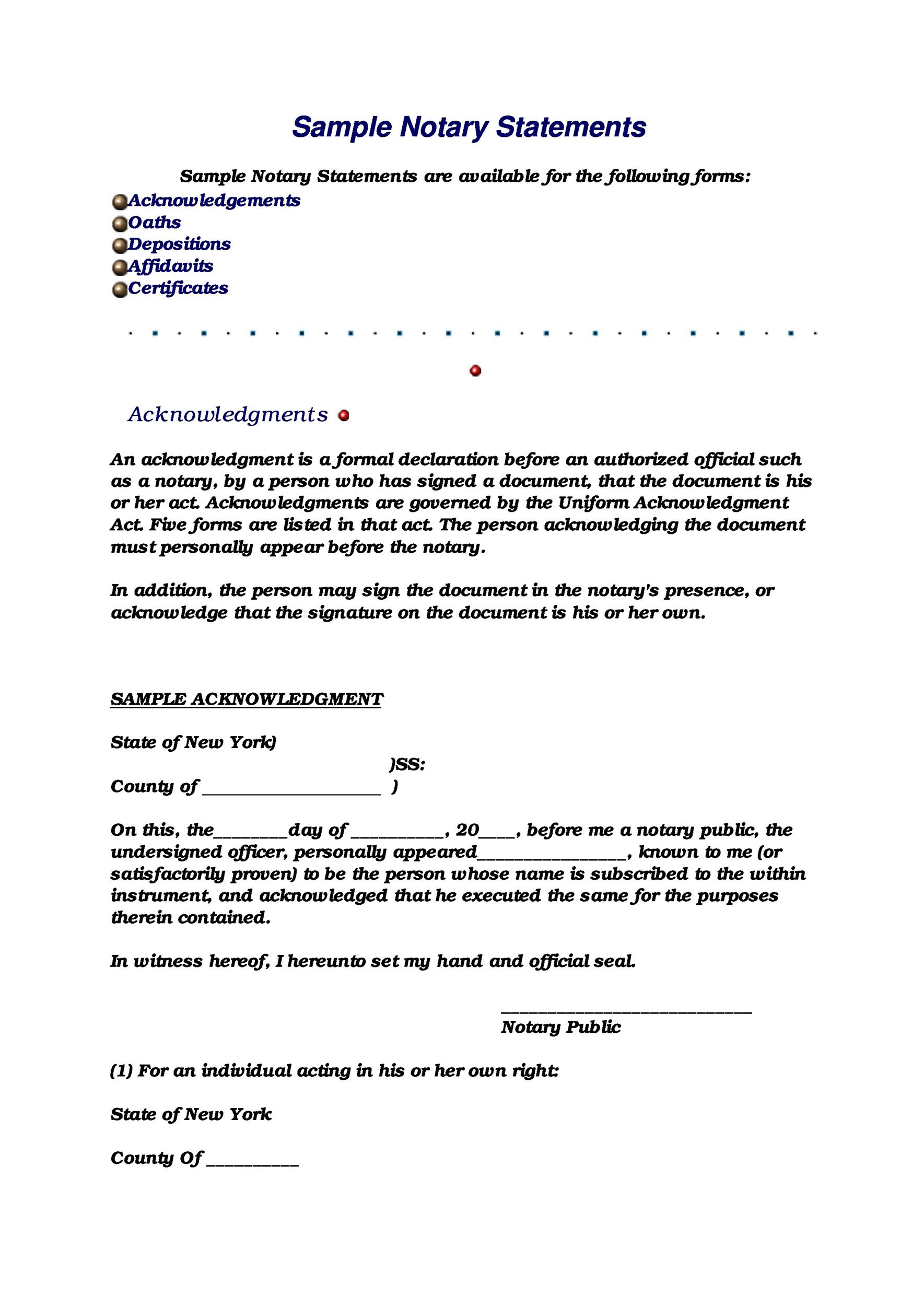
A notarized letter is a document that has been signed in the presence of a notary public, who verifies the signer’s identity and confirms that they signed the document willingly. The notary public then attaches their official seal or stamp to the document, certifying its authenticity. Notarized letters are often used in legal matters, real estate transactions, and other situations where the authenticity of the document is crucial.
Why Notarized Letters are Important
Notarized letters hold a significant amount of weight in legal and official matters due to the verification process conducted by a notary public. By having a document notarized, you are providing an extra layer of assurance to the recipient that the content of the letter is legitimate and genuine. Notarized letters can help prevent fraud, confirm identities, and add credibility to the information provided.
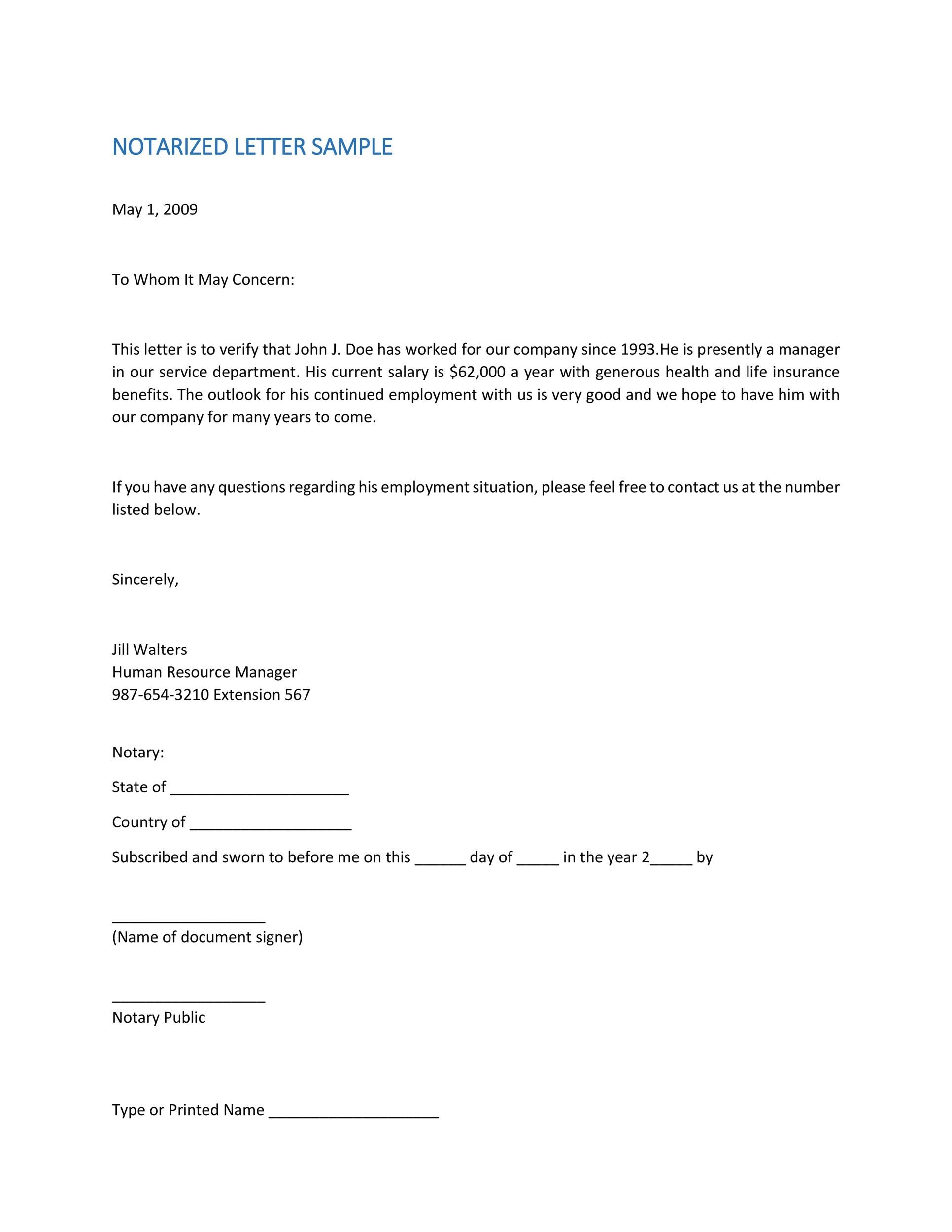
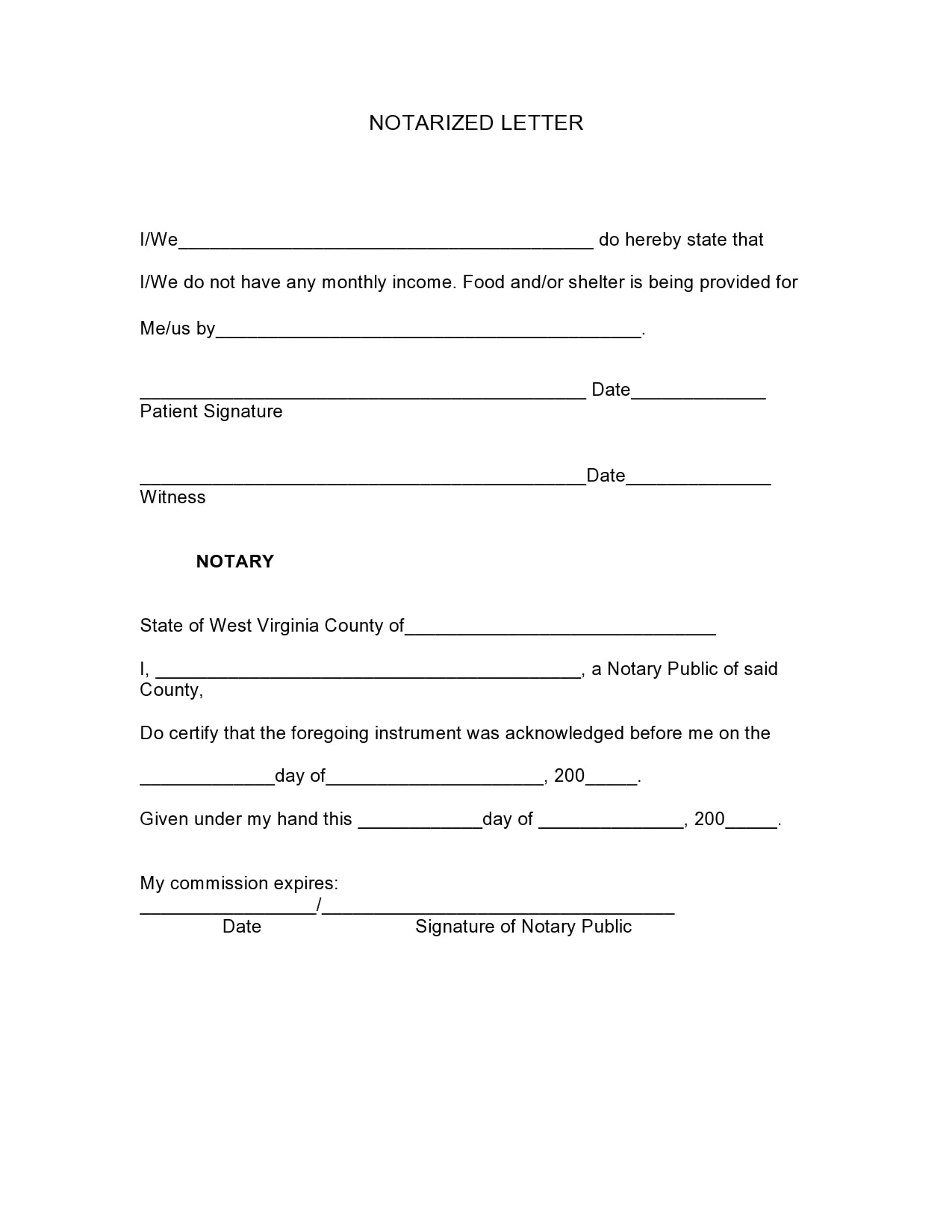
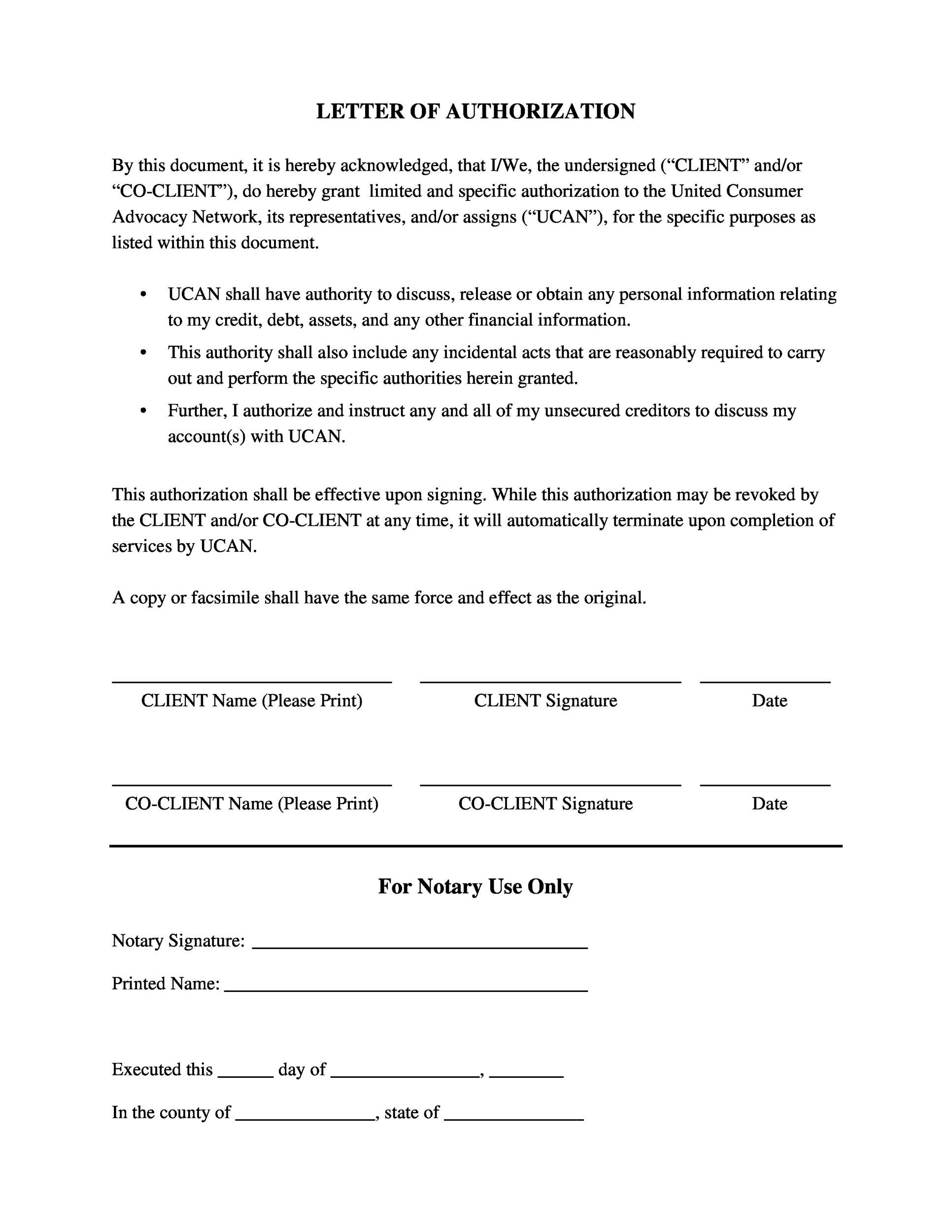
What to Include in a Notarized Letter
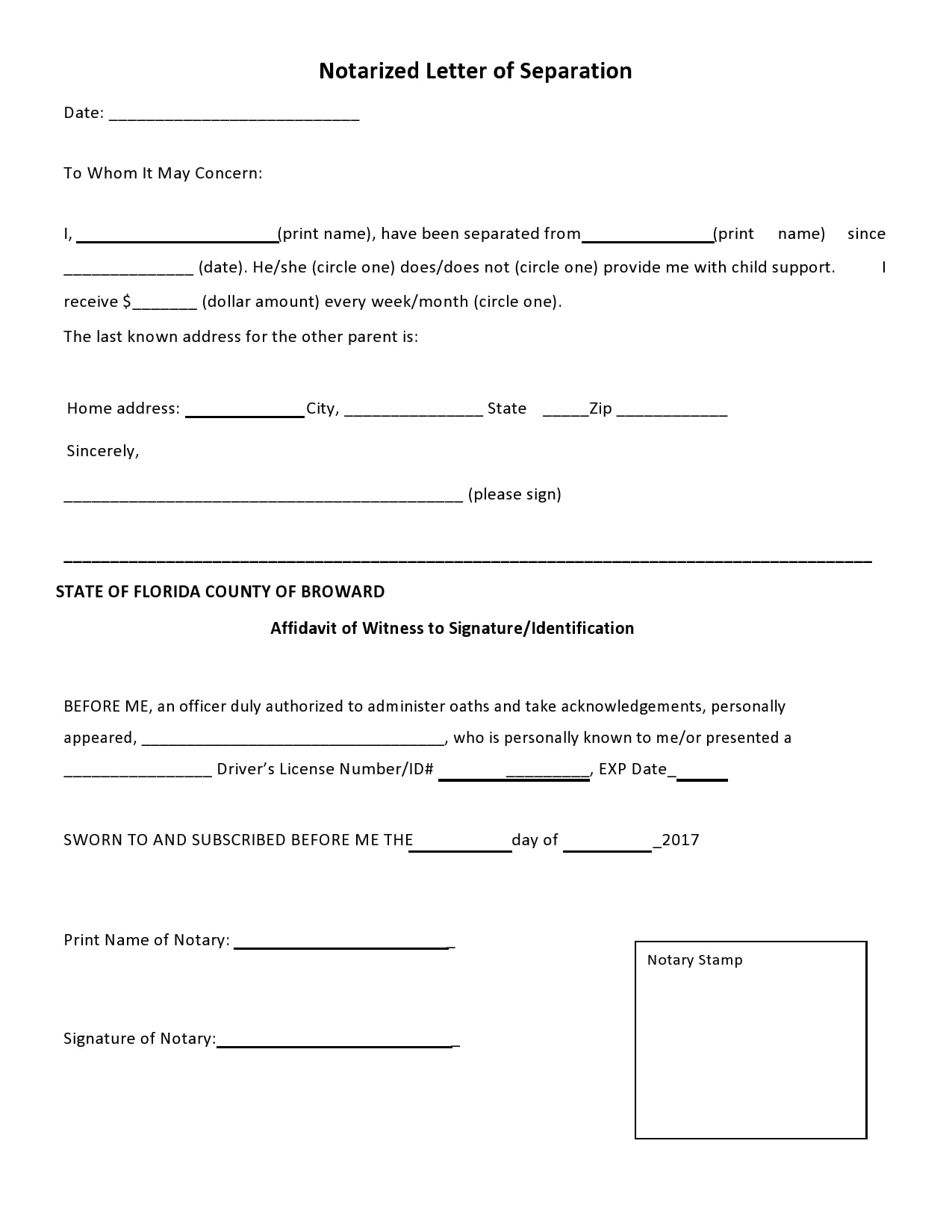
When drafting a notarized letter, it is essential to include specific details to ensure its validity and effectiveness. Here are some key elements to include in a notarized letter:
- Full Names: Include the full names of all parties involved in the letter.
- Date: Clearly state the date when the letter is being written.
- Subject: Clearly define the purpose or subject of the letter.
- Statement of Facts: Provide a detailed account of the information being conveyed in the letter.
- Signature: Sign the letter in front of the notary public for verification.
- Notary Seal: Leave space for the notary public to affix their seal or stamp.
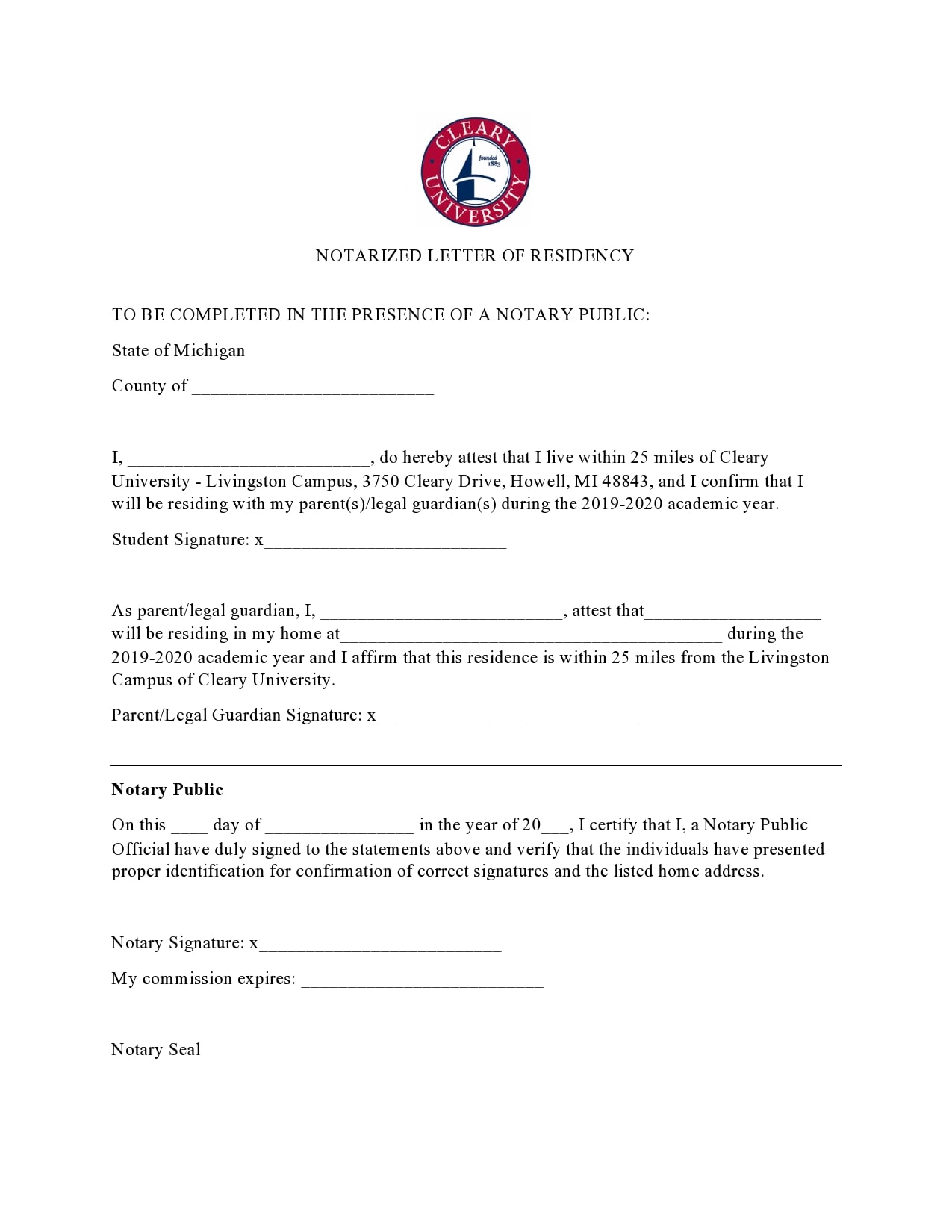
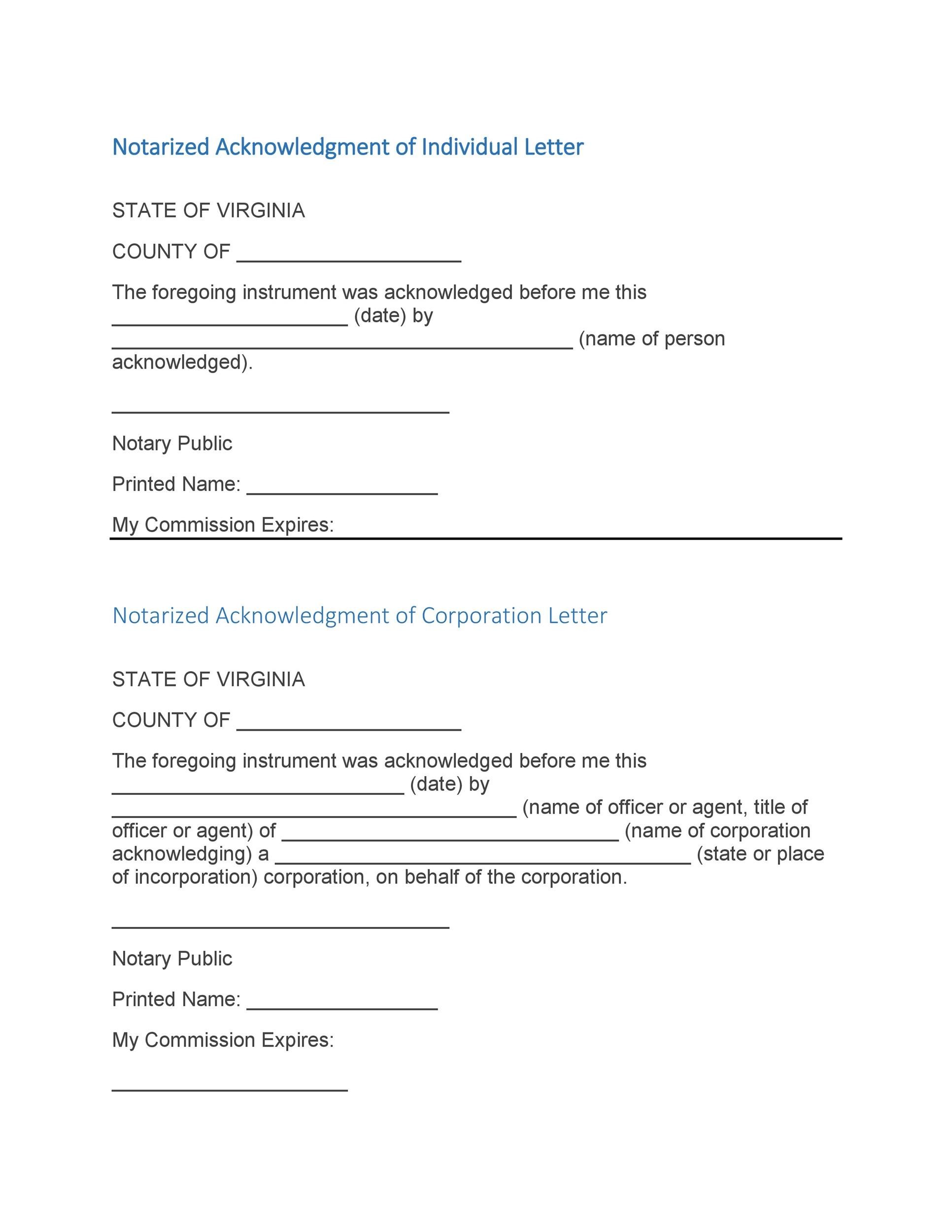
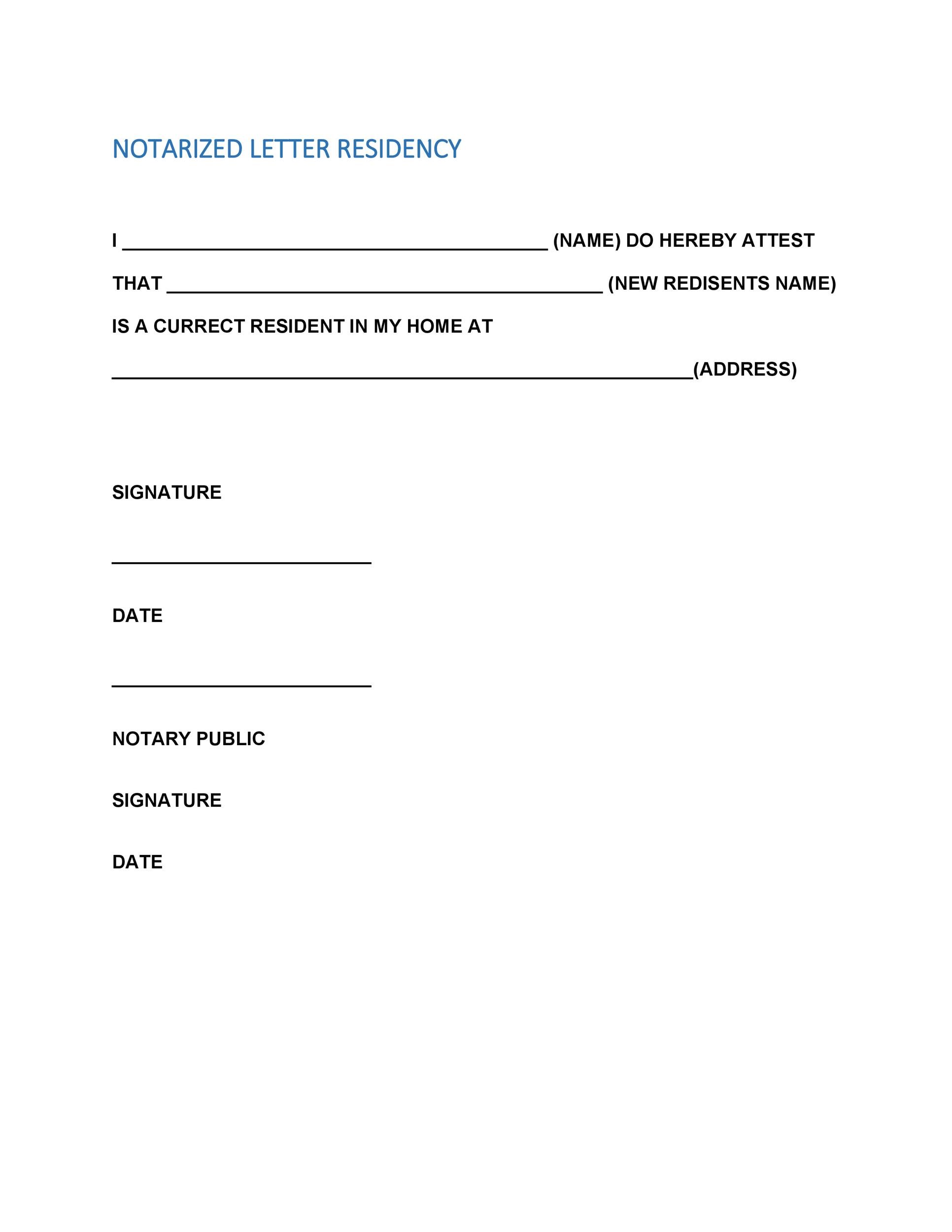
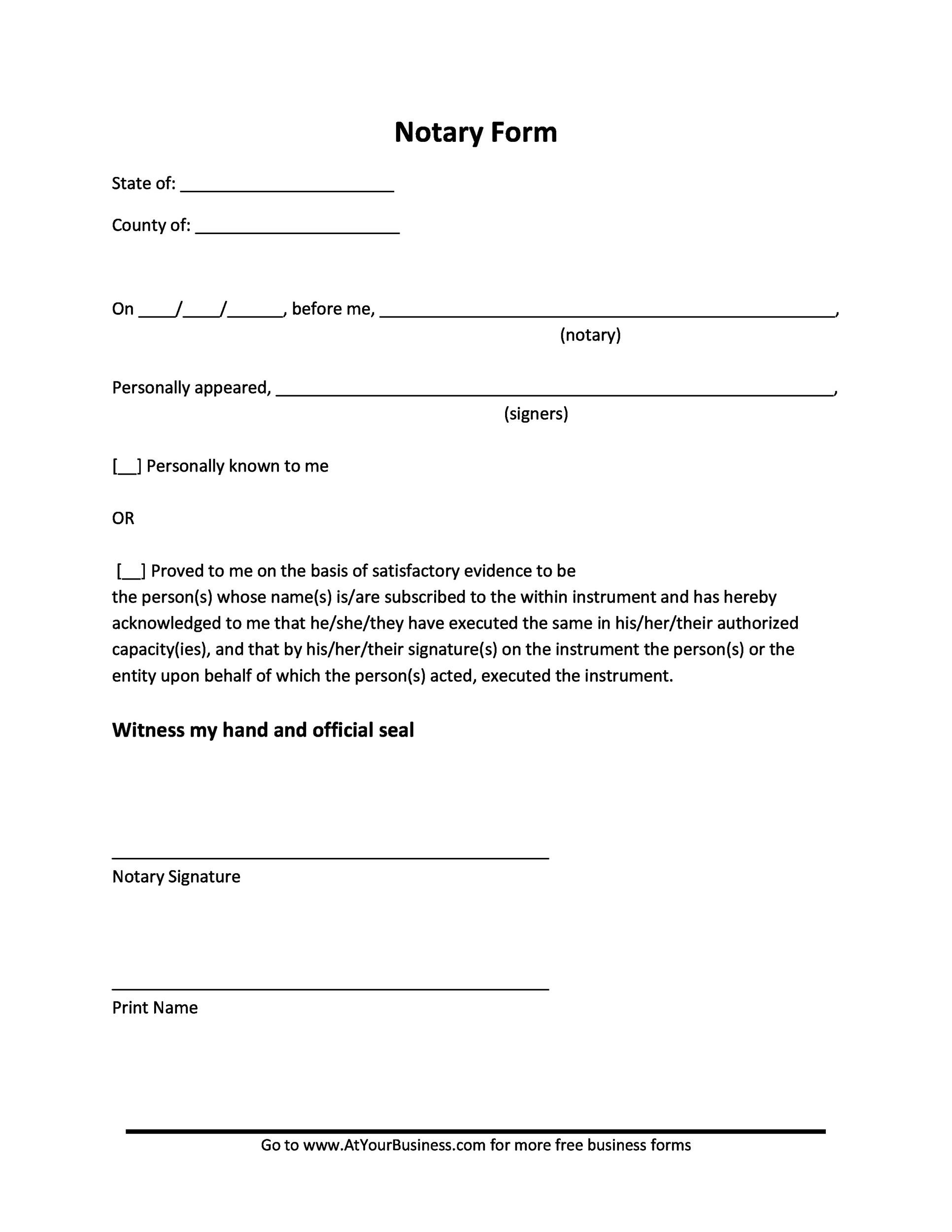
Examples
How to Get a Notarized Letter
Obtaining a notarized letter is a relatively straightforward process that typically involves the following steps:
1. Draft the Letter:
Start by drafting the content of the letter, making sure to include all necessary details and information.
2. Find a Notary Public:
Locate a notary public in your area who is authorized to notarize documents.
3. Sign the Letter:
Sign the letter in front of the notary public, who will then verify your identity and witness your signature.
4. Notary Verification:
The notary public will affix their seal or stamp to the document, certifying its authenticity.
5. Keep a Copy:
Make sure to keep a copy of the notarized letter for your records.
Tips for Successful Notarization
To ensure a smooth and successful notarization process, consider the following tips:
- Bring Proper Identification: Make sure to bring a valid form of identification to verify your identity.
- Double-Check the Details: Review the letter for accuracy and completeness before getting it notarized.
- Arrive Prepared: Have all necessary documents and information ready when meeting with the notary public.
- Follow Notary Instructions: Listen to and follow any instructions provided by the notary public during the process.
- Keep Records: Maintain copies of all notarized documents for your records.
By understanding the significance of notarized letters, knowing what to include, how to get one, and following these tips, you can navigate the world of notarization confidently and efficiently.
Notarized Letter Template – Download
