Have you ever walked into a networking event or conference and found yourself struggling to remember the names of the people you meet? Name tags can be a lifesaver in situations like these, providing a quick and easy way to identify individuals and start conversations. In this comprehensive guide, we will explore everything you need to know about name tags, from their importance to what to include on them, and tips for successful use.
What are Name Tags?
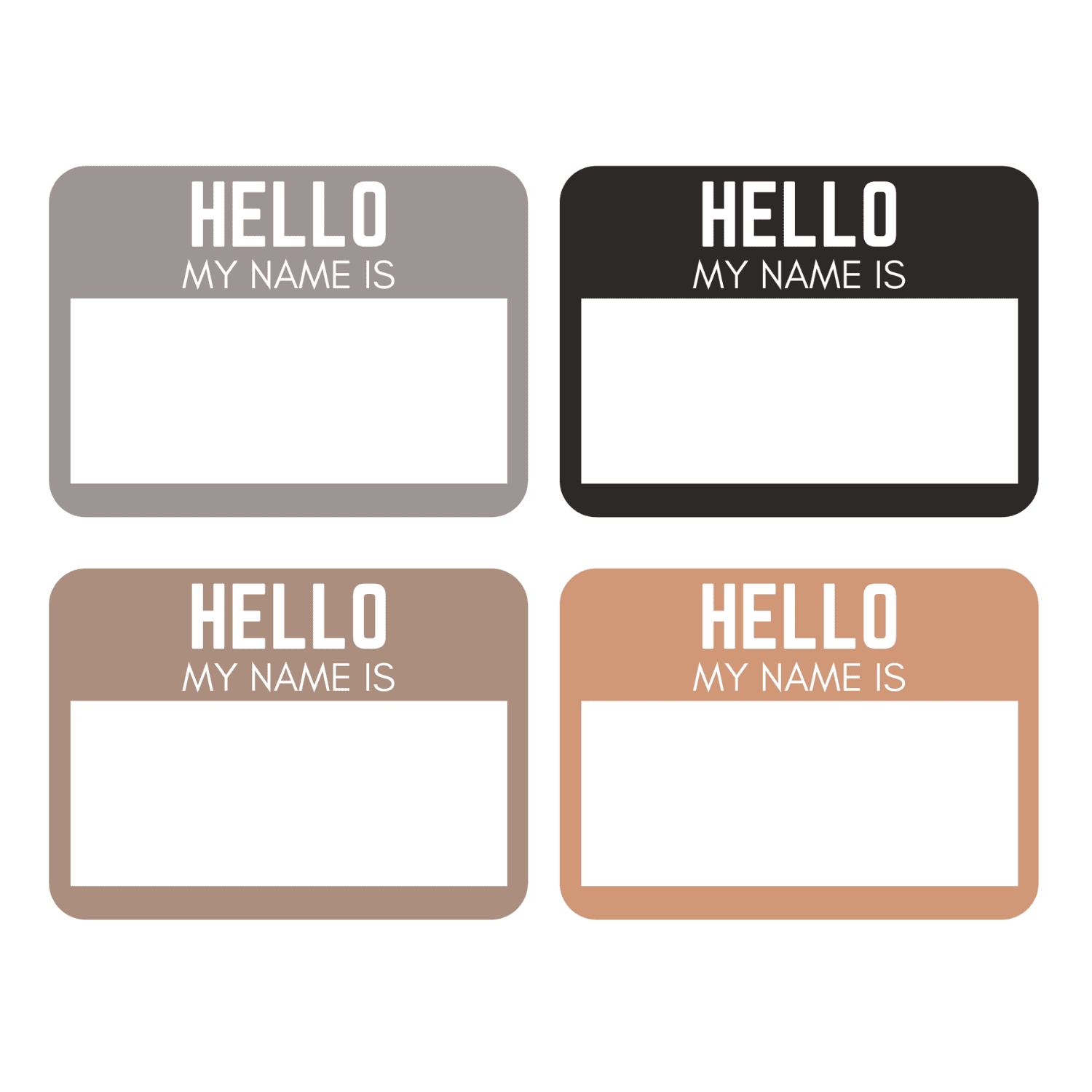
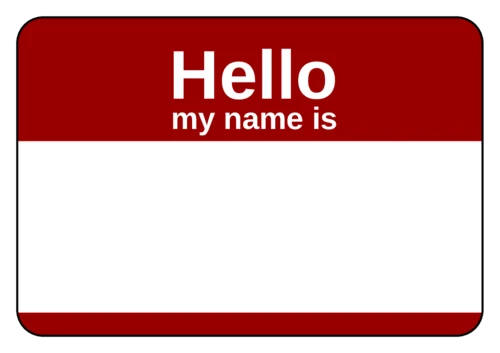
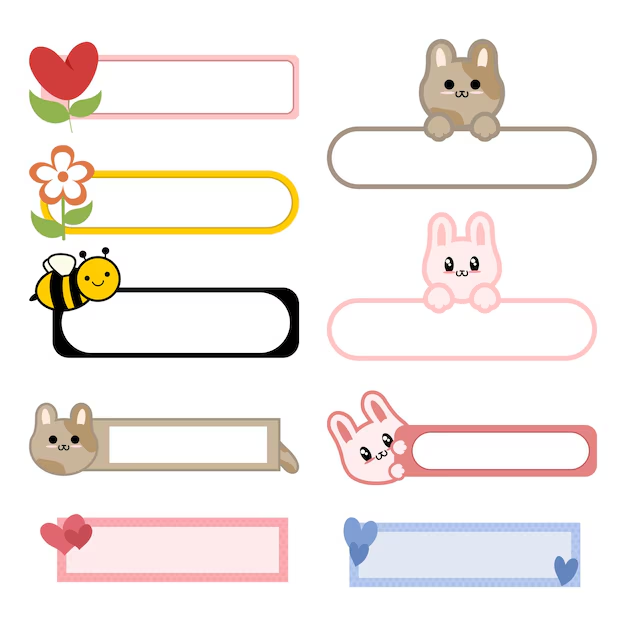
Name tags are small badges or labels worn on clothing that display a person’s name and often their affiliation or job title. They are commonly used in professional settings such as conferences, seminars, trade shows, and networking events to help participants introduce themselves and facilitate communication. Name tags can be made from various materials, such as paper, plastic, metal, or fabric, and come in different shapes and sizes.
Why are Name Tags Important?
Name tags serve several important purposes in social and professional settings. They help break the ice and encourage conversation by providing an easy conversation starter. Name tags also promote networking and relationship-building by making it easier for individuals to remember each other’s names. Additionally, name tags can enhance security in large events by quickly identifying participants and distinguishing them from unauthorized individuals.
What to Include on a Name Tag
When creating a name tag, it’s essential to include the following information:
- Name: The most critical piece of information on a name tag is the person’s name. Make sure the name is prominently displayed and easy to read.
- Affiliation: If applicable, include the person’s company name, organization, or job title to provide context about their background.
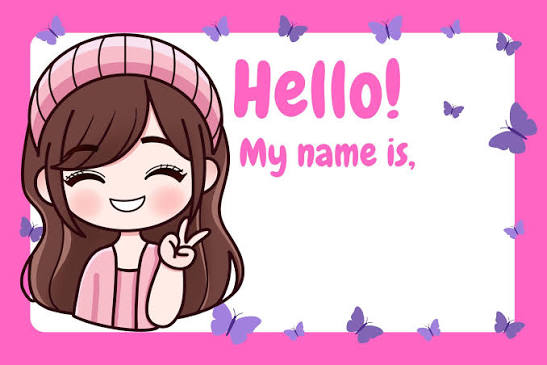
- Design: Choose a design that is clear, professional, and easy to read. Avoid cluttered or distracting layouts that may make it difficult for others to read the information on the tag.
- Font: Select a font that is legible from a distance and appropriate for the event or setting. Avoid overly decorative or hard-to-read fonts.
- Accessories: Consider using accessories such as badge holders, clips, or lanyards to secure the name tags and make them more comfortable to wear throughout the event.
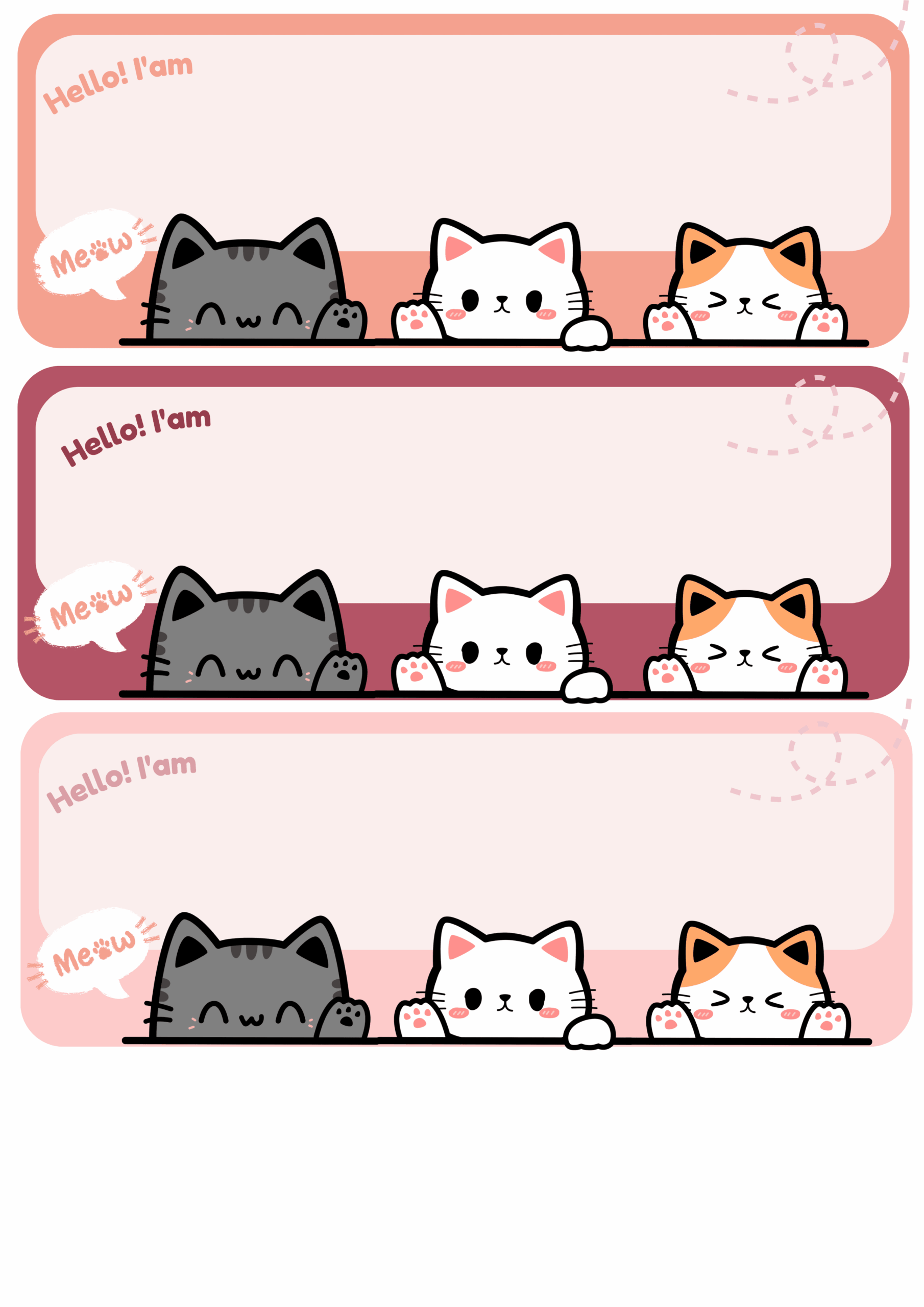
How to Wear Name Tags
Properly wearing a name tag is just as important as creating one. Here are some tips for wearing name tags effectively:
- Placement: Position the name tag on the right side of your chest, near your shoulder. This placement makes it easier for people to read your name when shaking hands or engaging in conversation.
- Orientation: Ensure that the text on the name tag is facing outward, making it visible to others. Avoid twisting or flipping the tag, which can make it difficult to read.
- Visibility: Keep your name tag visible at all times, even when seated. Avoid covering it with a jacket, scarf, or lanyard that may obstruct the view.
- Care: Handle your name tag with care to prevent damage or loss. Avoid bending, folding, or crumpling the tag, as it may become unreadable or fall off.
Tips for Successful Name Tag Use
Here are some additional tips for making the most of your name tag:
- Engage with Others: Use your name tag as a conversation starter by introducing yourself to others and asking about their name tags.
- Use Pronouns: If someone’s name is not visible on their tag, use pronouns such as “Hi, my name is Sarah, what’s yours?” to encourage them to share their name.
- Exchange Information: Use name tags as a way to exchange contact information with new acquaintances or potential business partners.
- Personalize: Consider adding a personal touch to your name tag, such as a favorite quote, hobby, or fun fact, to spark interesting conversations.
Conclusion
Name tags may seem like a small detail, but they play a significant role in facilitating communication, networking, and relationship-building in various social and professional settings. By following the tips outlined in this guide, you can make the most of your name tag and ensure that you leave a lasting impression on others. So, next time you attend an event, don’t forget to grab your name tag and make meaningful connections with those around you.
