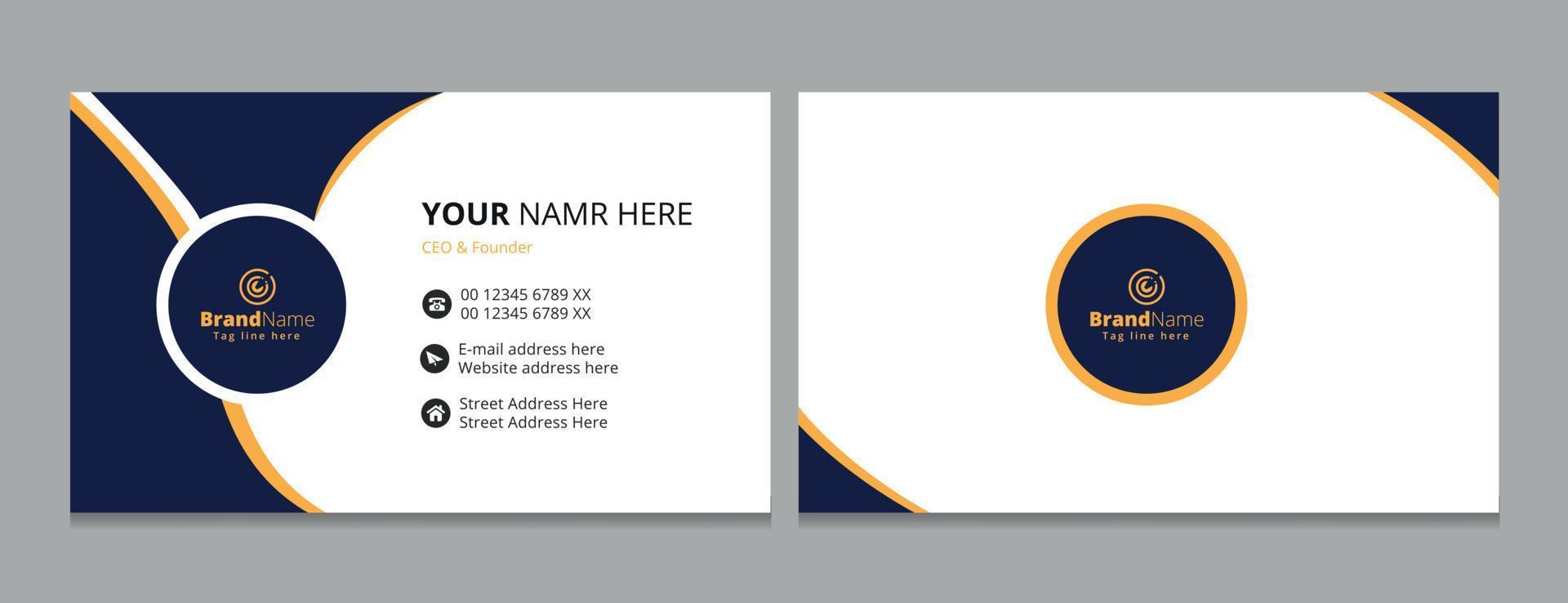
When it comes to networking and making a lasting impression, name cards play a crucial role. These small yet powerful tools can help you stand out in a crowded room and leave a lasting impact on potential clients or business partners. In this comprehensive guide, we will delve into everything you need to know about name cards, from their importance to what to include on them and how to design them effectively.
What are Name Cards?
Name cards, also known as business cards, are small cards that typically include an individual’s name, job title, company name, and contact information. They are used as a way to introduce yourself and provide essential details to others in a professional setting. Name cards serve as a tangible reminder of who you are and what you do, making them a valuable networking tool.
Why are Name Cards Important?
Name cards are crucial for making a memorable first impression and establishing credibility in business interactions. They are often exchanged during networking events, conferences, meetings, or even chance encounters. A well-designed name card can help you stand out from the competition and leave a lasting impact on potential clients or partners.
What to Include on Name Cards
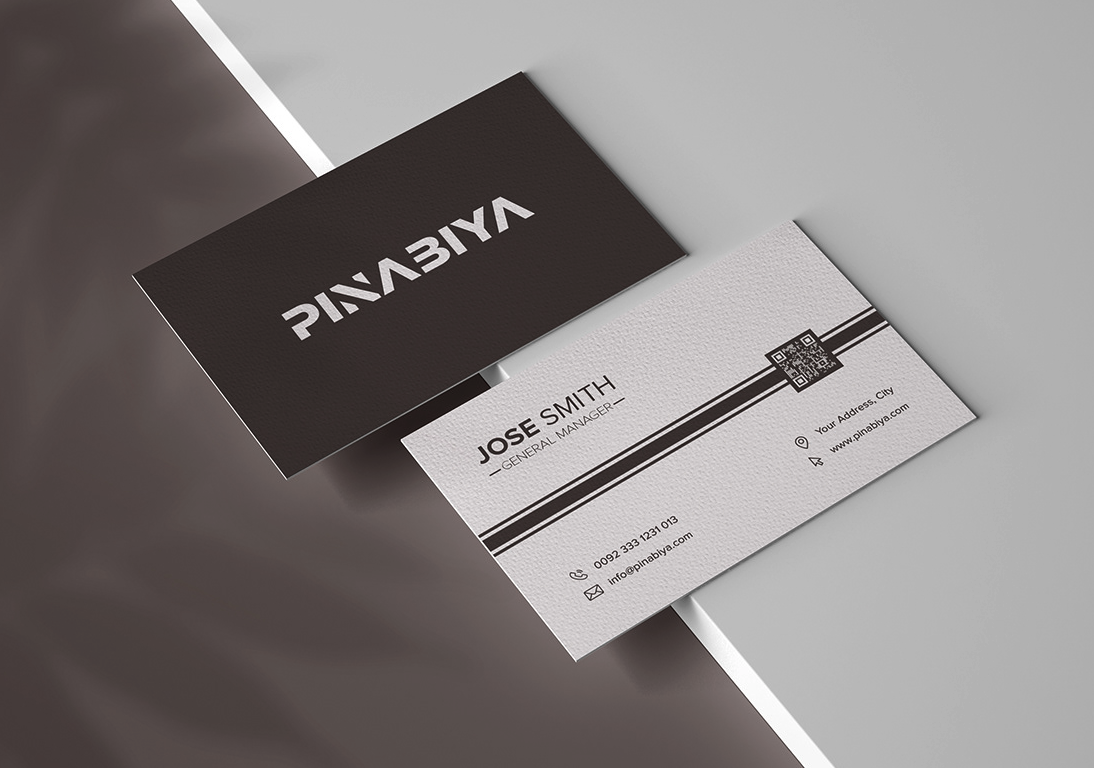
When designing your name cards, it’s essential to include the following key information:
- Your Name: Make sure your name is prominently displayed on the card.
- Job Title: Include your job title or position within the company.
- Company Name: Clearly state the name of your company or organization.
- Contact Information: Provide your phone number, email address, and any other relevant contact details.
- Logo: Incorporate your company logo for brand recognition.
- Website: Include your website URL for easy reference.
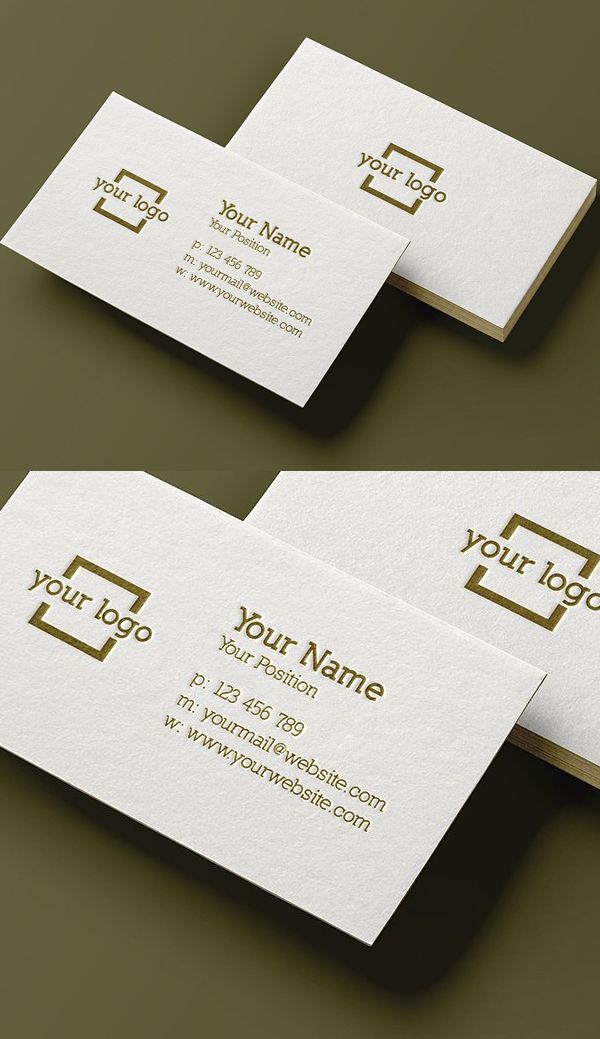
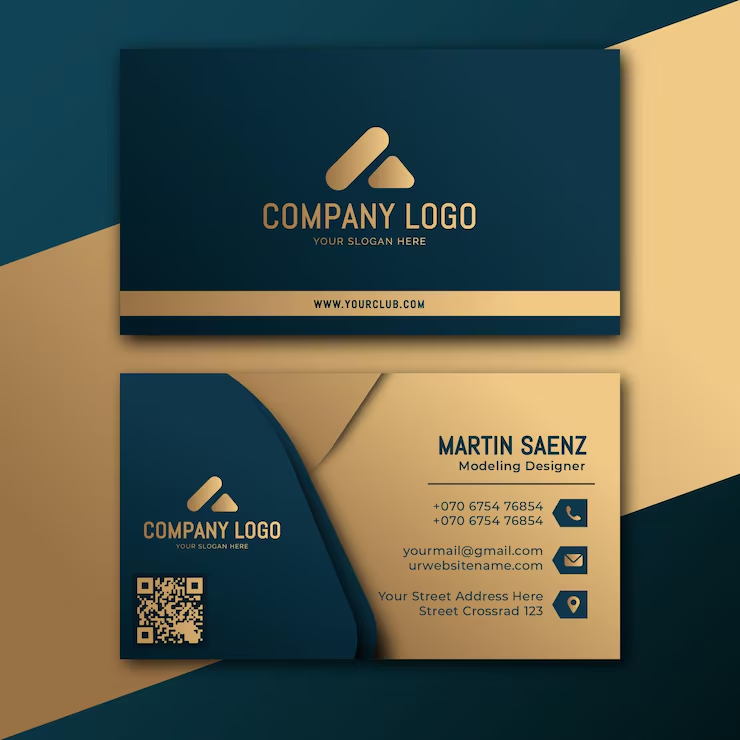
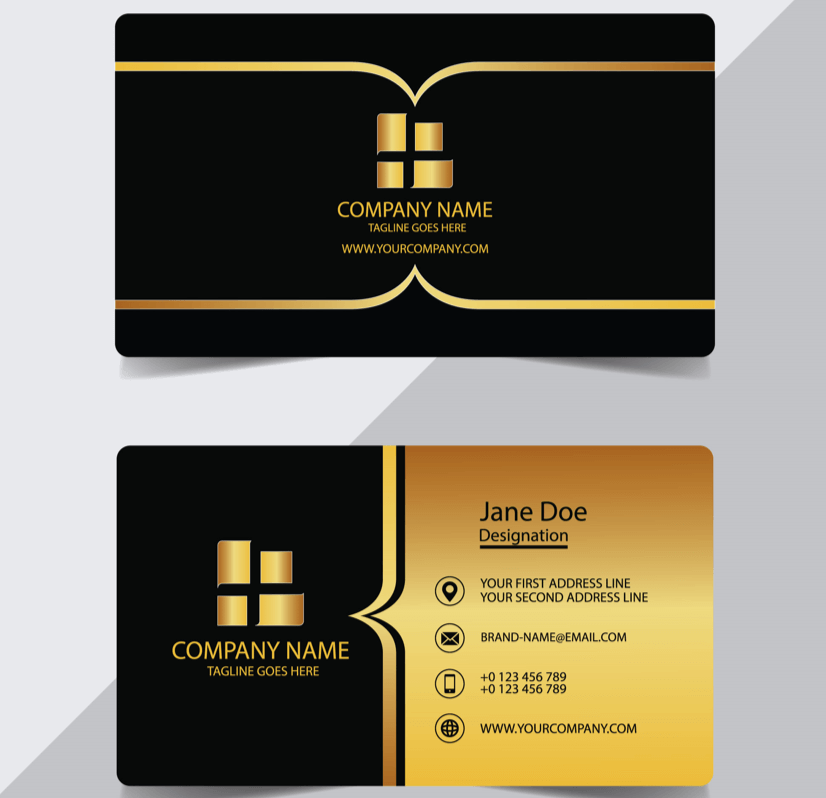
How to Design Effective Name Cards
Creating a visually appealing and well-designed name card is key to making a positive impression. Here are some tips for designing effective name cards:
- Keep it simple: Avoid cluttering your card with unnecessary information.
- Choose the right font: Use legible fonts that are easy to read.
- Use high-quality materials: Opt for sturdy cardstock and professional printing.
- Consider unique shapes or finishes: Stand out with a unique design element.
- Include a call to action: Encourage recipients to reach out or visit your website.
- Proofread carefully: Double-check for any typos or errors before printing.
Tips for Successful Networking with Name Cards
Networking effectively with name cards involves more than just handing them out. Here are some tips for making the most of your name cards during networking events:
1. Be prepared:
Always carry a stack of name cards with you to be ready for any networking opportunity.
2. Personalize your cards:
Add a personal touch to your name cards by including a handwritten note or custom design.
3. Follow up:
After exchanging name cards, make sure to follow up with your new contacts to solidify the connection.
4. Use name cards as conversation starters:
Include a unique conversation starter on your card to spark engaging discussions with others.
5. Keep your cards organized:
Maintain a system for organizing and storing received name cards to keep track of your contacts.
6. Update your information regularly:
Make sure to update your name cards with any changes to your contact information or job title.
In conclusion,
Name cards are an essential tool for networking and making a lasting impression in the business world. By following the tips and guidelines outlined in this guide, you can create effective name cards that will help you stand out and build meaningful connections with others. Remember, a well-designed name card is not just a piece of paper – it’s a reflection of your professionalism and attention to detail.
