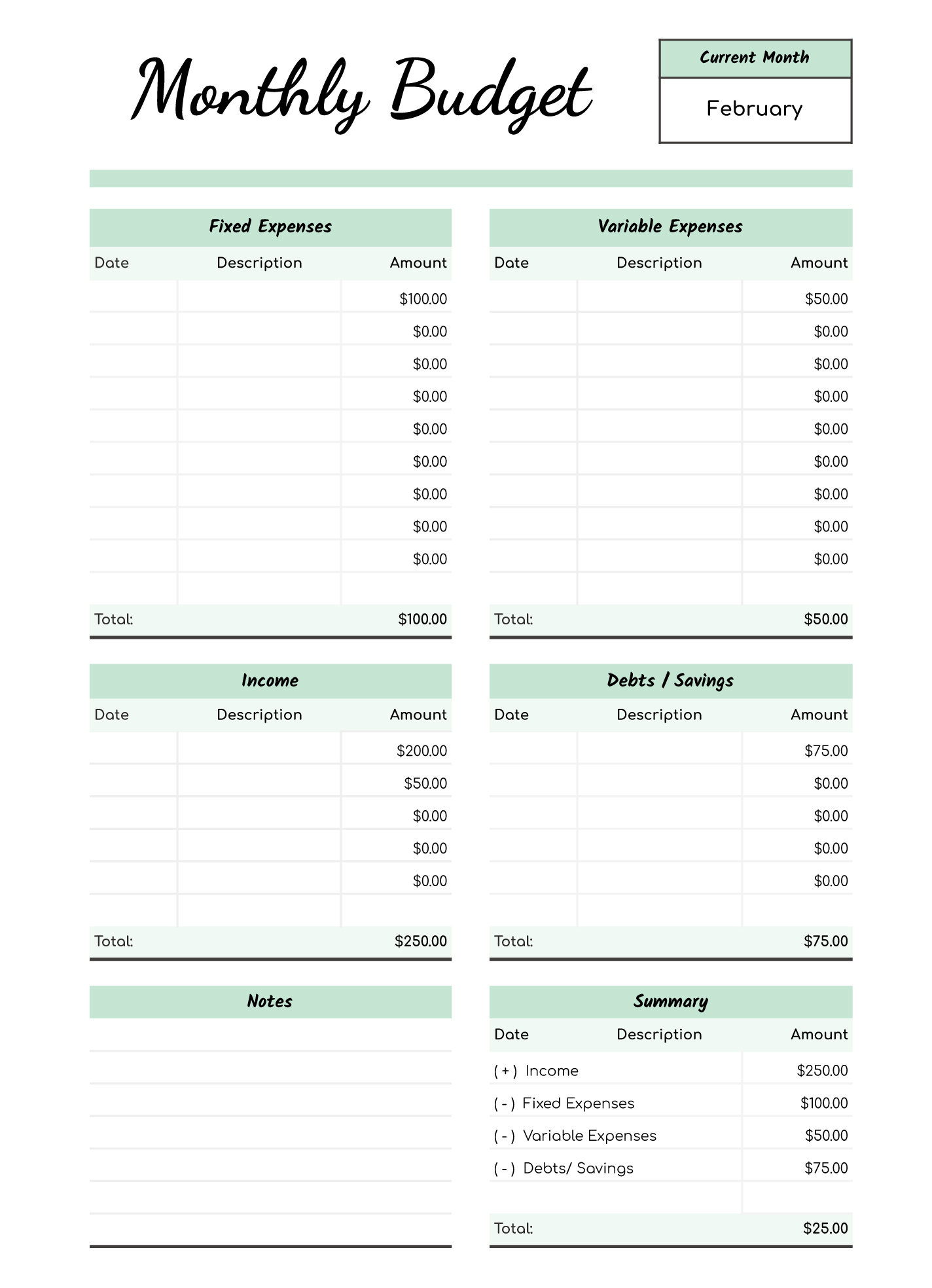
Managing your monthly expenses can be a challenging task, especially when you have various bills and costs to juggle. It’s important to have a clear understanding of where your money is going each month to ensure financial stability and avoid unnecessary stress. In this comprehensive guide, we will explore the what, why, and how of monthly expenses, as well as provide tips for successful budgeting.
What are Monthly Expenses?
Monthly expenses refer to the regular costs that you incur on a monthly basis to maintain your lifestyle. These expenses can include rent or mortgage payments, utilities, groceries, transportation, insurance, and other necessary expenditures. Understanding your monthly expenses is crucial for creating a realistic budget and managing your finances effectively.
Why Tracking Your Monthly Expenses is Important
Tracking your monthly expenses is essential for several reasons. Firstly, it allows you to see where your money is going and identify areas where you can potentially cut back on spending. By keeping a close eye on your expenses, you can avoid overspending and ensure that you are living within your means. Additionally, tracking your monthly expenses can help you plan for future financial goals, such as saving for a vacation or purchasing a new car.
What to Include in Your Monthly Expenses
When creating a list of your monthly expenses, it’s important to include both fixed and variable costs. Fixed expenses are recurring payments that remain constant each month, such as rent or mortgage payments, insurance premiums, and subscription services. Variable expenses, on the other hand, can fluctuate from month to month and include costs like groceries, dining out, entertainment, and transportation.
- Rent or Mortgage Payments. Your housing costs are typically one of the largest expenses in your budget.
- Utilities. Include bills for electricity, water, gas, internet, and phone services.
- Transportation. Factor in costs for gas, public transportation, car payments, and maintenance.
- Groceries. Allocate a budget for food shopping and dining expenses.
- Insurance. Include premiums for health, auto, and home insurance policies.
- Debt Payments. Don’t forget to account for any outstanding loans or credit card payments.
How to Create a Budget for Your Monthly Expenses
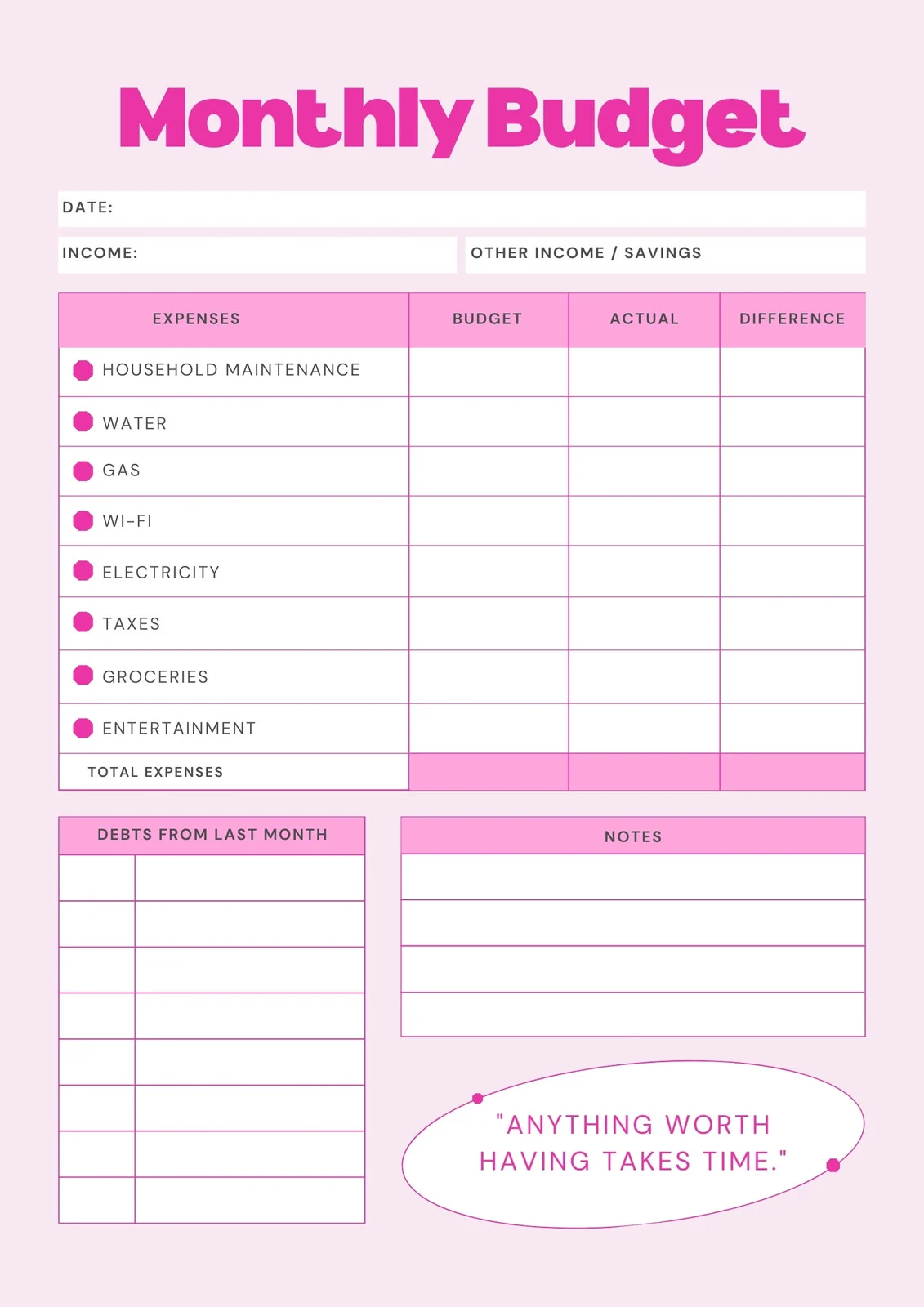
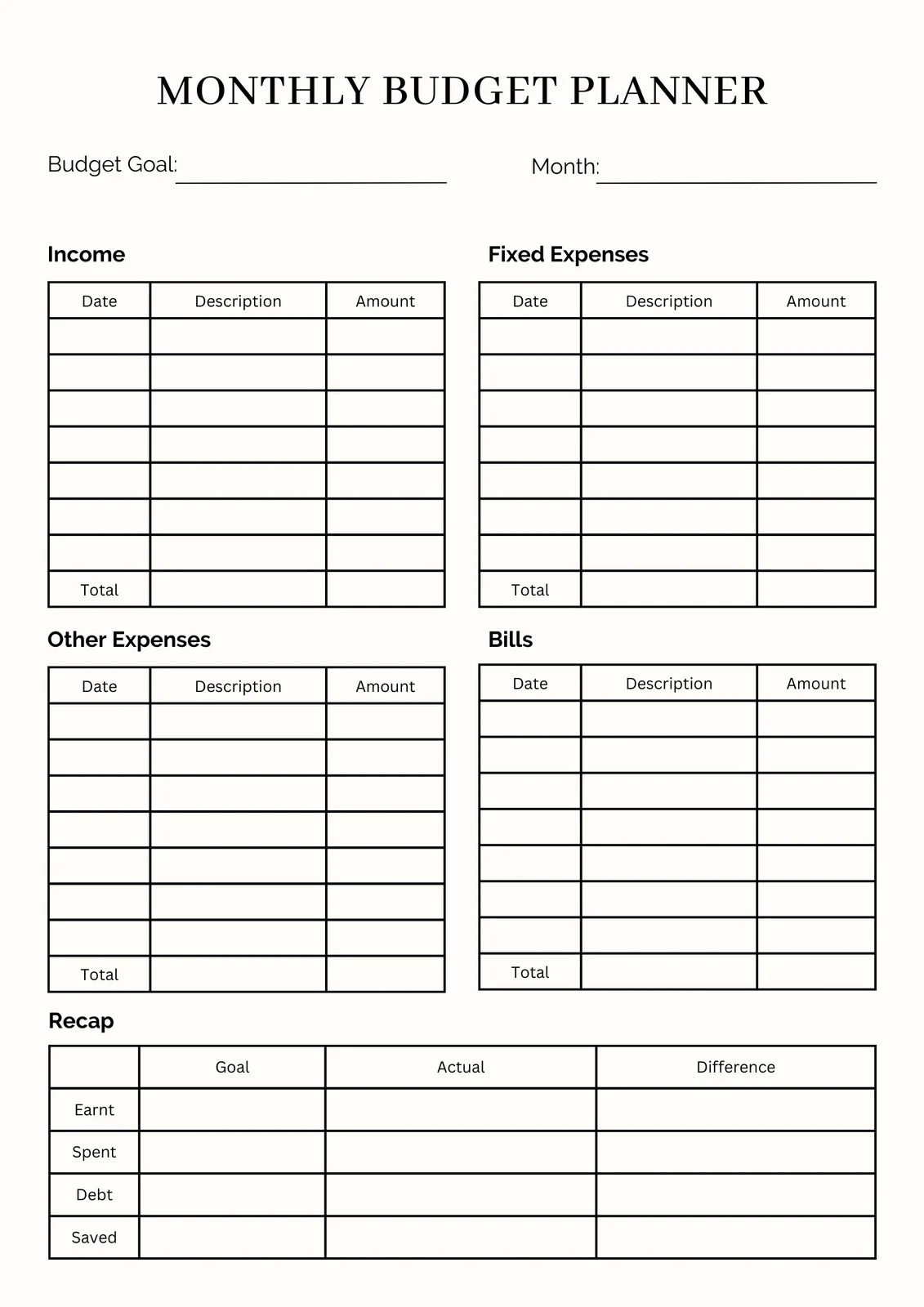
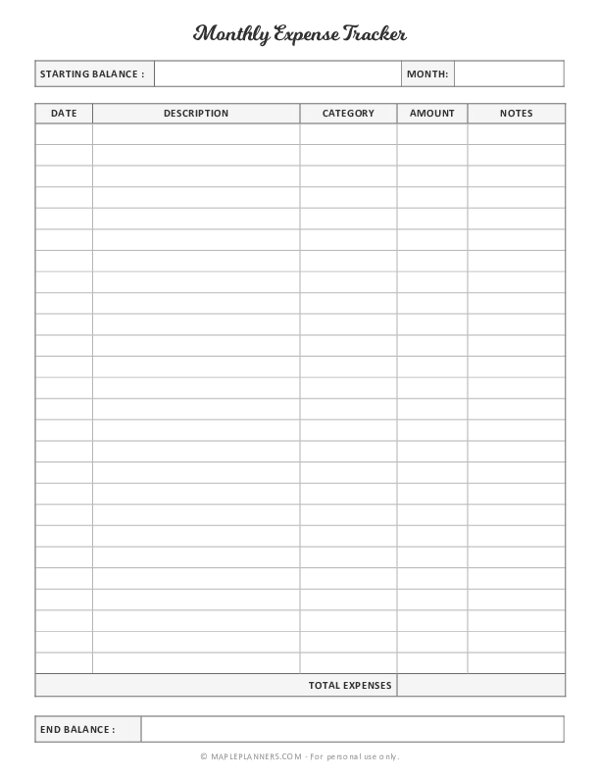
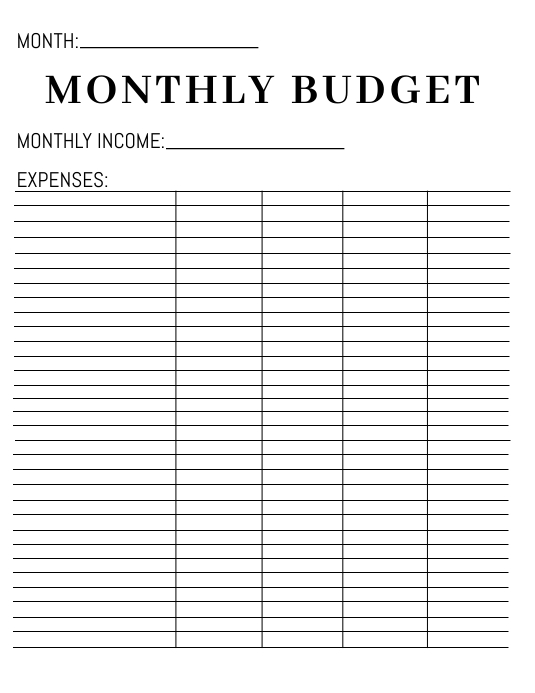
Creating a budget for your monthly expenses involves analyzing your income and expenditures to determine how much you can afford to spend in each category. Start by calculating your total monthly income, including salaries, bonuses, and any other sources of revenue. Next, list all of your fixed and variable expenses to get a clear picture of your financial obligations. Differentiate between essential expenses that are non-negotiable, such as rent or mortgage payments, and discretionary expenses that you can cut back on if needed.
Tips for Successful Budgeting
Managing your monthly expenses effectively requires discipline and strategic planning. Here are some tips to help you create a successful budget:
- Track Your Spending. Keep a detailed record of all your expenses to identify patterns and areas for improvement.
- Set Realistic Goals. Establish achievable financial goals, such as saving for a vacation or building an emergency fund.
- Avoid Impulse Purchases. Think carefully before making any non-essential purchases to prevent overspending.
- Review Your Budget Regularly. Adjust your budget as needed based on changes in your income or expenses.
- Seek Professional Advice. If you’re struggling to manage your finances, consider consulting with a financial advisor for guidance.
- Stay Motivated. Remember your long-term financial goals to stay motivated and committed to sticking to your budget.
By taking the time to understand your monthly expenses and create a realistic budget, you can achieve greater financial stability and peace of mind. Start by tracking your expenses, identifying areas for improvement, and implementing smart budgeting strategies to take control of your finances and secure your financial future.
