Keeping track of your expenses is essential for maintaining good financial health. However, with the myriad expenses we incur daily, it can be challenging to stay on top of everything. This is where an expense tracker comes in handy.
In this comprehensive guide, we will explore the ins and outs of expense trackers, why they are important, what to include in an expense tracker, how to use them effectively, and provide some tips for maximizing their benefits.
What is an Expense Tracker?
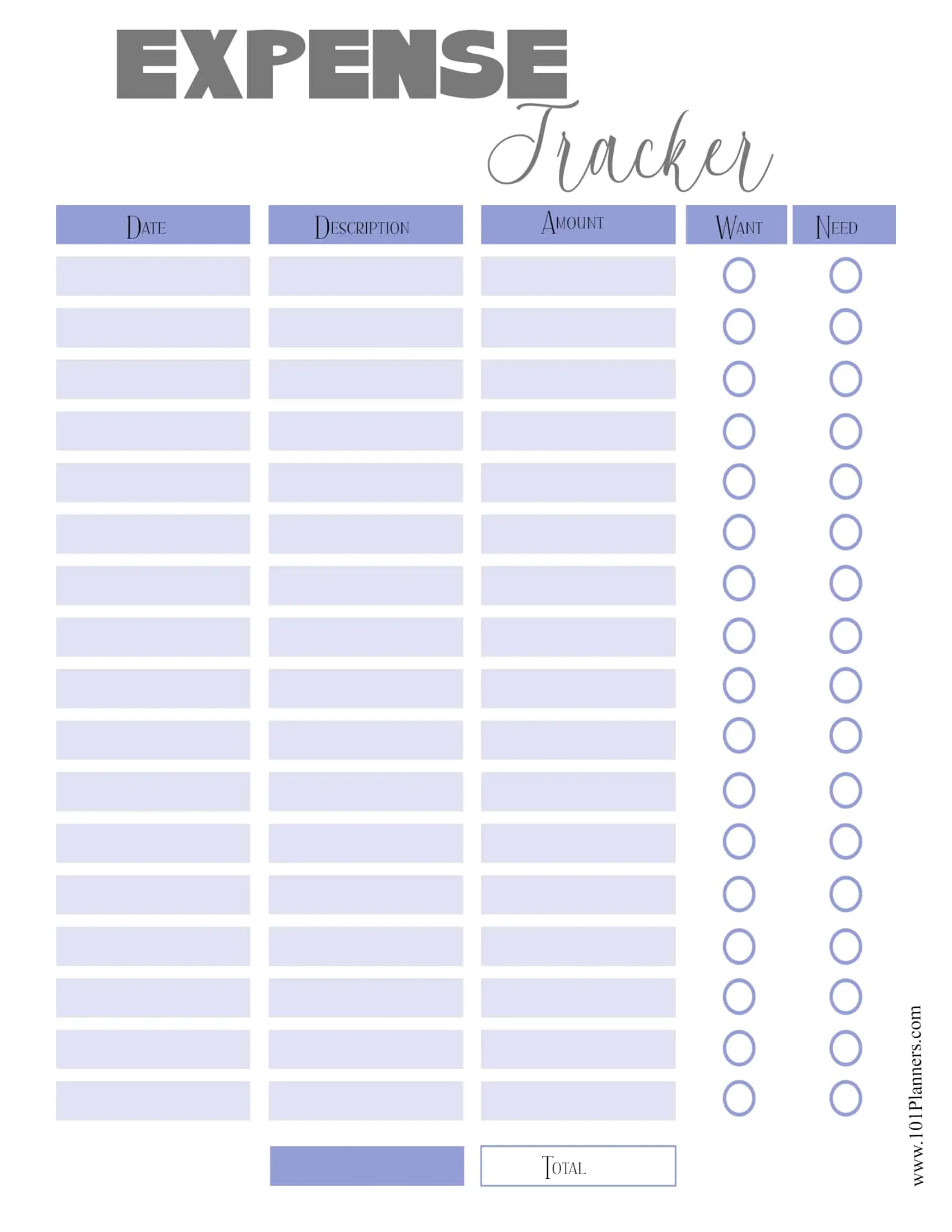
An expense tracker is a tool that allows you to monitor and record your spending habits. It helps you keep track of where your money is going, identify areas where you can cut back, and ultimately, achieve your financial goals. Whether you prefer a digital app or a more traditional pen-and-paper method, an expense tracker is a valuable resource for anyone looking to take control of their finances.
Why Use an Expense Tracker?
There are several reasons why using an expense tracker is beneficial:
- Financial awareness. By tracking your expenses, you become more aware of your spending habits and can make more informed decisions about your money.
- Budgeting. An expense tracker helps you create and stick to a budget, allowing you to allocate funds for essentials and savings goals.
- Identify patterns. Tracking your expenses over time helps you identify patterns and trends in your spending, making it easier to make adjustments as needed.
- Financial goals. With an expense tracker, you can set specific financial goals and track your progress towards achieving them.
What to Include in an Expense Tracker
When setting up your expense tracker, it’s important to include the following categories:
- Fixed expenses. These are recurring expenses such as rent, mortgage, utilities, and insurance.
- Variable expenses. This category includes expenses that vary month to month, such as groceries, dining out, entertainment, and clothing.
- Savings and investments. Track your contributions to savings accounts, retirement funds, and other investments.
- Debts. Record any payments towards credit cards, loans, or other debts.
- Income. Include your sources of income to calculate your net cash flow.
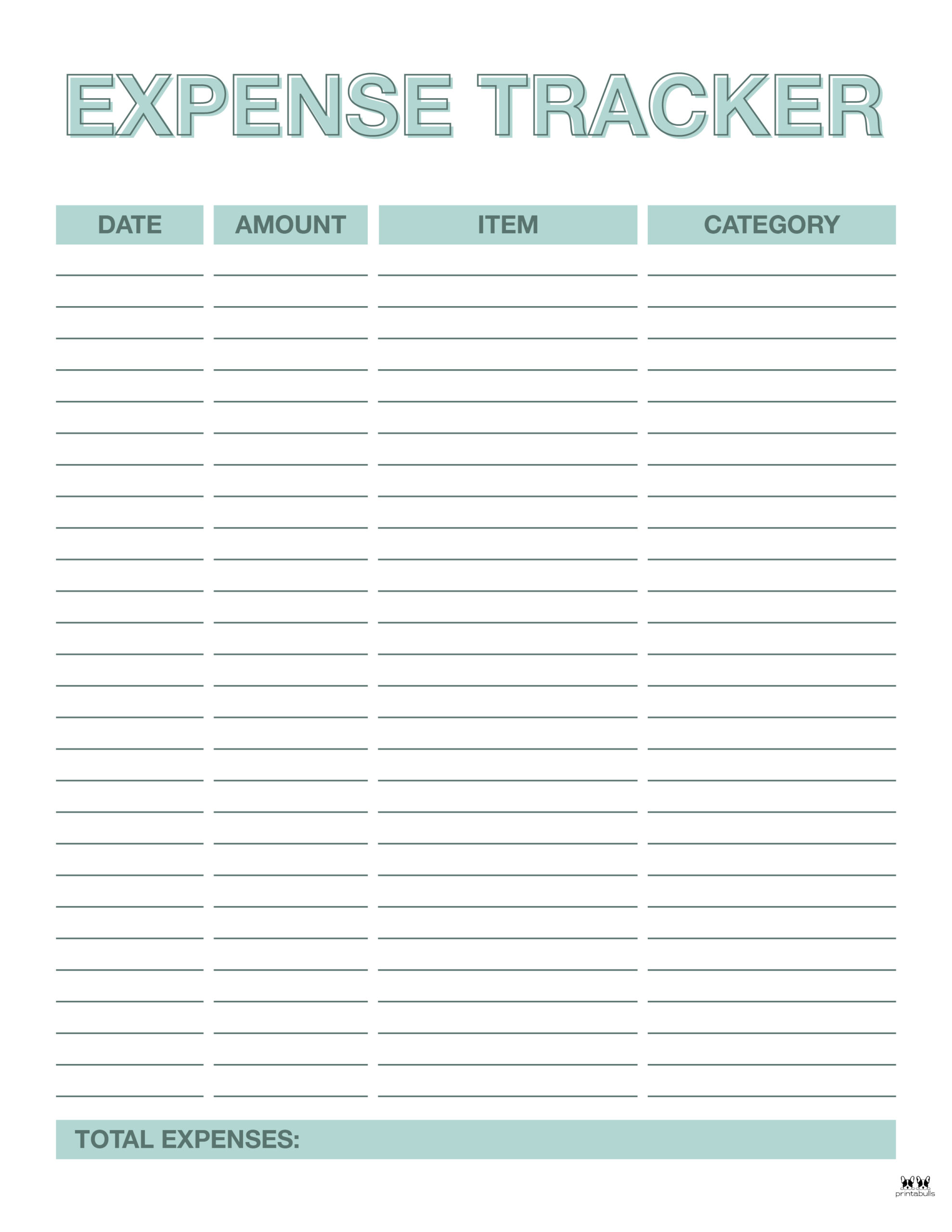
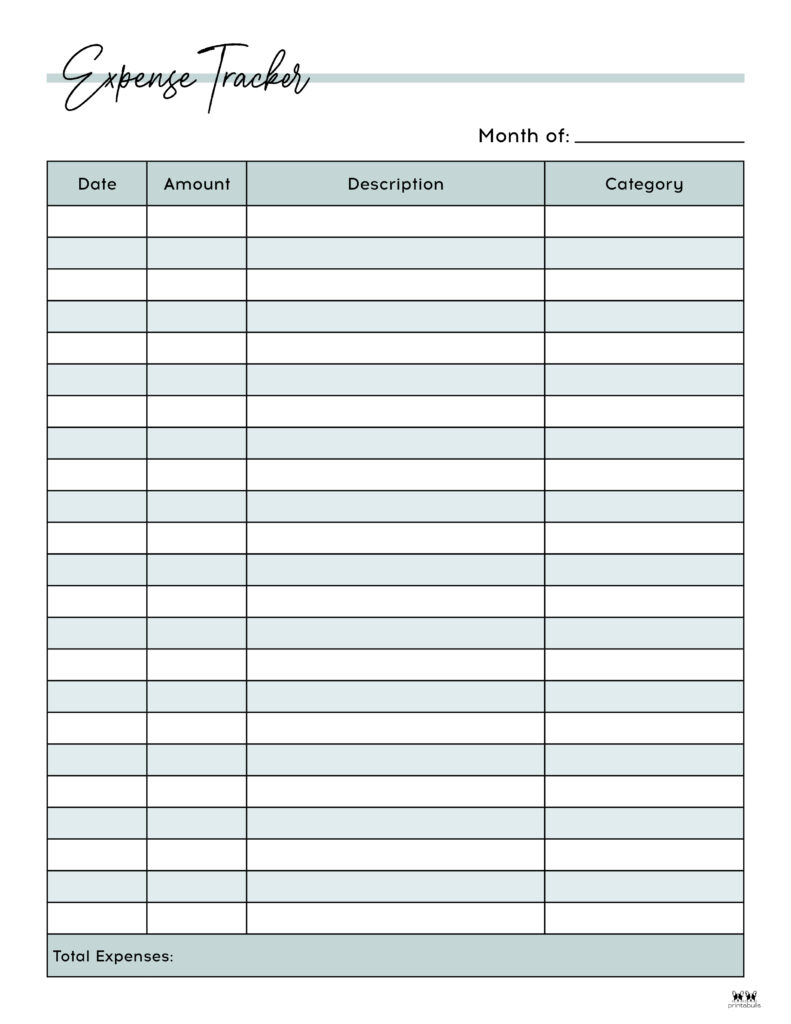
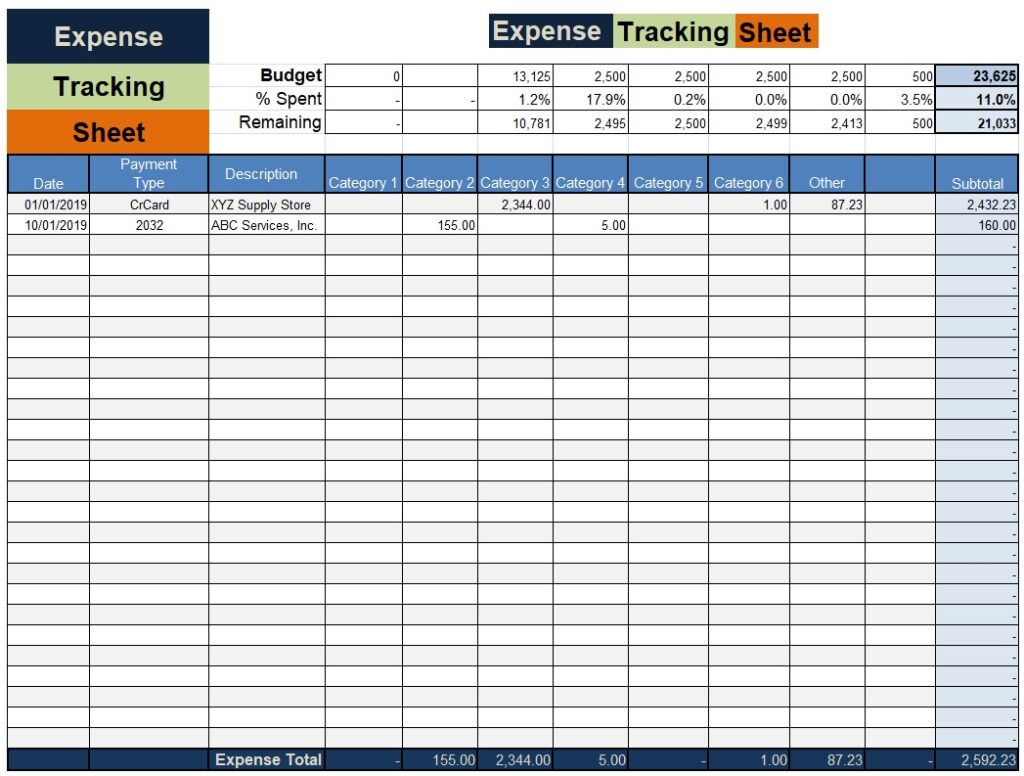
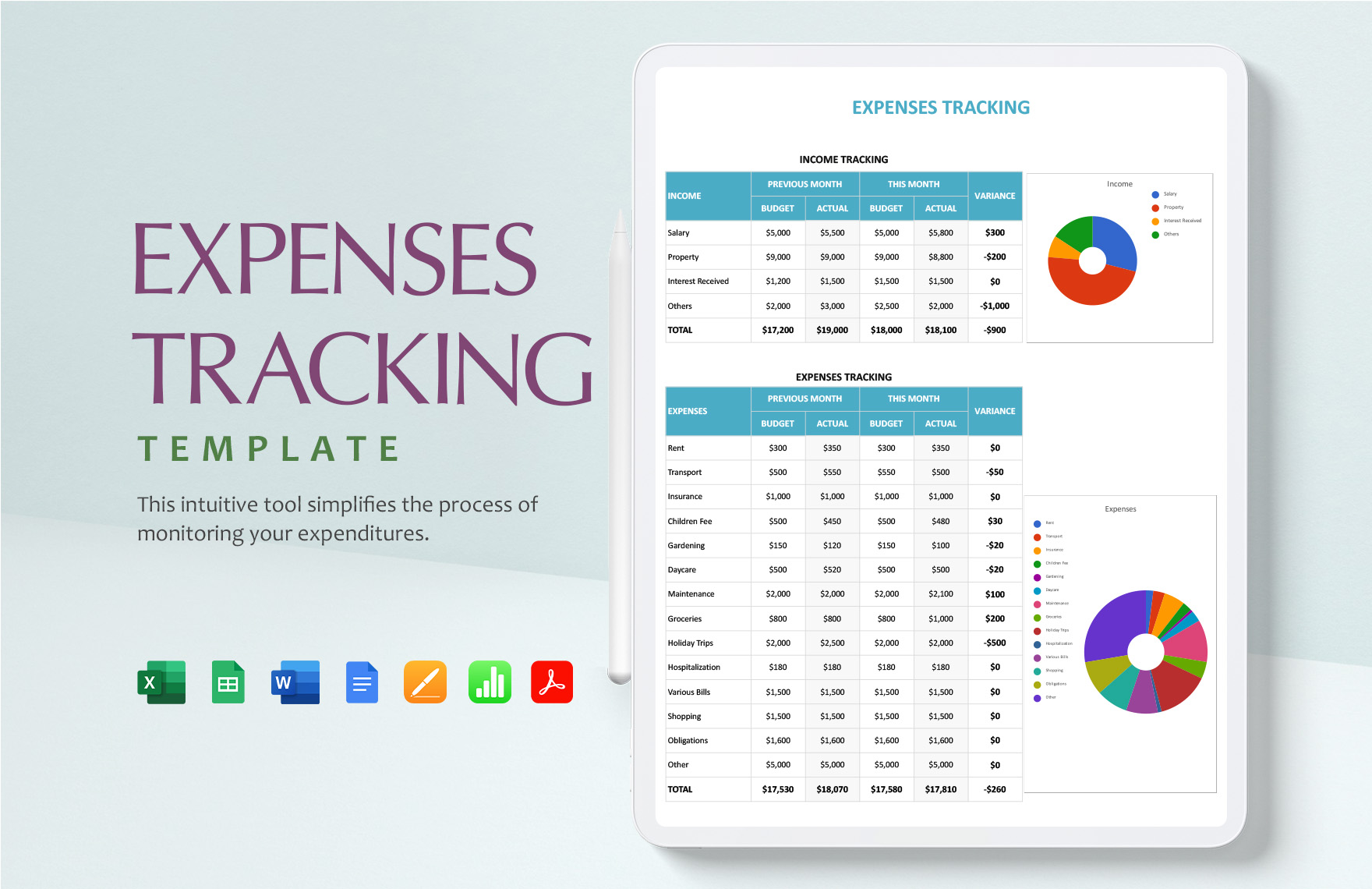
Examples
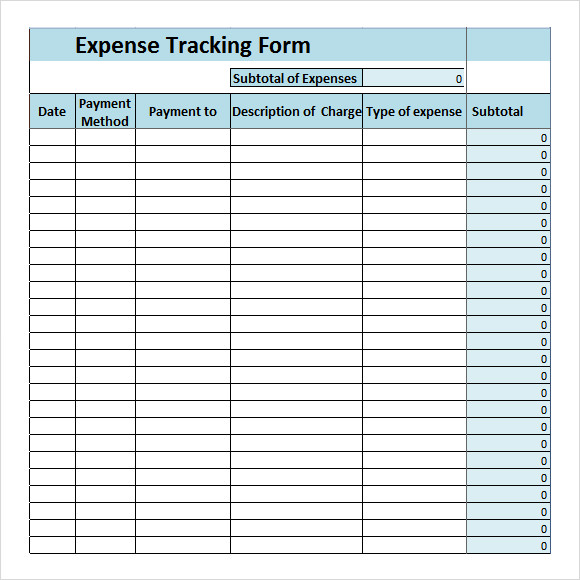
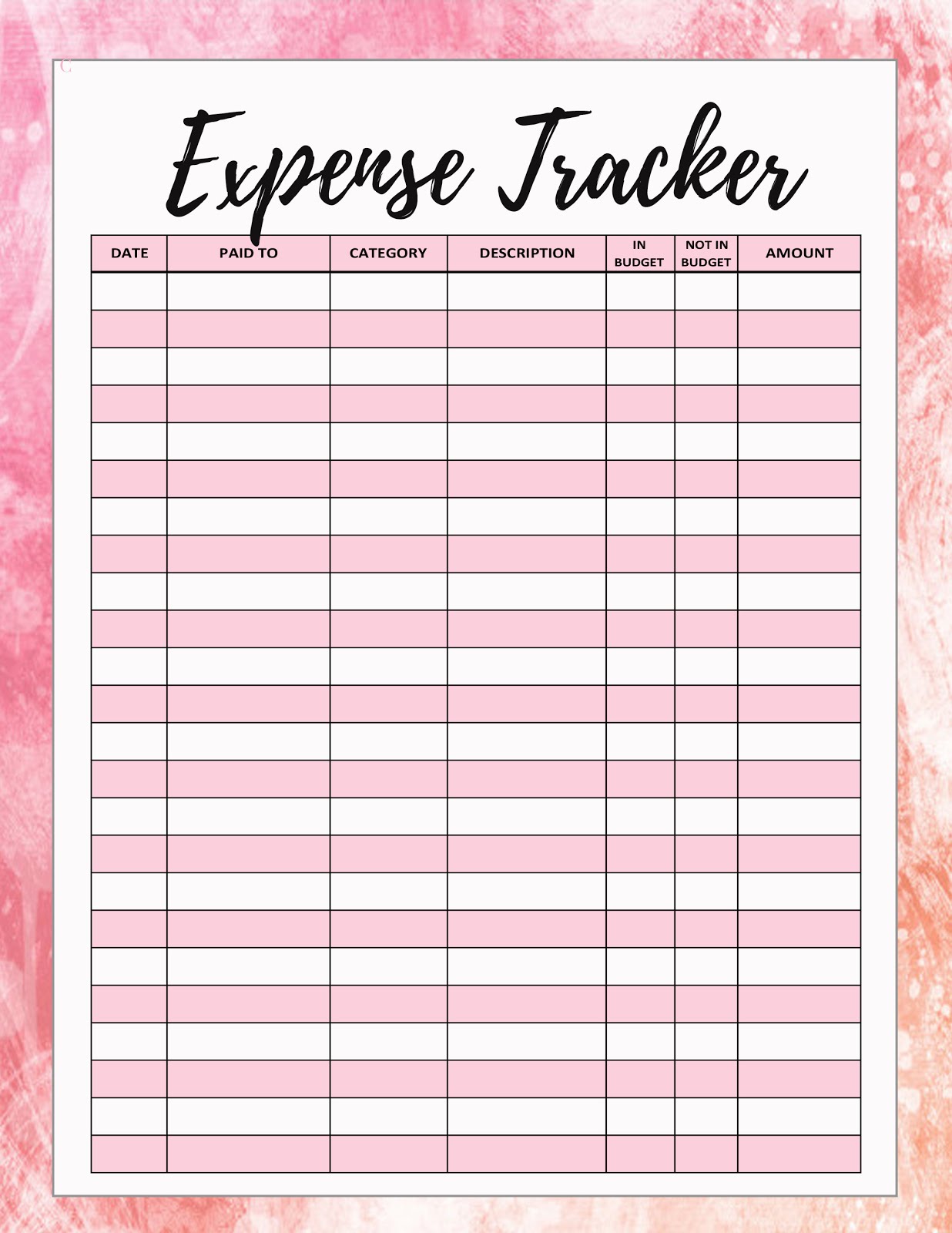
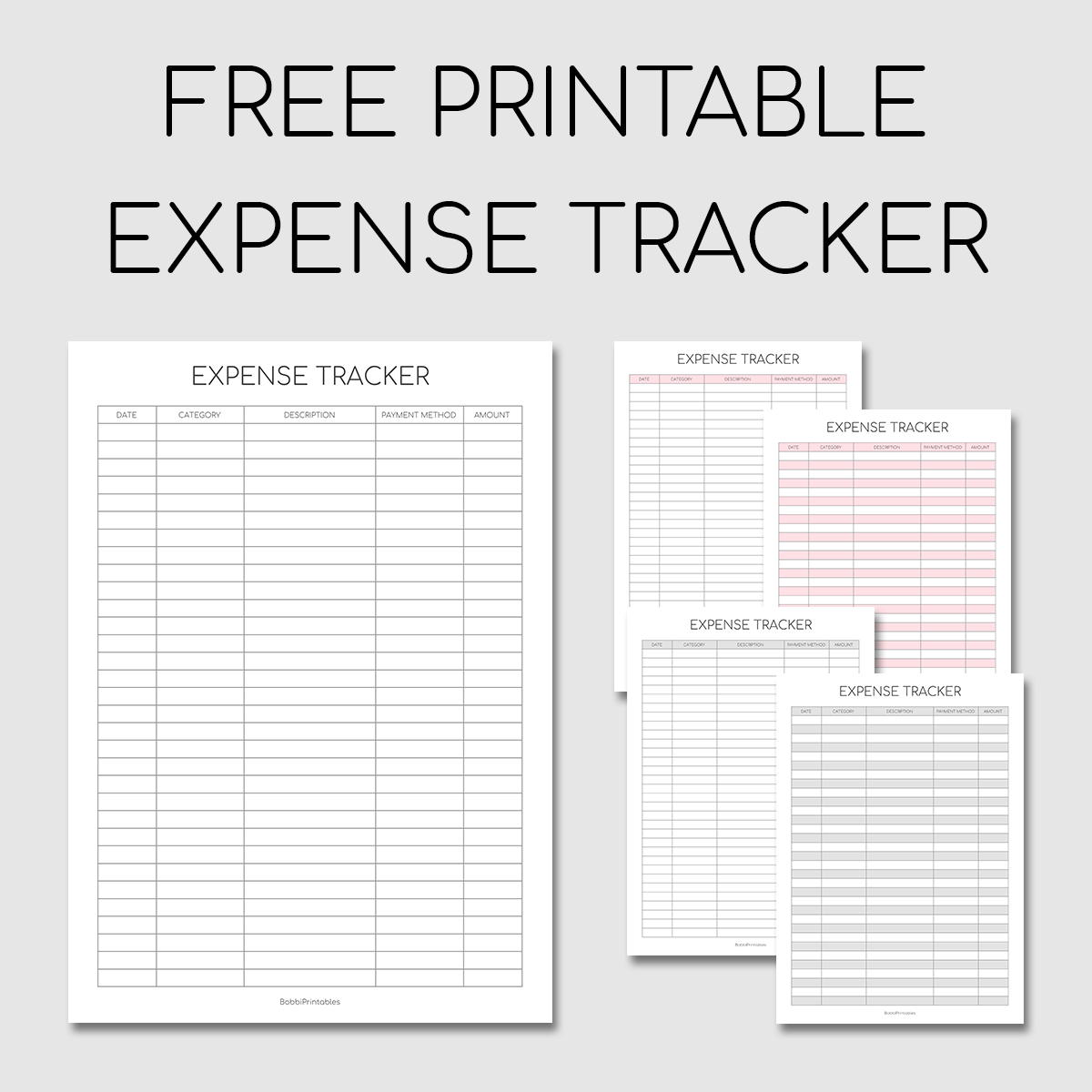
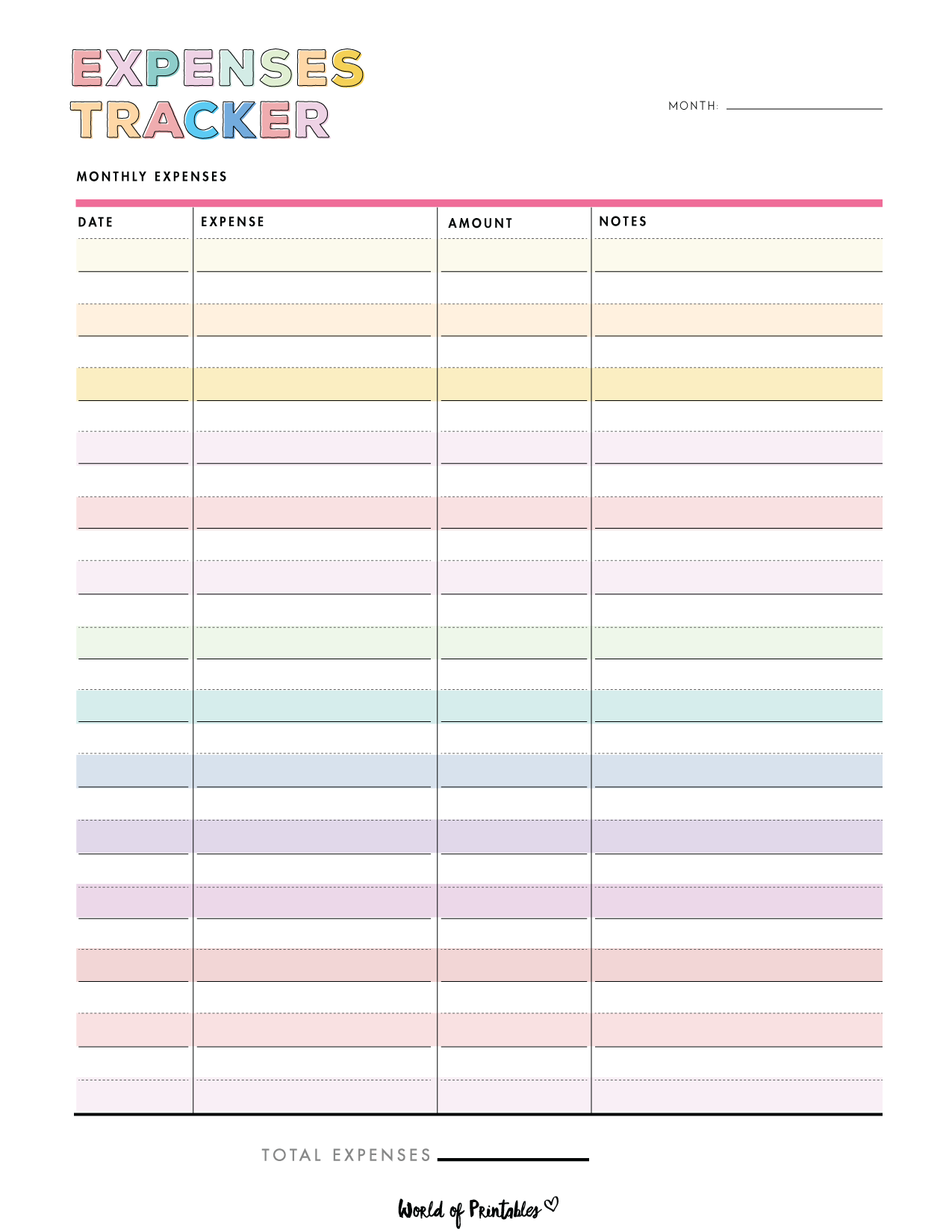
How to Use an Expense Tracker
Here are some tips for using an expense tracker effectively:
- Record expenses daily. Make it a habit to record your expenses daily to ensure accurate tracking.
- Categorize expenses. Assign each expense to the appropriate category to get a clear picture of your spending habits.
- Set budget limits. Establish monthly budget limits for each category and track your progress toward staying within them.
- Review regularly. Take time to review your expenses regularly to identify areas where you can cut back or make adjustments.
- Use mobile apps. Consider using mobile apps for expense tracking for convenience and accessibility on the go.
Tips for Maximizing Your Expense Tracker
Here are some additional tips for maximizing the benefits of your expense tracker:
- Automate where possible. Set up automatic transfers for savings and bill payments to streamline your financial management.
- Track both income and expenses. Monitoring your income as well as expenses gives you a comprehensive view of your financial situation.
- Set realistic goals. Start with small, achievable financial goals and gradually work towards larger ones.
- Be consistent. Consistency is key to effective expense tracking, so make it a regular part of your routine.
- Seek professional advice. If you’re struggling with managing your finances, consider seeking advice from a financial advisor or counselor.
In Conclusion
An expense tracker is a valuable tool for anyone looking to take control of their finances and achieve their financial goals. By monitoring your expenses, setting budgets, and tracking your progress, you can make informed decisions about your money and work towards a secure financial future. With the tips provided in this guide, you can maximize the benefits of your expense tracker and embark on a path to financial success.
Expense Tracker Template – Download
