Keeping track of your mileage is crucial for many reasons, whether you’re a business owner looking to deduct expenses or simply trying to keep tabs on your travel for personal reasons. A mileage log is a valuable tool that can help you accurately record your mileage for tax purposes, reimbursement, or simply for your own records. In this comprehensive guide, we’ll delve into what mileage logs are, why they’re important, what to include in a mileage log, how to maintain one effectively, and some tips for successful mileage tracking. Let’s get started!
What is a Mileage Log?
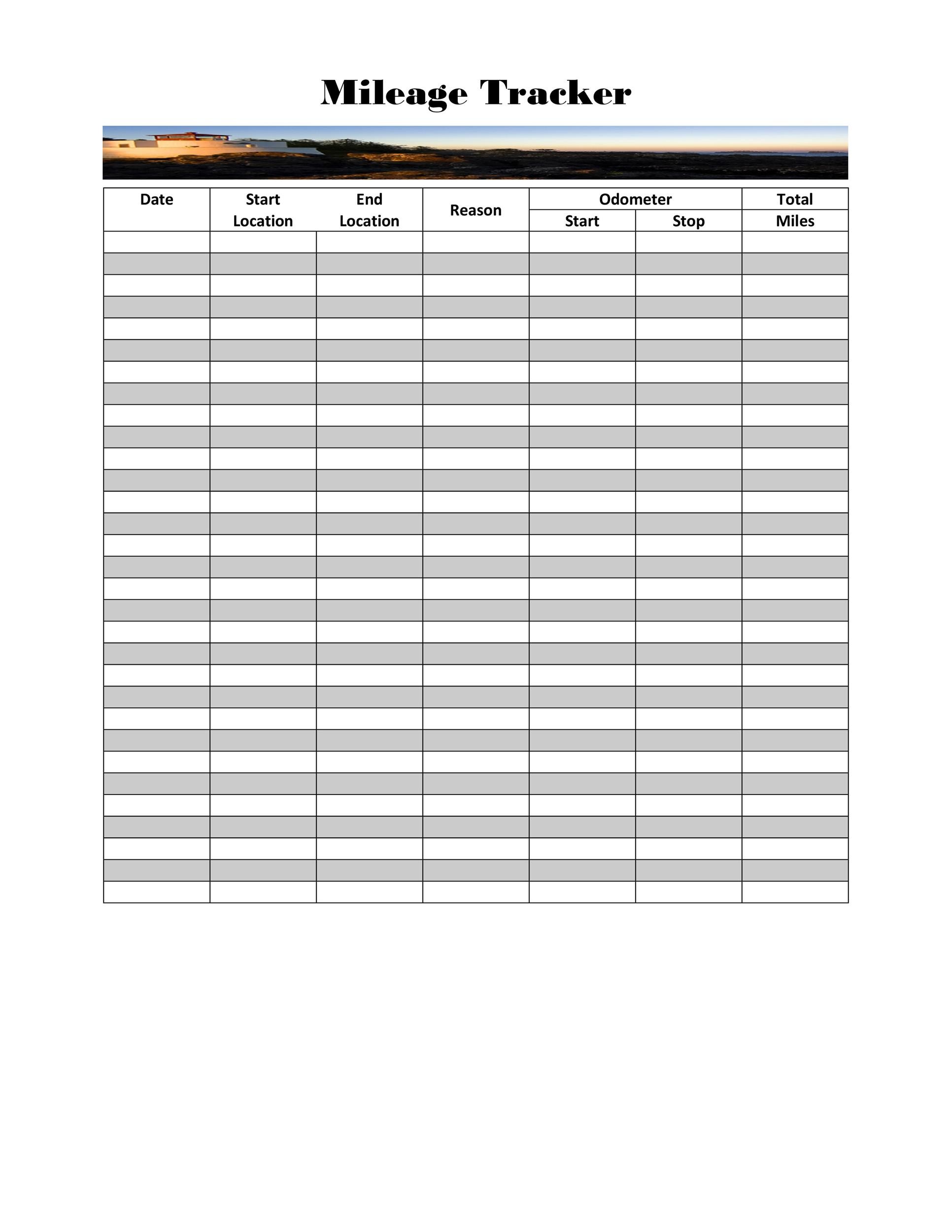
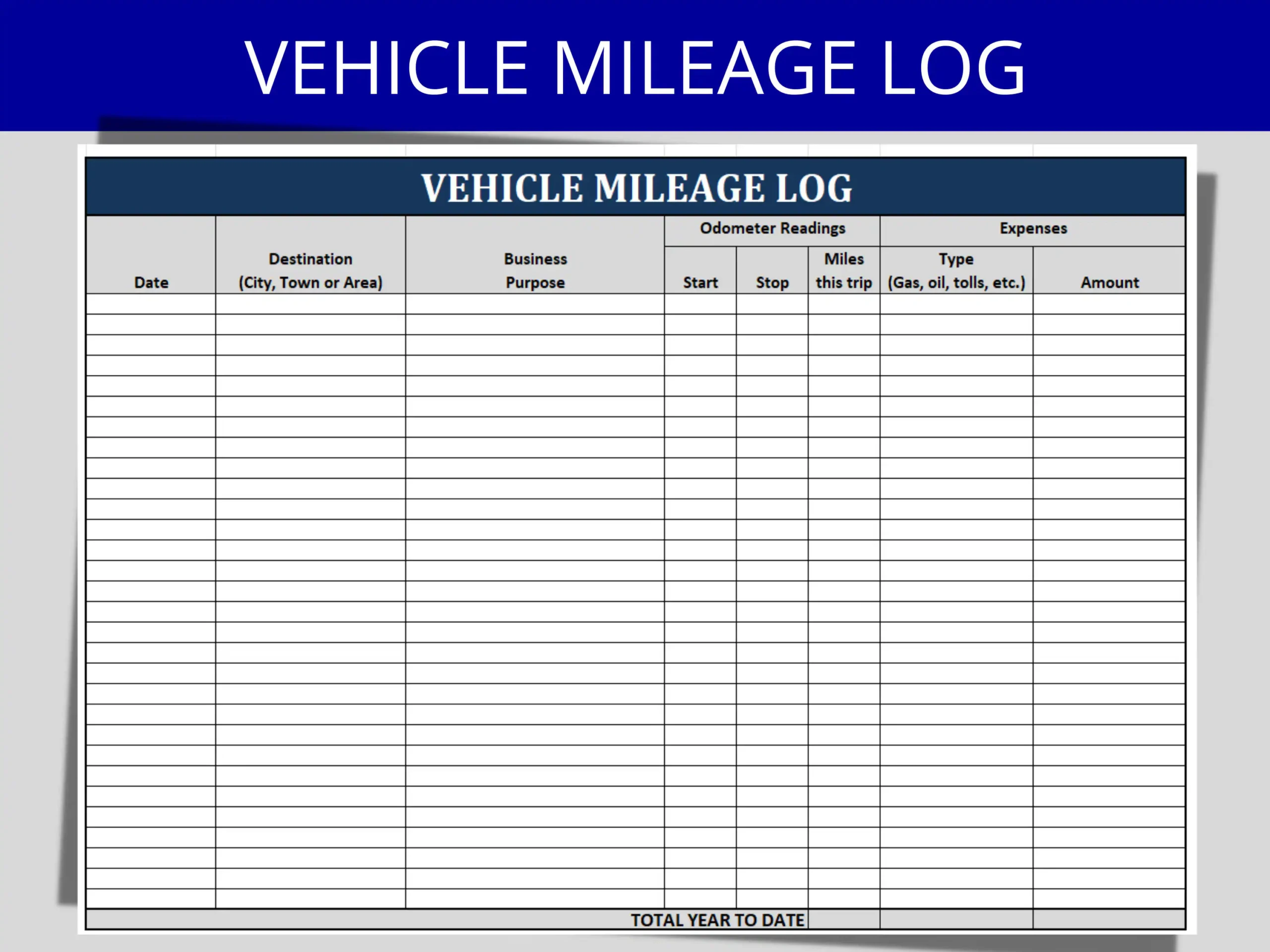
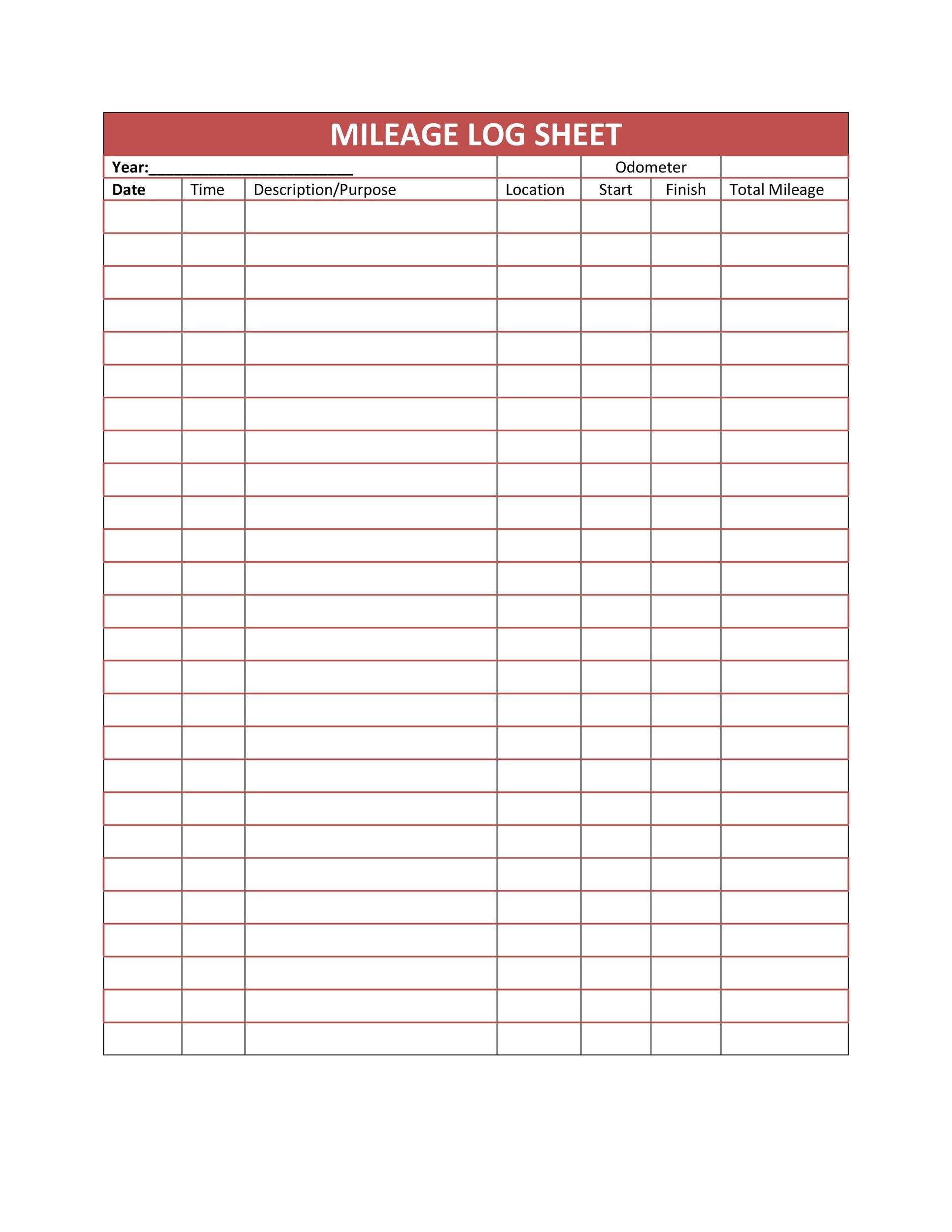
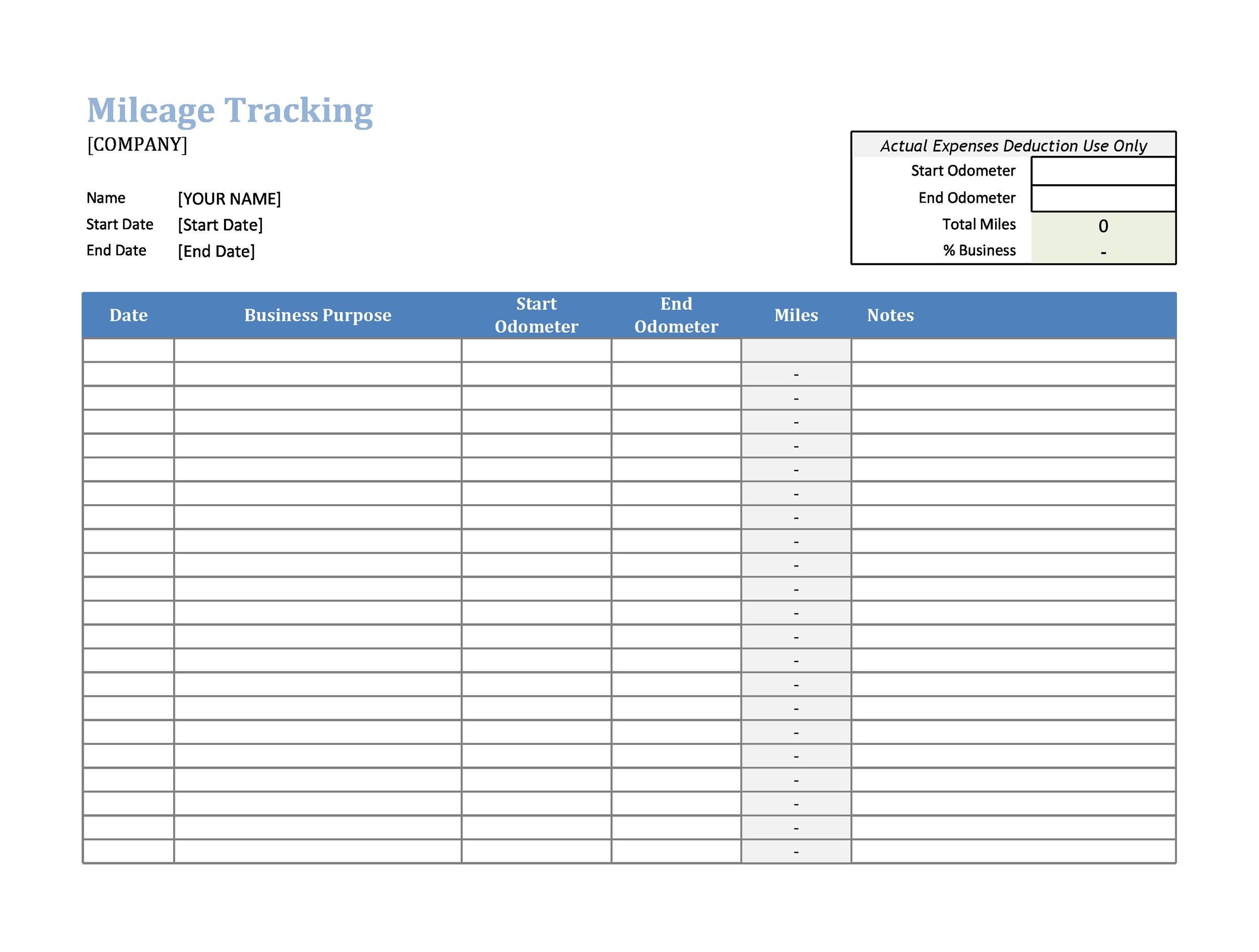
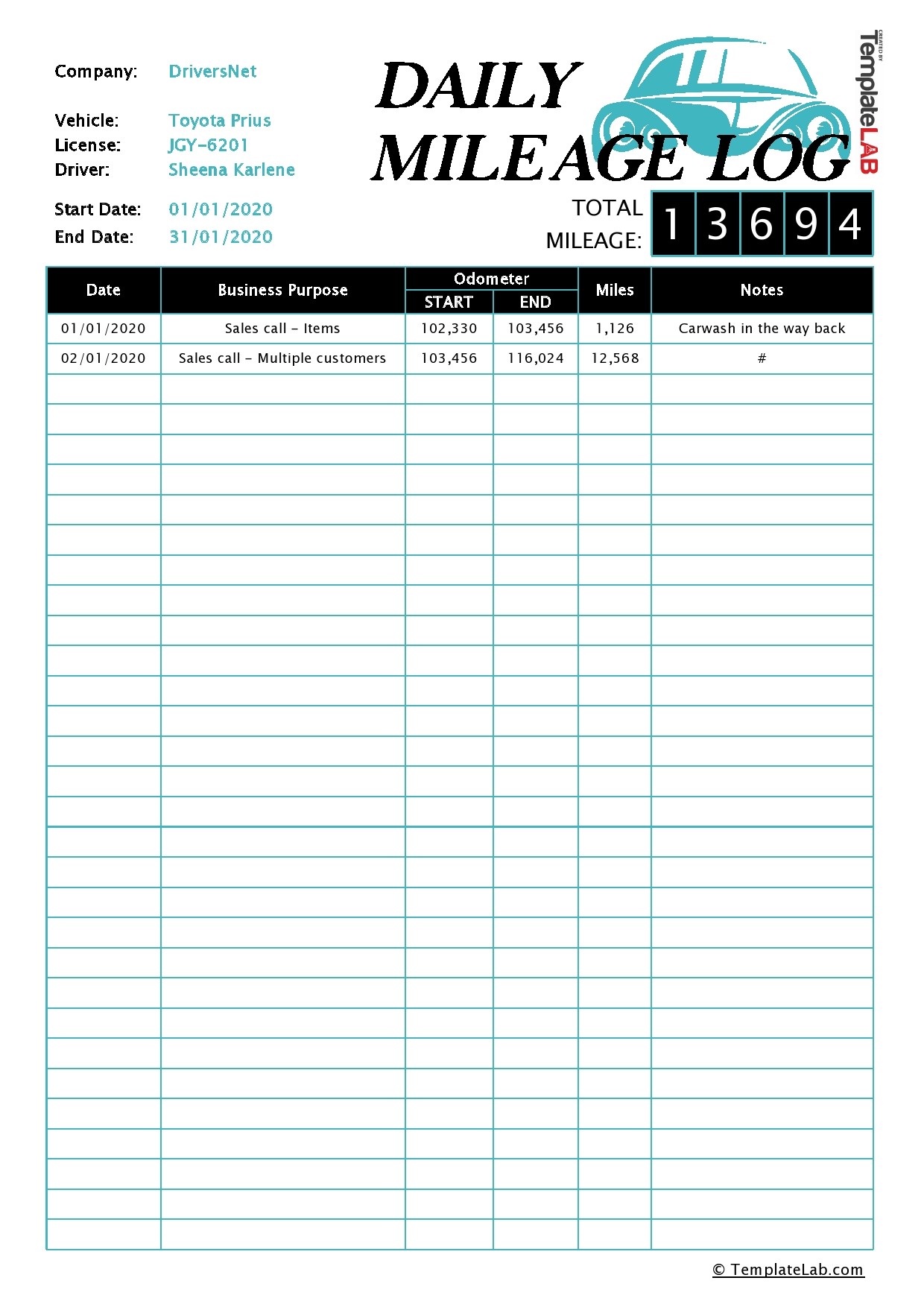
A mileage log is a detailed record of the miles traveled for a specific purpose, such as business-related travel, medical appointments, charitable activities, or moving expenses. It typically includes information such as the date of travel, starting and ending odometer readings, the purpose of the trip, and the total miles driven. Keeping an accurate mileage log is essential for documenting your mileage deductions and expenses, as well as for providing evidence in case of an audit.
Why is a Mileage Log Important?
Having a mileage log is crucial for several reasons. Firstly, if you’re a business owner or self-employed individual, keeping a mileage log allows you to accurately track your business-related mileage for tax deductions. Without a detailed record of your mileage, you may miss out on valuable deductions that could save you money. Additionally, a mileage log can serve as a helpful tool for budgeting, monitoring your travel habits, and providing proof of mileage for reimbursement purposes.
What to Include in a Mileage Log
When creating a mileage log, it’s important to include the following key information:
- Date: Record the date of the trip.
- Starting and Ending Odometer Readings: Note the starting and ending odometer readings for each trip.
- Destination: Specify the purpose or destination of the trip (e.g., client meeting, medical appointment).
- Total Miles Driven: Calculate the total number of miles driven for each trip.
- Additional Notes: Include any additional notes or details relevant to the trip.
How to Maintain a Mileage Log
Keeping an accurate mileage log requires consistency and organization. Here are some tips to help you maintain a mileage log effectively:
1. Choose a Method:
Decide whether you prefer to track your mileage manually with a paper log or electronically using a mileage tracking app. Choose a method that works best for you and stick to it consistently.
2. Record Trips Promptly:
Make a habit of recording your trips immediately after they occur to ensure accuracy and prevent forgetting important details.
3. Be Detailed:
Include all relevant information in your mileage log, such as the purpose of the trip, the starting and ending locations, and any additional expenses incurred during the trip.
4. Review Regularly:
Review your mileage log regularly to ensure accuracy and make any necessary corrections or updates. This will help you stay organized and prepared for tax season.
5. Back Up Your Data:
Keep backups of your mileage log in case of loss or damage. Consider saving electronic copies or printing physical copies for safekeeping.
6. Seek Professional Advice:
If you’re unsure about how to maintain your mileage log or have questions about deductions, consider consulting a tax professional for guidance and advice.
Tips for Successful Mileage Tracking
Tracking your mileage effectively requires diligence and attention to detail. Here are some additional tips to help you successfully keep a mileage log:
- Use a Mileage Tracking App: Consider using a mileage tracking app to automate the process and make it easier to track your mileage on the go.
- Separate Personal and Business Mileage: Keep personal and business mileage separate to avoid confusion and ensure accurate record-keeping.
- Document Regularly: Make it a habit to document your mileage consistently to avoid missing any trips or details.
- Stay Organized: Keep your mileage log organized and easy to access for quick reference and review.
- Review Periodically: Take time to review your mileage log periodically to catch any errors or discrepancies and make corrections as needed.
By following these guidelines and tips, you can effectively track your mileage and ensure that you have accurate records for tax purposes, reimbursement, or personal tracking. Remember, maintaining a mileage log is an essential practice for anyone who relies on their vehicle for work or travel, so be sure to prioritize keeping detailed and accurate records.
