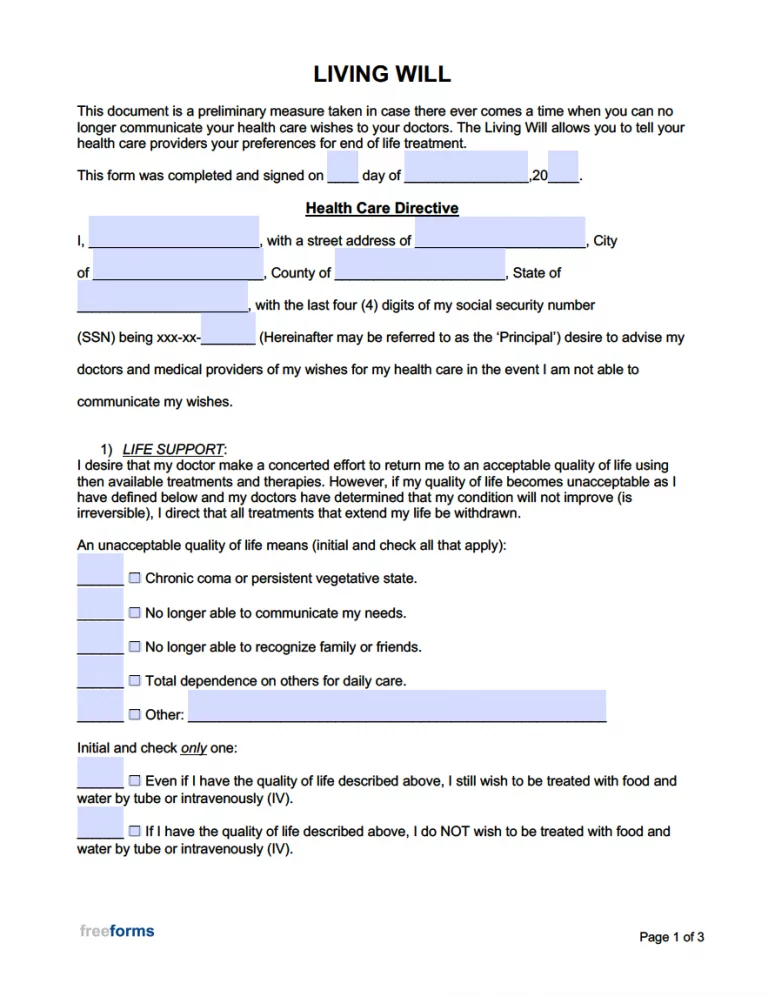
A living will form is a legal document that outlines your preferences for medical treatment in the event that you are unable to communicate your wishes. This important document can provide peace of mind for both you and your loved ones by ensuring that your wishes are followed in times of medical crisis. In this article, we will explore the what, why, and how of living will forms, as well as provide tips for successfully completing one.
What is a Living Will Form?
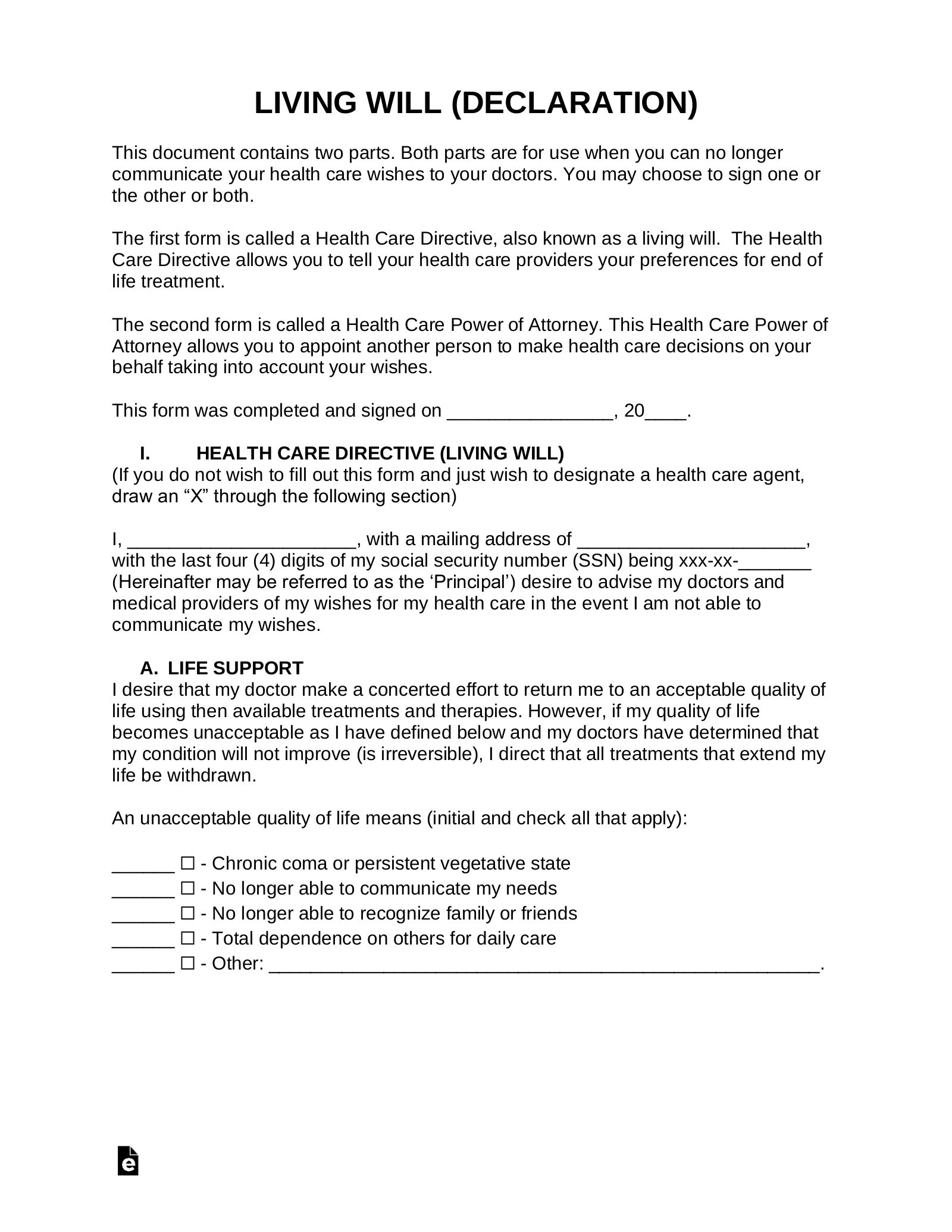
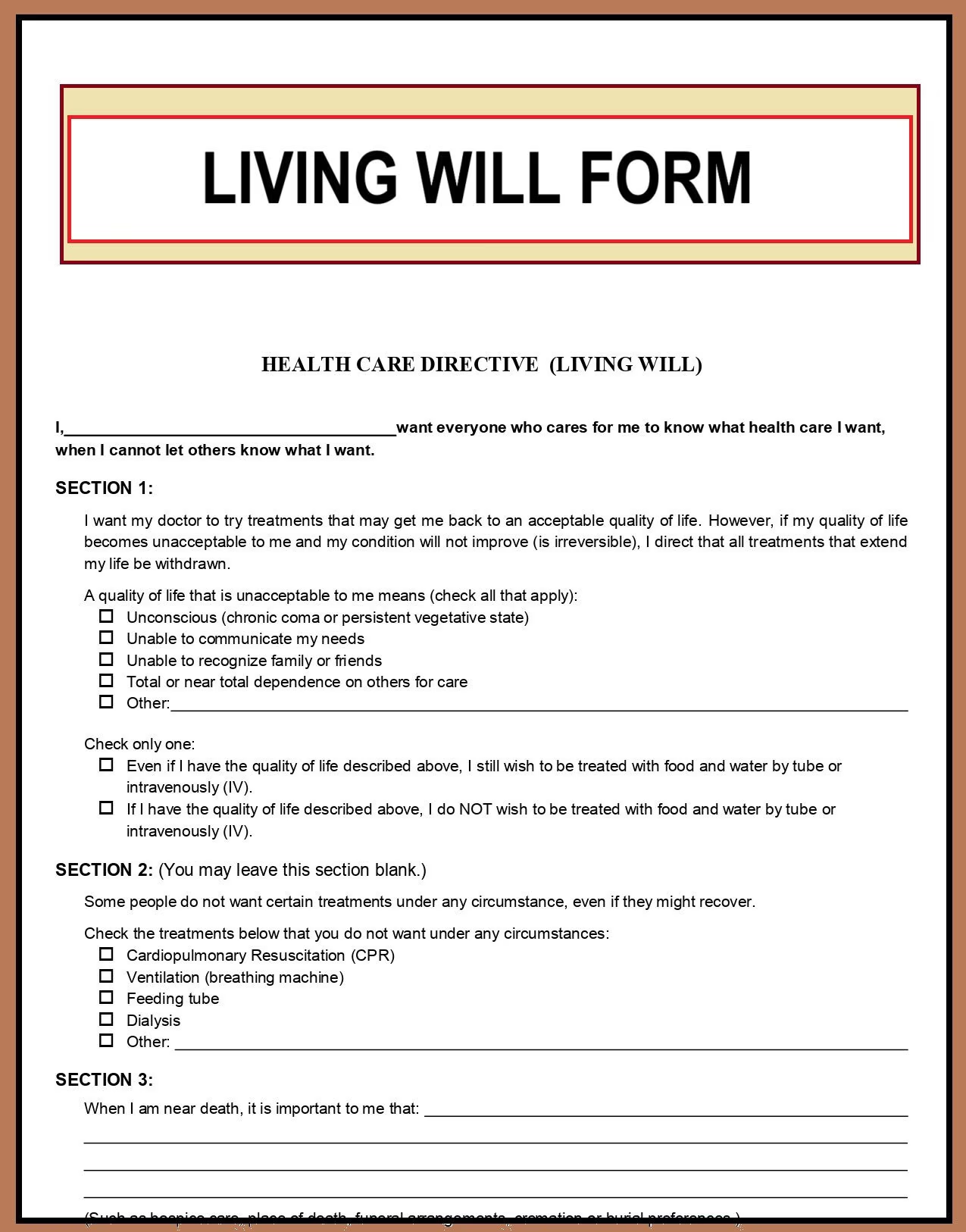
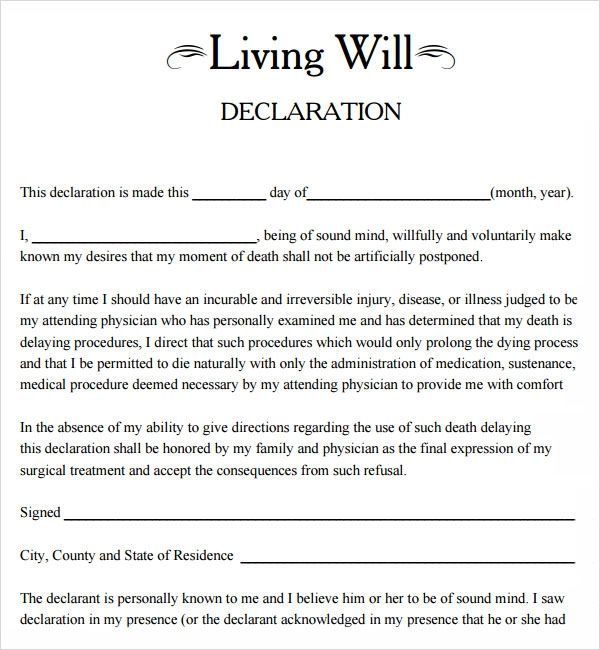
A living will form, also known as an advance directive, is a legal document that allows you to specify your wishes for medical treatment in the event that you are unable to communicate them yourself. This document typically includes instructions on the types of medical treatments you would or would not want to receive, such as life support, resuscitation, or artificial nutrition and hydration.
Creating a living will form ensures that your preferences are known and followed by healthcare providers and loved ones, reducing the burden of making difficult decisions during a medical crisis. It is important to regularly review and update your living will form to reflect any changes in your wishes or medical circumstances.
Why Create a Living Will Form?
There are several important reasons to create a living will form. Firstly, a living will allows you to have control over your medical treatment and ensure that your wishes are respected, even if you are unable to communicate them. This can provide peace of mind for both you and your loved ones, knowing that your preferences will be followed in times of medical crisis.
Additionally, creating a living will form can help to avoid disputes among family members and healthcare providers about your medical care. By clearly outlining your wishes in a legal document, you can reduce the likelihood of disagreements and ensure that your preferences are honored.
What to Include in a Living Will Form
When creating a living will form, it is important to include specific instructions about the types of medical treatments you would or would not want to receive. Some key considerations to include in your living will form are:
- Life support: Specify whether you would want to receive life-sustaining treatments, such as ventilators or feeding tubes.
- Resuscitation: Indicate whether you would want to be resuscitated in the event of cardiac arrest or respiratory failure.
- Pain management: Outline your preferences for pain relief and comfort care.
- Organ donation: Specify whether you would like to donate your organs for transplantation.
- Healthcare proxy: Designate a healthcare proxy to make medical decisions on your behalf if you are unable to do so.
- Religious or cultural preferences: Include any specific religious or cultural beliefs that may impact your medical care.
How to Create a Living Will Form
Creating a living will form is a relatively simple process that can be done without the need for an attorney. Here are the steps to create a living will form:
1. Begin by researching living will forms and advance directives specific to your state.
2. Fill out the form with your personal information, medical preferences, and healthcare proxy designation.
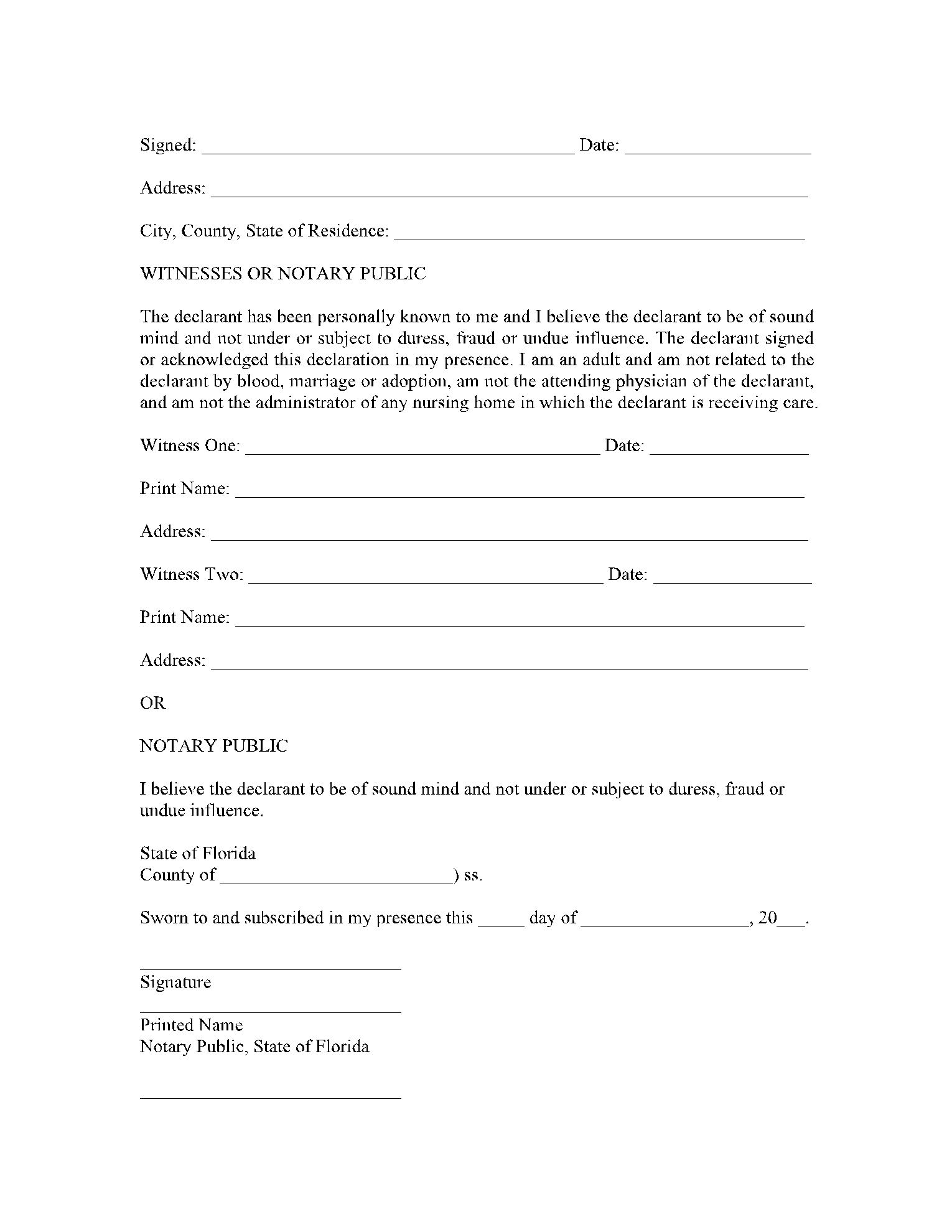
3. Sign and date the form in the presence of witnesses or a notary public.
4. Make copies of the completed form and distribute them to your healthcare providers, family members, and healthcare proxy.
5. Review and update your living will form regularly to ensure that it accurately reflects your current wishes.
Tips for Successful Living Will Forms
To ensure that your living will form is effective and accurately reflects your wishes, consider the following tips:
– Consult with your healthcare provider or an attorney if you have questions about the form or need assistance completing it.
– Discuss your medical preferences with your loved ones to ensure that they understand and support your decisions.
– Store your living will form in a safe and accessible location, such as a secure file cabinet or with your healthcare provider.
– Review and update your living will form after significant life events, such as a change in health status or the death of a healthcare proxy.
– Consider creating a durable power of attorney for healthcare in addition to your living will form to designate a trusted individual to make medical decisions on your behalf.
In conclusion, creating a living will form is an important step in planning for your future medical care. By clearly outlining your preferences for treatment in times of medical crisis, you can ensure that your wishes are respected and provide peace of mind for yourself and your loved ones. Remember to regularly review and update your living will form to ensure that it accurately reflects your current wishes and circumstances.
