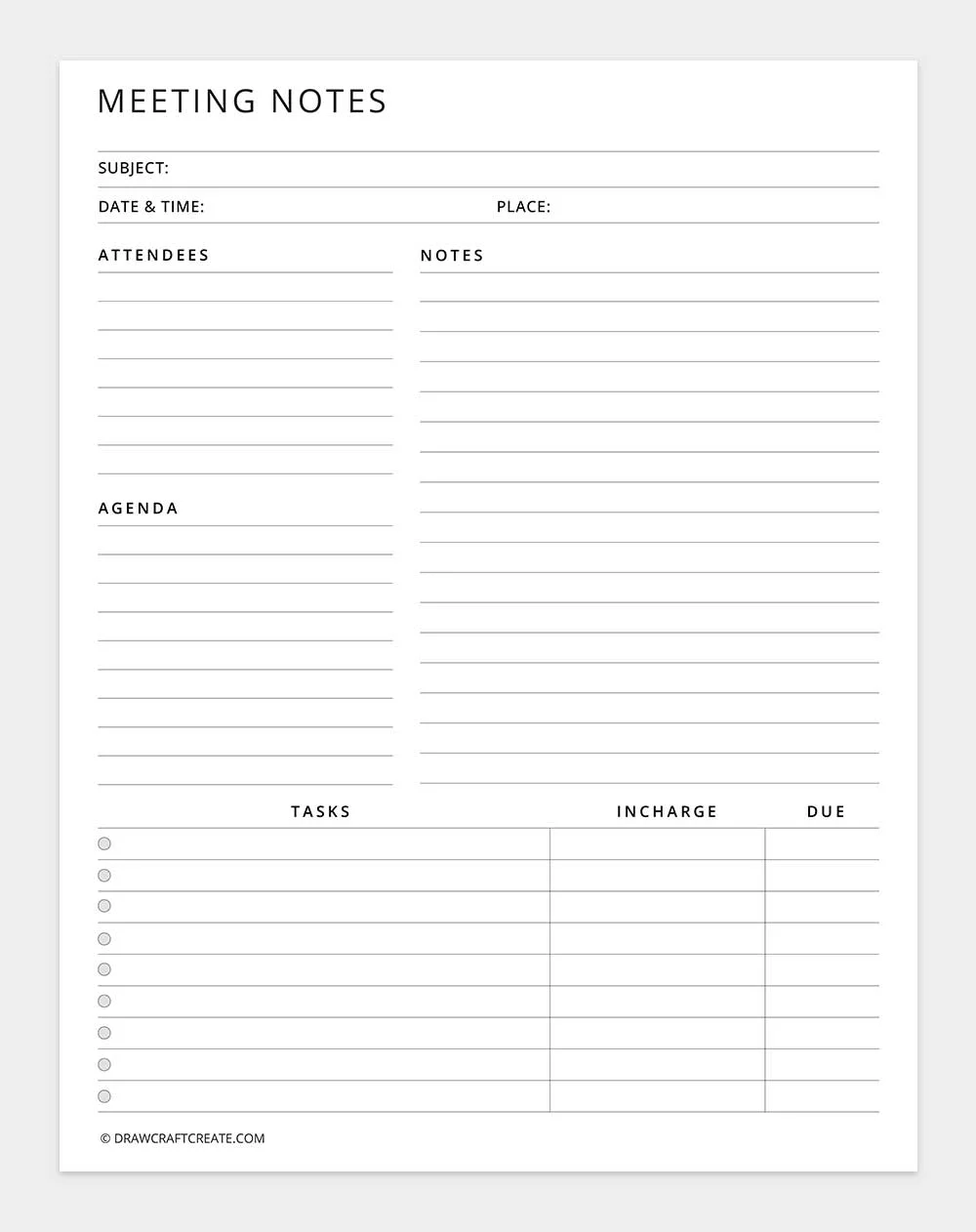
Meetings can be a vital part of any organization’s workflow, providing a platform for collaboration, decision-making, and brainstorming. However, without proper documentation, the valuable insights and action items discussed during meetings can easily be forgotten or overlooked. This is where taking effective meeting notes comes into play. In this article, we will explore what meeting notes are, why they are important, what to include in your notes, how to take effective notes, and tips for successful note-taking.
What are Meeting Notes?
Meeting notes are written records of discussions, decisions, and action items that occur during a meeting. They serve as a reference point for attendees to recall key points discussed, assignments given, and deadlines set during the meeting. Meeting notes can be handwritten or typed, depending on personal preference and the nature of the meeting.
Why are Meeting Notes Important?
Meeting notes play a crucial role in ensuring that the outcomes of a meeting are documented and actioned upon. They serve as a historical record of past meetings, providing clarity on decisions made, tasks assigned, and progress achieved. Meeting notes also help to keep attendees accountable and track the progress of action items over time.
What to Include in Your Meeting Notes
When taking meeting notes, it is important to capture the following key elements:
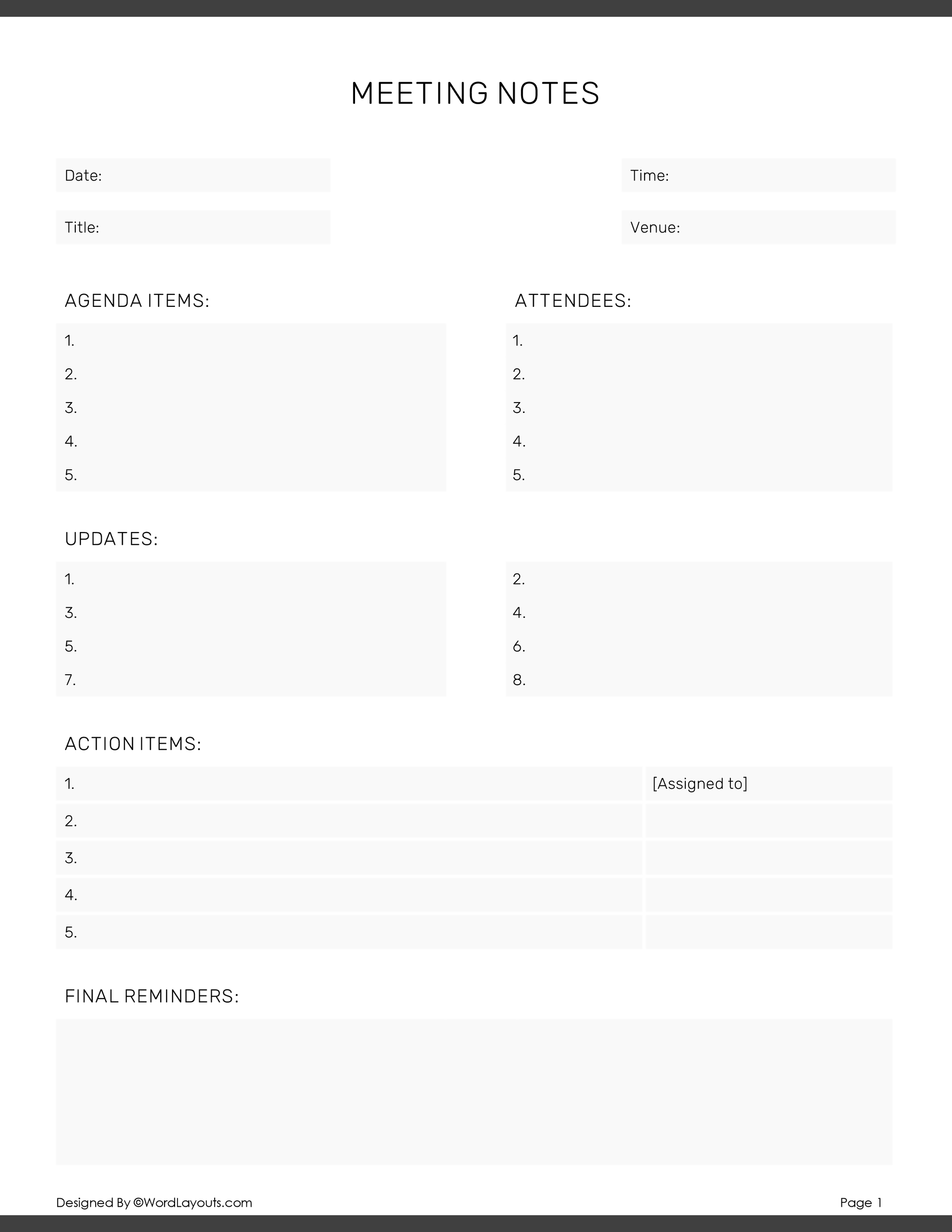
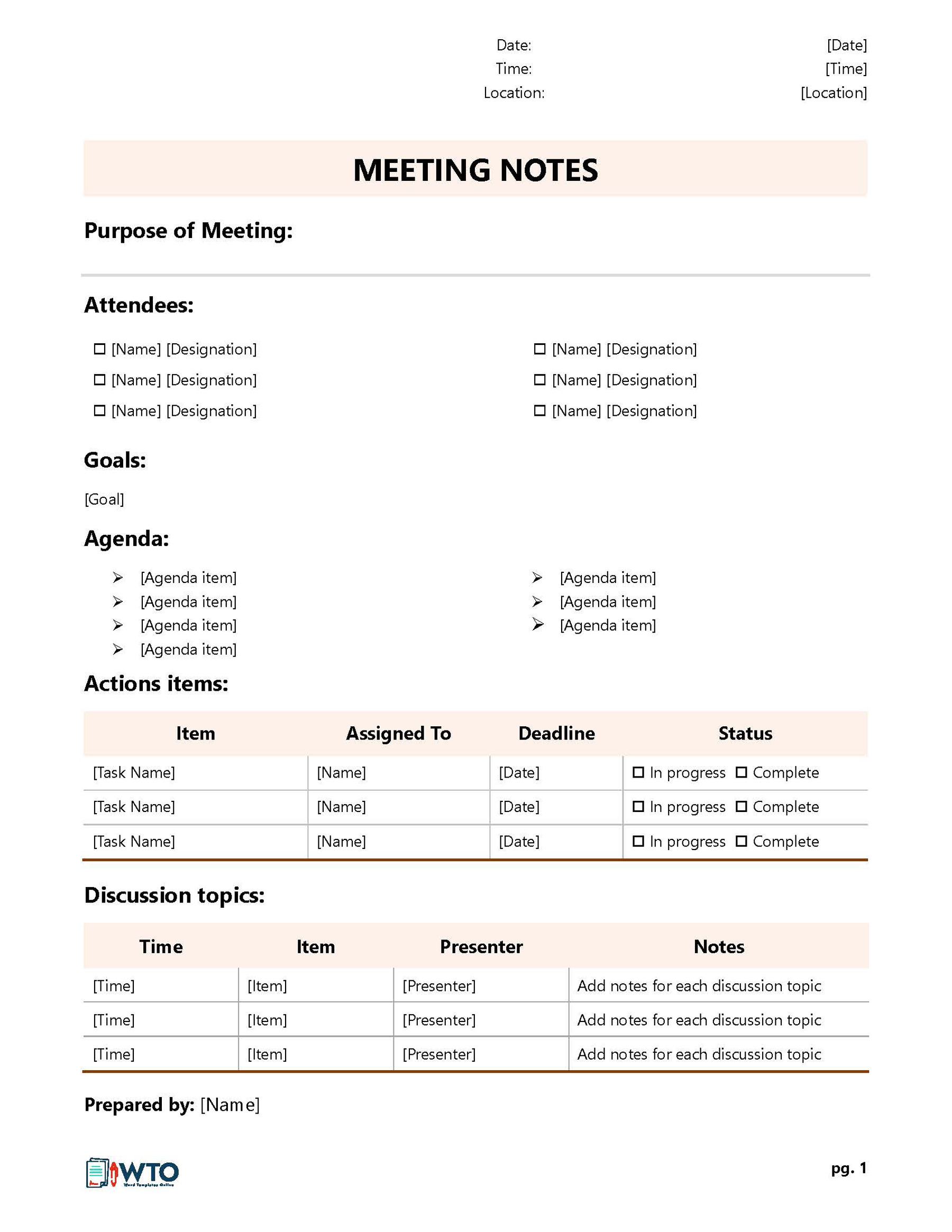
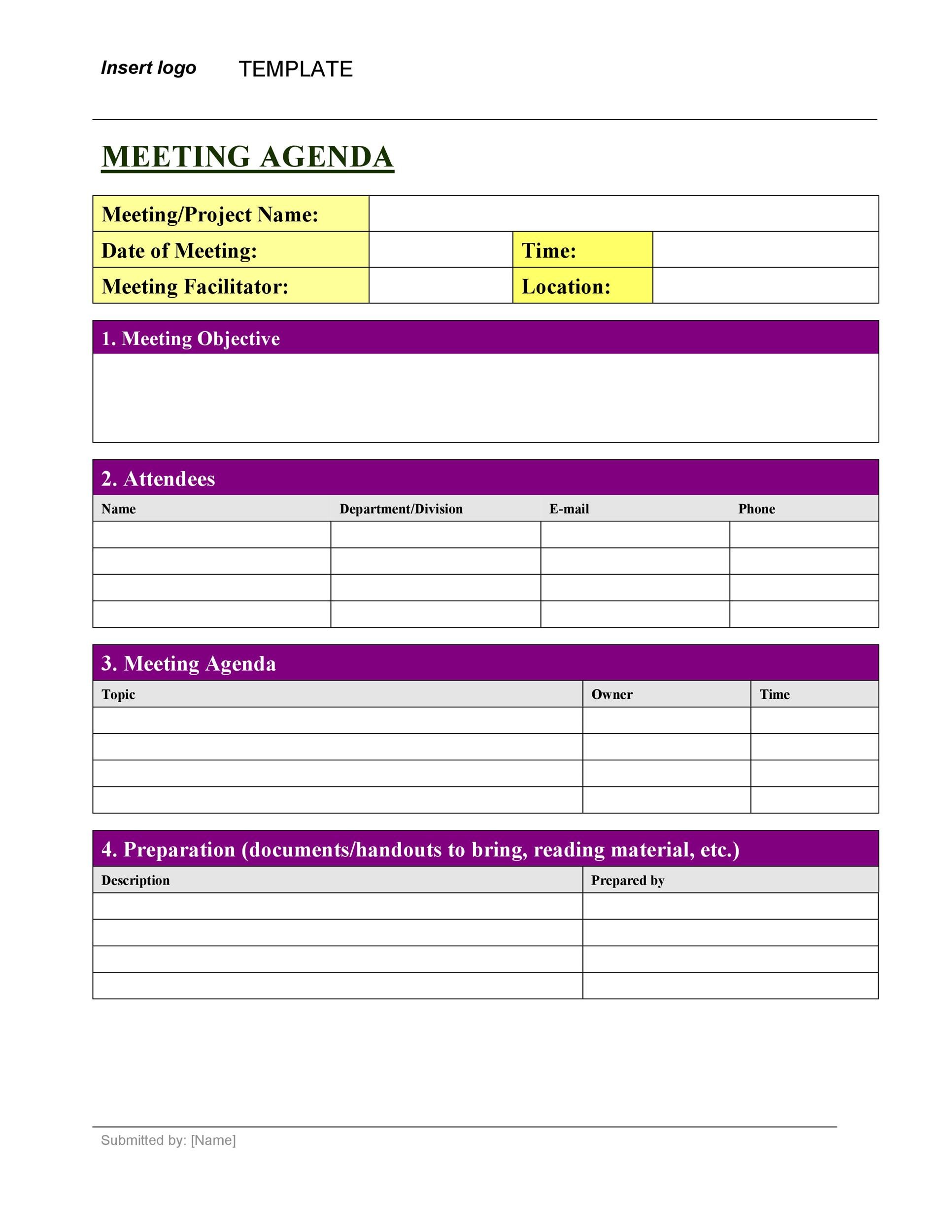
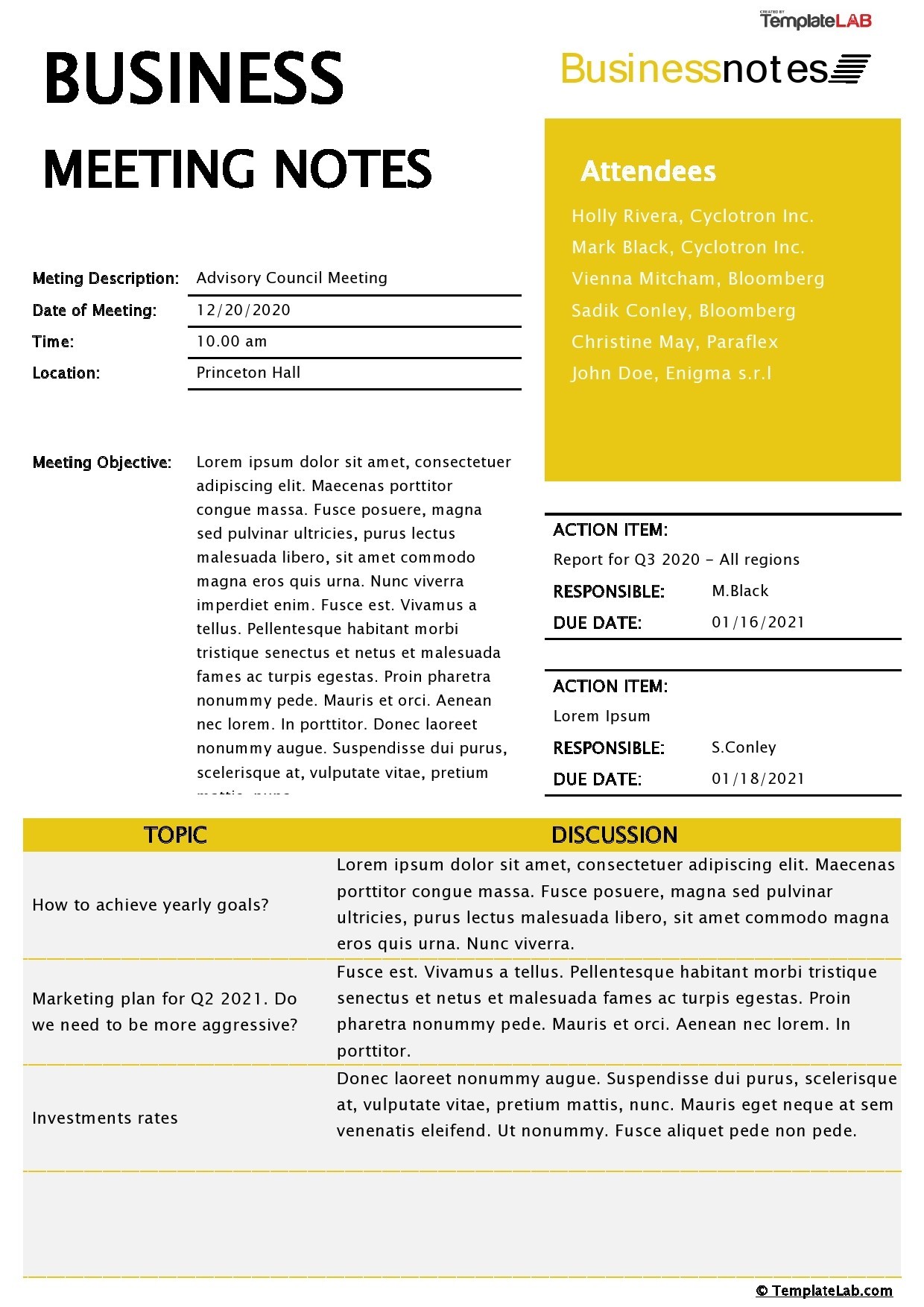
- Attendees: List the names of all attendees present at the meeting.
- Agenda Items: Record the topics discussed during the meeting in chronological order.
- Key Points: Summarize the main discussion points and decisions made during the meeting.
- Action Items: Document tasks assigned to individuals, along with deadlines and responsibilities.
- Next Steps: Outline the follow-up actions required and any pending items that need to be addressed.
- Additional Notes: Include any relevant information, ideas, or insights shared during the meeting.
How to Take Effective Meeting Notes
Effective meeting note-taking requires active listening, organization, and clarity. Here are some tips to help you take better meeting notes:
- Listen Actively: Stay focused and engaged during the meeting to capture all important points accurately.
- Use a Structured Format: Organize your notes in a clear and logical format, using headings, bullet points, and numbering for ease of reference.
- Avoid Word-for-Word Transcription: Summarize key points in your own words to save time and ensure clarity.
- Review and Edit: Take time after the meeting to review and edit your notes for accuracy and completeness.
- Share with Attendees: Distribute meeting notes to all attendees promptly to ensure everyone is on the same page.
- Use Technology: Consider using note-taking apps or software to streamline the process and keep your notes organized.
Tips for Successful Note-Taking
To make your meeting notes more effective and actionable, consider the following tips:
- Focus on Key Points: Capture the most important information and action items discussed during the meeting.
- Be Concise: Avoid unnecessary details and focus on the essential aspects of the discussion.
- Use Visual Aids: Incorporate diagrams, charts, or tables to illustrate complex concepts or relationships.
- Follow Up: Check in on action items and follow up with attendees to ensure tasks are completed on time.
- Continuous Improvement: Reflect on your note-taking process and make adjustments to improve efficiency and effectiveness over time.
