When entering into a financial agreement, it’s essential to understand the terms and conditions to protect yourself and your assets. One common type of agreement that individuals may encounter is a promissory agreement. This legal document outlines the promises made by one party to another, typically involving the repayment of a debt or loan. In this article, we will delve into the details of a promissory agreement, exploring its key elements, why it is important, and how to create a successful agreement.
What is a Promissory Agreement?
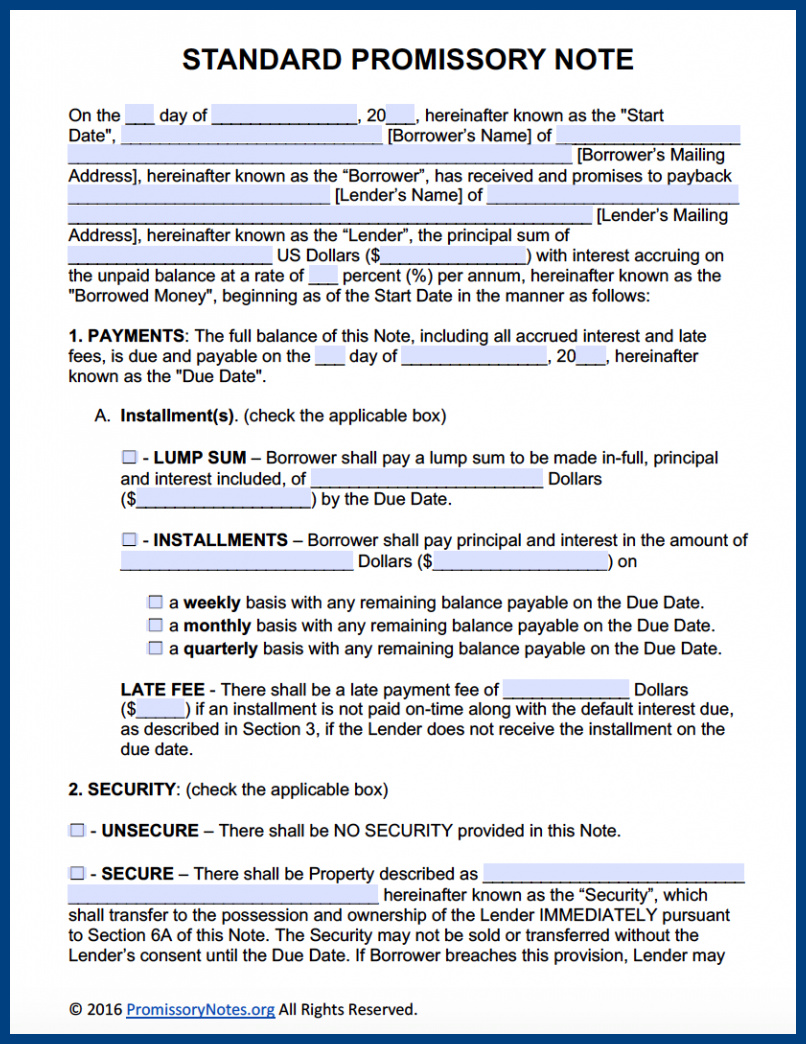
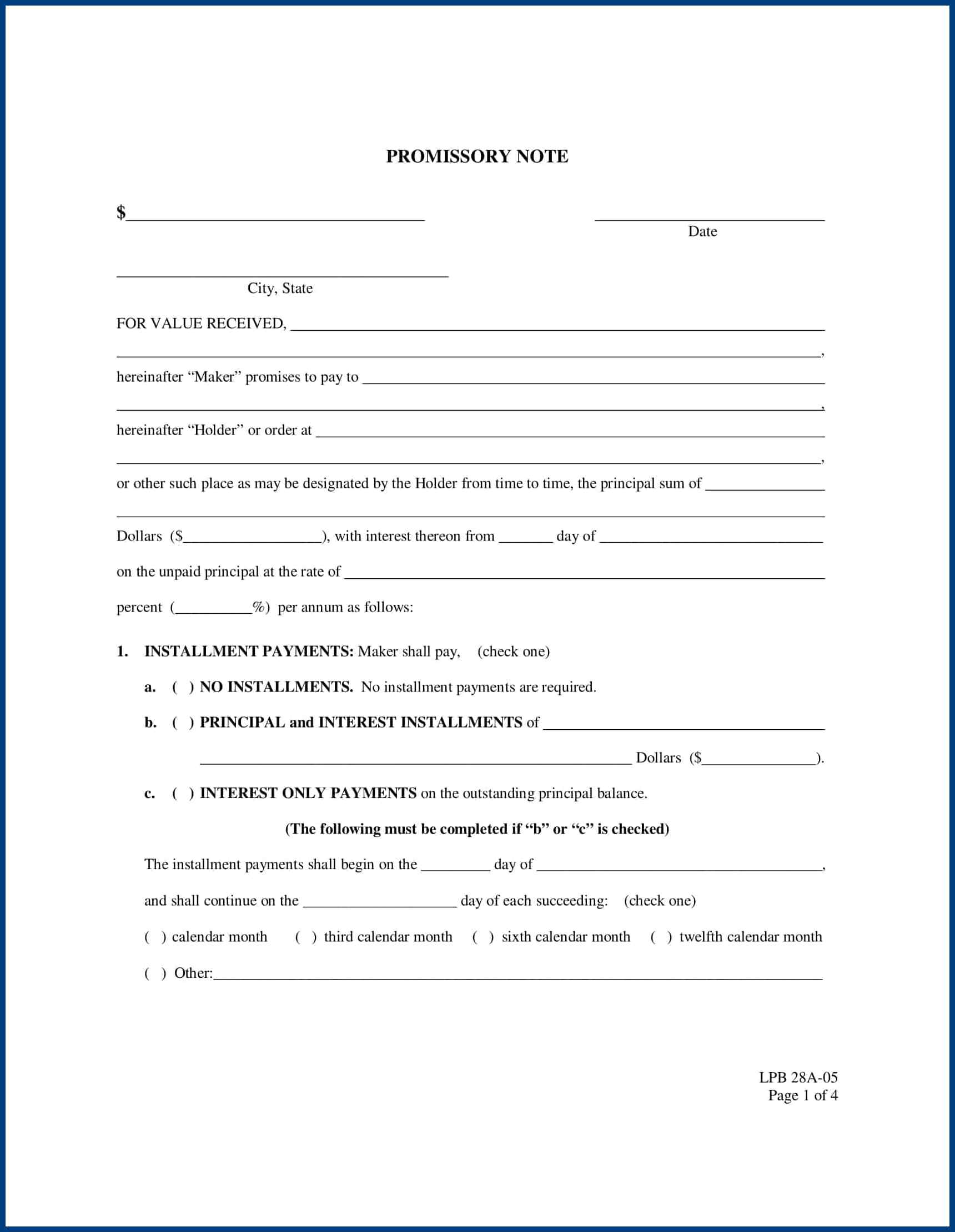
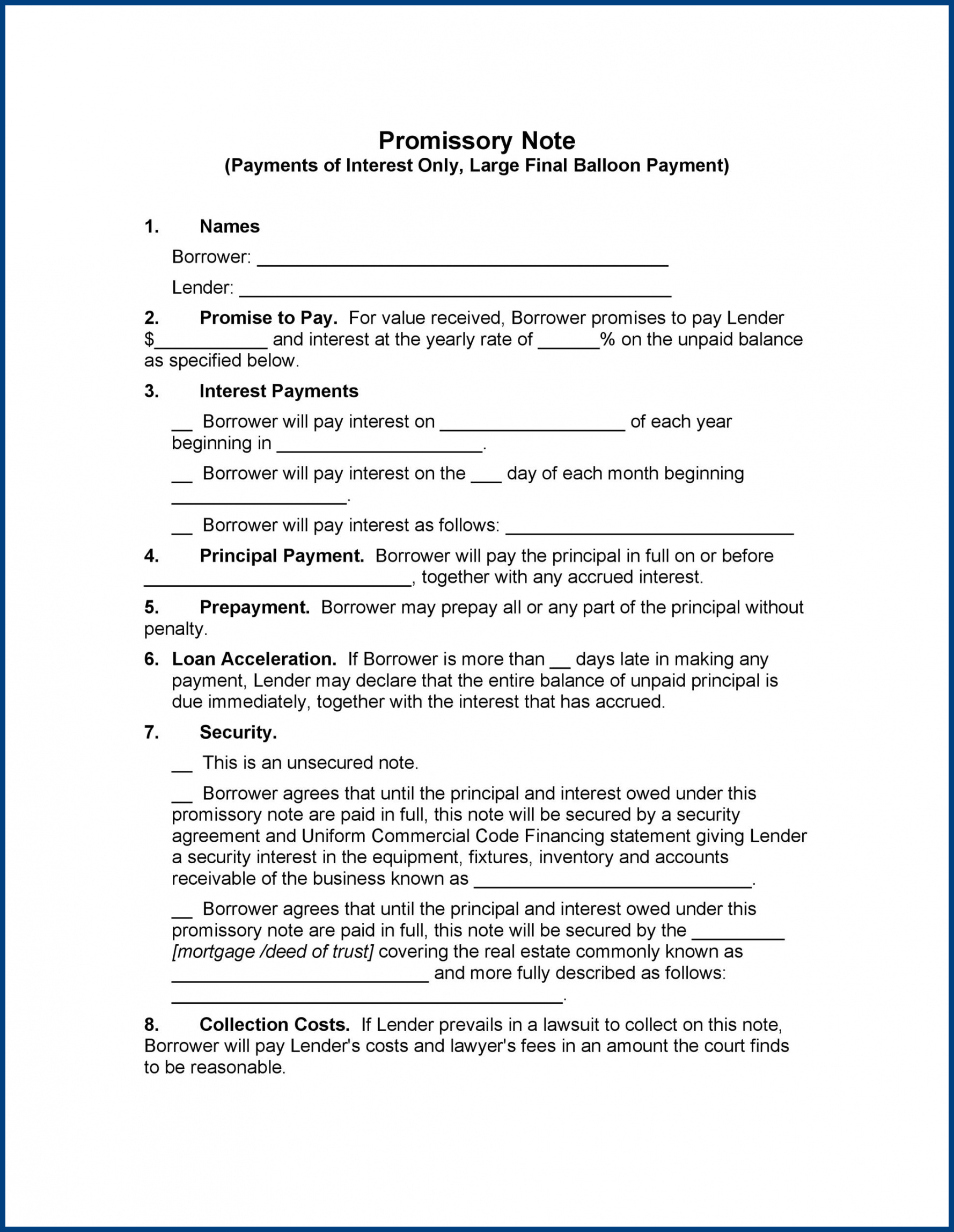
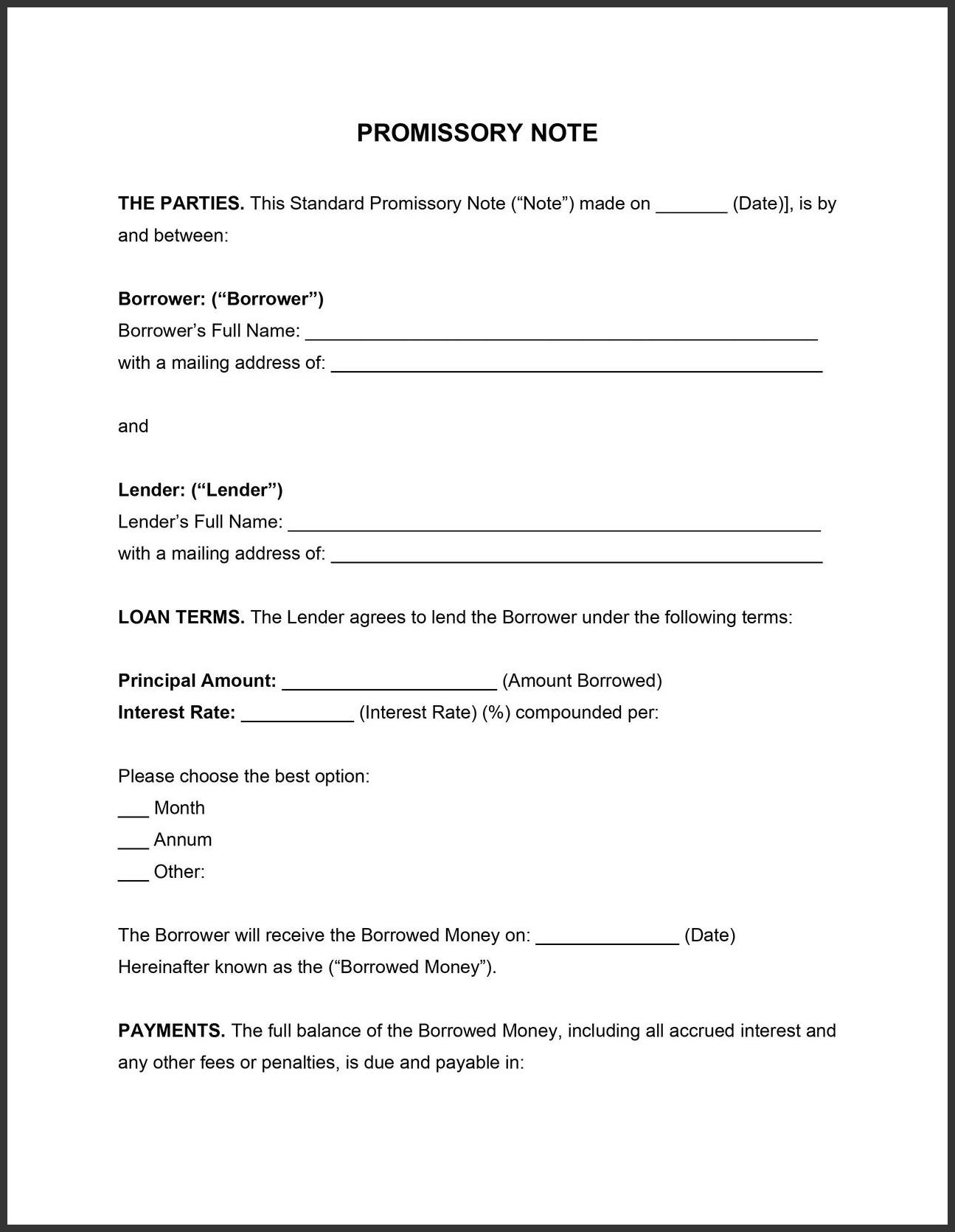
A promissory agreement, also known as a promissory note, is a legal document that outlines the terms and conditions of a promise made by one party to another. This promise typically involves the repayment of a debt or loan, detailing the amount borrowed, the interest rate (if applicable), the repayment schedule, and any other pertinent information related to the agreement. Promissory agreements are commonly used in various financial transactions, including personal loans, business loans, and real estate transactions.
Why are Promissory Agreements Important?
Promissory agreements play a crucial role in formalizing financial transactions and protecting the rights of both parties involved. By clearly outlining the terms of the agreement, including the amount borrowed, the repayment schedule, and any consequences for defaulting on the loan, promissory agreements help prevent misunderstandings and disputes that may arise in the future. Additionally, having a written agreement provides legal recourse in case the borrower fails to fulfill their obligations, allowing the lender to pursue legal action to recover the debt.
Key Elements of a Promissory Agreement
When drafting a promissory agreement, several key elements should be included to ensure the document is legally enforceable and comprehensive. These key elements may vary depending on the specific details of the agreement, but some common components to consider are:
- Parties involved. Identify the lender and borrower by their full legal names and addresses.
- Loan amount. Clearly state the amount of money borrowed by the borrower.
- Repayment terms. Outline the repayment schedule, including the frequency of payments and the due dates.
- Interest rate. Specify whether the loan accrues interest and the rate at which it is calculated.
- Collateral. If the loan is secured, describe the collateral provided by the borrower to secure the debt.
- Default consequences. Detail the consequences of defaulting on the loan, such as late fees or legal actions.
- Signatures. Both parties should sign and date the agreement to indicate their acceptance of the terms.
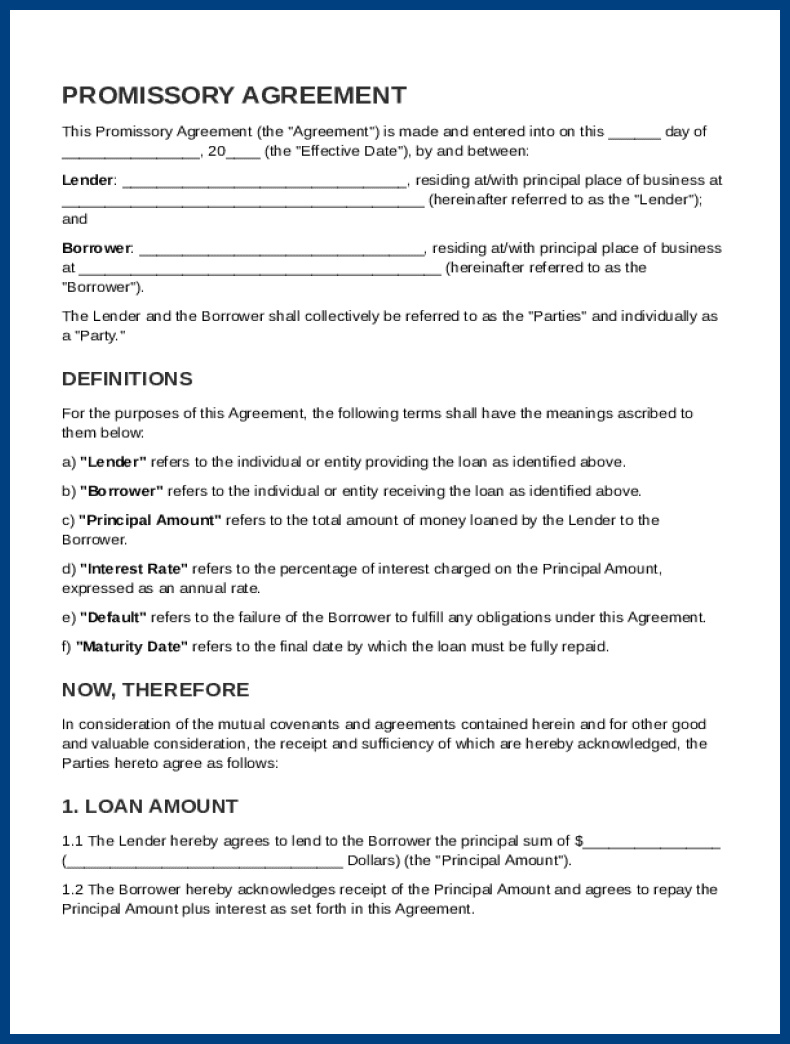
How to Create a Promissory Agreement
Creating a promissory agreement doesn’t have to be a daunting task. By following these steps, you can draft a comprehensive and legally binding document that protects your interests:
1. Determine the terms
Decide on the loan amount, interest rate, repayment schedule, and any other terms that should be included in the agreement.
2. Write the agreement
Use clear and concise language to draft the agreement, ensuring that all key elements are included and easily understood by both parties.
3. Consult a legal professional
If you’re unsure about any aspect of the agreement or want to ensure its legality, consider seeking advice from a lawyer or legal expert.
4. Review and revise
Before finalizing the agreement, review it carefully to identify any errors or omissions that need to be corrected.
5. Sign and notarize
Once both parties are satisfied with the terms, sign the agreement in the presence of a notary public to make it legally binding.
6. Keep a copy
Make sure to keep a copy of the signed agreement for your records, and provide a copy to the other party for their reference.
7. Follow the terms
It’s essential to adhere to the terms of the agreement to maintain a good relationship with the other party and avoid any potential legal issues.
Tips for Successful Promissory Agreements
To ensure a successful promissory agreement, consider the following tips:
- Be clear and specific. Clearly outline all terms and conditions to avoid misunderstandings.
- Seek legal advice. Consult with a legal professional to ensure the agreement is legally enforceable.
- Communicate openly. Maintain open communication with the other party throughout the duration of the agreement.
- Keep detailed records. Document all payments and communications related to the agreement for future reference.
- Address issues promptly. If any issues arise, address them promptly to prevent further complications.
By understanding the importance of promissory agreements and following these guidelines, you can create a strong and enforceable agreement that protects your interests and fosters positive relationships with the other party involved.
