Financial agreements are a crucial aspect of managing your finances and ensuring a stable financial future. Whether you’re entering into a partnership, getting married, or simply looking to protect your assets, having a clear and comprehensive financial agreement in place can provide peace of mind and clarity in uncertain times.
In this article, we will explore the ins and outs of financial agreements, why they are important, what to include in them, how to create one, and provide some tips for making the process smoother.
What is a Financial Agreement?
A financial agreement, also known as a prenuptial agreement or a cohabitation agreement, is a legal document that outlines how assets, debts, and income will be managed in the event of a separation, divorce, or death. This agreement can cover a wide range of financial matters, including property division, spousal support, and child custody arrangements. By setting out these terms in advance, both parties can avoid costly and lengthy legal battles down the road.
Why Do You Need a Financial Agreement?
There are several reasons why having a financial agreement is important:
- Asset Protection: A financial agreement can help protect your assets in the event of a breakup or divorce.
- Clarity and Transparency: Having a clear and transparent financial agreement can prevent misunderstandings and disputes in the future.
- Peace of Mind: Knowing that your financial matters are taken care of can provide peace of mind and security.
- Legal Protection: A financial agreement can provide legal protection in case of a dispute or disagreement.
What to Include in a Financial Agreement
When creating a financial agreement, several key elements should be included:
- Identification of Parties: Clearly identify the parties involved in the agreement.
- Asset and Debt Division: Detail how assets and debts will be divided in case of a separation.
- Income and Expenses: Outline how income and expenses will be managed during the relationship.
- Spousal Support: Specify any arrangements for spousal support or alimony.
- Child Custody and Support: Address any arrangements for child custody and support, if applicable.
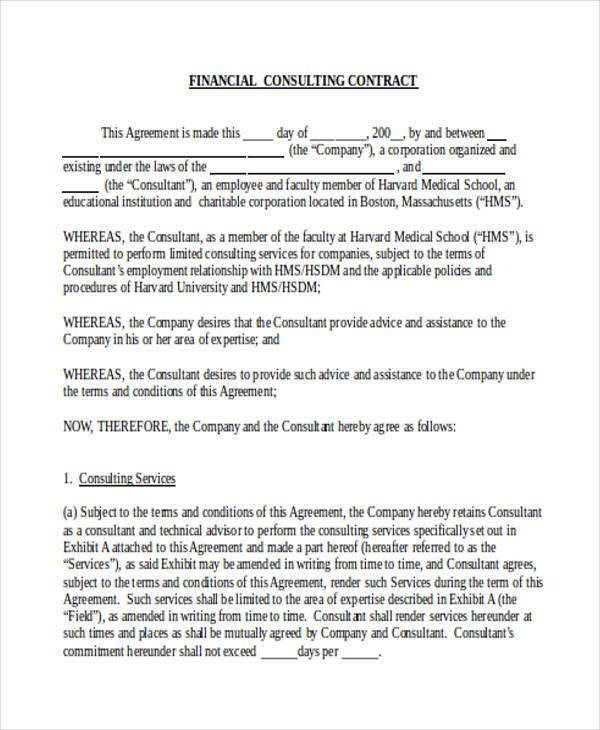
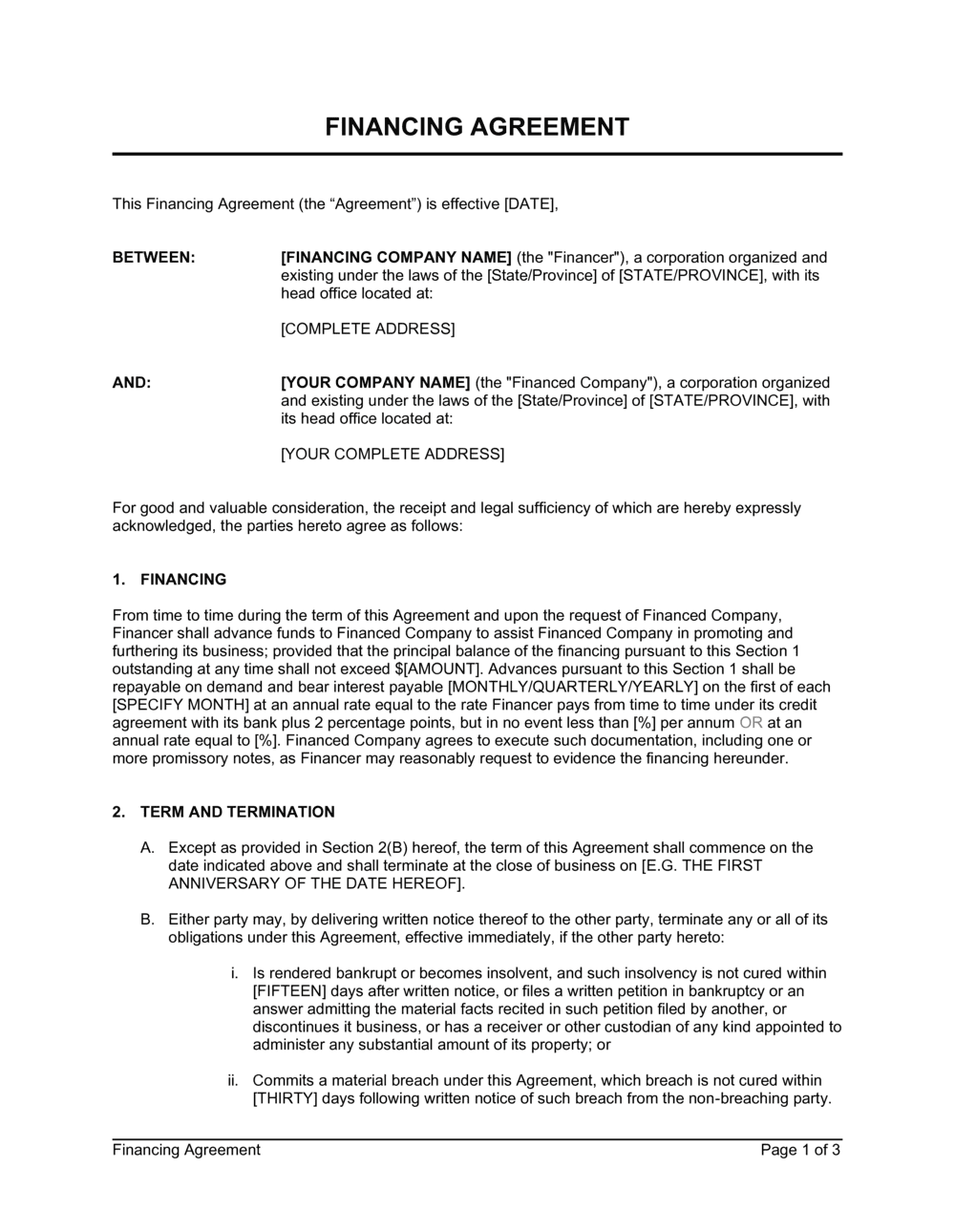
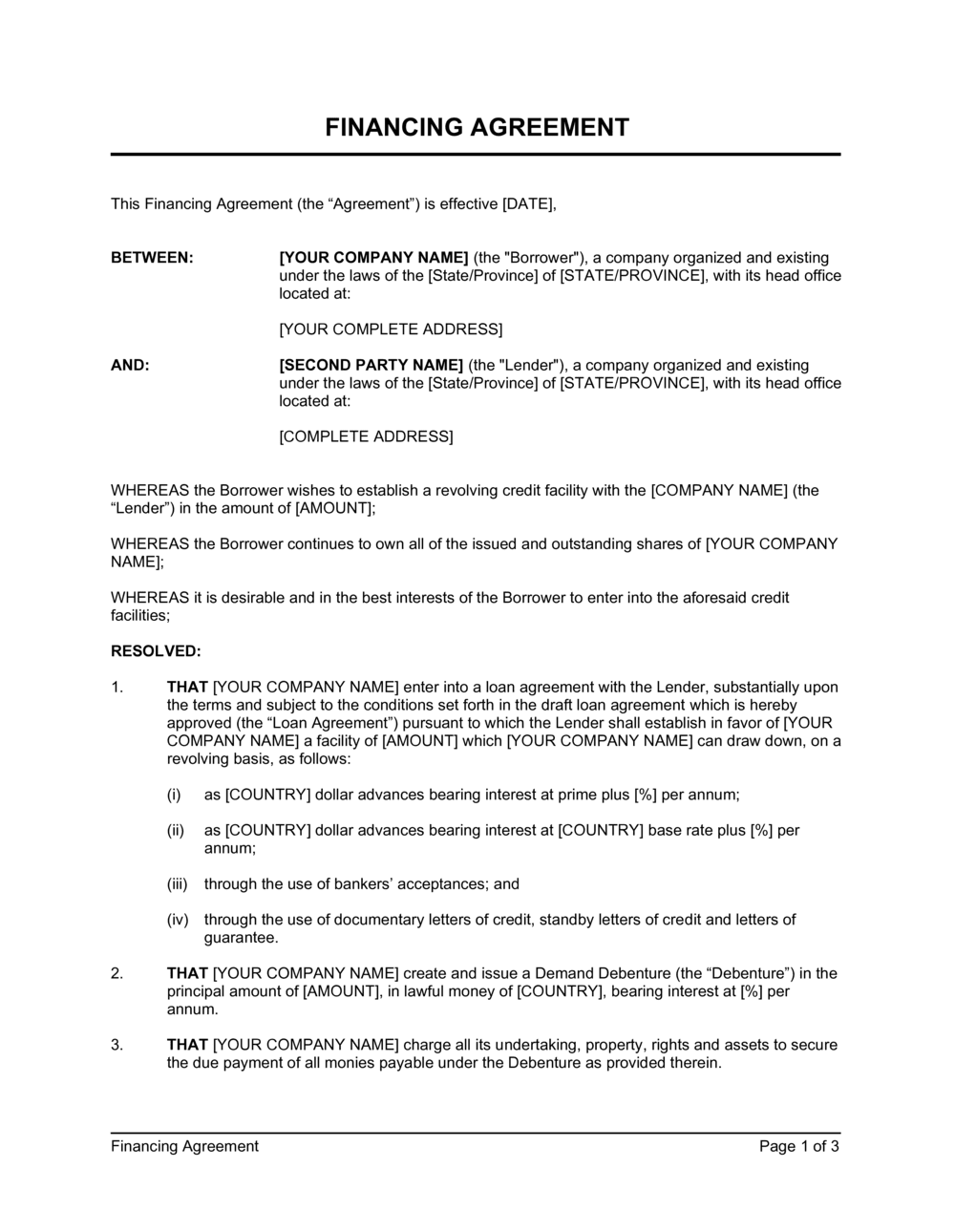
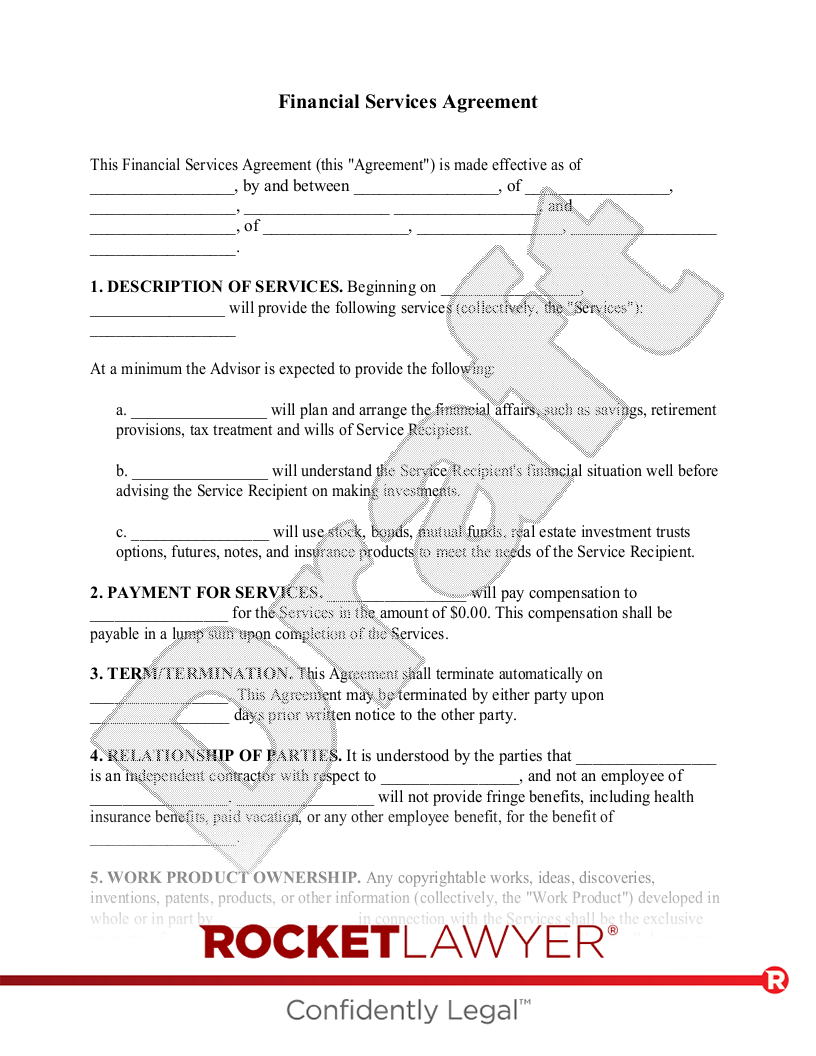
Examples
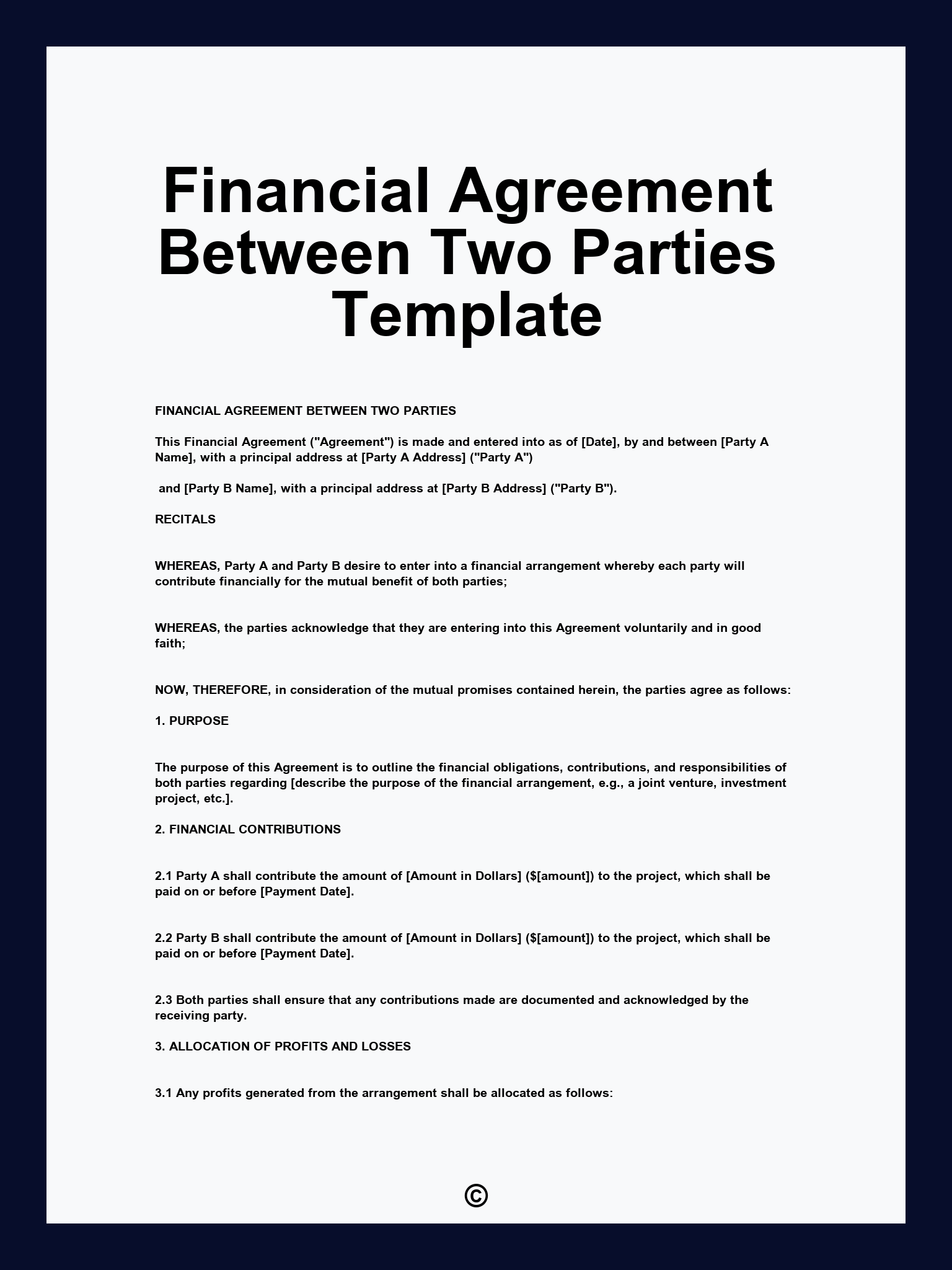
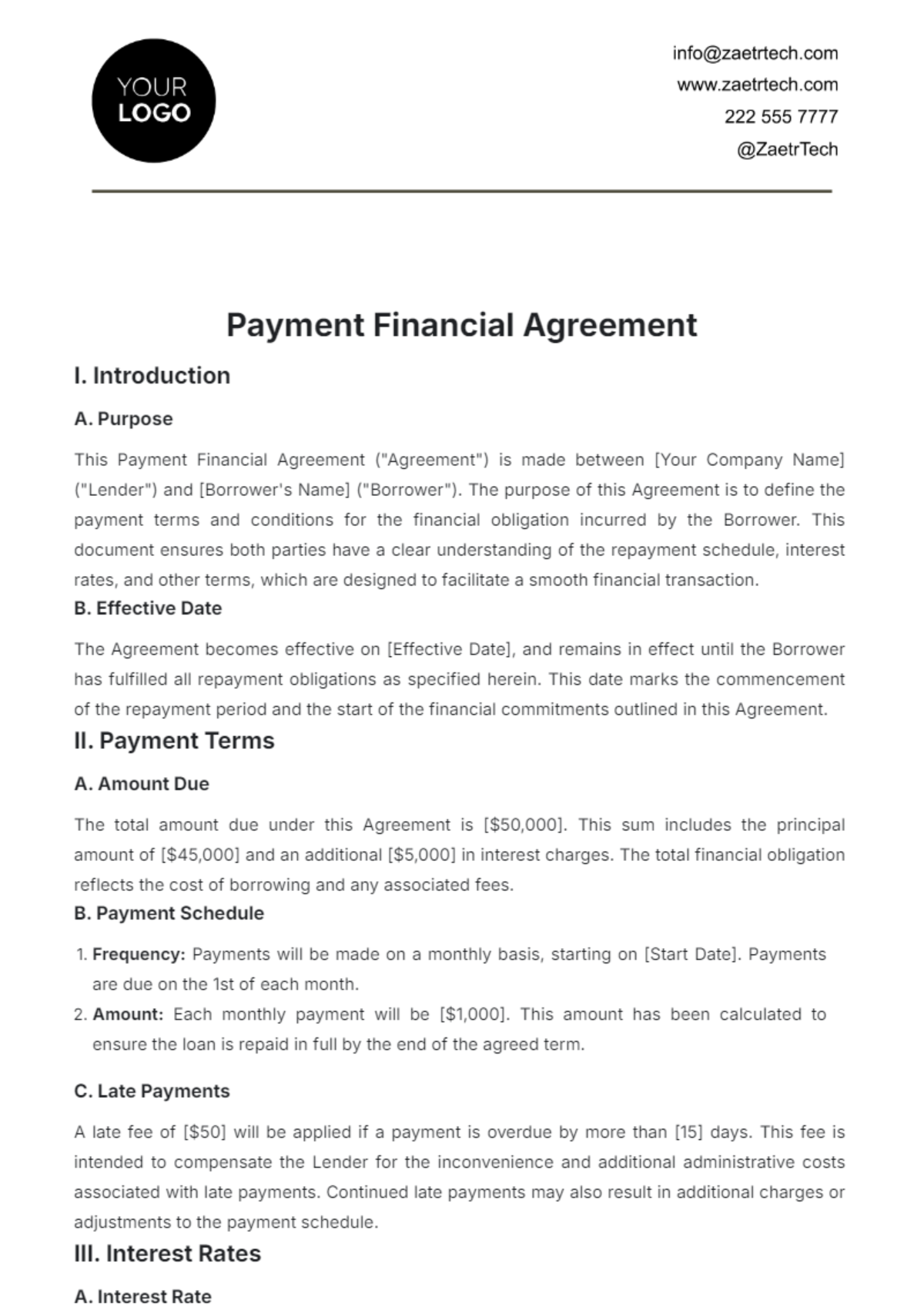

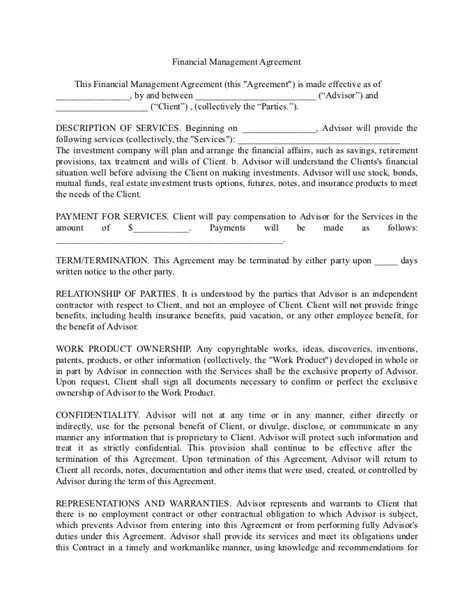

How to Create a Financial Agreement
Creating a financial agreement can be a complex process, but with the right guidance, it can be done effectively. Here are some steps to help you create a solid financial agreement:
1. Seek Legal Advice
It’s important to seek legal advice from a qualified attorney who specializes in family law to ensure that your financial agreement is legally binding and meets all necessary requirements.
2. Be Transparent
Both parties should be open and honest about their financial situation and disclose all assets, debts, and income to create a fair and equitable agreement.
3. Negotiate Terms
Work together to negotiate the terms of the agreement and ensure that both parties’ interests are represented and protected.
4. Review and Revise
Review the agreement carefully with your attorney and make any necessary revisions to ensure that it accurately reflects your wishes and intentions.
5. Sign and Execute
Once both parties are satisfied with the terms of the agreement, sign and execute the document in the presence of witnesses to make it legally binding.
Tips for Creating a Financial Agreement
Here are some tips to help you navigate the process of creating a financial agreement:
- Start Early: It’s best to create a financial agreement before any issues arise to prevent conflicts down the road.
- Communicate Effectively: Open and honest communication is key to creating a successful financial agreement.
- Get Professional Help: Consulting with a lawyer or financial advisor can help you navigate the legal and financial aspects of the agreement.
- Review Regularly: It’s important to review and update your financial agreement periodically to reflect any changes in your circumstances.
By following these guidelines and seeking the necessary professional advice, you can create a solid financial agreement that protects your interests and provides clarity for the future.
