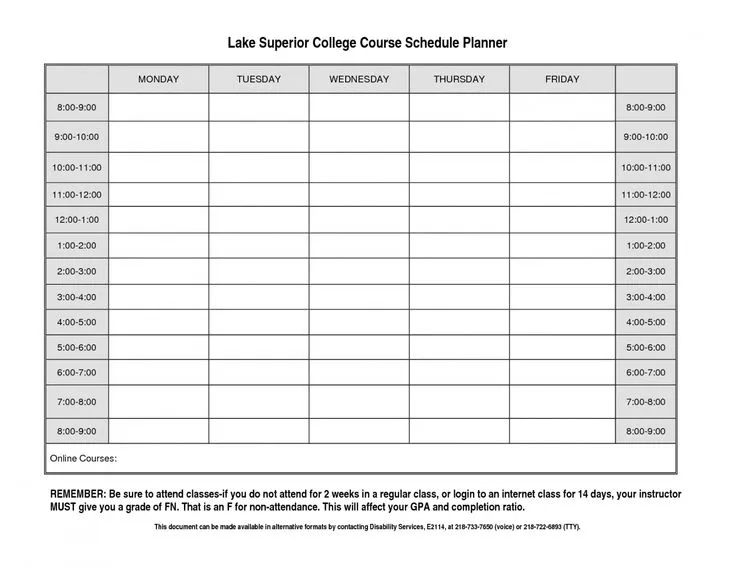
Course schedules serve as the backbone of academic success, providing a roadmap for students and instructors to navigate the complexities of coursework effectively. By offering a clear structure and timeline for the learning process, course schedules play a crucial role in promoting organization, effective time management, and achieving goals.
Understanding the significance of course schedules can help both students and instructors maximize their educational experience and create a harmonious and productive learning environment.
What is a Course Schedule?
A course schedule is a detailed plan that outlines the sequence of topics, assignments, and deadlines for a specific course. It serves as a blueprint for both students and instructors, guiding them through the learning process and ensuring that all essential course components are covered within a specified timeframe.
Course schedules typically include information such as class dates, assignment due dates, exam dates, reading materials, and any other pertinent details related to the course.
Why Course Schedules are Important?
The importance of course schedules cannot be overstated, as they play a crucial role in shaping the learning experience for both students and instructors.
Benefits of Course Schedules for Students
One of the key benefits of course schedules for students is that they help alleviate stress and anxiety related to coursework. By breaking down the course into manageable tasks and providing clear deadlines, course schedules give students a sense of control over their academic responsibilities and reduce the likelihood of procrastination or last-minute cramming.
Additionally, course schedules promote consistency and routine in students’ study habits. By following a structured plan that outlines when and how to engage with course material, students can establish a regular study routine that enhances retention and comprehension of the material.
Moreover, course schedules facilitate effective time management for students, enabling them to allocate their time wisely among various academic, personal, and extracurricular activities. By having a clear roadmap of their academic commitments, students can prioritize their tasks, set realistic goals, and make progress towards achieving their academic objectives.
Furthermore, course schedules promote accountability and self-discipline among students. By adhering to the deadlines and requirements outlined in the schedule, students develop a sense of responsibility for their own learning and academic success, fostering a growth mindset and a commitment to continuous improvement.
Benefits of Course Schedules for Instructors
Course schedules are equally valuable for instructors, providing a framework for planning, organizing, and delivering course content effectively. By following a well-structured schedule, instructors can ensure that all essential topics are covered, learning objectives are met, and assessments are aligned with course expectations.
One of the primary benefits of course schedules for instructors is that they help manage workload and time constraints. By mapping out the course content in advance and setting clear deadlines for assignments and assessments, instructors can avoid last-minute scrambling and ensure that they have ample time to prepare and deliver quality instruction.
Additionally, course schedules aid in maintaining consistency and coherence in the learning experience. By following a consistent schedule that outlines the sequence of topics and activities, instructors can create a cohesive and engaging learning environment that supports student comprehension and retention of the material.
Moreover, course schedules can help instructors identify potential bottlenecks or gaps in the curriculum and make adjustments as needed. By reviewing the schedule regularly and soliciting feedback from students, instructors can refine their teaching strategies, update course content, and address any challenges that may arise throughout the course.
Furthermore, course schedules facilitate communication and transparency between instructors and students. By sharing the schedule with students at the beginning of the course and providing regular updates as needed, instructors can keep students informed about course expectations, deadlines, and any changes that may occur, fostering a sense of trust and collaboration in the learning process.
What to Include in a Course Schedule?
When creating a course schedule, it is essential to include various elements that provide students and instructors with a comprehensive overview of the course structure and expectations. By including specific details such as course objectives, topics to be covered, assignments, readings, class schedule, office hours, grading policy, and important dates, the course schedule can serve as a valuable resource for guiding both teaching and learning activities.
Course Objectives
Course objectives are a critical component of the course schedule, as they define the intended learning outcomes and goals of the course. By clearly articulating the knowledge, skills, and competencies that students are expected to achieve by the end of the course, instructors can align the course content, assignments, and assessments with these objectives and provide students with a roadmap for their learning journey.
When including course objectives in the schedule, it is essential to make them specific, measurable, achievable, relevant, and time-bound (SMART). This ensures that objectives are clear, actionable, and aligned with the overall purpose of the course, enabling students to track their progress and assess their performance against predetermined criteria.
Course objectives should be communicated to students at the beginning of the course and revisited throughout the semester to reinforce their importance and relevance. By emphasizing the connection between course objectives and course activities, instructors can motivate students to engage with the material actively and strive towards achieving the desired learning outcomes.
Topics to be Covered
Listing the topics to be covered in the course schedule provides students with a roadmap of the key concepts, theories, and principles that will be explored throughout the semester. By outlining the sequence of topics and subtopics logically and coherently, instructors can help students build upon their existing knowledge and develop a deeper understanding of the subject matter.
When selecting topics to include in the course schedule, instructors should consider the relevance, complexity, and scope of each topic in relation to the course objectives and learning outcomes. By balancing foundational concepts with more advanced or specialized topics, instructors can create a well-rounded curriculum that meets the diverse needs and interests of students.
Moreover, including a brief description or overview of each topic in the course schedule can help students anticipate the content and prepare accordingly. By providing context and background information for each topic, instructors can enhance student comprehension and engagement with the material, fostering a deeper level of learning and critical thinking.
Assignments
Assignments are an essential component of the course schedule, as they provide students with opportunities to apply their knowledge, demonstrate their skills, and receive feedback on their progress. By specifying the type of assignments, their requirements, and deadlines in the schedule, instructors can guide students through the process of completing and submitting assignments effectively.
When including assignments in the course schedule, it is important to align them with the course objectives and learning outcomes to ensure that they contribute to the overall goals of the course. Assignments should be designed to assess students’ understanding of the material, promote critical thinking and analysis, and encourage creativity and originality in their work.
Furthermore, instructors should consider the variety and frequency of assignments included in the schedule to provide students with a balanced and engaging learning experience. By incorporating a mix of individual and group assignments, written and practical assignments, and formative and summative assessments, instructors can cater to different learning styles and preferences among students.
Readings and Resources
Providing a list of required readings, textbooks, and online resources in the course schedule helps students access supplementary materials that support their learning goals and objectives. By directing students to relevant sources of information, instructors can enhance the depth and breadth of their understanding of the course material and encourage independent research and exploration.
When selecting readings and resources to include in the course schedule, instructors should consider the accessibility, relevance, and credibility of the materials to ensure that they align with the course objectives and contribute to student learning. By curating a diverse and inclusive list of resources, instructors can accommodate different learning styles, preferences, and backgrounds
Moreover, instructors should provide guidance on how to engage with the readings and resources effectively, such as highlighting key concepts, posing critical questions, or suggesting further research or discussion topics. By offering strategies for reading and analyzing the materials, instructors can help students maximize their learning potential and develop essential academic skills.
Additionally, instructors may consider incorporating multimedia resources, such as videos, podcasts, or interactive simulations, into the course schedule to enhance student engagement and comprehension of the material. By diversifying the types of resources available to students, instructors can cater to different learning preferences and provide a more dynamic and interactive learning experience.
Class Schedule
Outlining the dates and times of classes in the course schedule helps students plan their schedules and allocate time for attending lectures, discussions, and other classroom activities. By providing a clear timetable of class sessions, instructors can ensure that students are aware of when and where to participate in live or synchronous learning experiences.
When creating the class schedule, instructors should consider factors such as the length of each class session, the format of the session (e.g., lecture, discussion, group work), and any special events or guest speakers that may be scheduled throughout the semester. By structuring the class schedule logically and coherently, instructors can optimize student engagement and participation in the learning process.
Moreover, instructors may consider incorporating breaks or transition periods into the class schedule to allow students time to rest, recharge, or reflect on the material covered. By balancing active learning activities with opportunities for reflection and consolidation, instructors can enhance student retention and application of the course content.
Office Hours
Including the instructor’s office hours in the course schedule provides students with a designated time to ask questions, seek clarification, or discuss course-related matters with the instructor. By establishing regular office hours, instructors can create an open and accessible communication channel for students to engage with course content and receive individualized support.
When scheduling office hours, instructors should consider factors such as student availability, scheduling conflicts, and the need for flexibility in accommodating varying student needs. By offering a range of office hours options, including in-person, virtual, or by appointment, instructors can ensure that all students have equal access to support and guidance throughout the course.
Furthermore, instructors should communicate expectations for office hours attendance and provide guidelines for productive and respectful interactions during these sessions. By setting clear boundaries and protocols for office hour consultations, instructors can maximize the effectiveness of these interactions and support students in achieving their academic goals.
Grading Policy
Clarifying the grading policy in the course schedule helps students understand how their performance will be evaluated, graded, and assessed throughout the semester. By outlining the criteria, weights, and expectations for assignments, exams, participation, and other assessments, instructors can provide students with a transparent and fair assessment framework.
When communicating the grading policy in the course schedule, instructors should explain the rationale behind the assessment criteria and how they align with the course objectives and learning outcomes. By linking the grading policy to the intended learning goals of the course, instructors can motivate students to engage with the material actively and strive for mastery of the content.
Moreover, instructors should provide examples or rubrics for each type of assessment included in the grading policy to guide students in understanding how their work will be evaluated and graded. By offering clear expectations and standards for student performance, instructors can promote consistency and equity in the assessment process.
Important Dates
Highlighting important dates such as midterm exams, final exams, project due dates, or other significant milestones in the course schedule helps students plan their study schedules and allocate time for completing assignments or preparing for assessments. By signaling key dates in advance, instructors can ensure that students are aware of upcoming deadlines and can manage their time effectively.
When listing important dates in the course schedule, instructors should provide context and guidance on how to prepare for each milestone or assessment. By offering study tips, resources, or reminders leading up to important dates, instructors can help students navigate the academic calendar successfully and achieve their best performance.
Moreover, instructors may consider incorporating reminders or alerts for important dates into the course schedule to ensure that students stay informed and on track with their academic responsibilities. By leveraging technology or communication tools to send notifications or updates about upcoming deadlines, instructors can support students in meeting their academic goals and maintaining a consistent study routine.
How to Create a Course Schedule
Creating a course schedule requires careful planning, organization, and attention to detail to ensure that it effectively supports student learning and instructional goals. By following a systematic approach and incorporating best practices for course scheduling, instructors can create a dynamic and engaging learning experience that promotes academic success and student engagement.
Start with Course Objectives
When creating a course schedule, it is essential to begin with a clear understanding of the course objectives and learning outcomes. By identifying the key knowledge, skills, and competencies that students are expected to acquire by the end of the course, instructors can align the course content, assignments, and assessments with these objectives and create a coherent and purposeful learning experience.
One effective strategy is to break down the course objectives into smaller, actionable goals or milestones that can be integrated into the course schedule. By mapping out how each objective will be addressed through specific topics, assignments, or assessments, instructors can ensure that the schedule reflects the intended learning outcomes and provides students with a clear path for achieving their academic goals.
Moreover, instructors should revisit the course objectives periodically throughout the semester to assess student progress and adjust the schedule as needed. By monitoring student performance against the objectives and making any necessary revisions to the schedule, instructors can ensure that the learning experience remains relevant, engaging, and aligned with course expectations.
Break Down the Course into Modules
Dividing the course into manageable modules or units helps instructors organize the material effectively and sequence the topics logically and coherently. By structuring the course content into smaller, digestible chunks, instructors can guide students through the learning process incrementally and facilitate deeper engagement with the material.
When breaking down the course into modules, instructors should consider factors such as the complexity, scope, and interrelatedness of the topics to ensure a balanced and progressive learning experience. By grouping related topics and establishing clear connections between modules, instructors can help students build a cohesive understanding of the subject matter and integrate new knowledge with existing concepts.
Moreover, instructors may consider incorporating formative assessments or checkpoints at the end of each module to gauge student comprehension and retention of the material. By providing opportunities for feedback and reflection throughout the course, instructors can support student learning and identify areas for improvement or revision in the schedule.
Assign Deadlines
Setting deadlines for assignments, projects, exams, or other assessments is essential for keeping students on track and motivated throughout the course. By establishing clear expectations for when work is due and how it will be evaluated, instructors can create a sense of urgency and accountability that promotes student engagement and performance.
When assigning deadlines in the course schedule, instructors should consider factors such as student workload, scheduling conflicts, and varying learning styles to ensure that deadlines are reasonable and achievable. By providing students with adequate time to complete assignments and prepare for assessments, instructors can mitigate stress and promote a positive and productive learning environment.
Moreover, instructors should communicate the rationale behind each deadline and how it aligns with the course objectives and learning outcomes. By explaining the purpose of assignments or assessments and how they contribute to student learning, instructors can motivate students to invest time and effort into their work and strive for excellence in their academic endeavors.
Allocate Time for Review and Revision
Including dedicated time for review and revision in the course schedule helps students consolidate their learning, clarify misconceptions, and deepen their understanding of the material. By scheduling regular checkpoints or study sessions for reflection and reinforcement, instructors can support student retention and application of the course content.
When allocating time for review and revision, instructors should consider incorporating active learning strategies, such as quizzes, discussions, or group activities, to reinforce key concepts and promote engagement with the material. By encouraging students to interact with the content in different ways, instructors can enhance comprehension and retention of the material and foster a dynamic and interactive learning environment.
Moreover, instructors may consider providing resources or study aids to support student review and revision efforts, such as practice problems, study guides, or supplemental readings. By offering supplementary materials that reinforce course content and provide additional context or examples, instructors can help students master the material and prepare effectively for assessments or exams.
Communicate with Students
Effective communication with students is essential for creating a successful course schedule that meets their needs and expectations. By establishing clear channels of communication and providing regular updates or reminders about the schedule, instructors can keep students informed, engaged, and motivated throughout the course.
One strategy for effective communication is to establish a centralized platform or communication tool, such as a course website, learning management system, or email list, where students can access the schedule, assignments, resources, and announcements. By consolidating course information in one accessible location, instructors can streamline communication and facilitate student engagement with the material.
Furthermore, instructors should encourage students to provide feedback on the course schedule and offer suggestions for improvement or enhancement. By seeking input from students about their preferences, challenges, and learning goals, instructors can tailor the schedule to better meet the needs of the class and create a more inclusive and responsive learning environment.
Tips for Successful Course Scheduling
Creating a successful course schedule requires attention to detail, strategic planning, and a focus on student-centered learning. By incorporating best practices and following these tips for successful course scheduling, instructors can optimize student engagement, promote academic success, and create a positive and enriching learning experience.
Set Realistic Deadlines
When setting deadlines for assignments, exams, or other assessments, instructors should ensure that they are realistic, achievable, and aligned with the course objectives. By considering factors such as student workload, complexity of the task, and learning outcomes, instructors can establish deadlines that motivate students to engage with the material actively and produce high-quality work.
Moreover, instructors should communicate the rationale behind each deadline and how it contributes to student learning and assessment. By explaining the purpose of the deadline and its connection to the overall goals of the course, instructors can motivate students to prioritize their work, manage their time effectively, and strive for excellence in their academic endeavors.
Furthermore, instructors may consider providing flexibility or extensions for deadlines in certain circumstances, such as unexpected events, technical difficulties, or personal challenges. By demonstrating understanding and empathy towards student needs, instructors can support student well-being and create a supportive and inclusive learning environment.
Include Breaks
Incorporating breaks or rest periods into the course schedule is essential for promoting student well-being, preventing burnout, and maintaining a healthy work-life balance. By scheduling regular breaks between classes, assignments, or study sessions, instructors can create opportunities for students to recharge, relax, and rejuvenate their focus and energy.
When including breaks in the course schedule, instructors should communicate the importance of self-care and stress management to students and encourage them to prioritize their well-being. By promoting a culture of self-awareness and mindfulness, instructors can support student mental health and resilience throughout the academic semester.
Moreover, instructors may consider offering suggestions or resources for how students can make the most of their breaks, such as engaging in physical activity, practicing mindfulness or relaxation techniques, or connecting with friends and family. By fostering a holistic approach to student well-being, instructors can promote a positive and supportive learning environment that values the whole person.
Provide Flexibility
Offering flexibility in the course schedule allows students to accommodate their individual needs, preferences, and circumstances while still meeting the requirements of the course. By providing options for how assignments are completed, how participation is assessed, or how learning activities are structured, instructors can empower students to take ownership of their learning and tailor their experience to suit their unique strengths and challenges.
When designing a flexible course schedule, instructors should communicate clear guidelines and expectations for how flexibility can be exercised and how accommodations can be requested. By setting boundaries and parameters for flexibility, instructors can maintain consistency and fairness in the assessment process while supporting student agency and autonomy.
Furthermore, instructors should be prepared to adapt and adjust the course schedule as needed to accommodate unexpected events, changing circumstances, or student feedback. By remaining open to feedback and willing to make revisions to the schedule, instructors can demonstrate responsiveness and adaptability in meeting student needs and promoting a positive and inclusive learning experience.
Seek Feedback
Encouraging students to provide feedback on the course schedule can help instructors identify areas for improvement, enhance student engagement, and refine their teaching strategies. By soliciting input from students about their experiences, challenges, and suggestions for the schedule, instructors can gain valuable insights that inform future course design and delivery.
One effective strategy for seeking feedback is to conduct mid-semester evaluations or surveys that ask students to reflect on their experiences with the course schedule and provide suggestions for improvement. By collecting feedback at strategic points throughout the semester, instructors can address concerns proactively and make adjustments that enhance the learning experience for all students.
Moreover, instructors should create opportunities for ongoing dialogue and communication with students about the course schedule, such as through office hours, discussion forums, or feedback sessions. By fostering a culture of collaboration and transparency, instructors can build trust and rapport with students and create a supportive and inclusive learning environment that values student voice and agency.
Course Schedule Template
A Course Schedule helps students, teachers, and institutions organize class times, subjects, instructors, and locations in a clear and structured format. It makes it easy to manage academic commitments, avoid scheduling conflicts, and stay on track throughout the term. With a well-designed template, you can plan efficiently, improve time management, and maintain an organized academic routine.
Download our Course Schedule Template today to plan your classes clearly and stay organized all semester long.
Course Schedule Template – DOWNLOAD
