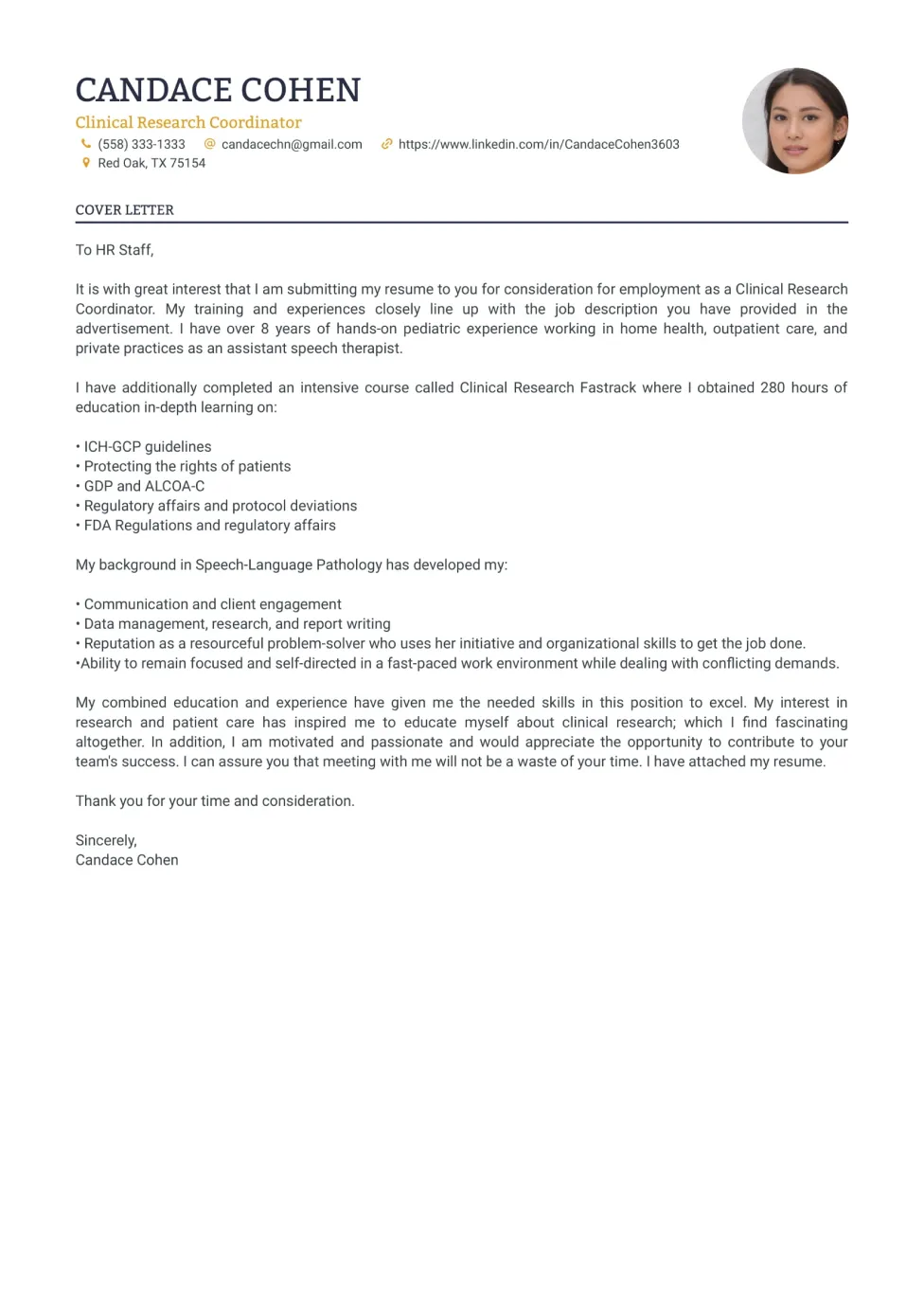
In today’s competitive job market, a well-written cover letter can be the key to landing your dream job. It is your opportunity to introduce yourself to a potential employer, showcase your unique skills and experiences, and demonstrate your enthusiasm for the position.
A strong cover letter can set you apart from other candidates and make a lasting impression on hiring managers. In this article, we will explore the essential elements of a compelling cover letter and provide tips for creating a standout application.
What is a Cover Letter for a Job Application?
A cover letter is a one-page document that accompanies your resume when applying for a job. It serves as your introduction to the employer and allows you to explain why you are the perfect fit for the position.
A well-crafted cover letter should be personalized to the specific job and company you are applying to, showcasing your qualifications and expressing your interest in the role.
Why is a Cover Letter Important?
A cover letter is an essential part of your job application for several reasons.
Showcasing Your Personality
One of the primary purposes of a cover letter is to showcase your personality and communicate your enthusiasm for the job. While your resume provides a snapshot of your professional experience, a cover letter allows you to share more about who you are as a person. Use your cover letter to convey your passion for the industry, your motivation for applying to the company, and your excitement about the opportunity.
Demonstrating Your Writing Ability
Writing a cover letter is also an opportunity to demonstrate your writing ability and communication skills to potential employers. Use your cover letter to showcase your ability to articulate your thoughts clearly and concisely, paying attention to grammar, punctuation, and overall structure. A well-written cover letter can leave a positive impression on hiring managers and show that you are a strong communicator.
Connecting Your Skills to the Job
Another key aspect of a cover letter is connecting your specific skills and experiences to the job you are applying for. Use your cover letter to explain how your past experiences have prepared you for the role and how your skills align with the job requirements. Provide specific examples of projects or achievements that demonstrate your qualifications and make a compelling case for why you are the best fit for the position.
What to Include in a Cover Letter?
When crafting your cover letter, there are several key elements that you should include to make it effective and engaging. These components will help you create a well-rounded cover letter that showcases your qualifications and convinces the employer to consider you for the job.
Personalized Greeting
Start your cover letter with a personalized greeting that addresses the hiring manager by name, if possible. Avoid generic greetings like “To Whom It May Concern” or “Dear Hiring Manager.” Taking the time to find out the name of the person reviewing applications shows that you have done your research and are genuinely interested in the position.
Introduction
The introduction of your cover letter should be concise and engaging, grabbing the reader’s attention from the start. Begin by stating the position you are applying for and how you learned about the job opening. Express your enthusiasm for the opportunity and briefly mention why you are interested in the role and the company.
Body Paragraphs
The body of your cover letter is where you will make your case for why you are the perfect fit for the job. Use this section to highlight your relevant experiences, skills, and accomplishments that align with the job requirements. Provide specific examples of how your past work has prepared you for the role and how you can contribute to the company’s success.
Why You Are a Great Fit
In this section, focus on explaining why you are a great fit for the position and what sets you apart from other candidates. Highlight your unique skills, experiences, and qualifications that make you the ideal candidate for the job. Be sure to connect your strengths to the company’s needs and show how you can help solve their problems and achieve their goals.
Expressing Enthusiasm
Demonstrating your enthusiasm for the role and the company is essential in a cover letter. Use this section to convey your passion for the industry, your excitement about the opportunity, and your eagerness to contribute to the company’s success. Employers are more likely to consider candidates who show genuine interest and enthusiasm for the position.
Showcasing Your Personality
Your cover letter is a chance to show off your personality and let your true self shine through. Use this section to inject some of your personal style and convey your unique qualities. Whether it’s through a compelling story, a touch of humor, or a personal anecdote, showcasing your personality can help you stand out from the crowd and leave a lasting impression.
How to Write a Compelling Cover Letter?
Writing a compelling cover letter requires careful attention to detail, research, and a personalized approach. Follow these tips to create a cover letter that grabs the hiring manager’s attention and sets you apart from other applicants.
Research the Company
Before writing your cover letter, take the time to research the company and understand its values, culture, and goals. Customize your cover letter to demonstrate how your skills and experiences align with the company’s mission and how you can contribute to its success. Showing that you have done your homework can impress hiring managers and increase your chances of landing an interview.
Customize Your Letter
Avoid using a generic template for your cover letter. Tailor each cover letter to the specific job and company you are applying to by highlighting relevant experiences and skills. Make sure to address the job requirements and show how you meet or exceed them. Customizing your cover letter shows that you are serious about the position and have taken the time to tailor your application.
Show Enthusiasm
Expressing your enthusiasm for the role is key to writing a compelling cover letter. Let the hiring manager know why you are excited about the opportunity and how you can contribute to the company’s success. Use enthusiastic language and show that you are genuinely interested in the position. Employers are more likely to consider candidates who demonstrate passion and excitement for the job.
Keep it Concise
While it’s essential to provide detailed information in your cover letter, it’s also crucial to keep it concise and to the point. Aim for a cover letter that is one page in length and includes only relevant information. Be clear and concise in your writing, focusing on the most critical aspects of your qualifications and experiences. A well-organized and succinct cover letter is more likely to grab the reader’s attention and leave a positive impression.
Tips for Successful Cover Letters
When writing a cover letter, keep these tips in mind to ensure its success and make a lasting impression on hiring managers.
Highlight Your Achievements
Focus on highlighting your achievements and accomplishments in your cover letter. Use specific examples and quantifiable results to demonstrate your impact in previous roles. Employers are more interested in what you have achieved and how you can contribute to their organization than just a list of your responsibilities.
Use Keywords
Incorporate relevant keywords from the job description into your cover letter to show that you are a good match for the position. Many employers use applicant tracking systems to scan for specific keywords, so including them in your cover letter can help your application get noticed. Tailoring your cover letter to include relevant keywords demonstrates that you have the skills and experiences necessary for the job.
Be Professional
Maintain a professional tone throughout your cover letter and avoid using slang or casual language. Your cover letter should reflect your professionalism and attention to detail, so make sure to proofread it for any errors before sending it. Address the employer respectfully, use formal language, and professionally present yourself throughout your cover letter.
Follow Instructions
Pay close attention to any specific instructions provided in the job posting for submitting your application. Whether it’s formatting requirements, submission deadlines, or additional documents requested, make sure to follow the employer’s instructions carefully. Failure to adhere to the application guidelines can reflect poorly on your candidacy and may result in your application being disregarded.
Customize Each Letter
Avoid sending out generic cover letters to multiple employers. Take the time to customize each cover letter for the specific job and company you are applying to. Tailor your content to match the job requirements and company culture, highlighting why you are the best fit for that particular role. Employers can quickly spot a generic cover letter, so make sure yours stands out by personalizing it for each application.
Show Your Personality
While maintaining a professional tone, don’t be afraid to let your personality shine through in your cover letter. Use your unique voice and style to convey your enthusiasm and passion for the job. Consider sharing a personal anecdote or story that illustrates your interest in the position and showcases your personality. Employers appreciate candidates who are authentic and genuine in their communication.
Quantify Your Achievements
When highlighting your accomplishments in your cover letter, try to quantify your achievements whenever possible. Use numbers, percentages, or specific metrics to demonstrate the impact of your work and showcase your success. Quantifying your achievements provides concrete evidence of your capabilities and helps hiring managers understand the value you can bring to their organization.
Address Potential Concerns
If you have any gaps in your resume or potential red flags, use your cover letter to address them proactively. Be honest and transparent about any career changes, employment gaps, or other issues that may raise questions for the employer. Providing context and explaining the reasons behind these situations can alleviate concerns and show that you are proactive and honest in your communication.
Focus on Fit
Emphasize how your skills and experiences align with the company’s needs and how you can contribute to their success. Demonstrate a clear understanding of the job requirements and the company’s goals, and explain how you can help meet their needs. Showing that you are a good fit for the position and the organization increases your chances of getting noticed by the employer.
Use a Strong Opening
Capture the reader’s attention from the start with a strong opening paragraph that conveys your enthusiasm for the position. Avoid generic openings and cliches, and instead, start with a compelling statement that sets the tone for the rest of your cover letter. Use the opening paragraph to make a strong first impression and entice the reader to continue reading.
Tell a Compelling Story
Instead of listing your qualifications in a dry and factual manner, use your cover letter to tell a compelling story that illustrates your skills and experiences. Share a specific example of a project you worked on, a challenge you overcame, or a success you achieved that showcases your abilities. A well-crafted story can engage the reader and demonstrate your value as a candidate.
Highlight Transferable Skills
If you are transitioning to a new industry or role, emphasize your transferable skills in your cover letter. Highlight experiences and abilities that are relevant to the job you are applying for, even if they are from a different field. Transferable skills, such as communication, problem-solving, and leadership, can demonstrate your adaptability and suitability for the position.
Express Your Motivation
Clearly articulate why you are interested in the job and why you are passionate about working for the company. Share what excites you about the opportunity, the company’s mission or values, and how you see yourself contributing to their success. Expressing your motivation and enthusiasm can show the employer that you are genuinely interested in the position and committed to making a meaningful impact.
Include a Call to Action
End your cover letter with a strong call to action that prompts the employer to take the next step. Express your eagerness to discuss your qualifications further in an interview and invite the employer to contact you to schedule a meeting. Including a call to action shows your proactive nature and encourages the employer to move forward in the hiring process.
Close Professionally
End your cover letter with a professional closing, such as “Sincerely” or “Best Regards,” followed by your full name and contact information. Sign the letter if sending a hard copy and make sure to include all relevant contact details, such as your phone number and email address. A professional closing leaves a positive final impression and makes it easy for the employer to reach out to you.
Cover Letter Template For a Job Application
A Cover Letter for a Job Application helps you present your qualifications, experience, and enthusiasm in a clear, professional, and well-structured format. It guides you in highlighting relevant skills, explaining your interest in the role, and making a strong connection between your background and the employer’s needs. With a thoughtfully designed template, you can create a compelling first impression and strengthen your overall job application.
Download our Cover Letter Template today to write a polished, confident cover letter that helps you stand out to employers.
Cover Letter Template For a Job Application – DOWNLOAD
