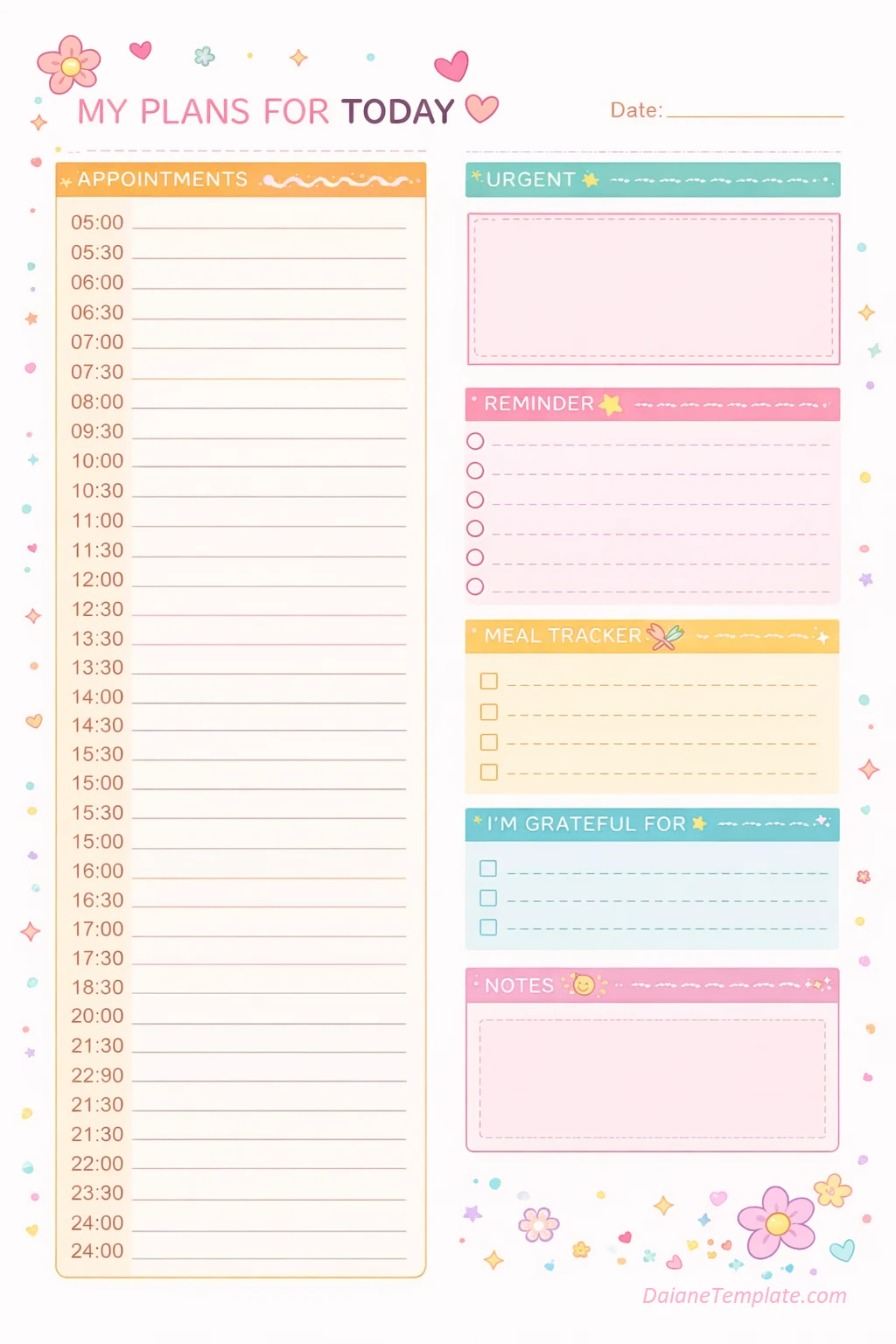
What is a Daily Calendar?
A daily calendar is a crucial tool that individuals use to organize their day, track appointments, set reminders for deadlines, and manage their time effectively.
Unlike traditional calendars that show a month at a glance, a daily calendar breaks down each day into hourly or half-hourly increments, allowing for detailed planning and scheduling.
Why Use a Daily Calendar?
Using a daily calendar is essential for individuals seeking to take control of their time, stay organized, and boost their overall efficiency. Here are some compelling reasons why incorporating a daily calendar into your routine can be a game-changer:
Efficient Task Management
A daily calendar allows you to break down your day into manageable chunks, making it easier to prioritize tasks, set deadlines, and allocate time for each activity. Instead of feeling overwhelmed by a long to-do list, you can approach each task with a clear plan and focus on what needs to be done.
Time Optimization
Time is a valuable resource, and using a daily calendar helps you make the most of it. By scheduling tasks at specific times and avoiding multitasking, you can work more efficiently and avoid wasting time on unproductive activities. With a well-organized schedule, you can ensure that every minute counts towards achieving your goals.
Improved Focus and Concentration
One of the key benefits of using a daily calendar is that it helps you maintain focus on important tasks. By setting aside dedicated time blocks for specific activities and avoiding distractions, you can concentrate better and work more effectively. This focus can lead to increased productivity and better results in your work or personal projects.
Effective Planning and Preparation
A daily calendar enables you to plan and anticipate potential obstacles or conflicts. By scheduling tasks in advance, you can proactively address any challenges that may arise and make adjustments to your schedule as needed. This proactive approach to planning helps you stay ahead of deadlines and ensures that you are well-prepared for each day’s activities.
Reduced Procrastination
Procrastination is a common problem that many people face when trying to manage their time effectively. By using a daily calendar to create a structured schedule and set deadlines for tasks, you can avoid the temptation to put things off until the last minute. With a clear plan in place, you are more likely to stay motivated and focused on completing tasks promptly.
Enhanced Time Awareness
When you use a daily calendar to track your activities and appointments, you develop a greater awareness of how you are spending your time. By seeing where your time is being allocated each day, you can identify areas where you may be wasting time or not making the most of your day. This increased awareness can help you make adjustments to your schedule and prioritize tasks more effectively.
Improved Work-Life Balance
Maintaining a healthy balance between work, personal life, and self-care is essential for overall well-being. A daily calendar can help you achieve this balance by allowing you to schedule time for work, family, hobbies, exercise, and relaxation. By structuring your day to include all aspects of your life, you can prevent burnout, reduce stress, and ensure that you have time for activities that bring you joy and fulfillment.
Enhanced Accountability and Responsibility
Using a daily calendar holds you accountable for how you spend your time and ensures that you take responsibility for meeting your commitments. By recording tasks, appointments, and deadlines in your calendar, you create a visual record of what needs to be done and when. This accountability fosters a sense of ownership over your time and encourages you to follow through on your plans and goals.
Streamlined Communication and Collaboration
For individuals who work in teams or collaborate with others, a daily calendar can be a valuable tool for coordinating schedules, setting up meetings, and sharing deadlines. By using a shared calendar or integrating your calendar with team members, you can streamline communication, avoid scheduling conflicts, and ensure that everyone is on the same page. This collaborative approach to time management enhances productivity and fosters a sense of teamwork and cohesion.
Enhanced Decision-Making and Problem-Solving
When you have a clear overview of your daily schedule and tasks, you are better equipped to make informed decisions and solve problems efficiently. By having all relevant information at your fingertips, you can assess priorities, allocate resources, and adjust your plans as needed. This proactive approach to decision-making helps you navigate unexpected challenges and seize opportunities as they arise.
Personal Growth and Development
Using a daily calendar is not just about managing your time; it’s also a tool for personal growth and development. By setting goals, tracking progress, and reflecting on your achievements, you can cultivate a growth mindset and strive for continuous improvement. A daily calendar provides a framework for self-improvement, goal setting, and learning from past experiences, ultimately leading to personal growth and increased self-awareness.
Key Elements of a Daily Calendar
A daily calendar consists of several key elements that are essential for effective time management and organization:
Date
The date is the foundation of a daily calendar, providing a reference point for each day’s activities. Whether it’s January 1st or December 31st, the date helps you keep track of time and plan. By knowing the date, you can schedule appointments, set deadlines, and mark important events on your calendar.
Time Slots
Time slots are crucial for breaking down your day into manageable increments and scheduling tasks at specific times. Whether you prefer hourly slots, half-hourly slots, or custom time intervals, time slots enable you to allocate time for activities, meetings, and projects. By assigning tasks to specific time slots, you can create a structured schedule that guides your daily activities.
To-Do List
A to-do list is a fundamental component of a daily calendar, allowing you to list tasks that need to be completed on a given day. Whether it’s a work assignment, a personal errand, or a household chore, a to-do list helps you stay organized and focused on what needs to be done. By jotting down tasks in your daily calendar, you can track progress, set priorities, and ensure that nothing slips through the cracks.
Notes Section
The notes section provides space for additional information, reminders, or details that don’t fit into the time slots or to-do list. Whether it’s a phone number, an address, or a brainstorming idea, the notes section offers a place to capture miscellaneous information and keep it handy throughout the day. By utilizing the notes section, you can add context to your schedule, clarify details, and enhance your daily planning process.
Prioritization
Prioritization is a key element of effective time management, and a daily calendar helps you prioritize tasks based on importance and urgency. By categorizing tasks as high priority, medium priority, or low priority, you can focus on what matters most and ensure that critical tasks are completed first. Prioritization enables you to make strategic decisions about where to allocate your time and energy, leading to increased efficiency and goal achievement.
How to Use a Daily Calendar
Using a daily calendar effectively involves a series of steps that help you make the most out of your schedule and maximize your productivity:
Set Up Your Calendar
Choose a daily calendar format that works best for you, whether it’s digital or paper-based. Consider factors such as ease of use, portability, and customization options. Set up your calendar with the necessary sections, including date, time slots, to-do list, notes section, and prioritization features.
Fill in Appointments
Start by entering all appointments, meetings, and deadlines for the day into your calendar. Include details such as the time, location, and any additional information you may need. Make sure to allocate enough time for each appointment and allow for buffer periods between activities to prevent overbooking.
Create a To-Do List
Jot down tasks that need to be completed on that particular day in your to-do list section. Prioritize tasks based on importance and urgency, and assign time slots for each task if necessary. Break down larger tasks into smaller, manageable steps to make them more achievable and less daunting.
Review and Adjust
Throughout the day, regularly review your calendar to stay on track with your schedule. Check off completed tasks, make note of any changes or additions, and adjust your plans as needed. Be flexible and adaptable to unexpected events or shifting priorities, and make revisions to your schedule accordingly.
Reflect
At the end of the day, take a few moments to reflect on what was accomplished and what could have been done differently. Evaluate your productivity, assess your time management skills, and identify areas for improvement. Use this reflection time to plan for the next day, set goals, and make adjustments to your schedule for better efficiency.
Consistency
Consistency is key when it comes to using a daily calendar effectively. Make it a habit to update your calendar regularly, review your schedule each morning, and stick to your planned activities throughout the day. By establishing a routine and sticking to it, you can develop a sense of discipline and organization that will benefit your overall time management skills.
Time Blocking
One effective technique for optimizing your daily calendar is time blocking, which involves allocating specific time blocks for different tasks or activities. By grouping similar tasks and dedicating uninterrupted time to focus on each block, you can increase productivity and minimize distractions. Time blocking helps you stay on track with your schedule and ensures that you make progress on important tasks throughout the day.
Review Regularly
Make it a habit to review your daily calendar regularly to stay updated on upcoming commitments, deadlines, and tasks. Check your calendar at the beginning of each day to plan your schedule, and revisit it periodically to ensure you are on track with your activities. By staying informed and aware of your schedule, you can avoid surprises, conflicts, and missed deadlines.
Flexibility
While it’s important to stick to your schedule and follow your daily calendar, it’s also essential to be flexible and adapt to unexpected changes or new priorities. Be open to making adjustments to your schedule as needed, whether it’s rescheduling a meeting, reprioritizing tasks, or accommodating last-minute requests. Flexibility allows you to navigate unforeseen circumstances effectively and maintain control over your time management.
Celebrate Wins
At the end of each day, take a moment to celebrate your wins and accomplishments. Acknowledge the tasks you completed, the goals you achieved, and the progress you made toward larger objectives. Recognizing your successes boosts motivation, reinforces positive habits, and encourages continued effort and improvement. By celebrating your wins, you can stay motivated and inspired to tackle new challenges and goals in the future.
Tips for Successful Daily Calendar Use
To make the most out of your daily calendar and enhance your time management skills, consider the following tips:
- Color-Code Your Tasks: Use different colors to categorize tasks by priority, type, or project, making it easier to identify and focus on specific tasks.
- Set Reminders: Use alerts, notifications, or alarms to remind you of important appointments, deadlines, or tasks throughout the day.
- Include Breaks: Schedule regular breaks in your calendar to rest, recharge, and avoid burnout, ensuring you maintain productivity and focus.
- Batch Similar Tasks: Group similar tasks together to streamline your workflow, minimize context switching, and increase efficiency.
- Delegate Tasks: If possible, delegate tasks to others to free up time for more important or high-priority activities, improving productivity and time management.
- Use Time Tracking: Monitor how you spend your time throughout the day to identify time-wasting activities, optimize your schedule, and make adjustments for better efficiency.
By incorporating these tips into your daily calendar use, you can optimize your time management skills, boost productivity, and achieve your goals with greater efficiency and effectiveness.
Free Daily Calendar Template
A Daily Calendar helps you plan and manage your schedule one day at a time in a clear and organized format. It provides space for appointments, tasks, priorities, and notes, making it easier to stay focused and productive throughout the day. With a well-designed template, you can improve time management and keep your daily routine on track.
Download our Daily Calendar Template today to organize your day efficiently and stay productive with confidence.
Daily Calendar Template – DOWNLOAD
