When it comes to the world of filmmaking, one of the most crucial aspects of creating a successful project is the filming schedule. A well-planned and organized filming schedule can make all the difference in ensuring that everything runs smoothly on set. From coordinating with cast and crew to managing locations and equipment, having a clear and detailed filming schedule is key to a successful production.
In this comprehensive guide, we will cover everything you need to know about creating a filming schedule that works for your project.
What is a Filming Schedule?
A filming schedule is a detailed timeline that outlines when and where each scene of a film or TV show will be shot. It includes information such as the dates, times, locations, and cast and crew needed for each scene.
A well-thought-out filming schedule is essential for keeping a production on track and ensuring that everything gets filmed on time. It helps to maximize efficiency, minimize downtime, and stay within budget.
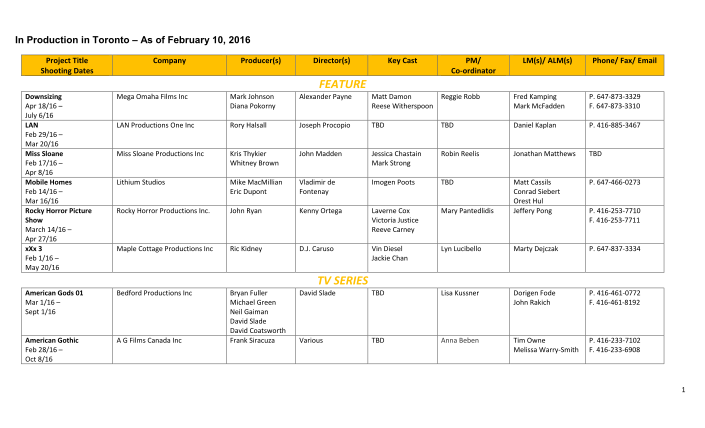
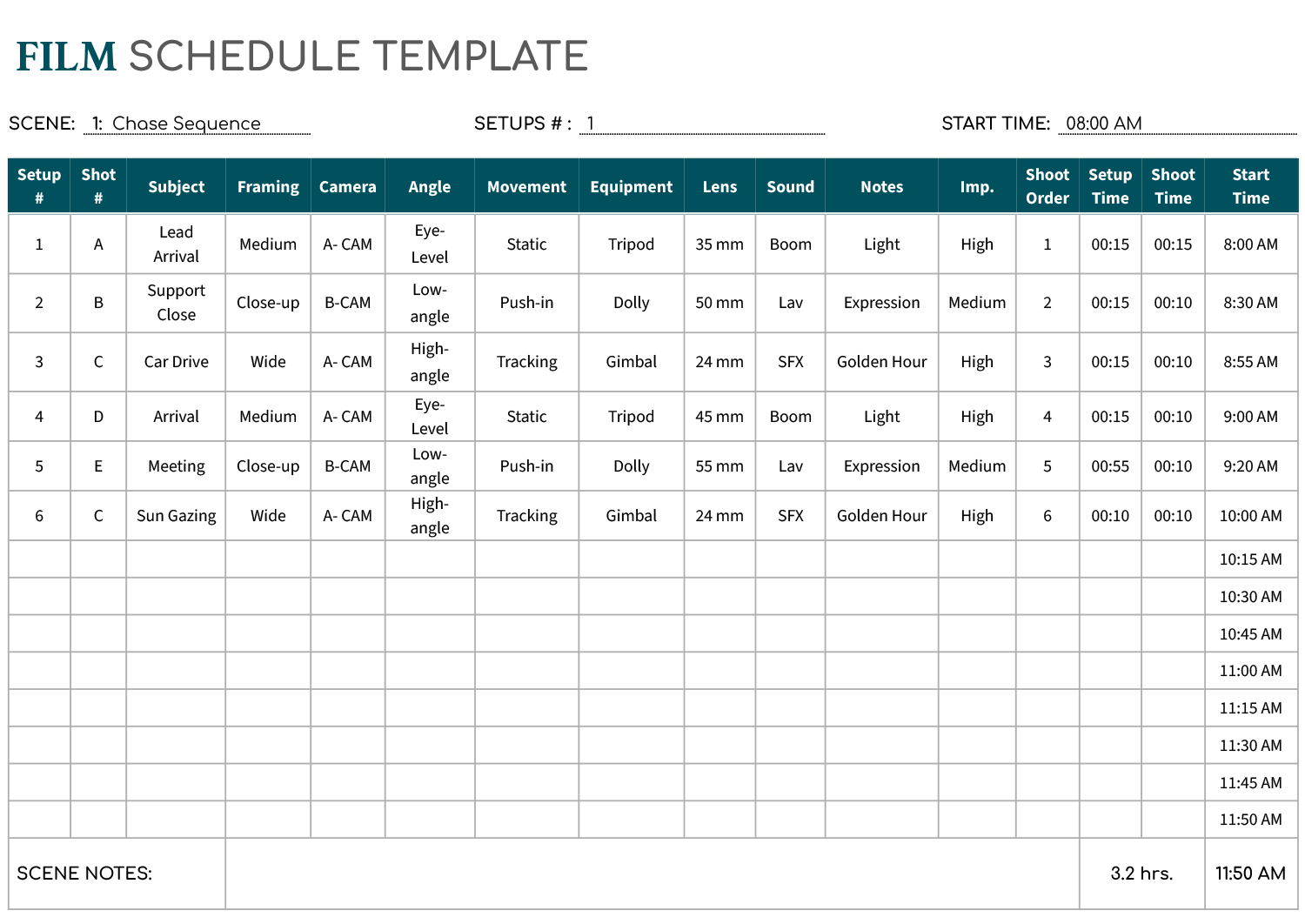
Examples

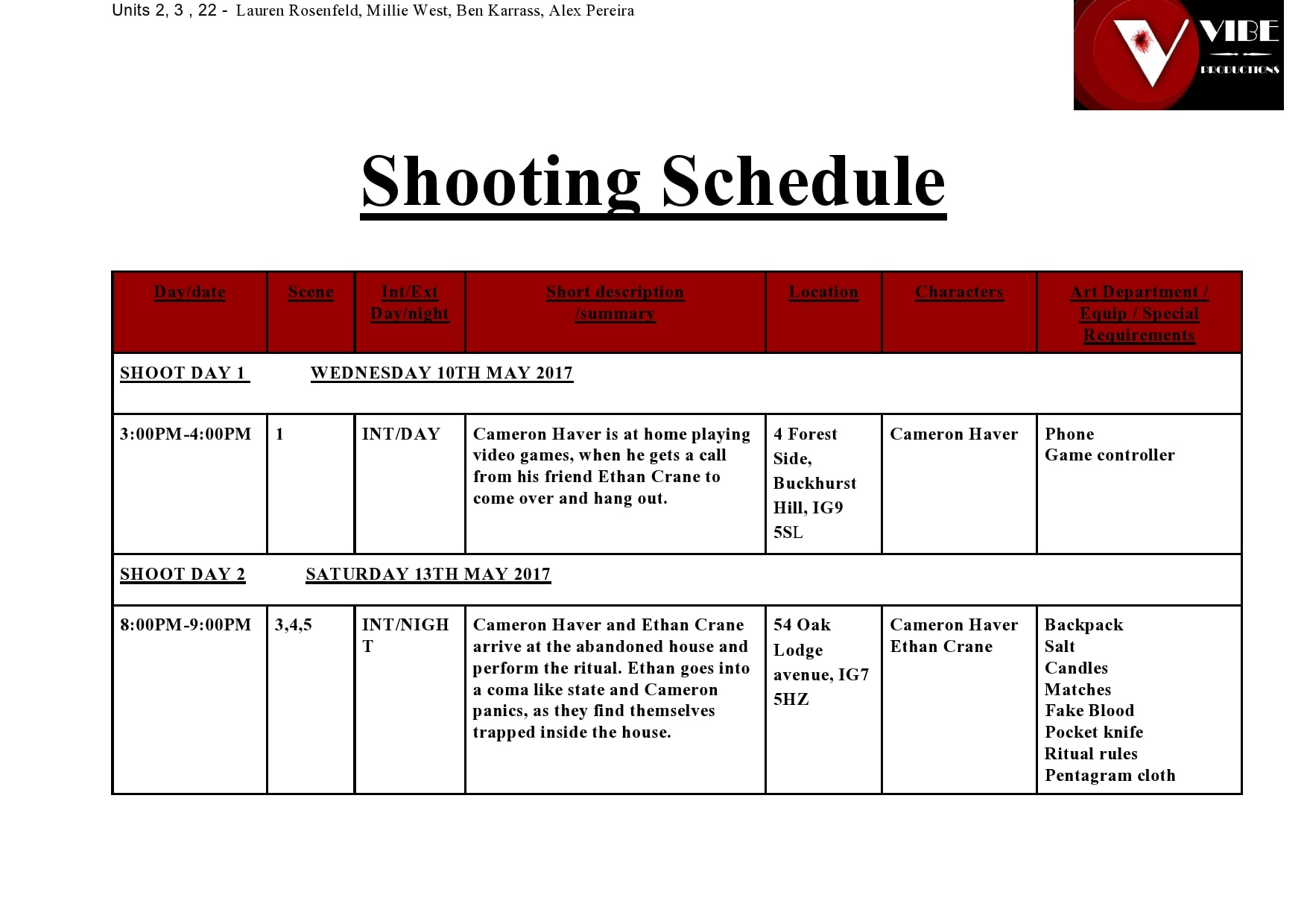
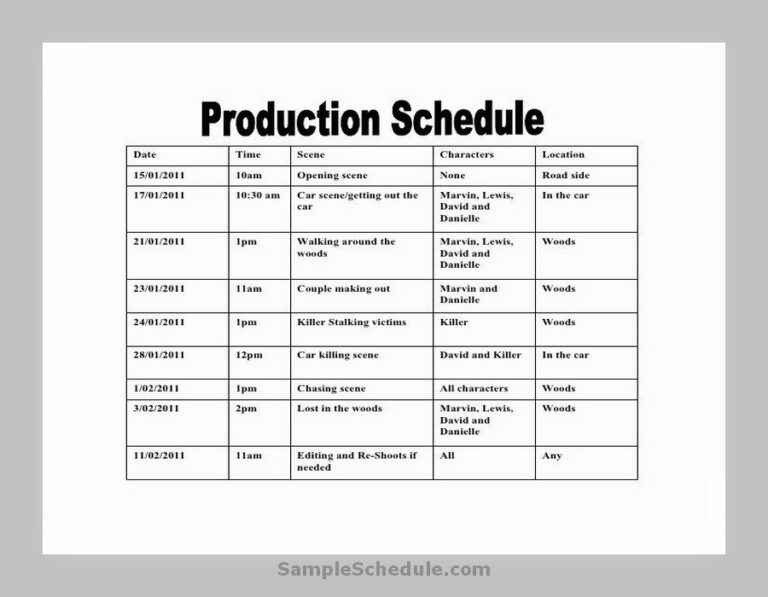
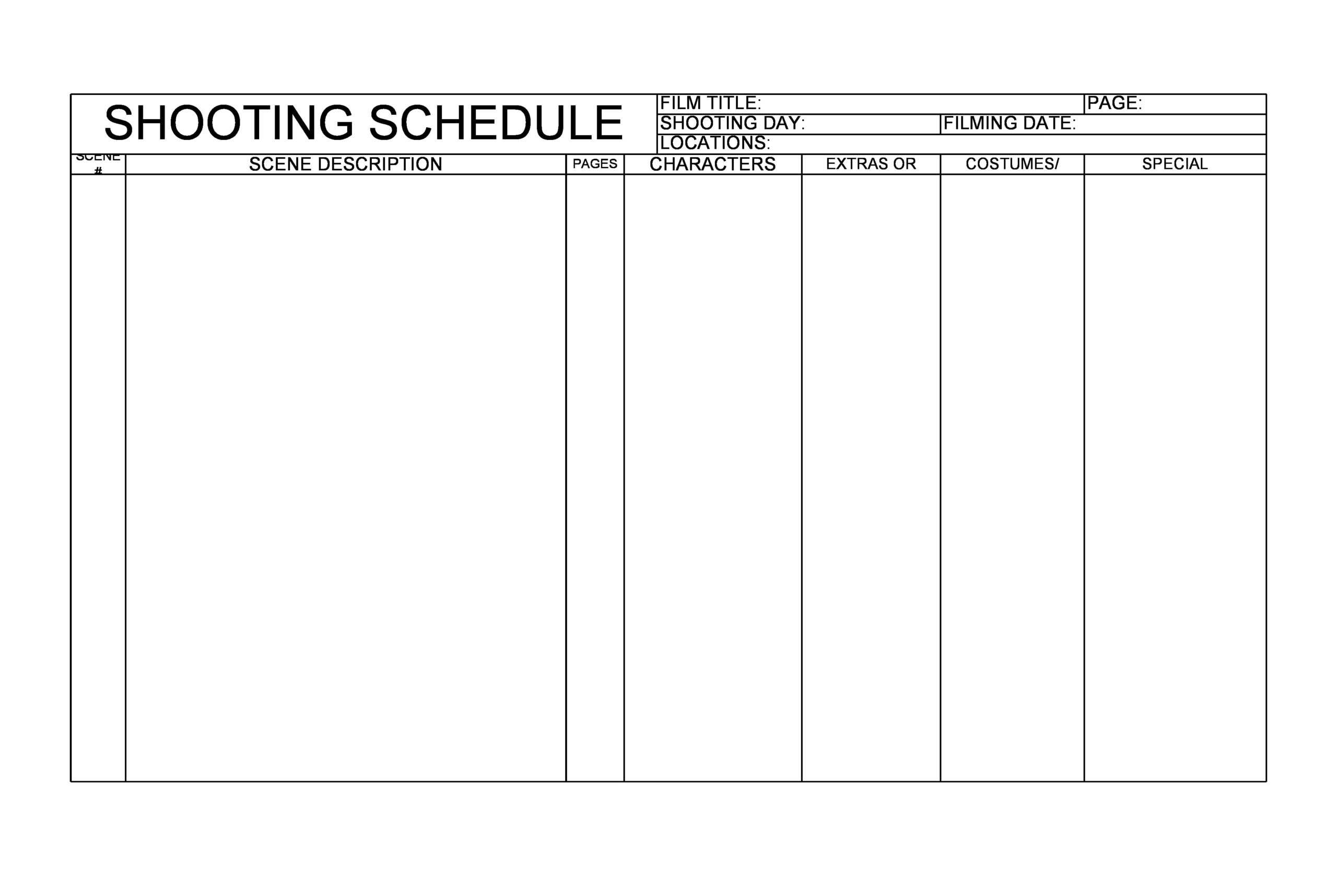
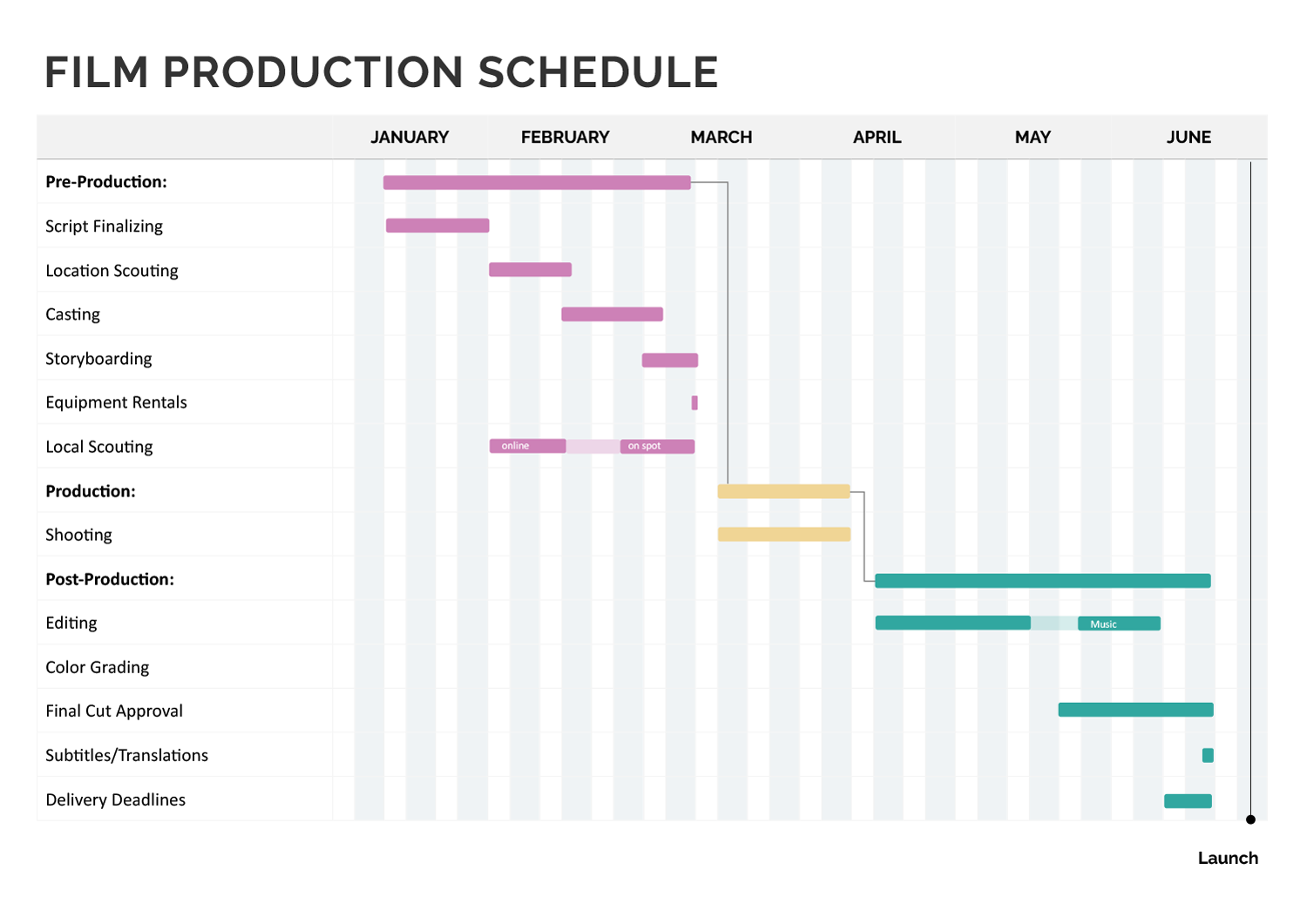
Why is a Filming Schedule Important?
A filming schedule is crucial for several reasons:
- Time Management. It helps to ensure that each day of filming is maximized, making the most of the time available.
- Resource Allocation. It allows for proper allocation of resources such as equipment, locations, and personnel.
- Cost Control. By sticking to a schedule, production costs can be kept in check, avoiding unnecessary overtime or reshoots.
- Coordination. It helps to coordinate the efforts of the cast and crew, ensuring that everyone is on the same page and knows what is expected of them.
- Risk Management. A well-planned schedule can help to anticipate and mitigate potential risks, such as bad weather or unforeseen delays.
What to Include in a Filming Schedule
When creating a filming schedule, several key elements should be included:
- Scene Breakdown. A detailed breakdown of each scene to be filmed, including the location, cast members, props, and any special requirements.
- Shot List. A list of all the shots needed for each scene, including camera angles, movements, and special effects.
- Location Details. Information about each filming location, including addresses, permits, and any special considerations.
- Cast and Crew Call Times. The times when each cast and crew member is expected to arrive on set.
- Equipment Needs. A list of all equipment needed for each scene, including cameras, lights, sound equipment, and props.
How to Create a Filming Schedule
Creating a filming schedule can be a challenging task, but with careful planning and attention to detail, it can be done successfully. Here are some steps to help you create an effective filming schedule:
- Start with a Script. Begin by breaking down the script into scenes and determining the order in which they will be filmed.
- Consider Logistics. Take into account factors such as location availability, actor schedules, and equipment needs when scheduling scenes.
- Create a Day Breakdown. Divide the filming days into manageable chunks, taking into consideration the time needed for each scene.
- Factor in Contingency Time. Leave some buffer time in the schedule for unexpected delays or changes.
- Communicate Effectively. Make sure that all cast and crew members are aware of the schedule and any changes that may arise.
Tips for Managing a Filming Schedule
Here are some tips to help you manage your filming schedule effectively:
- Stay Flexible. Be prepared to make adjustments to the schedule as needed to accommodate changes or unexpected events.
- Delegate Responsibilities. Assign specific tasks to members of the cast and crew to ensure that everything runs smoothly.
- Use Technology. Consider using scheduling software or apps to help you create and manage your filming schedule more efficiently.
- Stay Organized. Keep all relevant documents and information in one place to avoid confusion and ensure that everyone is on the same page.
- Take Breaks. Remember to schedule breaks for the cast and crew to rest and recharge, which can help prevent burnout.
Conclusion
Creating a filming schedule is a critical part of the filmmaking process. By taking the time to plan and organize your schedule effectively, you can help ensure that your production runs smoothly and stays on track. Remember to consider all the important elements of a filming schedule, such as scene breakdowns, shot lists, and equipment needs, and use the tips provided to help manage your schedule efficiently. With the right approach and attention to detail, you can create a filming schedule that sets your project up for success.
