In today’s fast-paced world of information overload, it can be challenging to sift through the noise and find reliable sources of data. This is where fact sheets come into play.
Fact sheets are concise, informative documents that provide key details on a specific topic in a clear and organized manner. Whether you are a student looking for quick reference material or a professional seeking to communicate complex information to a wider audience, fact sheets are an invaluable tool in your arsenal.
What is a Fact Sheet?
A fact sheet is a one-page document that presents key information about a particular topic in a structured format. It typically includes facts, statistics, definitions, and other pertinent details that are relevant to the subject matter. Fact sheets are designed to be easy to read and understand, making them an ideal resource for busy individuals who need quick access to essential information.
When done correctly, a fact sheet can serve as a powerful communication tool that effectively conveys important details to a target audience. Whether you are creating a fact sheet for educational purposes, marketing campaigns, or policy briefings, having a well-crafted document can make a significant impact on how your message is received.
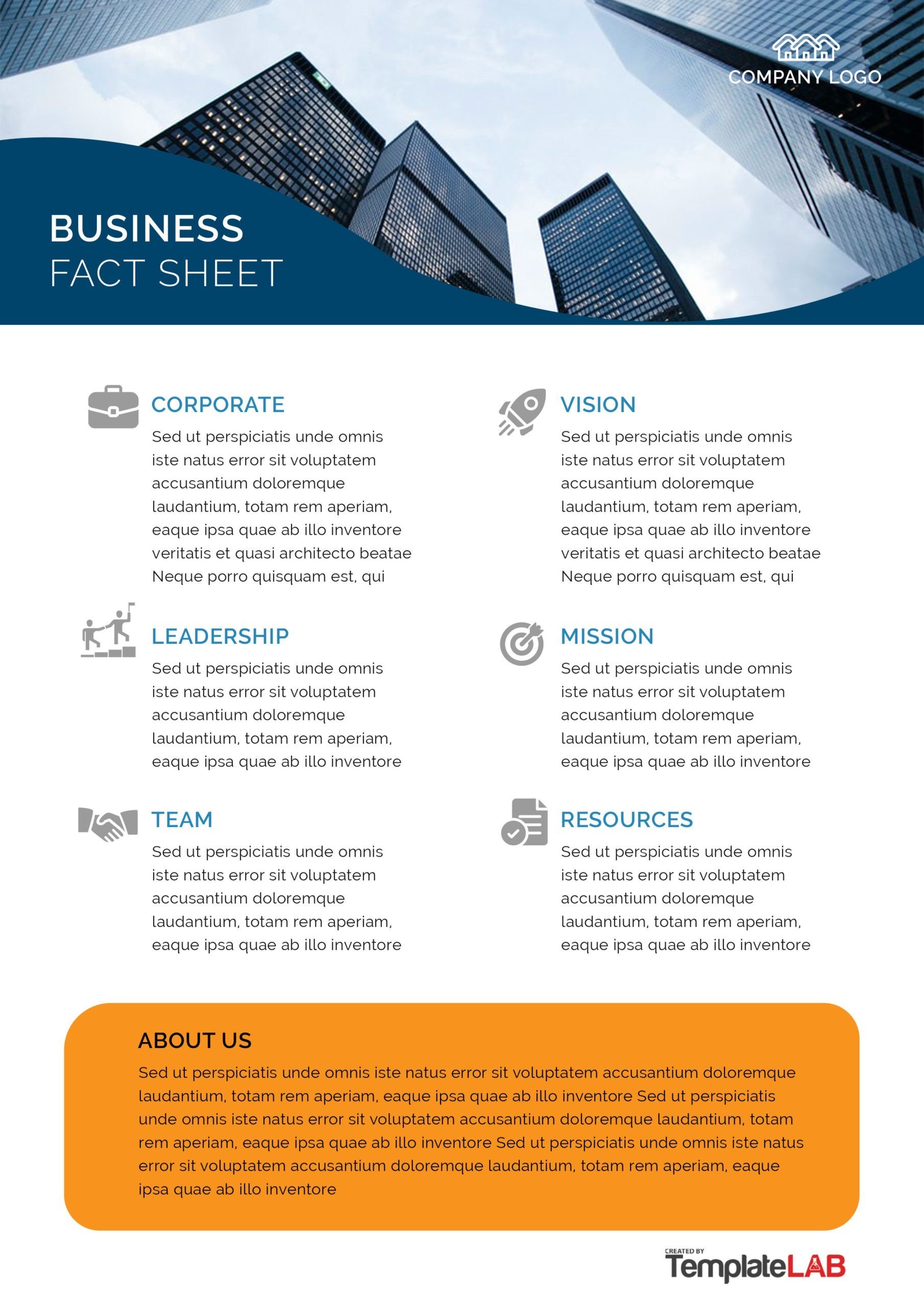
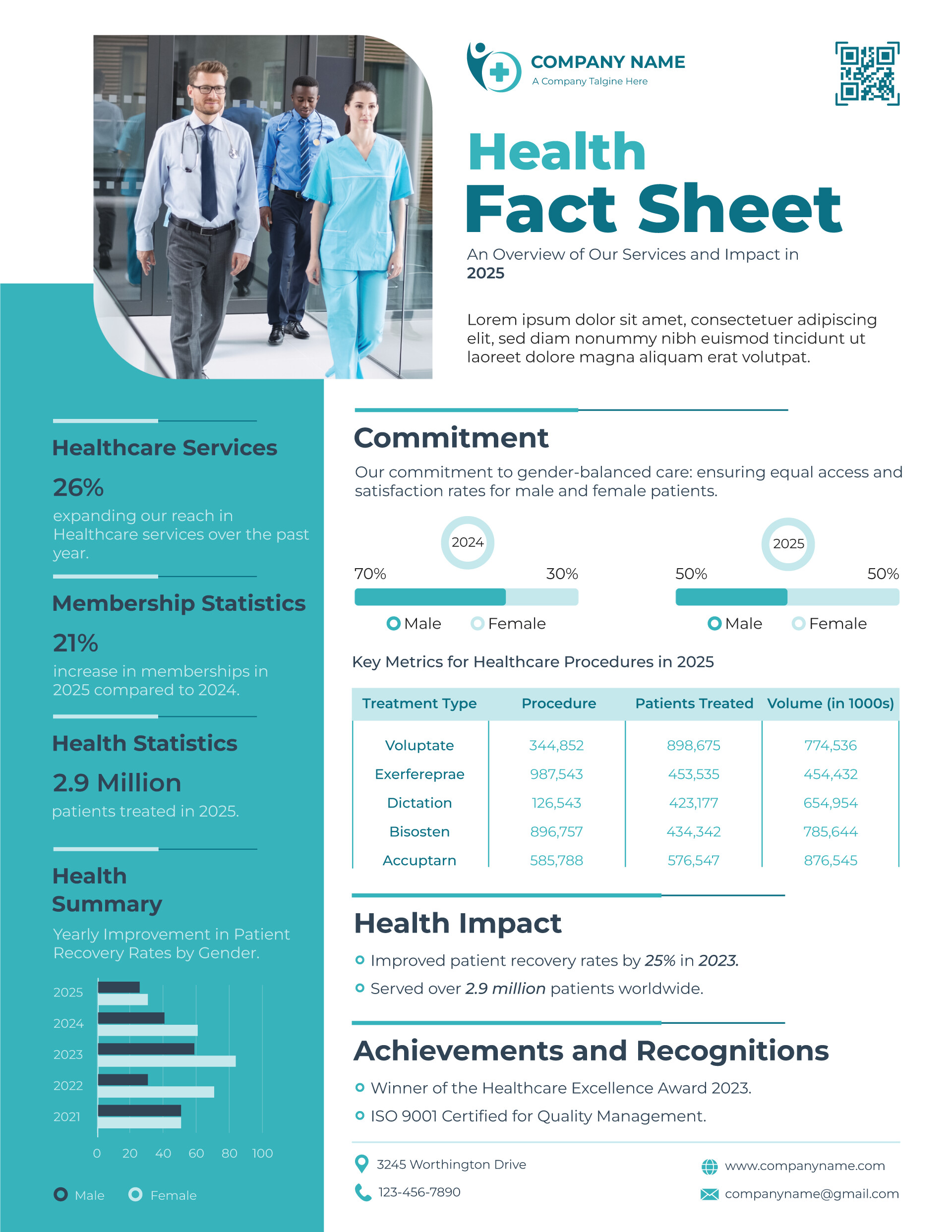
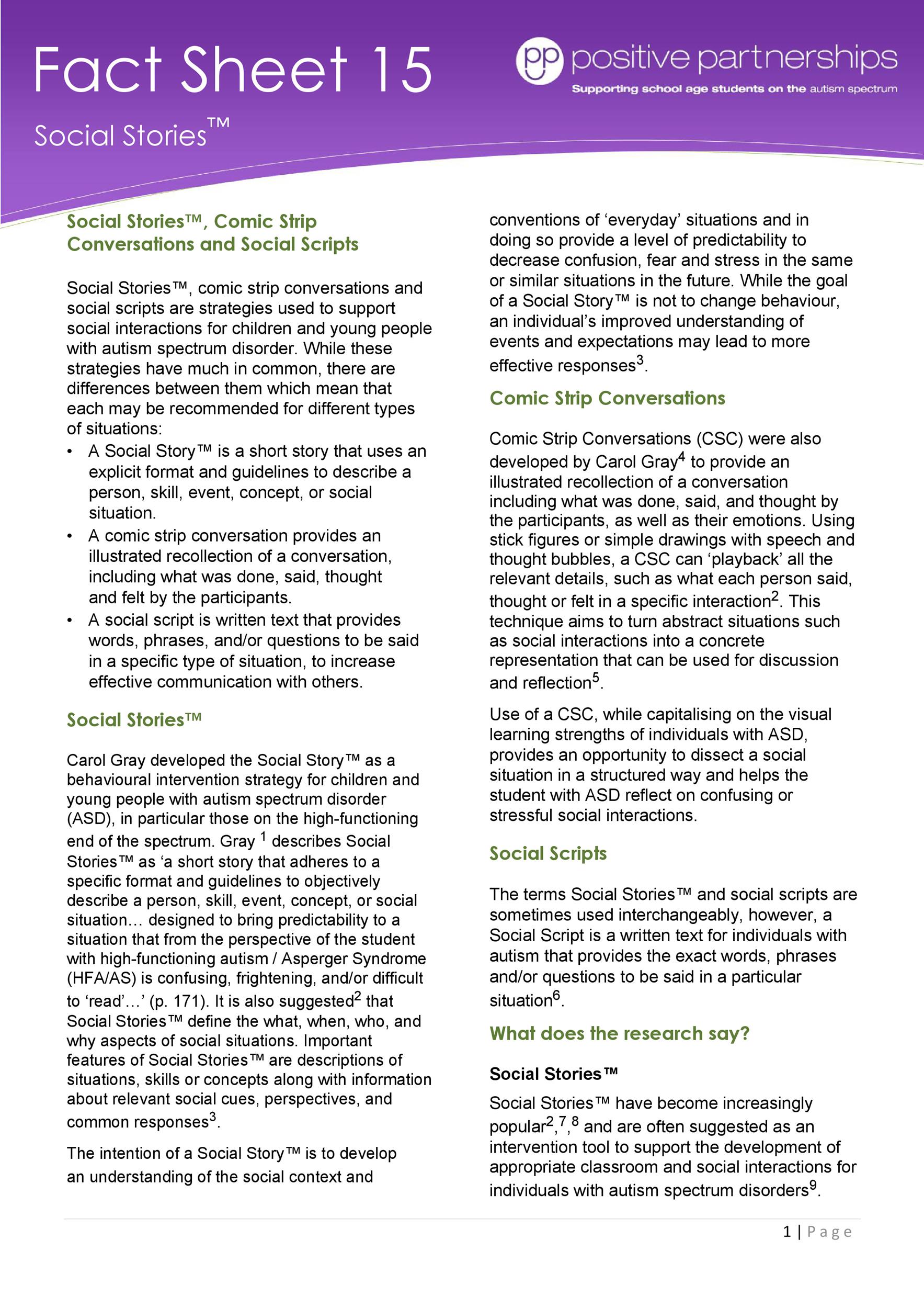
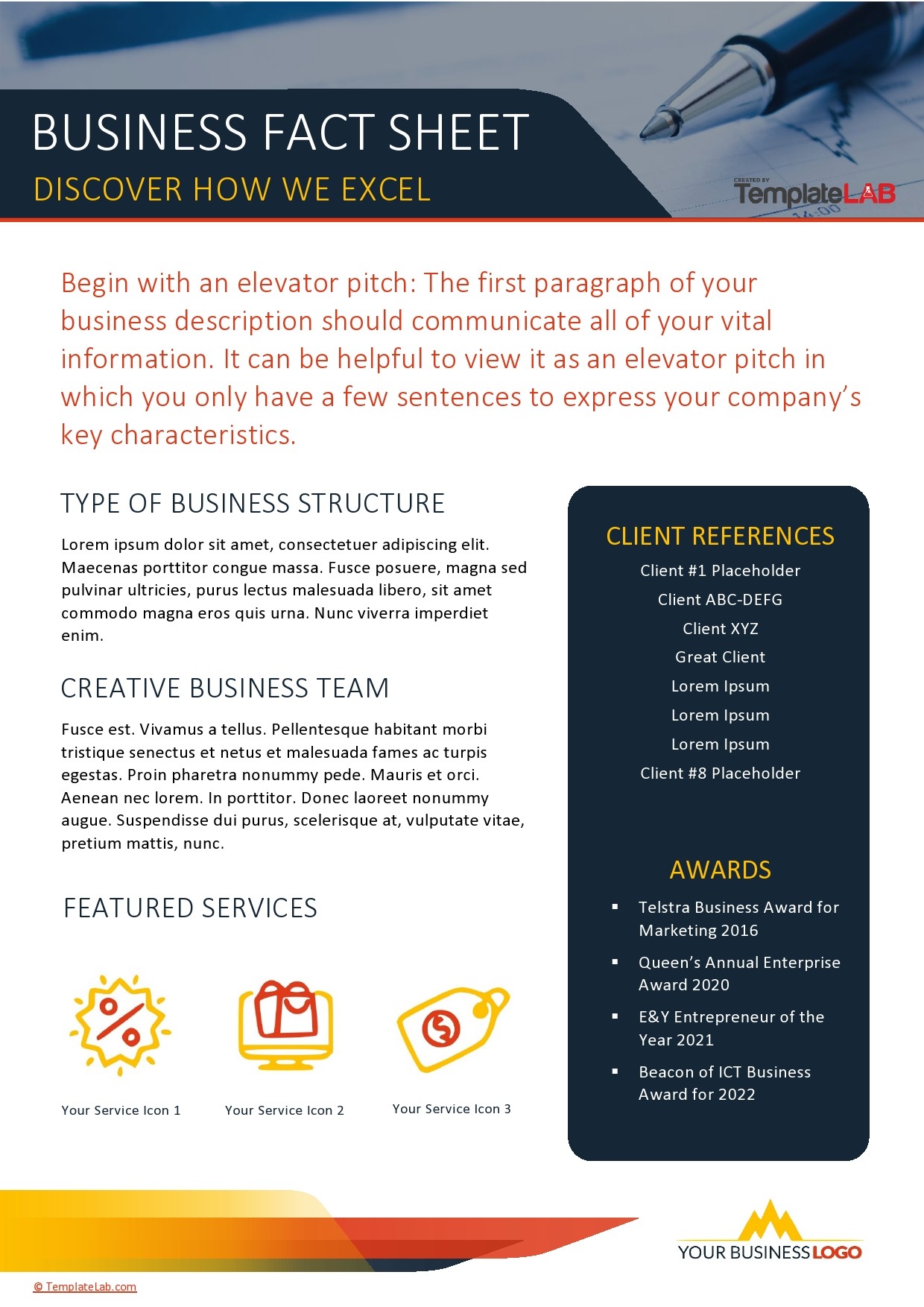
Examples
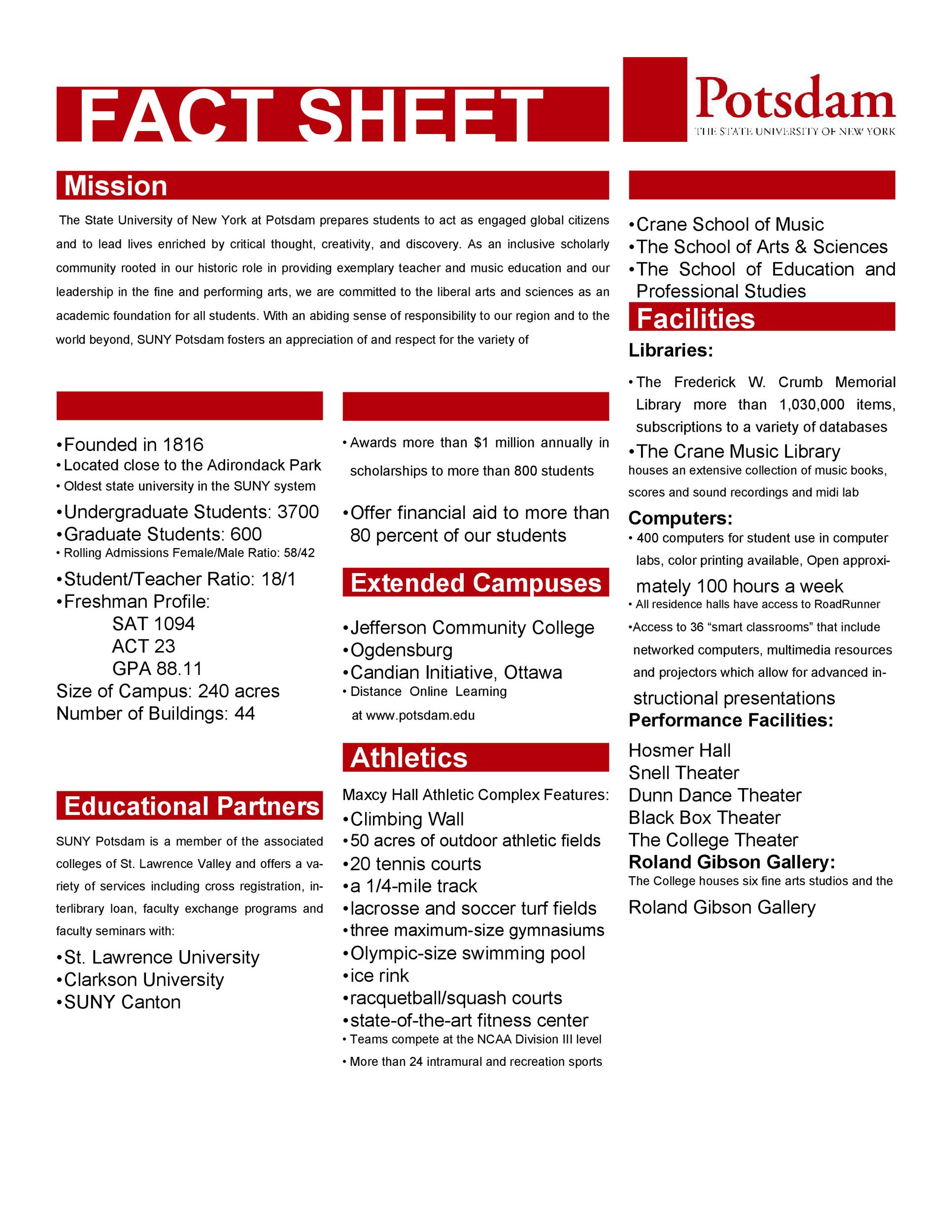
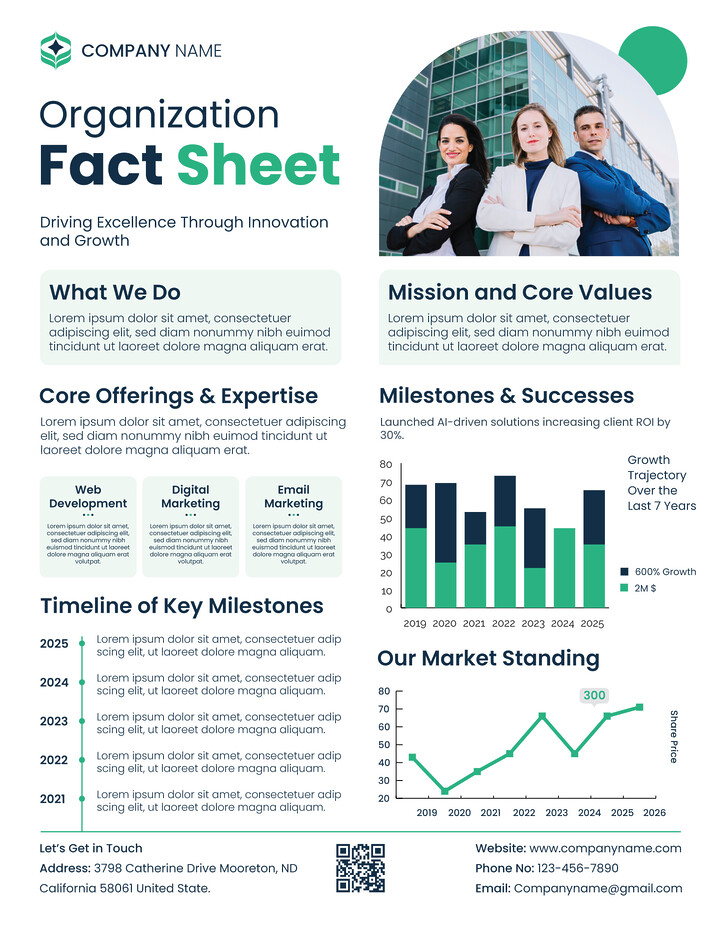
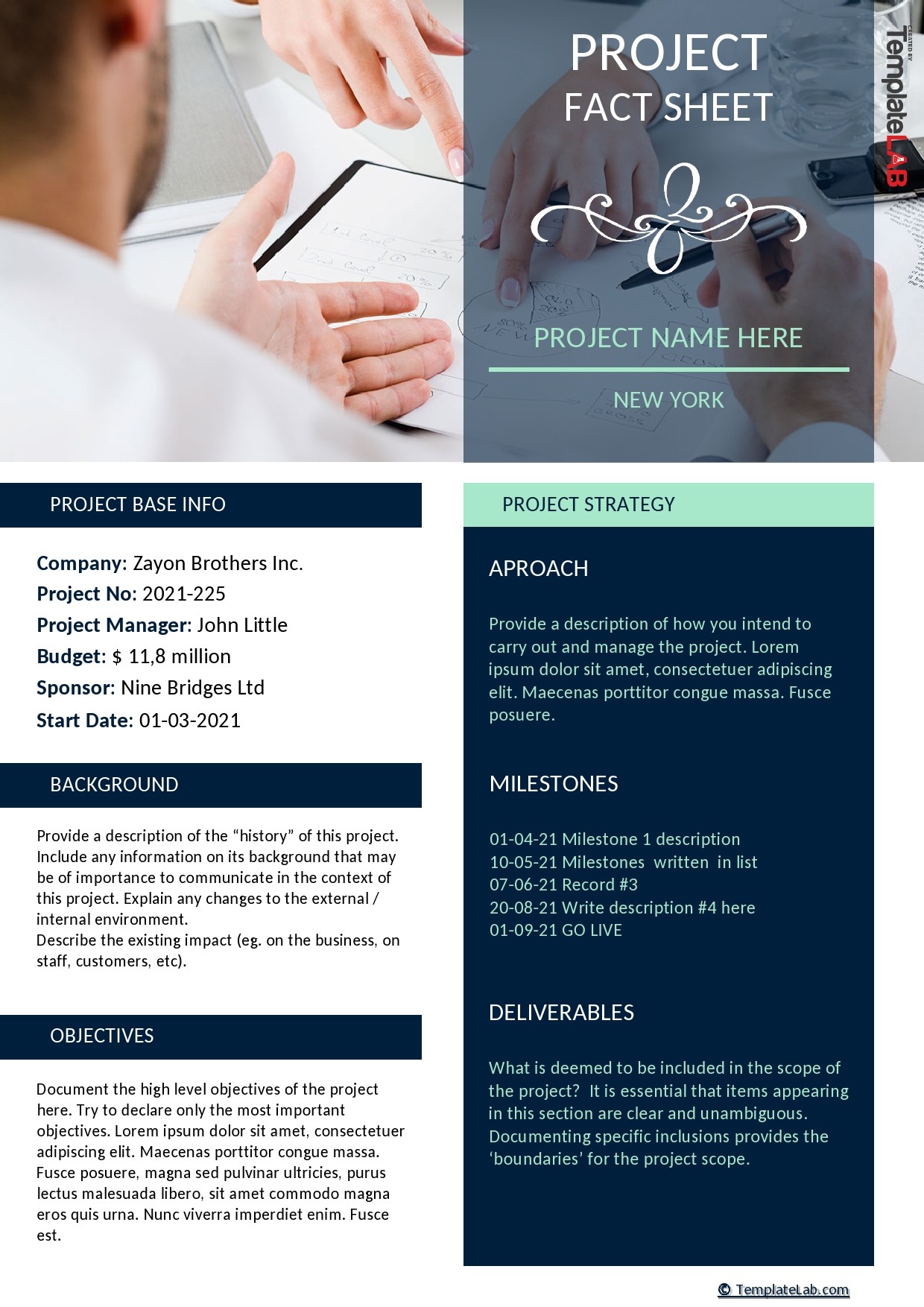
Why Use Fact Sheets?
Fact sheets offer a range of benefits that make them an essential tool for anyone looking to communicate information effectively. Here are some key reasons why you should consider using fact sheets:
- Clarity: Fact sheets provide clear and concise information, making it easier for readers to grasp key details quickly.
- Accessibility: Fact sheets are designed to be easy to read and understand, making them accessible to a wide audience.
- Credibility: By presenting facts and statistics in a structured format, fact sheets enhance the credibility of the information being presented.
- Engagement: Fact sheets are visually appealing and engaging, making them more likely to capture the attention of readers.
- Convenience: Fact sheets are portable and can be easily shared or distributed, making them a convenient resource for on-the-go information.
What to Include in a Fact Sheet
Creating a fact sheet requires careful consideration of the content to include. Here are some key elements that you should consider incorporating into your fact sheet:
- Title: Clearly state the topic of the fact sheet at the top of the document.
- Introduction: Provide a brief overview of the topic and why it is important.
- Facts and Statistics: Include key data points, facts, and statistics related to the topic.
- Definitions: Define any terms or concepts that may be unfamiliar to the reader.
- Graphics: Use charts, graphs, or infographics to visually represent data and make information easier to understand.
- Additional Resources: Provide links or references to further reading on the topic for interested readers.
How to Create an Effective Fact Sheet
Creating an effective fact sheet requires careful planning and attention to detail. Here are some tips to help you create a fact sheet that effectively communicates your message:
- Define your audience: Tailor the content of your fact sheet to meet the needs and interests of your target audience.
- Keep it concise: Stick to the key facts and information relevant to the topic and avoid unnecessary details.
- Use visuals: Incorporate charts, graphs, or images to make the information more visually appealing and easier to understand.
- Format for readability: Use headers, bullet points, and white space to break up the text and make the fact sheet easy to scan.
- Proofread carefully: Ensure that your fact sheet is free of errors and presents information accurately.
Tips for Distributing Fact Sheets
Once you have created your fact sheet, the next step is to distribute it effectively. Here are some tips for getting your fact sheet into the hands of your target audience:
- Share on social media: Post your fact sheet on social media platforms to reach a wider audience.
- Email distribution: Send your fact sheet to relevant contacts via email for targeted distribution.
- Print copies: Print copies of your fact sheet to distribute at events, meetings, or conferences.
- Include in presentations: Incorporate your fact sheet into presentations or reports to enhance your message.
- Utilize online platforms: Upload your fact sheet to document-sharing platforms or your website for easy access by interested parties.
Conclusion
Fact sheets are a versatile and effective tool for communicating key information clearly and concisely. By following the tips outlined in this guide, you can create fact sheets that engage your audience and effectively convey your message. Whether you are a student, researcher, marketer, or policymaker, incorporating fact sheets into your communication strategy can help you make a lasting impact with your audience. So, unlock the power of fact sheets and start sharing information in a way that is informative, engaging, and impactful.
